







Introduction:Choosing coffee beans suitable for pour over can be quite challenging for beginners. This article starts with the world’s major coffee-producing regions, analyzing the flavor characteristics of each, and delves into how common processing methods—such as natural, washed, and honey—affect taste. It also explains in detail the differences between light, medium, and dark roasts and their suitable scenarios. Finally, it provides practical advice for beginners on purchasing budget-friendly beans to help you build your own understanding of coffee flavors.
When trying pour over coffee for the first time, it’s easy to feel overwhelmed by the many choices. In fact, as long as you grasp a few key elements, you can easily find coffee beans that suit you. Factors such as the origin of the beans, processing method, roast level, and budget considerations all influence the final flavor profile. This article will guide you step-by-step through these factors so you can make more informed choices when selecting coffee beans.
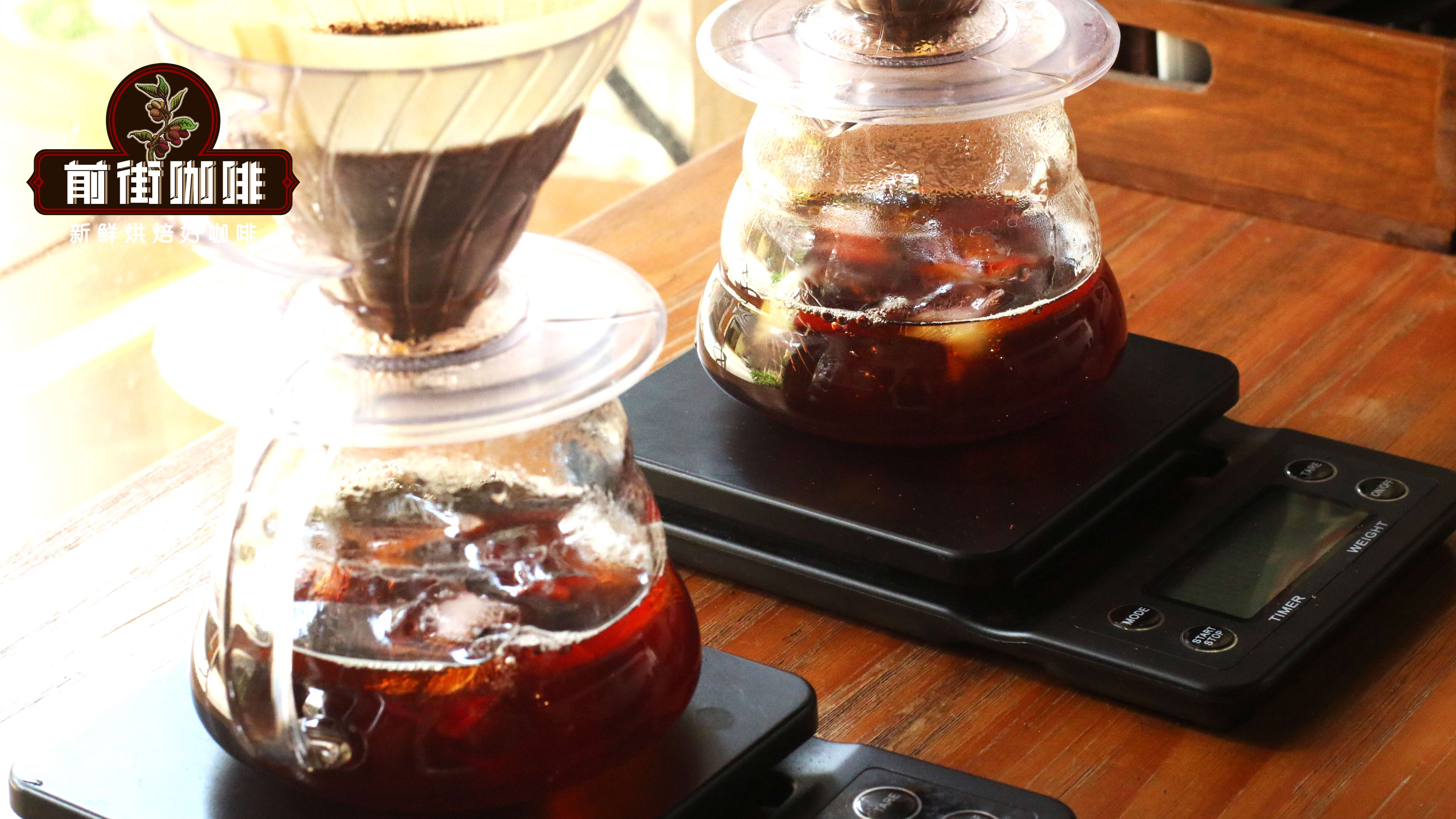
Pour over is a type of drip filtration extraction that can fully showcase the regional characteristics and processing style of the coffee beans. Therefore, starting with single-origin beans that have distinct personalities is usually a better choice. By adjusting the roast level, these beans can clearly highlight the layered characteristics of different regions. For example, the world’s major coffee-producing regions can generally be divided into three major areas: Africa, the Americas, and Asia. Each region, due to differences in climate, soil, and other natural conditions, produces coffee with unique flavor profiles.
First, ask yourself: What kind of flavor profile do I prefer? Do you like a bright and refreshing acidity with rich fruity notes, or a rich and full-bodied nutty character, or perhaps something balanced in between?
If you enjoy a fresh acidity paired with pronounced floral or fruity aromas, regions like Ethiopia and Kenya in Africa, or Panama in Central America are great choices. The coffee from these areas is typically suited for medium-light roasts, which can highlight vibrant citrus, berry, or floral notes.
If you prefer a richer, fuller-bodied taste and can tolerate some bitterness, then regions like Brazil, Indonesia, or Jamaica often focus on dark roasts, with flavor profiles leaning toward nuts, dark chocolate, or caramel sweetness—for example, Brazilian Cerrado, Mandheling, or Blue Mountain No.1 beans.
Looking for coffee with balanced acidity and bitterness, and a mild taste? Consider beans from Papua New Guinea, Yunnan in China, or Costa Rica. The coffee from these regions often features gentle fruit acidity and balanced sweetness, making it suitable for everyday drinking.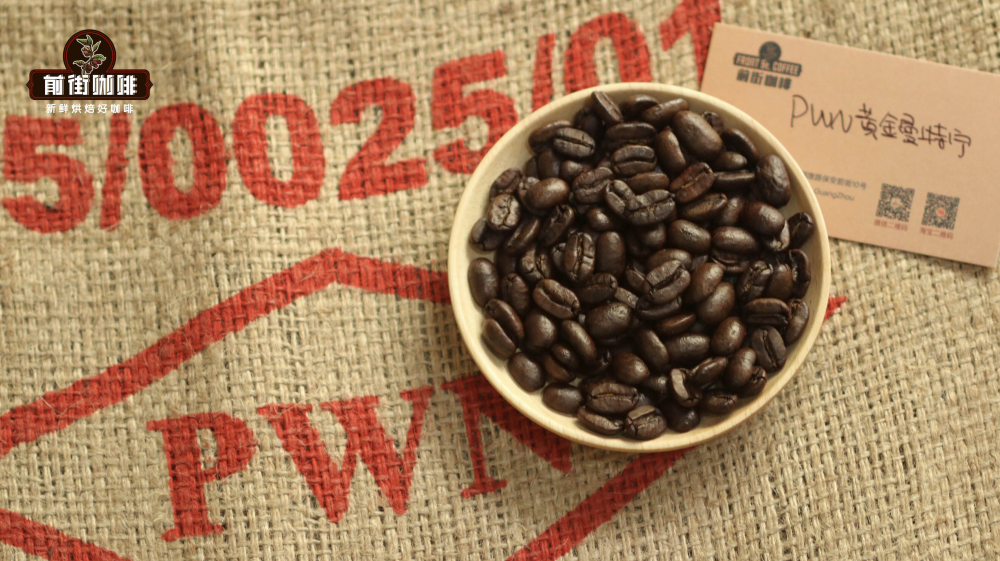
After selecting a region, the processing method is also a key factor influencing flavor. Common traditional processing methods include natural (sun-dried), washed, and honey, along with newer approaches like anaerobic fermentation and wine barrel fermentation. Each method imparts distinct aromatic and taste layers to the coffee.
The natural process involves drying the whole coffee fruit, including the pulp, directly in the sun, preserving more of the fruit’s essence. As a result, it often has a more prominent sweetness and a complex, full-bodied flavor. The washed process removes the skin and pulp first, then ferments to remove the mucilage before drying, usually resulting in a cleaner, brighter acidity. The honey process retains some mucilage during sun drying, enhancing sweetness and producing a softer mouthfeel. As for anaerobic processing, it involves fermentation in an oxygen-free environment, which can produce unique berry or tropical fruit aromas.
For beginners, it’s recommended to start with the two traditional processing methods—washed and natural—not only because their flavor characteristics are easier to grasp, but also because they serve as a foundation for exploring other processing methods in the future.
Roast level also plays a decisive role in coffee flavor. Light roasts typically retain more acidity and original fruity aromas, highlighting regional characteristics—for example, the citrus and floral notes of Ethiopian Yirgacheffe. Medium roasts balance acidity and sweetness while developing caramel and nutty tones, suitable for most people who enjoy multi-layered flavors. Dark roasts bring intense smokiness and a full-bodied mouthfeel, with more noticeable bitterness, but also showcase rich chocolate and caramel flavors.
In terms of price, many beginners worry about buying expensive beans only to be unable to appreciate their subtleties due to lack of skill. In fact, at the entry level, it’s a good idea to start with cost-effective everyday beans. This not only helps you steadily practice brewing techniques but also gradually sharpens your sensitivity to flavors. Once your skills are more refined, you can then explore high-altitude, highly-rated specialty estate beans.
A good everyday bean should represent the characteristics of its producing region while being reasonably priced and suitable for daily consumption. For example, Ethiopian washed Yirgacheffe, Colombian Huila, Brazilian Cerrado, Chinese Yunnan small beans, Indonesian Mandheling, and Costa Rican Tarrazú are all ideal choices for beginners to get to know the flavors of different regions.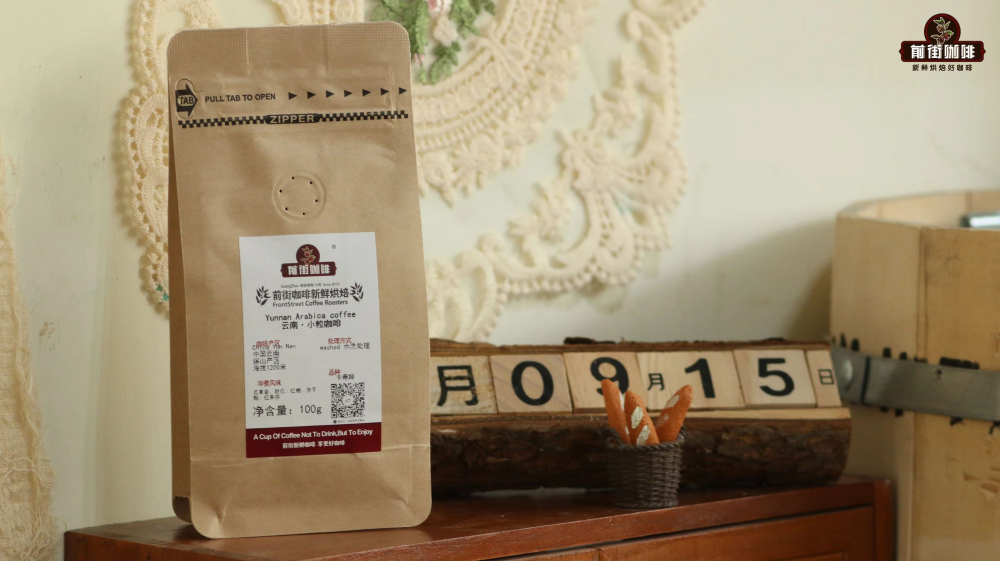
The above content is compiled by CoffeeHunters, a coffee news website.


