







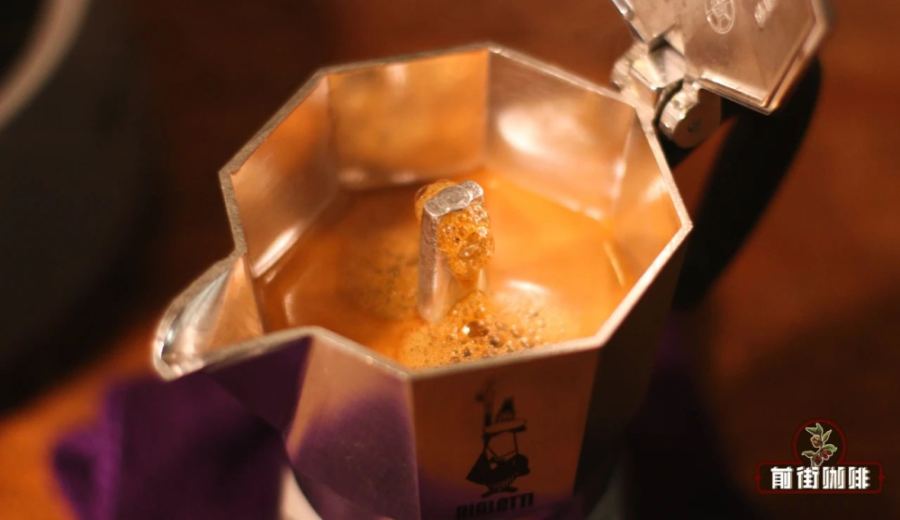
Introduction:Struggling to brew rich coffee at home with your moka pot, but it never quite hits the mark? This article dives deep into the workings of the moka pot, covering grind adjustment, judging the right time to turn off the heat, and the mechanism behind crema production, guiding you to master professional-level techniques. We’ll also clarify the similarities and differences between the moka pot and espresso, along with practical tips to avoid over-extraction and bitterness, helping you achieve café-quality flavor with this classic Italian device.
The History and Working Principle of the Moka Pot
This classic Italian coffee maker, born in 1933 and invented by engineer Alfonso Bialetti, remains the go-to choice for home brewing of concentrated coffee flavors. " alt="Moka pot history illustration">Its uniqueness lies in using steam pressure generated by heating (about 1–2 bar) to force hot water through the coffee puck. This semi-pressurized extraction method produces a concentrate about twice as strong as regular coffee, with a standard coffee-to-water ratio of 1:7 (compared to 1:16 for typical drip brewing).
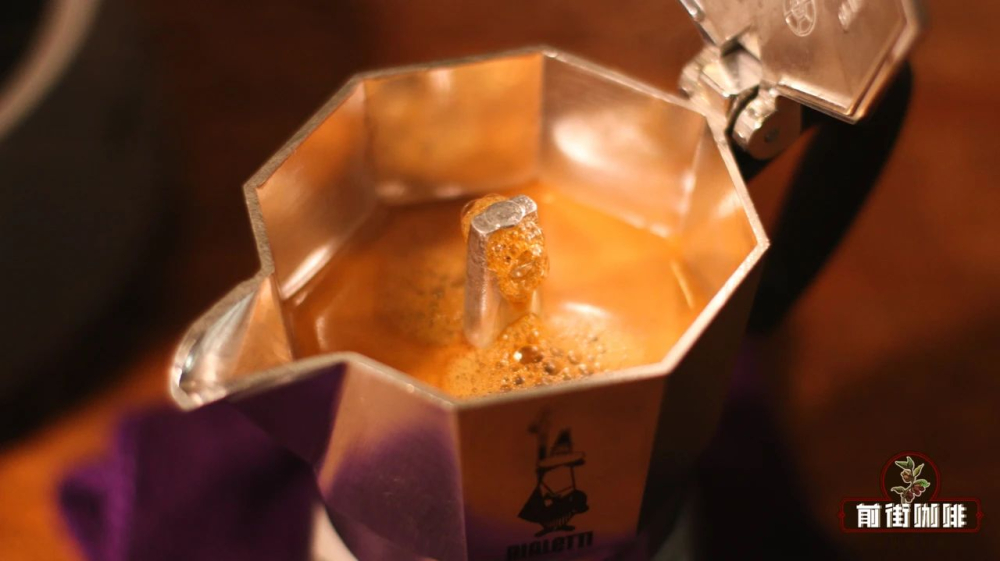 " alt="Pressure principle illustration">
Myths About Crema and Espresso
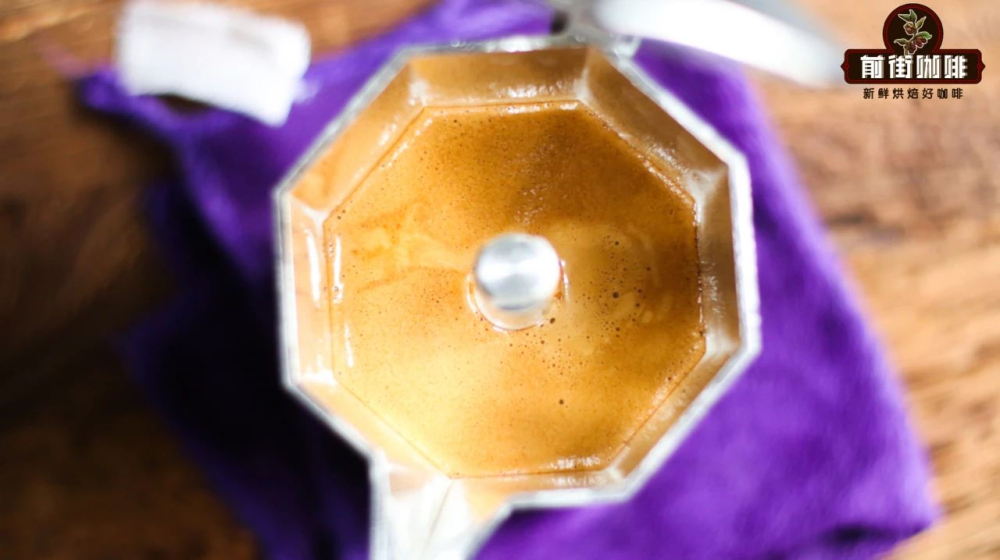
Although the moka pot can produce a small amount of crema (coffee foam), its texture differs from the fine, dense foam of true espresso.The key difference lies in insufficient pressure—commercial espresso machines typically reach 9 bar, while the moka pot only generates 1–2 bar. If you see a golden layer of foam, that’s normal, but if you’re aiming for the crema standard of espresso, a professional machine is still required.
 " alt="Crema comparison illustration">
Six Practical Tips to Reduce Bitterness
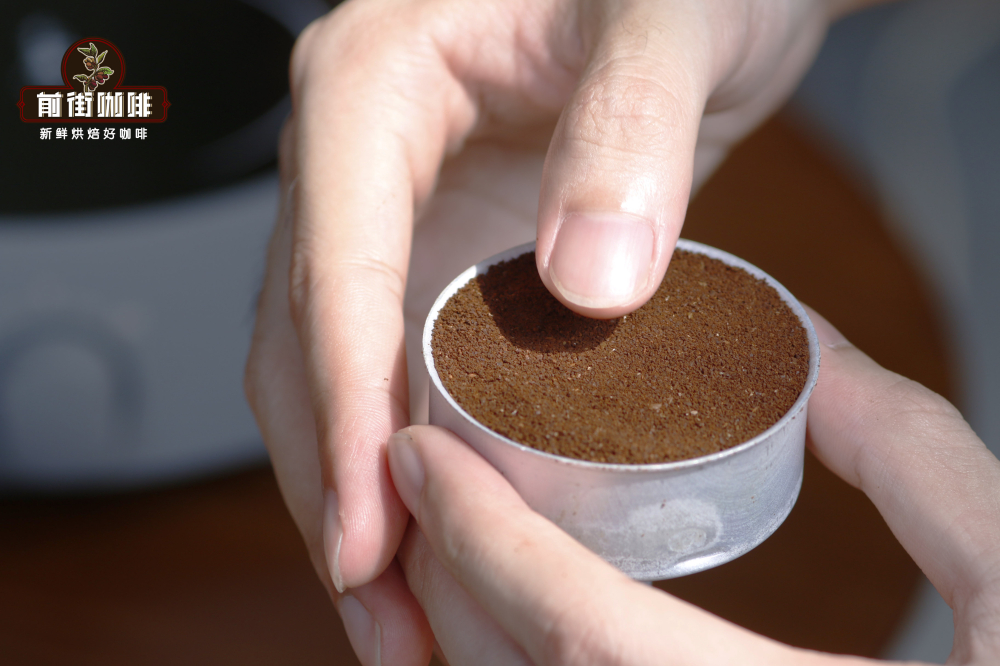
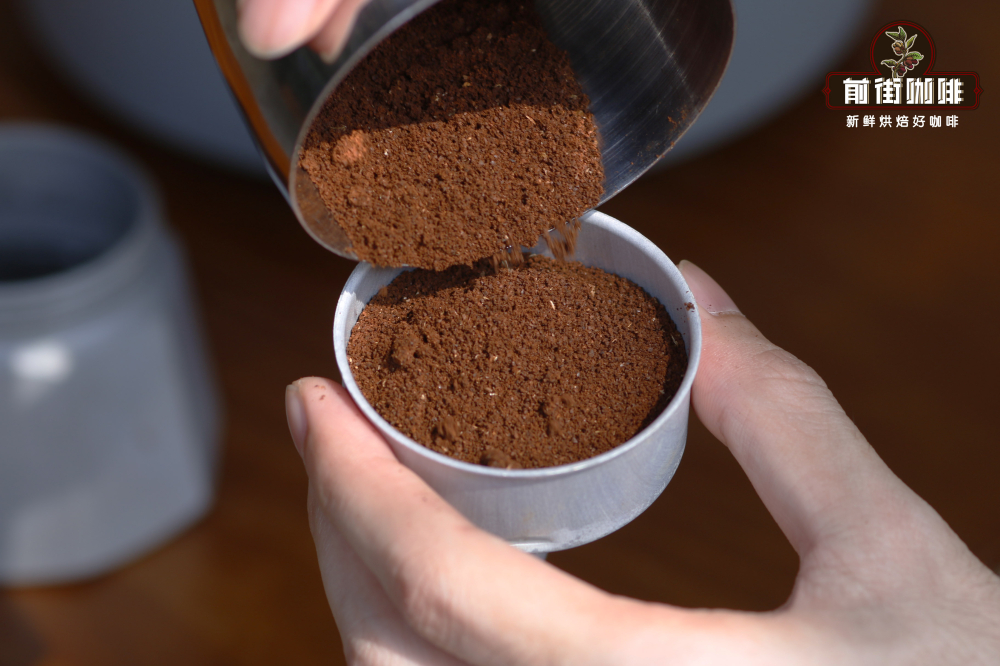
1. Grind Adjustment: Use a medium to medium-fine grind slightly coarser than for espresso (about the size of sugar granules)
2. Even Coffee Bed: After filling the coffee, gently tap the pot to ensure even distribution of grounds
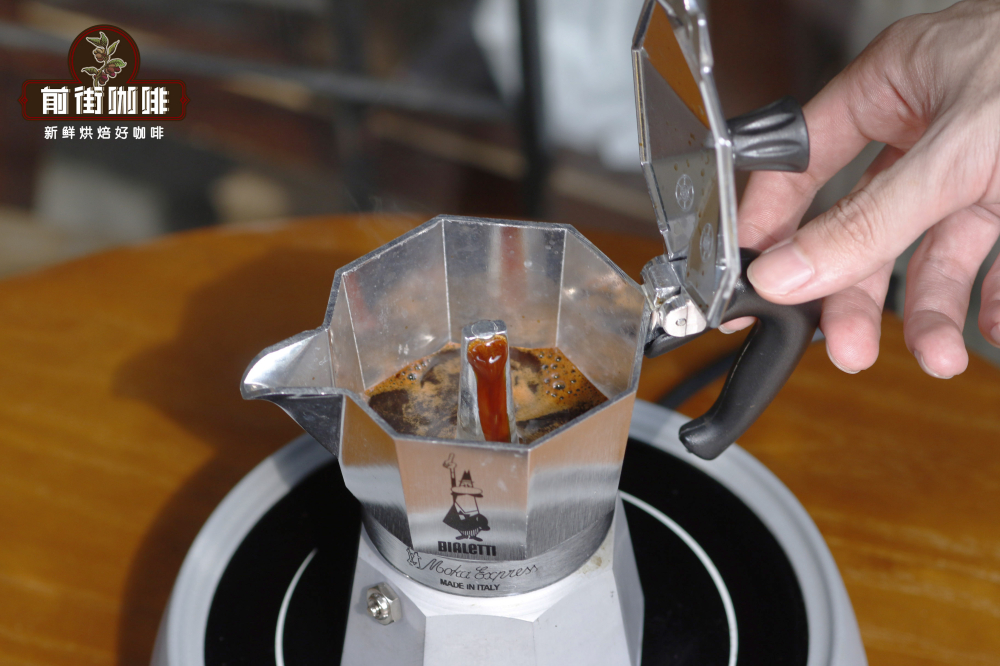
3. Turn Off Heat Promptly: As soon as about 80% of the coffee has flowed into the upper chamber (when the flow turns amber in color), remove from heat immediately
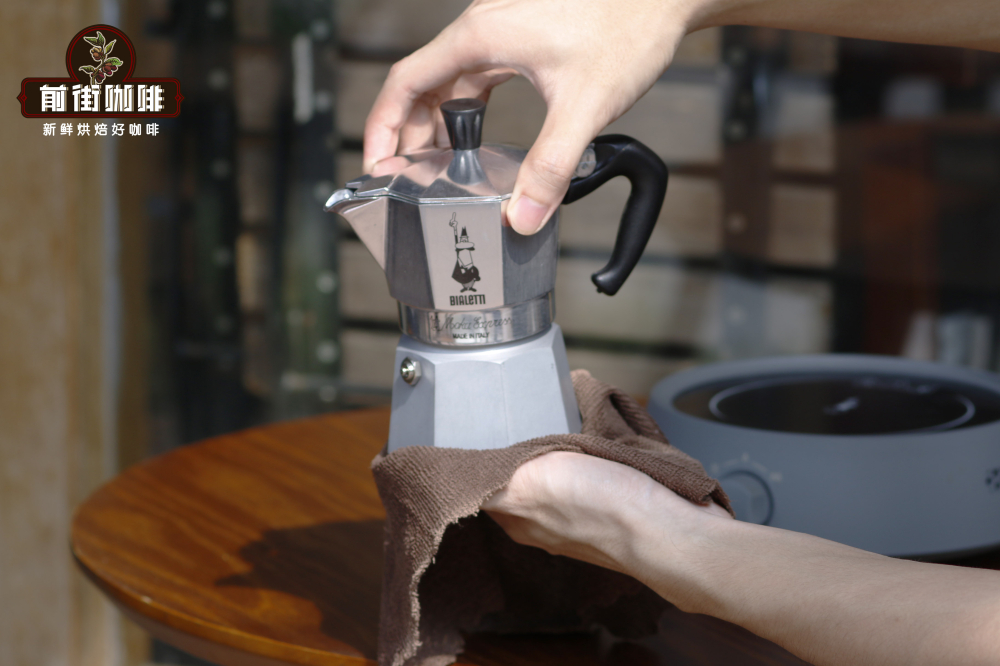
4. Rapid Cooling Method: Place the removed moka pot on a cold towel to quickly stop extraction
5. Water Volume Control: Fill water to 0.5 cm below the safety valve (approximately 250 ml water level)
6. Heat Source Adjustment: Use medium or low heat, with the gas flame not exceeding the diameter of the pot’s base
 " alt="Grind reference illustration">
Essentials of the Standard Brewing Process
Using a four-cup moka pot as an example: fill the lower chamber with cold water up to the safety valve baseline, add medium-fine ground coffee (about 18–20 g) to the filter basket, being surenot to tamp the coffee bed. After assembling, heat over medium heat. When you hear the continuous hissing sound turn into intermittent gurgling, it indicates that brewing is complete.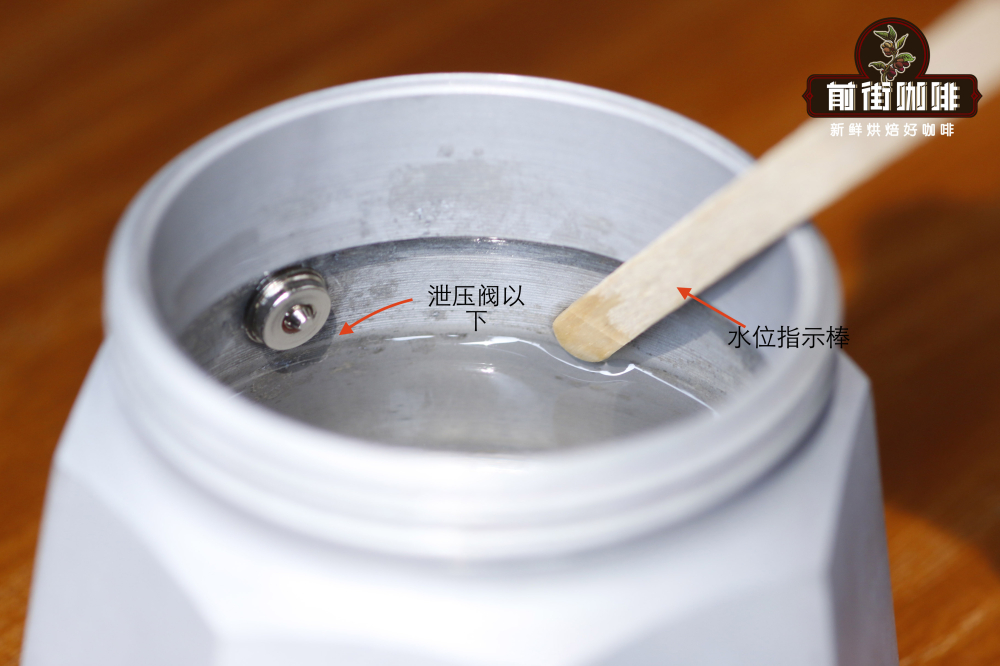 " alt="Assembly steps illustration">It’s recommended to observe the flow throughout — the ideal state should be a steady, thin golden stream. If brown foam starts surging up, it may indicate over-extraction.
 " alt="Brewing state observation">
Maintenance and Roast Level Selection Guide
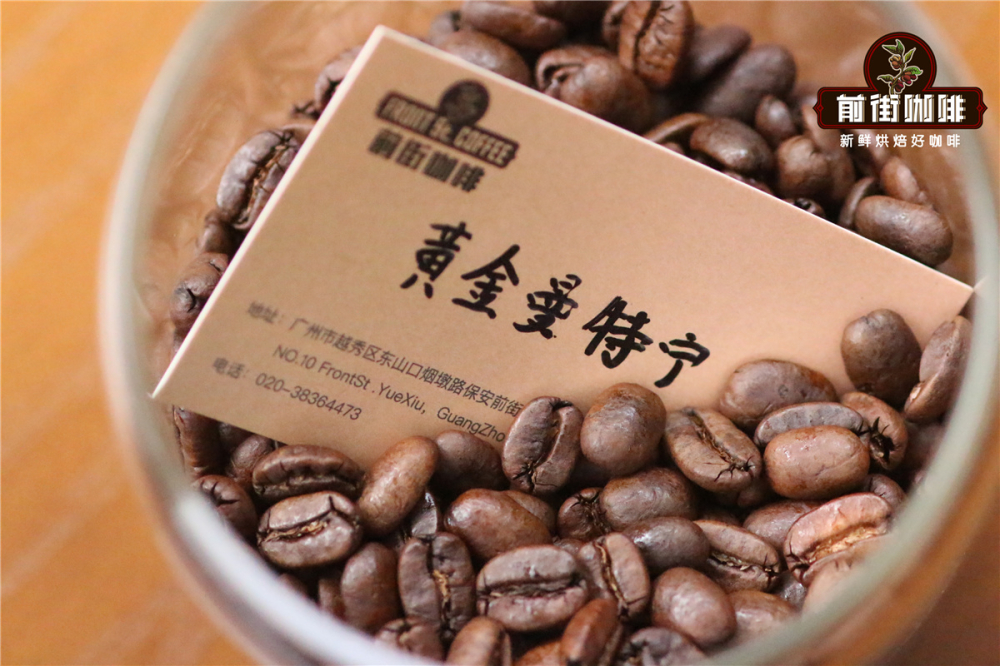
Be sure to disassemble and clean after each use, paying special attention to removing any coffee grounds left in the filter basket.For roast level selection, medium-dark to dark roasts (such as Mandheling, Sumatra) better match the pressurized characteristics of the moka pot, highlighting rich chocolate and nutty notes.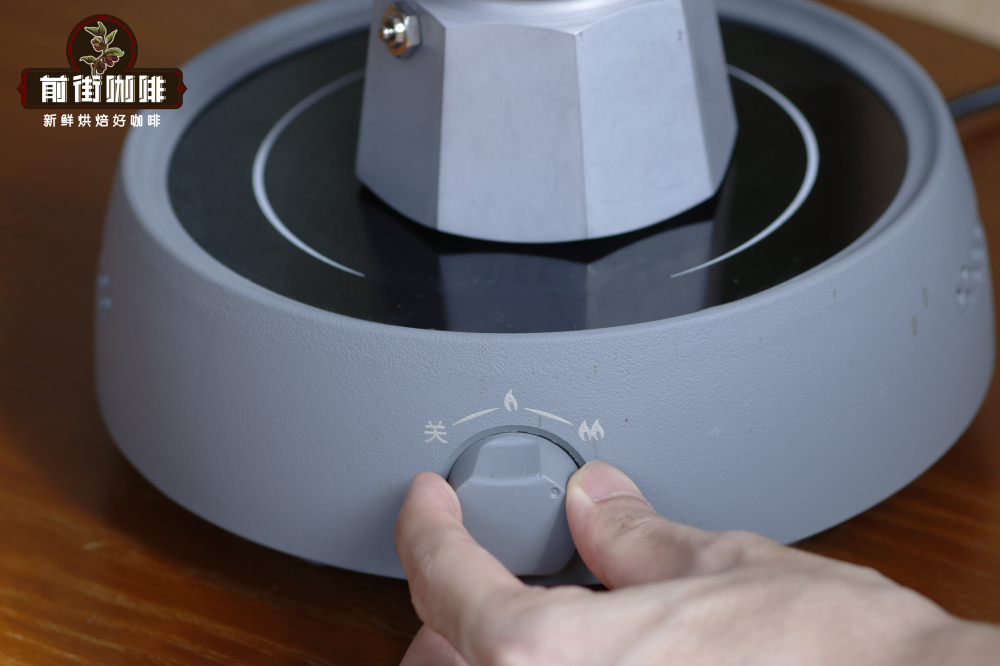 " alt="Roast level comparison">Light roasts, due to their pronounced acidity and fragile structure, are prone to uneven extraction under pressure, and are therefore not recommended.
 " alt="Coffee bean roast level illustration">
Advanced Tips
If you want more precise control over extraction, try the "preheat lower chamber method": heat the empty pot until it just starts to smoke, then add water, which can shorten the heating time. Also note the differences in heat conductivity of various materials — aluminum pots heat up quickly but require strict flame control, while stainless steel models have greater thermal inertia and are more beginner-friendly.
The above content is compiled by CoffeeHunters, a coffee news website.


