








Introduction:Want to easily brew rich coffee at home? The Bialetti Moka Pot is the go-to choice for many coffee enthusiasts. This article delves into the history of this classic brewing device, its brewing principles, and provides detailed step-by-step instructions and precautions, along with recommended coffee beans and grind sizes to help you master the Moka Pot brewing technique. Whether you’re a beginner or an advanced user, you’ll benefit from it.
Bialetti: The Classic Icon of the Moka Pot
When it comes to the Moka Pot, you can’t overlook the brand Bialetti. Even if you’ve never used one, you’ve likely seen its iconic octagonal-shaped body proudly displayed in many cafés or on shelves. Since its launch in 1933, the design and basic structure of this pot have barely changed, and it remains a top choice for brewing coffee in many households to this day.
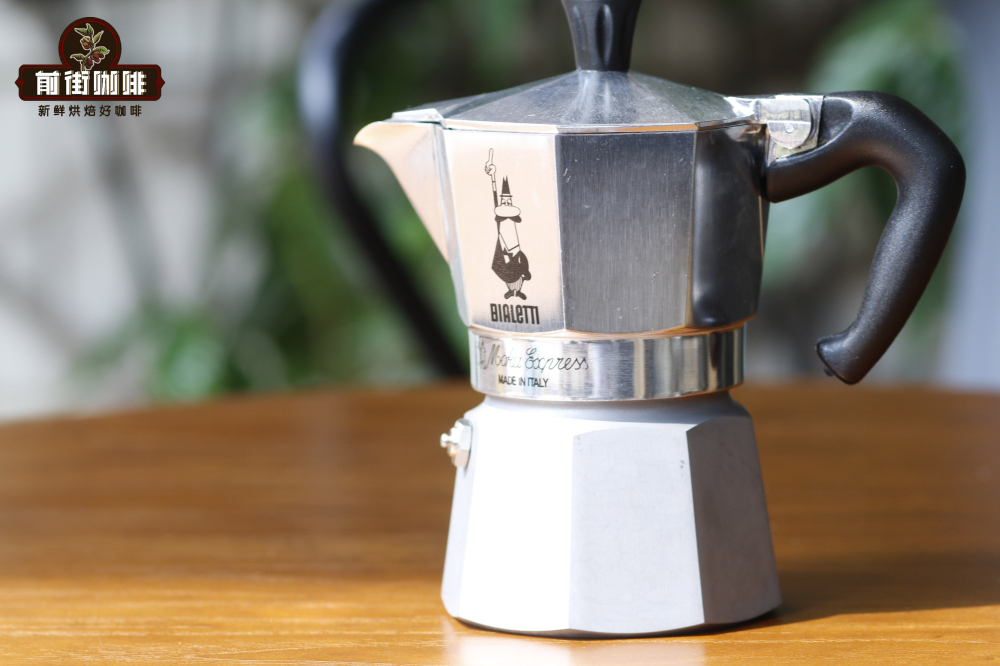
The Historical Background of the Moka Pot’s Creation
In the early 20th century, Italy was riding the wave of the industrial revolution, and people were seeking a fast and efficient coffee experience. Traditional coffee brewing methods were time-consuming and hard to control in terms of strength, while Italians wanted to enjoy café-style rich espresso at home. In 1933, Alfonso Bialetti invented the world’s first household Moka Pot, allowing users to easily brew espresso-like coffee at home. This pot not only features a classic design but has also retained its appearance almost unchanged to this day.
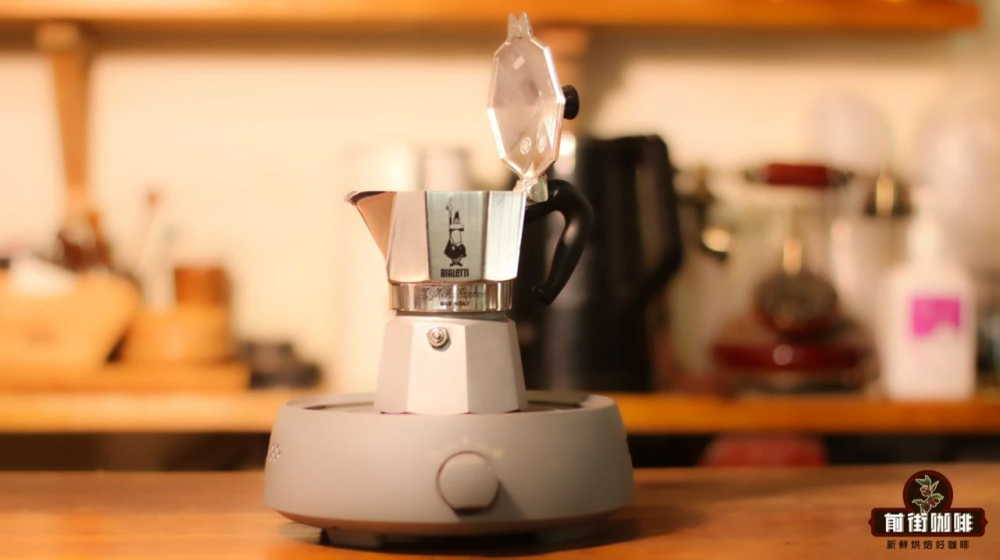
How the Bialetti Moka Pot Rose to Fame
After World War II, Alfonso Bialetti’s son Renato brought the product back to market. Through clever marketing strategies and mass production, he rapidly increased Moka Pot output from 10,000 units per year to 1,000 per day, achieving an astonishing global sales figure of over 300 million units. The Moka Pot has not only become an indispensable item in Italian households but has also become deeply embedded in global coffee culture.

The Structure and Brewing Principle of the Moka Pot
The Bialetti Moka Pot primarily consists of three parts: the lower chamber holds water, the middle filter basket holds the coffee grounds, and the upper chamber collects the brewed coffee. When heated, the water in the lower chamber generates steam pressure, which pushes the water through the coffee grounds in the middle layer and ultimately delivers the extracted coffee into the upper chamber. This pressure-based extraction method is the key reason why the Moka Pot can brew such rich coffee.
How to Use the Moka Pot: Steps and Guide
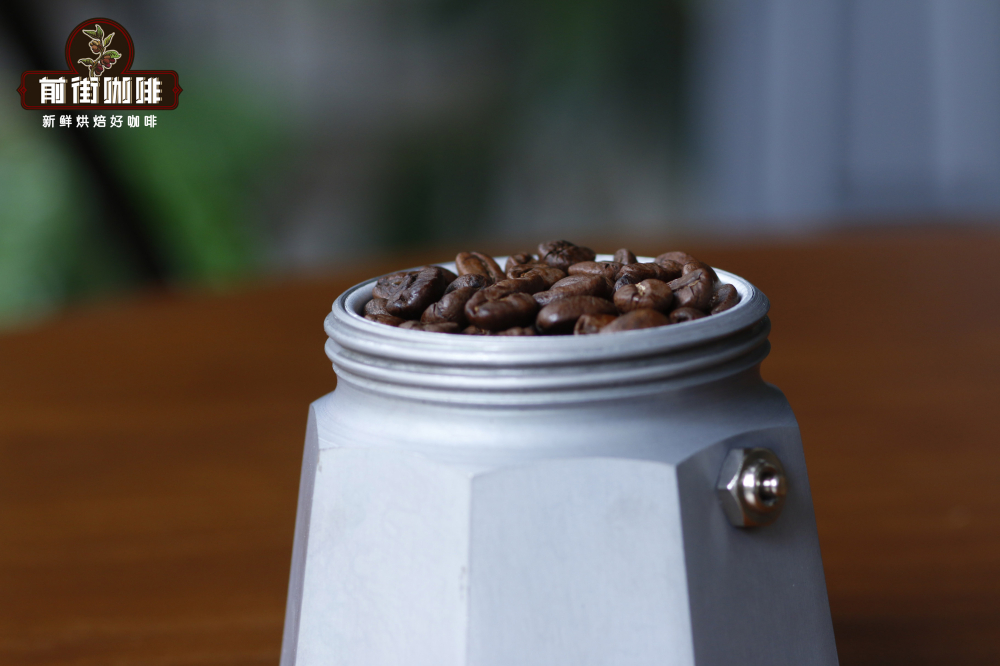
Before using the Moka Pot, it is recommended to choose medium to dark roasted coffee beans—such as espresso blends or medium to dark roasts from regions like Brazil or Indonesia—to better highlight the characteristics of Moka Pot extraction. The recommended grind size is EK-43s #3–3.5, about as fine as granulated sugar. Too fine a grind may cause clogging and excessive pressure, while too coarse a grind may lead to under-extraction and splattering.
Here are the steps to use it:
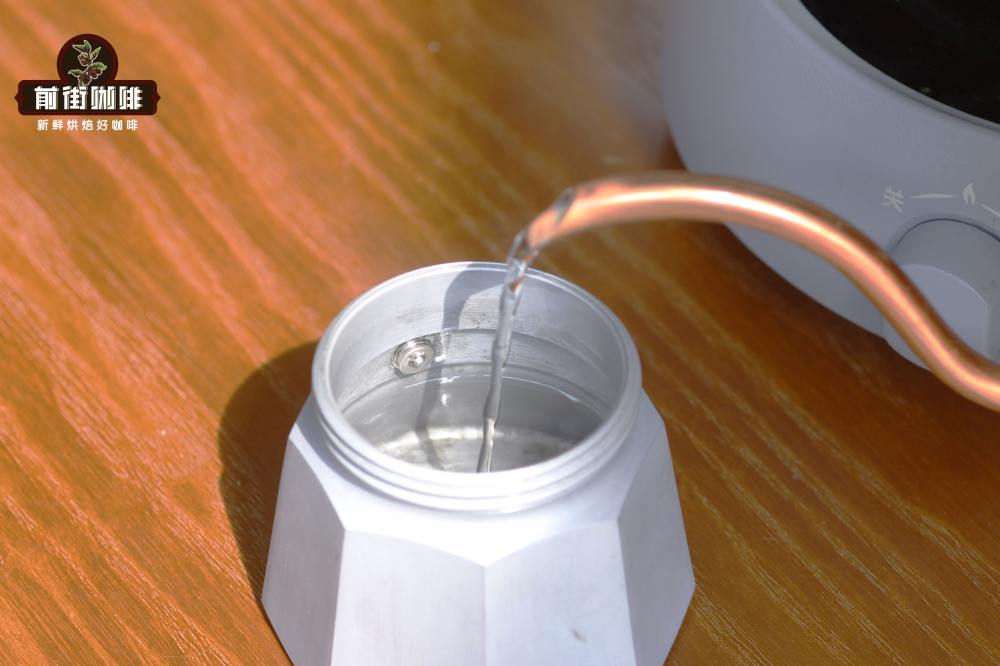
1. Fill the lower chamber with hot water up to about 0.5 cm below the safety valve. Using hot water helps reduce heating time.
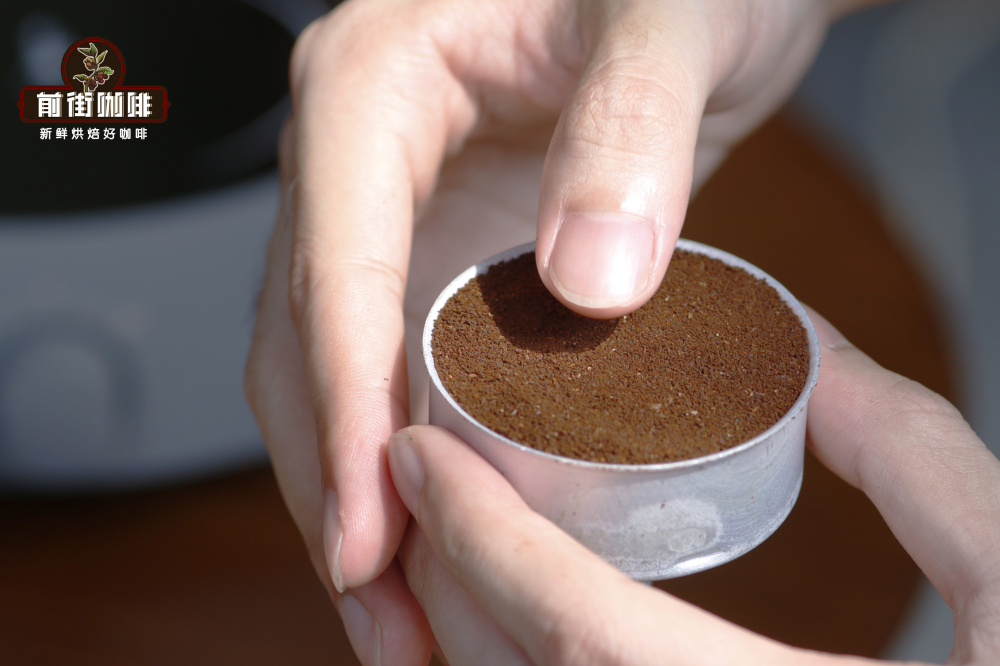
2. Add coffee grounds to the filter basket, gently level them without tamping, keeping the coffee bed even.
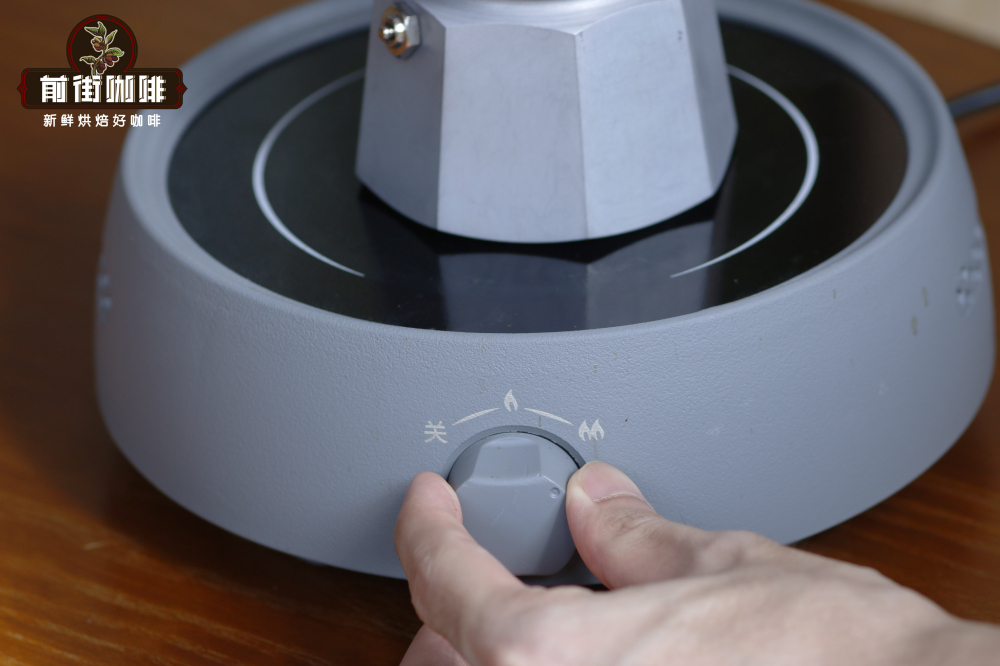
3. Assemble the upper and lower chambers, ensuring they are tightly screwed together, then place the Moka Pot on the heat source (such as a stove or hot plate) and begin heating.
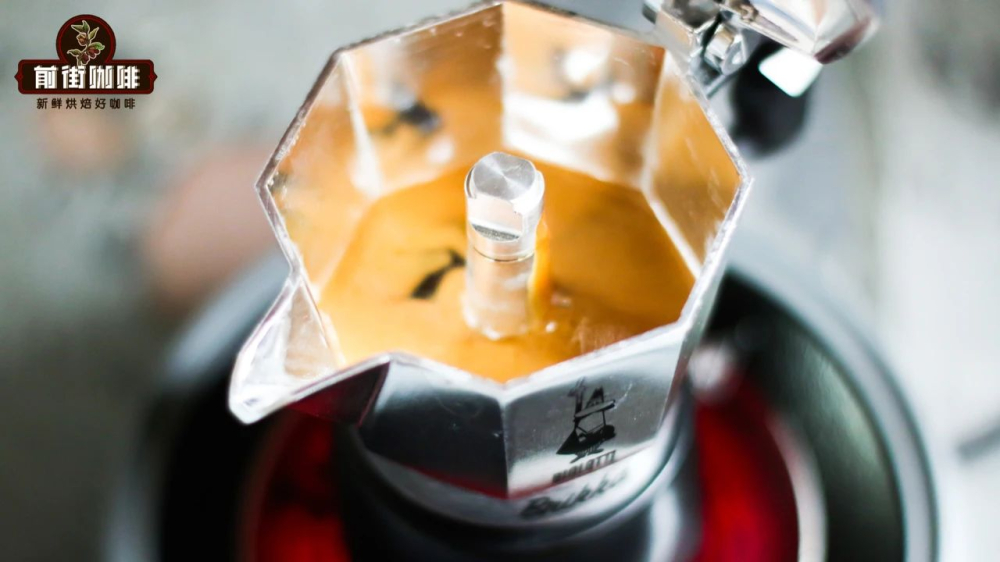
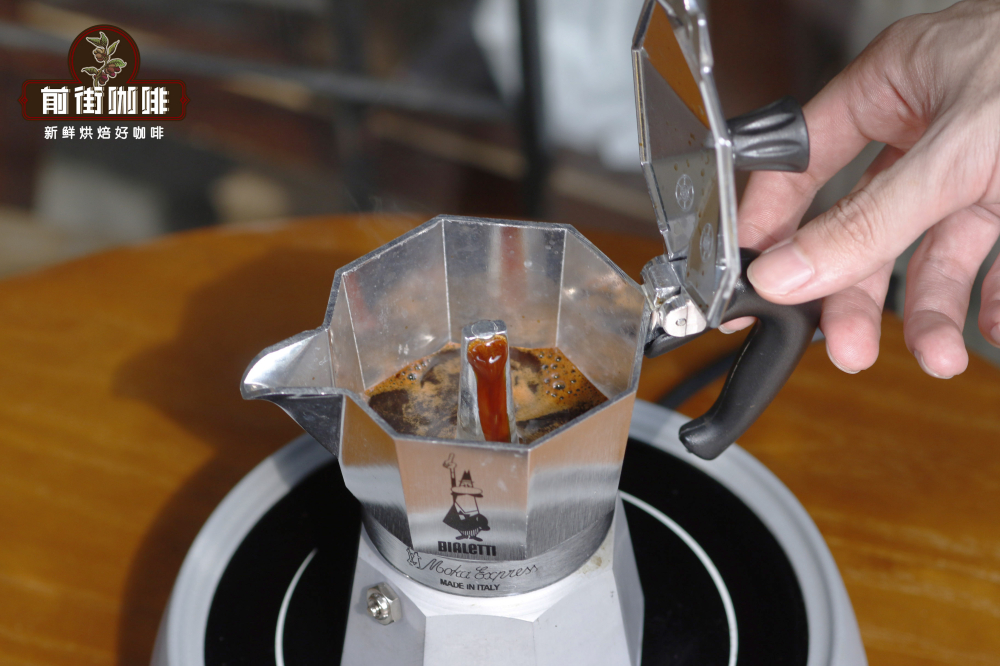
4. When you hear a distinct “wuuu” sound, reduce the heat and open the upper chamber lid—this indicates that the coffee is starting to flow.
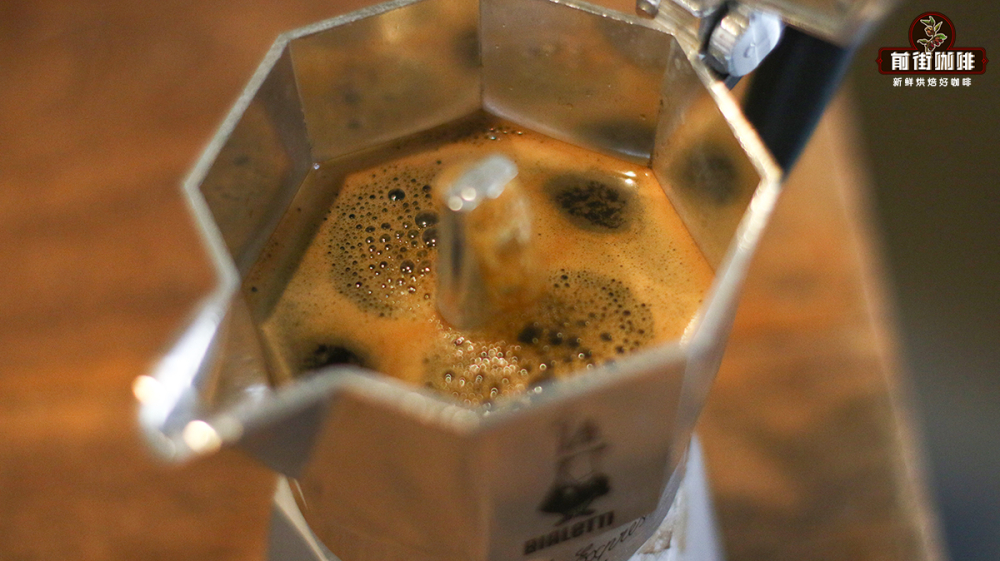
5. Once about half of the coffee has flowed out, turn off the heat and remove the Moka Pot from the heat source, allowing the residual heat to finish the extraction.

Who Is the Moka Pot For?
The Moka Pot is ideal for those who enjoy strong coffee flavors and want to quickly and easily make espresso-style coffee at home. It’s an excellent choice for coffee lovers who don’t own a professional espresso machine but still want to experience the charm of pressure brewing. Additionally, it suits users on a budget who still want to enjoy the hands-on pleasure of manual brewing.
The above content is compiled by CoffeeHunters, a coffee news website.


