







Category: Coffee Knowledge
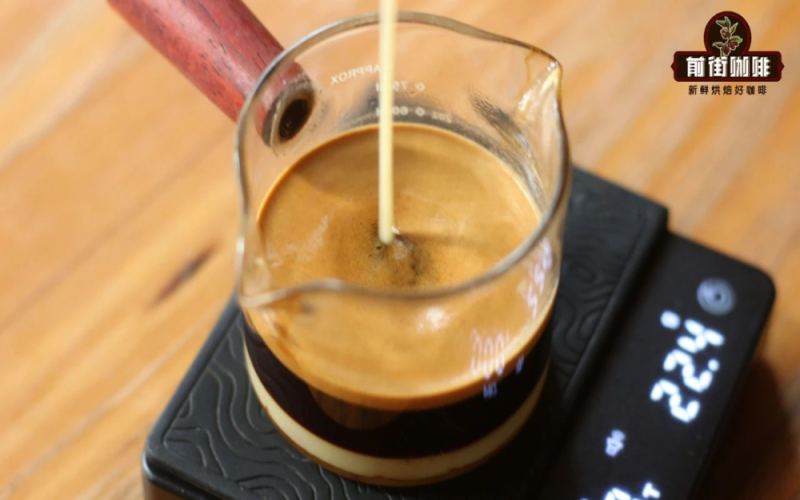
Complete Guide to Spanish Latte Recipes: From Café Bombón to Milk Coffee Flavor Analysis
Want to learn how to make a Spanish latte? From classic sweetened condensed milk coffee to the popular Café Bombón, all the way to the Spanish latte that’s a hit in modern cafés—this guide teaches you the key ratios and essential brewing tips. It not only breaks down the differences between hot and iced versions but also provides practical steps and flavor descriptions, making it easy to recreate this rich and silky specialty coffee at home. [more…]

How to Make a Delicious Iced Latte? A Complete Guide to Ratios, Extraction, and Shelf Life
Although an iced latte may seem simple, brewing one with balanced flavor and distinct layers involves quite a bit of know-how—from selecting the coffee beans and milk, to adjusting their ratios, and even the finer details in the preparation process. This article delves into the standard recipe reference for iced lattes, key factors that influence flavor, and answers the common question, “How long can an iced latte be stored?” Helping you master the techniques behind this classic beverage. [more…]

A Beginner’s Guide to Iced Latte: Coffee Bean Selection, Milk Ratio, and Ice Techniques
Although an iced latte may seem simple, there are actually quite a few key details that go into crafting one with a flavor close to that of a professional café. This guide will detail how to prepare a balanced, layered iced latte—from selecting ingredients, setting the ratio of milk to coffee, to practical tips during preparation. Whether you’re a beginner or a coffee enthusiast, you’ll find useful techniques and reference data here. [more…]
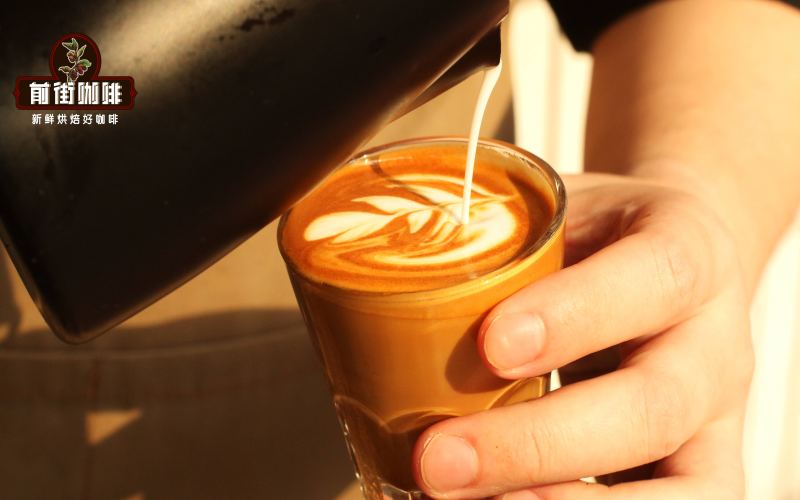
A Comprehensive Guide to Piccolo Coffee: Differences Between Piccolo, Latte, and Flat White, and Precise Extraction Parameters
The Piccolo Latte is a mini milk coffee originating from Australia. Although it belongs to the same category as the Flat White—featuring a small cup of concentrated espresso paired with milk—the Piccolo has an even smaller serving size and more intense flavors. This article will delve into the characteristics of the Piccolo, covering everything from cup size and recipe ratios to professional extraction and milk texturing parameters. It will also compare the key differences between the Piccolo, latte, and Flat White, helping you master the essence and brewing details of this "high-concentration essence" coffee. [more…]
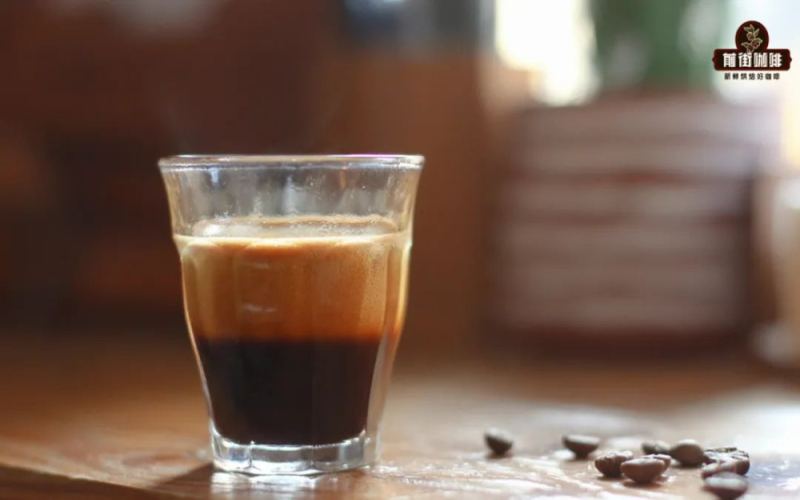
A Complete Guide to the Science and Techniques Behind Crema Formation in Espresso
The golden layer of foam on top of an espresso shot—Crema—not only affects its appearance but also serves as a key indicator of extraction quality. What exactly is Crema made of? How can you achieve rich and stable Crema by adjusting factors such as bean variety, roast level, machine pressure, and extraction ratio? This article delves into the science of Crema and provides practical extraction parameters and techniques to help you master the gold standard of espresso. [more…]
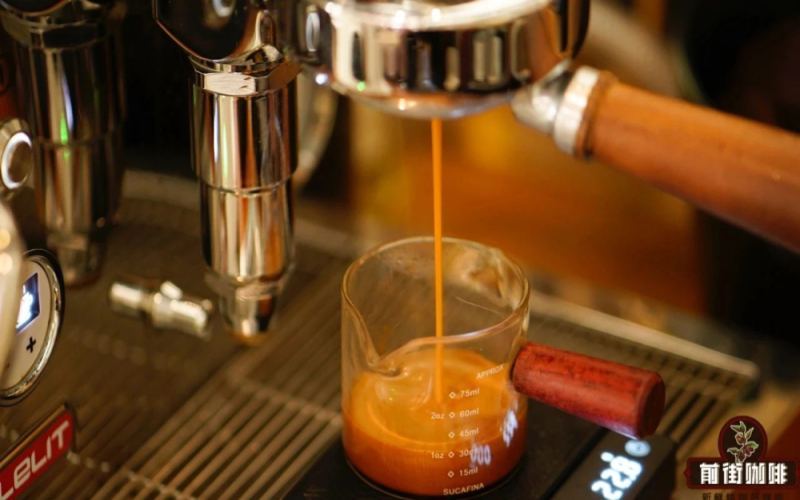
Is Your Espresso Crema Lacking? A Complete Guide to Causes and Extraction Improvement Tips
The golden crema atop your espresso isn’t just a visual delight—it also influences flavor and latte art performance. If your espresso has thin, pale, or even no crema at all, it could be due to issues with roast level, extraction parameters, or the freshness of the coffee beans. This article delves into the science behind crema formation, analyzes the common causes of crema abnormalities, and offers practical advice on bean selection, equipment, and parameter adjustments to help you consistently pull rich, well-colored crema. [more…]
Espresso Type Breakdown: Ristretto, Normale, Lungo — Parameters and Extraction Guide
Dive deep into the three main types of espresso — Ristretto, Normale, and Lungo — from their definitions, extraction parameters, to flavor differences. Master the unique characteristics of each type. This guide details key factors such as coffee-to-water ratio, extraction time, and water temperature to help coffee enthusiasts precisely control the quality of their espresso shots. Whether you’re making a latte, flat white, or americano, this knowledge will elevate your overall coffee experience. [more…]
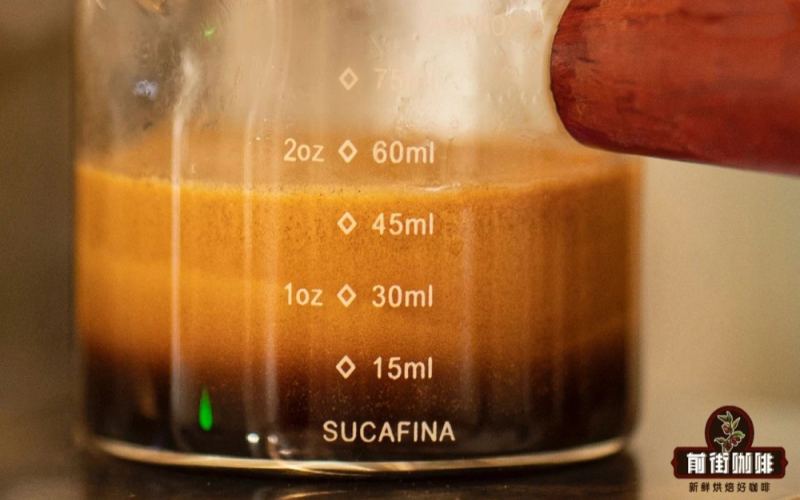
Espresso Crema Analysis | How the Amount of Crema Reflects Extraction Quality and Flavor
Many coffee enthusiasts often judge the flavor and quality of an espresso by the Crema (coffee foam) on its surface, believing that the more golden and fine the Crema, the better the coffee tastes. But can Crema really serve as an indicator of coffee quality? This article will delve into the principles and variations of Crema formation by examining key factors such as extraction pressure, coffee bean freshness, roast level, and grind size—helping you better understand the relationship between crema and coffee flavor. [more…]
Pour Over vs Espresso: A Comprehensive Analysis of Caffeine Differences and Blend Bean Suitability
An in-depth exploration of the fundamental differences between the two mainstream brewing methods—pour over and espresso—featuring professional comparisons from coffee bean types, brewing processes, to caffeine release principles. Provides scientific answers to the common question of whether espresso blends can be used for pour over, along with detailed parameter references and practical tips to help coffee enthusiasts choose the most suitable brewing method based on their needs. [more…]
Can blended coffee beans also be used for pour over? Analysis of suitable regions and flavor profiles for blends
Blended coffee beans are commonly used for espresso, but can they also produce vibrant flavors when brewed via pour over? This article delves into the fundamental differences between blends and single-origin coffee beans, analyzes how different roast levels and regional characteristics affect brewing methods, and provides practical examples to illustrate which regional beans can achieve better balance and complexity through blending—helping you find the right blend for pour over. [more…]
Espresso Blend Coffee Bean Selection and Extraction Guide: Freshness Judgment, Blending Logic, and Four Classic Recommendations
This article provides an in-depth analysis of the key factors in selecting espresso blend coffee beans, including how to judge bean freshness, the design principles behind blends, and their practical application scenarios. It also features four common and representative espresso blends, detailing their flavor profiles and suitable use cases. Additionally, it includes a complete espresso extraction process using the Sunflower Warmth Blend as an example, making it a useful reference for both baristas and coffee enthusiasts. [more…]
Clever Dripper vs V60: Flavor Differences and Beginner’s Guide to Brewing Ethiopian Yirgacheffe Sun-Dried Red Cherry
For coffee beginners, choosing an easy-to-use brewing device that also delivers great flavor is crucial. The Clever Dripper and V60 are two extremely popular pour over options, but they differ in design principles and extraction effects. This article takes Ethiopian Yirgacheffe Sun-Dried Red Cherry as an example, providing an in-depth analysis of the Clever Dripper’s structure and operation method, while comparing it with the extraction characteristics of the V60. It helps you identify the most suitable brewing method based on flavor performance and master practical brewing techniques. [more…]
Complete Guide to Brewing with the Clever Dripper: Extraction Parameters, Step-by-Step Instructions, and Milk Coffee Blending Tips
Find pour over coffee too complicated? The clever dripper is a great choice for easily enjoying the fun of extraction. Combining the functions of a French press and a filter dripper, it controls extraction and drainage through a bottom piston valve. Just follow four simple steps, and you can make a well-balanced cup of coffee in just four minutes. This article details the structure and principle of the clever dripper, recommends grind size and coffee-to-water ratio, optimal water temperature and steeping time, and also teaches you how to replace hot water with hot milk to quickly create a milk coffee—no complex techniques needed to brew something delicious. [more…]

How to Make an Ice Brew Dirty Coffee? Layering Principles, Milk Purification Techniques & Homemade Guide
Dirty coffee is beloved for its unique visual layering and layered flavor profile, and ice brew milk is the key element that contributes to its rich taste. This article delves into the origins of Dirty coffee, the evolution of ice brew milk processing, and the scientific principles behind their pairing. It also provides detailed steps for making ice brew milk at home and explains why this purified milk is better suited for Dirty coffee than other milk-based coffee drinks, helping coffee enthusiasts master the core techniques. [more…]
How to make a Dirty coffee? Layering principles, flavor analysis, and the secrets behind its popularity
With its unique combination of hot and cold textures and striking visual layering effects, the Dirty coffee has become an internet-famous beverage in the specialty coffee scene in recent years. But do you know how it evolved from a simple iced latte? This article delves into the preparation principles of the Dirty, explores its layered flavor characteristics, and traces its evolution from Japan and Hong Kong to Taiwan, helping you better understand this popular and creative espresso-based drink. [more…]
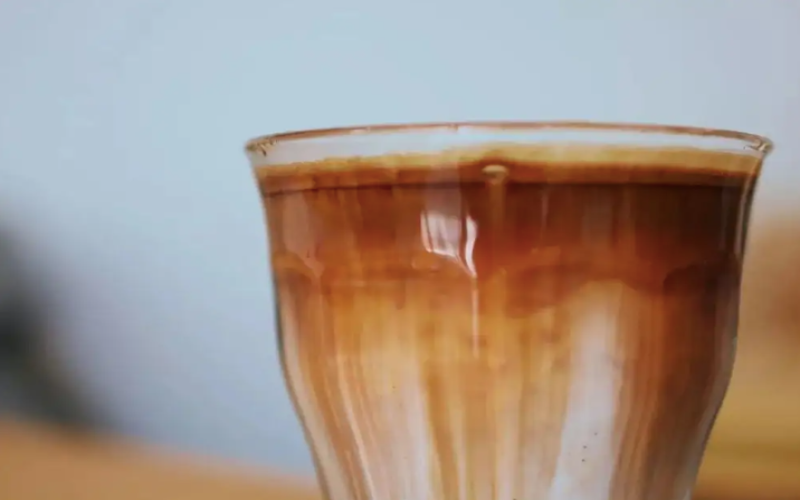
Dirty Coffee and Latte Layering Techniques: Unveiling Common Failures and Practical Home Methods
When making Dirty Coffee or lattes at home, do you often encounter issues such as unclear layering or coffee and milk quickly mixing together? This is often closely related to cup selection, pouring angle, coffee bean characteristics, and milk texture. This article delves into the common reasons for failed layering in Dirty Coffee, provides practical tips on cup type, pouring distance control, coffee concentration, and milk selection, and recommends suitable coffee bean types for home use—helping you easily recreate the professional-level coffee that is both visually appealing and flavorful. [more…]
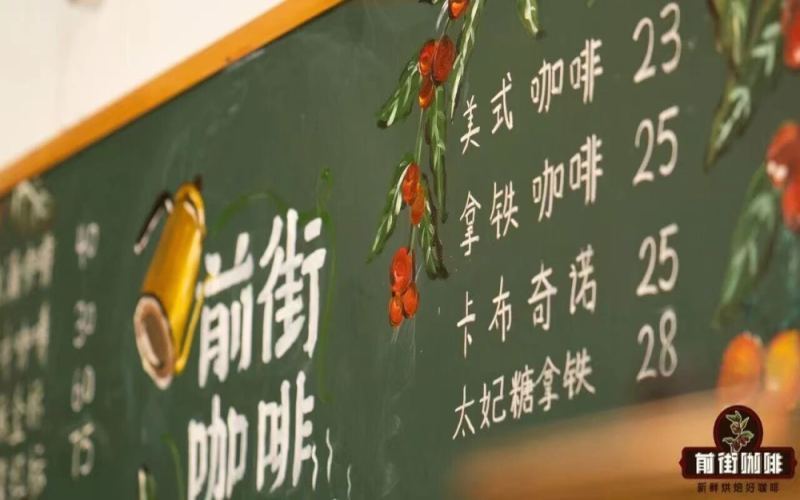
Dirty Coffee Making Secrets: The Key to Layered Flavors Lies in Coffee Bean and Milk Selection
Dirty Coffee, with its striking visual layers and the contrasting flavors of hot and cold, has become one of the most popular milk coffees in summer. However, replicating that stunning café-quality taste at home is no easy feat. This article will delve into the essential elements of Dirty Coffee, including how to choose the right coffee beans and milk, as well as mastering key extraction and assembly techniques to help you easily create a Dirty Coffee with long-lasting layers and a strong flavor contrast. [more…]
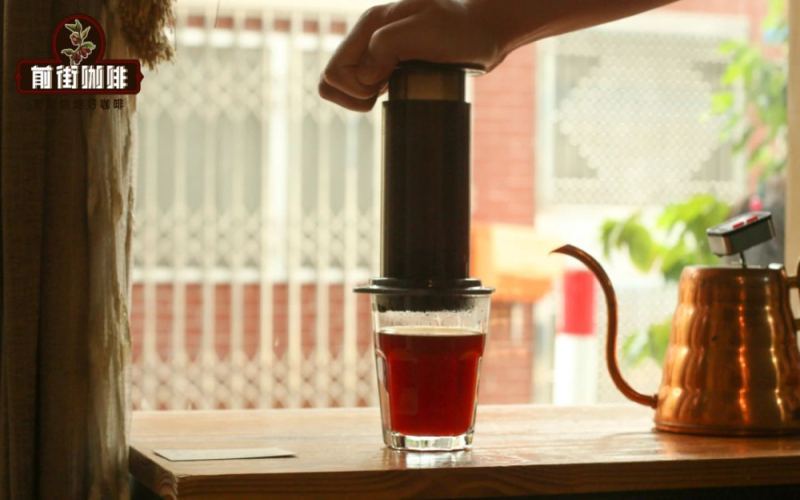
Complete Guide to Using the AeroPress: From Syringe Principle to Reverse Brewing—Even Coffee Beginners Can Master It
The AeroPress is a uniquely designed, easy-to-use coffee brewing device renowned for its fast extraction and versatile brewing methods. It has even inspired a global AeroPress Championship. This article delves into its design inspiration and operational logic, using classic Kenyan beans as an example to guide you step-by-step in mastering the reverse brew technique. Learn why it's hailed as the "syringe coffee" and discover its practical advantages and flavor potential. [more…]
How to choose between AeroPress positive and reverse brewing? Complete step-by-step guide and extraction techniques for 15g of coffee
The AeroPress is a manual coffee brewing device that combines immersion, filtration, and pressure extraction principles. It can deliver an espresso-like intense flavor or showcase a variety of taste profiles through technique adjustments. This article uses 15g of medium-dark roasted coffee grounds (with 85% passing through a #20 mesh sieve, at 90°C water temperature) as an example, providing a detailed breakdown of the complete steps, key parameters, and practical tips for both the popular positive and reverse brewing methods. This will help you find the most suitable extraction approach based on your preferences. [more…]
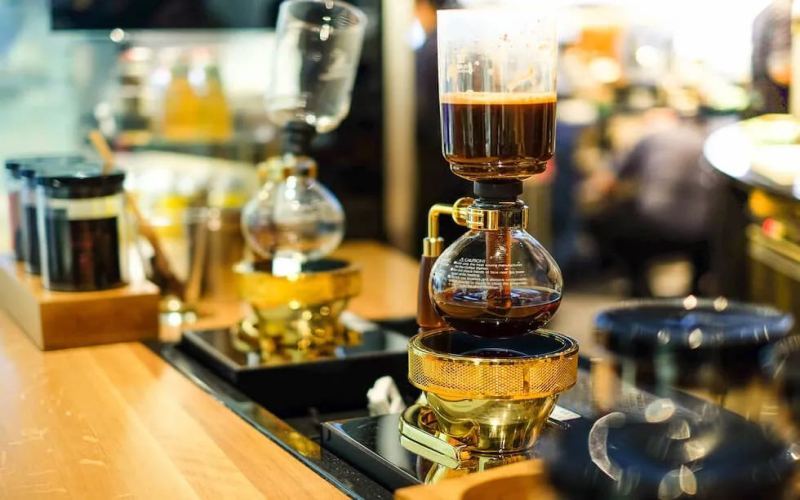
Complete Guide to Siphon Coffee: From Equipment Principles to Grind-to-Water Ratio and Flavor Extraction
With its unique structure and retro appearance, the siphon coffee maker has always maintained a mysterious charm among coffee enthusiasts. This article starts with the equipment structure and extraction principles, deeply analyzing key elements such as heating methods and filter material selection. Taking an example of 18 grams of coffee grounds with a 1:10 grind-to-water ratio and 88°C water temperature, it step-by-step demonstrates the brewing process. It also recommends types of coffee beans suitable for siphon extraction, helping you master the techniques for consistently producing rich and aromatic siphon coffee. [more…]