








Introduction:The AeroPress is a manual coffee brewing device that combines immersion, filtration, and pressure extraction principles. It can produce an espresso-like intense flavor and also showcase a variety of flavor profiles through adjustments in technique. This article uses 15 grams of medium-dark roasted coffee grounds (85% passing through a #20 mesh sieve, water temperature 90°C) as an example to detail the complete steps, key parameters, and practical tips for both the standard (upright) and inverted (reverse) brewing methods—the two most popular approaches—helping you find the most suitable extraction method based on your personal preferences.
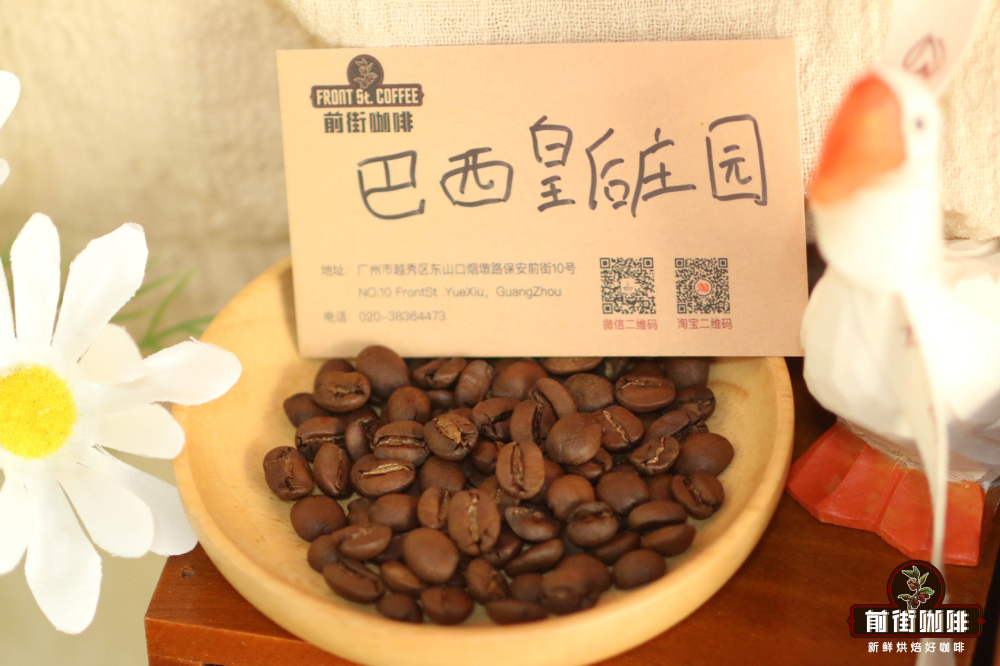
At first glance, the AeroPress looks like a large syringe, but it is actually a versatile manual coffee maker that blends elements of French press, pour over paper filtration, and espresso-style pressure extraction. It even has its own dedicated competition. Its basic structure consists of a cylindrical chamber, a filter cap, and a plunger cylinder, along with circular filter papers, a stirring paddle, and a funnel to complete the entire brewing process. Currently, the main brewing methods are divided into two categories: standard (upright) and inverted (reverse). The standard method is more intuitive and easier to understand, but may experience dripping issues during the pouring stage; the inverted method offers better stability but requires flipping the chamber. This article uses 15 grams of Brazilian Queen Estate coffee beans from a certain brand as an example. These beans are medium-dark roasted Yellow Bourbon variety, featuring a distinct roasted peanut aroma, rich body, and a nutty finish. The grind size is controlled at 85% passing through a #20 mesh sieve (close to powdered sugar fineness), and the water temperature is set at 90°C. We’ll guide you step-by-step through the specific processes and practical differences of the two brewing methods.
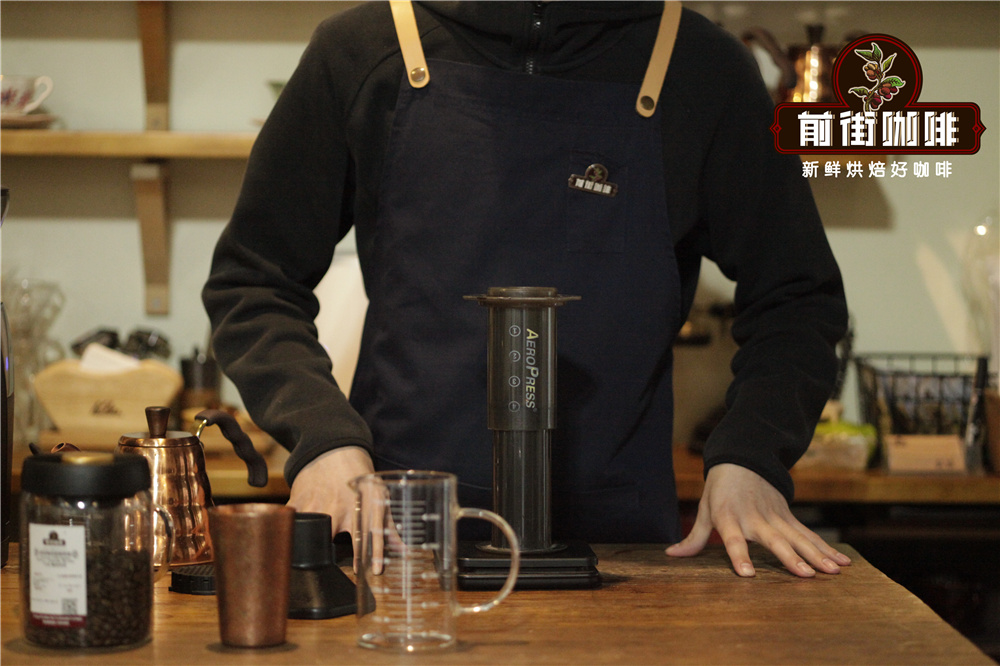
The design of the AeroPress draws inspiration from multiple extraction principles. It allows coffee grounds to be fully immersed in hot water and then uses the pressure created by pushing the piston to filter out a clean-tasting coffee through the paper filter. It offers high operational flexibility—whether you prefer a strong extraction or a lighter flavor profile, you can achieve it by adjusting grind size, water temperature, and brewing time. Next, we’ll break down the complete steps for both the standard and inverted methods, compare their pros and cons, and help you better understand how to choose the method that suits you best.
The standard operation is the most straightforward process: First, place the circular filter paper into the filter cap and lightly wet it with hot water to ensure it adheres tightly to the cap surface, preventing any paper taste in the final brew (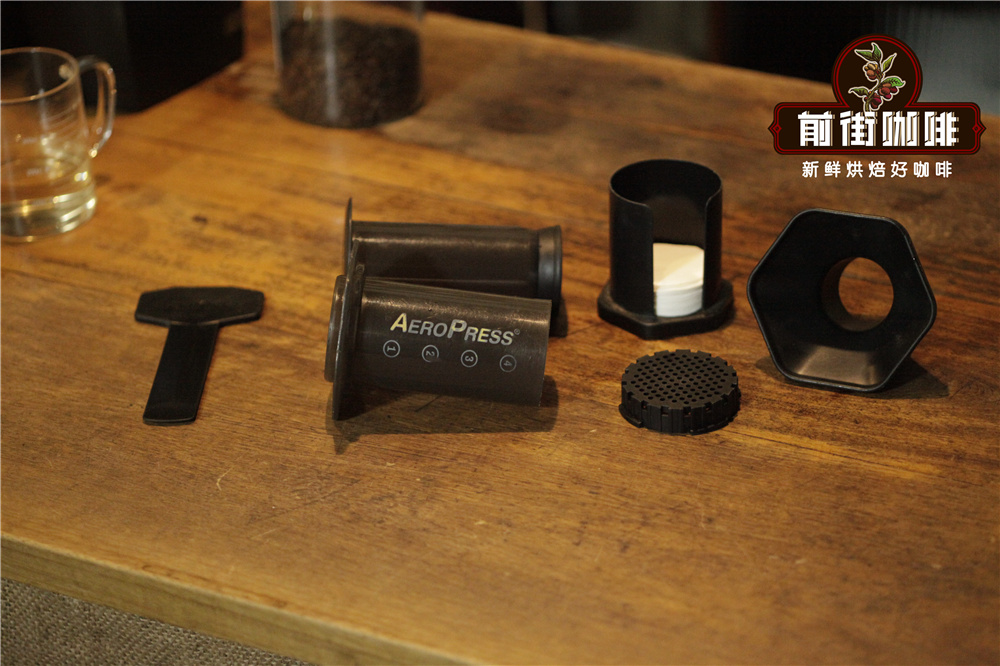
After completing the pouring and stirring, quickly attach the plunger cylinder—the standard process requires all steps to be done smoothly because any delay in forming a complete seal may cause the coffee to start dripping prematurely. Once the cylinder is attached, an airtight space is formed inside and dripping will immediately stop. Wait about 1 minute, then begin slowly pressing down the plunger to push the coffee through the filter under pressure. The total brewing time is best kept around 1 minute and 20 seconds (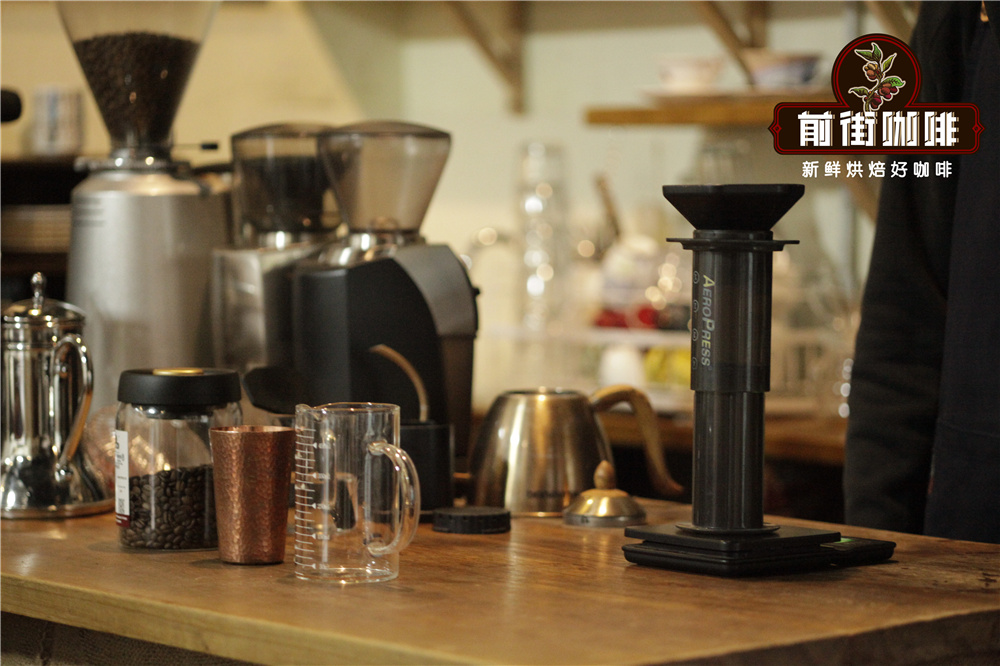
 ).
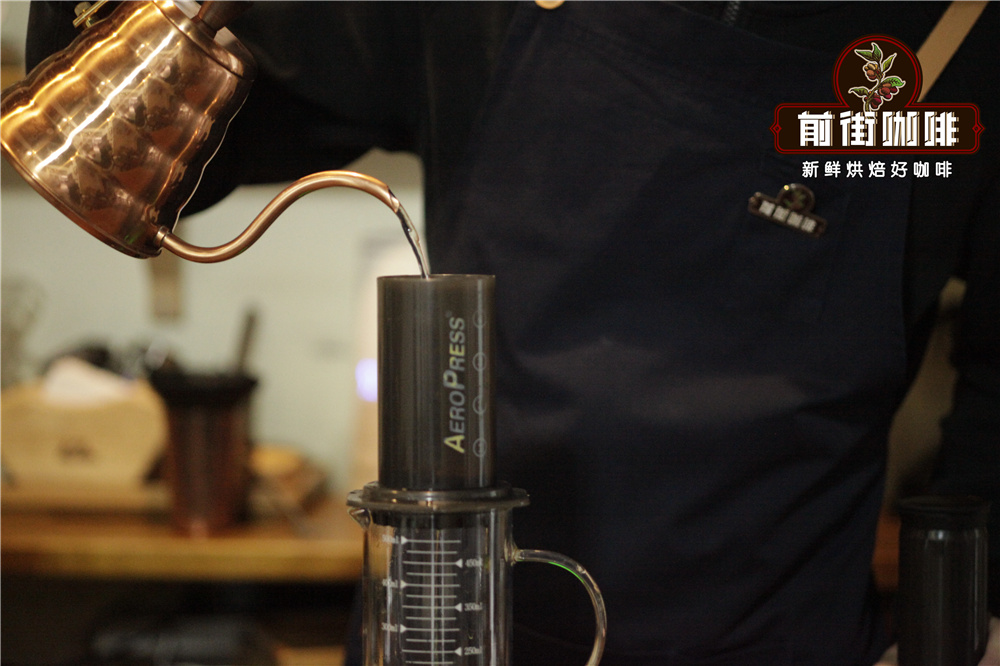
The inverted method requires first pushing the plunger cylinder to the ‘④’ mark and then assembling it with the main chamber, after which the entire unit is inverted and placed upside down on the table (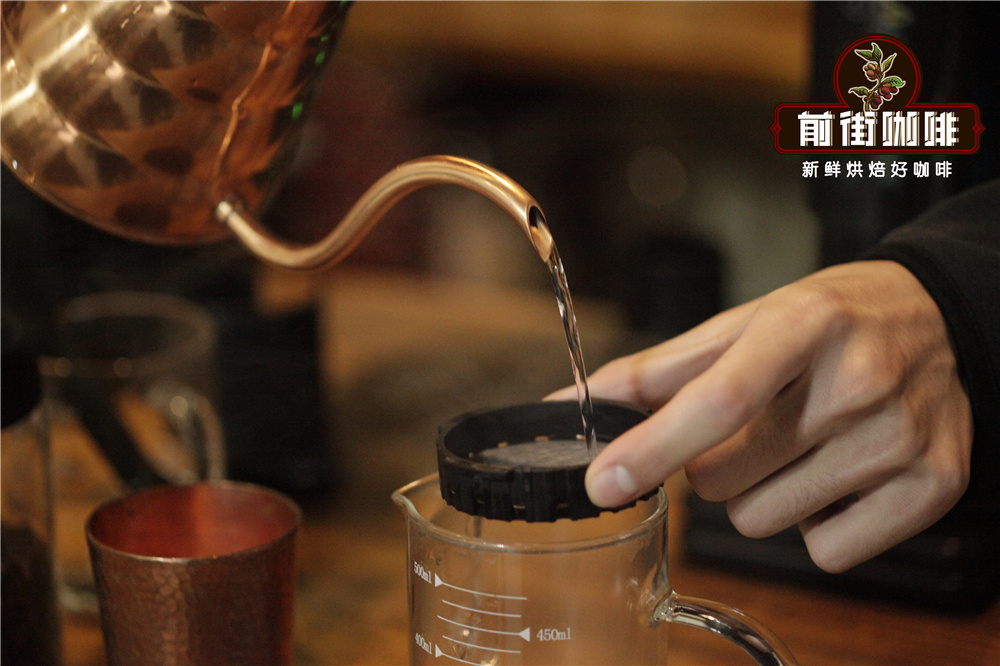
After stirring, quickly attach the filter cap and flip the chamber back to its normal upright position (it is recommended to perform this motion smoothly to avoid coffee spilling) (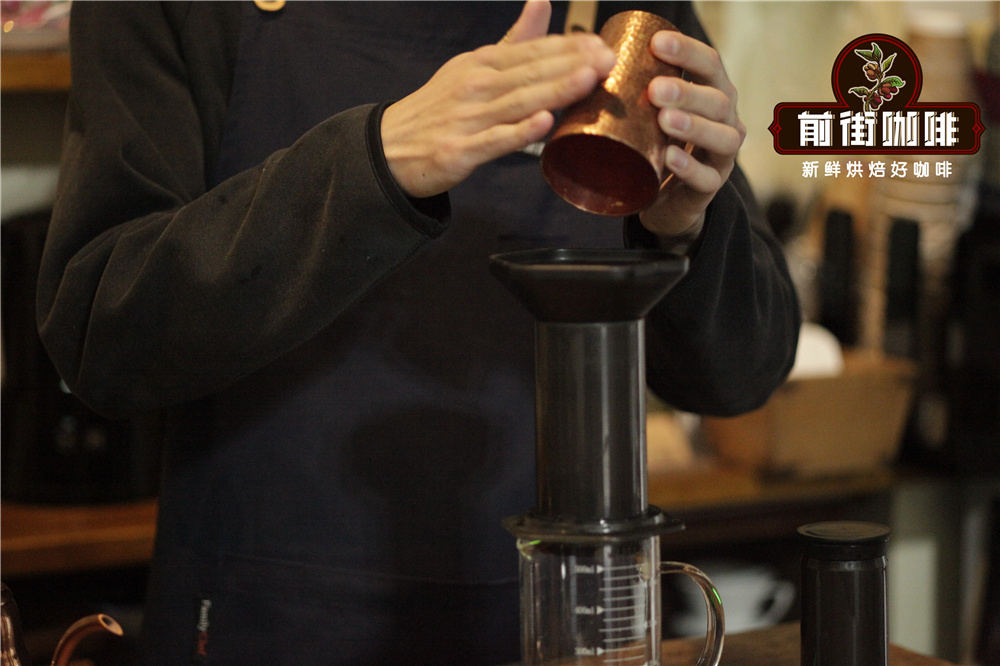
Based on practical experience, the inverted method does not require worrying about dripping during pouring and the overall structure is more stable after flipping, making it suitable for beginners or those who prefer a simpler process. The standard method, while more intuitive, requires precise control over the timing and rhythm of each step, making it slightly more challenging for beginners. Regardless of which method you choose, as long as you get the grind size, water temperature, and brewing time right, you can use the AeroPress to brew a hand-brewed coffee with rich flavor layers.
The above content is compiled by CoffeeHunters, a coffee news website.


