







Category: Coffee Knowledge

Comprehensive Guide to SOE Coffee: Characteristics of Single-Origin Espresso, Suitability for Pour Over, Bean Varieties & Flavor Selection
SOE (Single Origin Espresso) has become a buzzword in specialty coffee in recent years, yet many consumers still have only a vague understanding of the concept. This article delves into the origins of SOE, its differences from regular blends, analyzes its unique flavor characteristics, and explains in detail which coffee beans—by origin and processing method—are suitable for SOE espresso and pour over. It also offers practical advice on bean selection and roasting to help readers find the most suitable SOE experience based on their personal taste preferences. [more…]
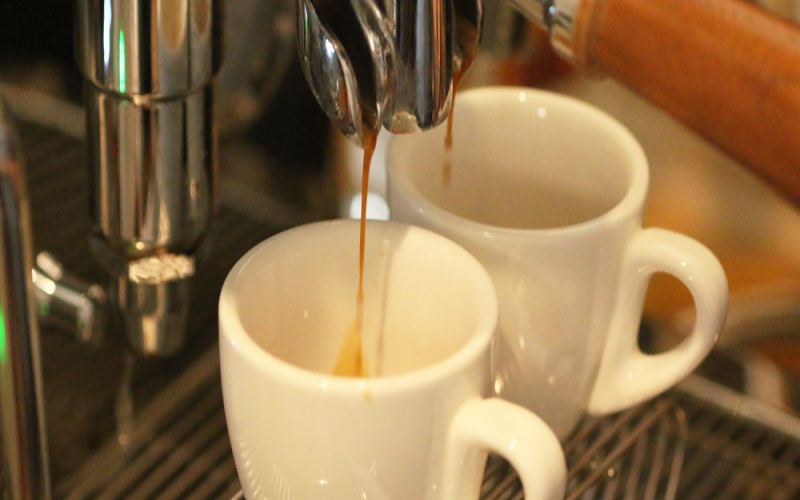
How to brew SOE single-origin espresso? Grind-to-water ratio and flavor analysis | Complete guide to Americano and espresso extraction parameters
Want to understand the unique flavors and precise brewing techniques of SOE single-origin espresso? This article provides an in-depth analysis of the definition, characteristics, and common flavor profiles of SOE (Single-Origin Espresso), along with practical extraction parameter recommendations—including water temperature, grind size, and grind-to-water ratio. Whether you prefer SOE Americanos or straight espresso, coffee enthusiasts can find useful tips to enhance flavor performance. [more…]
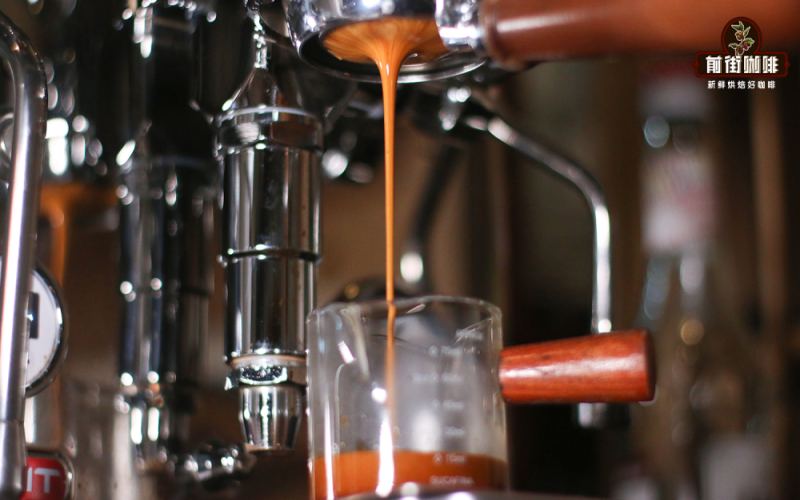
Comprehensive Guide to SOE Espresso: Single-Origin Beans vs. Blends, Introduction to Flavor and Extraction Settings
SOE (Single-Origin Espresso) has become a hot topic in the specialty coffee scene in recent years. So what exactly is the difference between it and the common espresso blends? Does it offer more distinctive flavors? This article takes an in-depth look at the definition of SOE, suitable types of coffee beans, key points in roasting and extraction, and analyzes how it differs from regular espresso — helping you better understand how to choose and brew a cup of espresso with distinct flavors. [more…]

Analysis of the Origins and Flavors of Americano | Differences in Black Coffee Taste, Best Timing for Iced Americano for Weight Loss, and Recommended Bean Varieties
Americano is often mistakenly thought to be the same as black coffee, but it is actually made by diluting espresso with hot water, making it a type of black coffee. This article delves into the historical origins, preparation principles, and common flavor characteristics of Americano. It also analyzes the optimal timing for drinking iced Americano and recommends several suitable bean varieties for making Americano, including both blends and single origins, to help readers fully grasp the essence of this classic beverage. [more…]
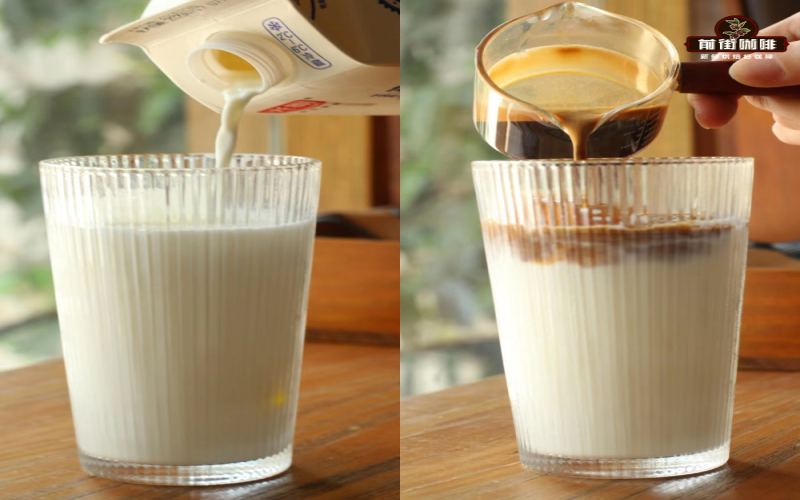
Complete Guide to Making SOE Latte: Extraction Techniques, Ratios & Flavor Analysis | Beginner's Guide to Coffee
In recent years, the SOE latte has become a favorite among specialty coffee enthusiasts. But crafting a cup that balances the unique character of the coffee with the creamy richness of milk is actually quite an art. This article delves into the differences between SOE coffee beans and blends, the key parameters for espresso extraction, and provides a detailed breakdown of the ideal coffee-to-milk ratio. It also walks you through the steps for home brewing and common mistakes to avoid, helping you easily recreate café-quality SOE lattes at home. [more…]

Mixue Ice Cream & Tea dips its toes into the breakfast market: Coffee pairings and the foodservice return strategy behind ¥5 dairy products
Mixue Ice Cream & Tea has recently signaled its interest in launching breakfast products through questionnaires and its mini-program, sparking discussion with its dairy-based drinks averaging around ¥5. In addition to analyzing pricing strategies and product lines, this article also explores the brand’s development trajectory—from a cold drink stall to a chain store—and the potential impact of its breakfast market expansion on existing outlets. Ideal for readers interested in affordable dining trends and coffee pairings, it delves into the strategic intentions behind Snow King’s move. [more…]

Hangzhou Luckin queue-jumping dispute sparks online uproar: A record of employees seeking justice by calling the police
Recently, an incident occurred at a Luckin Coffee outlet in Hangzhou where a customer cursed at staff after being denied their request to cut the queue. Surveillance footage of the entire event was later released, quickly triggering widespread public discussion. In the face of an emotionally out-of-control customer, two employees demonstrated professionalism and restraint, ultimately choosing to call the police. This article provides an in-depth analysis of the incident, explores reasonable responses that service industry workers can take when faced with improper treatment, and offers practical advice for professionals dealing with similar situations. [more…]
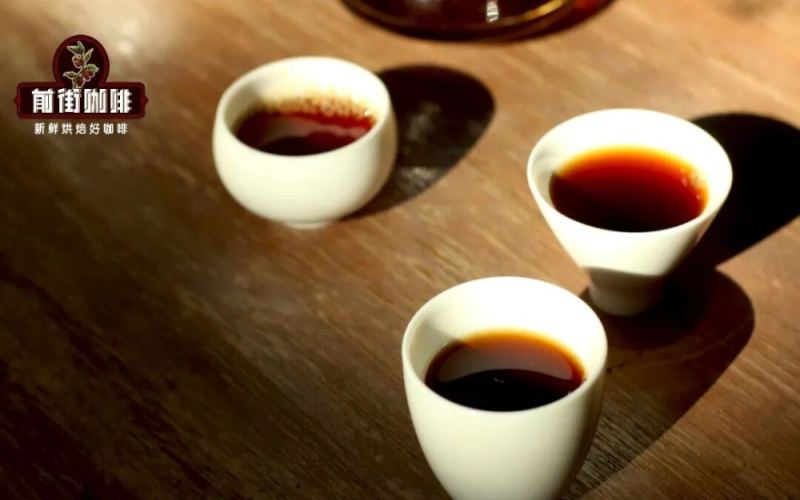
The Truth Behind Coffee Bean Prices: How Varieties, Origins, and Rarity Determine Value?
Have you ever wondered why some coffee beans are sold at high prices, yet may not necessarily suit your personal taste? In reality, coffee pricing involves multiple factors such as bean variety characteristics, green bean grading, and regional production volume. Understanding these key elements can help you choose the right coffee for you more wisely, rather than simply being led by the price. This article will delve into the logic behind coffee pricing and guide you to discover truly worthwhile beans to try. [more…]
The Complete Guide to Coffee Tasting for Beginners: 5 Steps to Judge Specialty Coffee from Aroma to Aftertaste
Many beginners in specialty coffee often face a common challenge: they can't detect the flavors labeled on the packaging, and begin to doubt their own tasting abilities. This article will help you move beyond the misconception that tasting is only about “naming flavors.” We’ll guide you through a systematic and practical coffee tasting framework based on five key aspects—aroma, overall impression, mouthfeel, taste, and aftertaste—to help you more accurately assess the quality of a cup of coffee and understand why you might not be tasting those listed flavors. [more…]
How to Make SOE Coffee? A Complete Guide to Adjusting Acidity and Extraction Techniques for Light-Roast SOE Espresso
SOE (Single Origin Espresso) has become a popular choice in specialty coffee in recent years, but many people still have questions about its acidity and brewing methods. This article delves into what SOE is, why light-roast SOE often tends to taste overly bright or sour, and provides practical suggestions on grind size, brew ratio, and extraction time. It helps you start from the basic formula and gradually optimize your SOE espresso to achieve a balanced cup with distinct flavors. [more…]
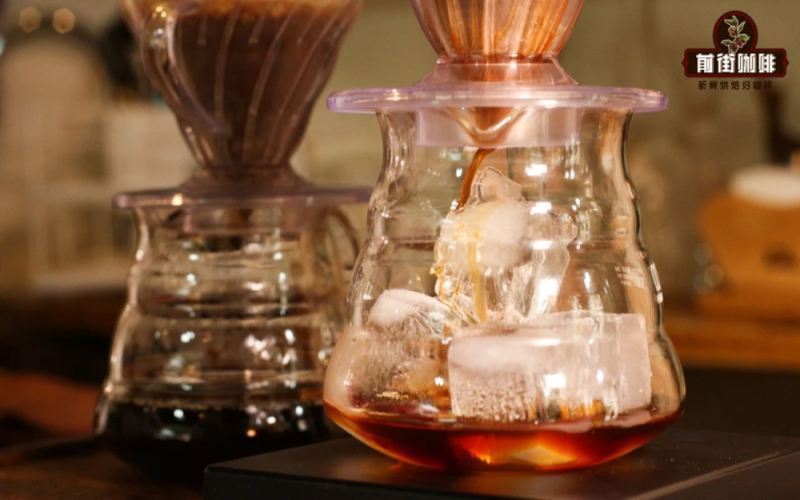
Analysis of Flavor Differences in Iced Pour Over Coffee: Practical Testing of 15g Coffee Grounds Ratio and Ice Addition Timing
Iced pour over coffee is beloved for its refreshing taste and vibrant flavors, but small operational details often affect the final outcome. This experiment uses a base of 15g of coffee grounds and a 1:10 coffee-to-water ratio to explore how adding ice before or after brewing impacts extraction flavor, aroma complexity, and the refreshing quality of the mouthfeel. Using Ethiopian Yirgacheffe washed beans as an example, it provides practical parameters and sensory analysis to help you master more precise iced pour over techniques. [more…]
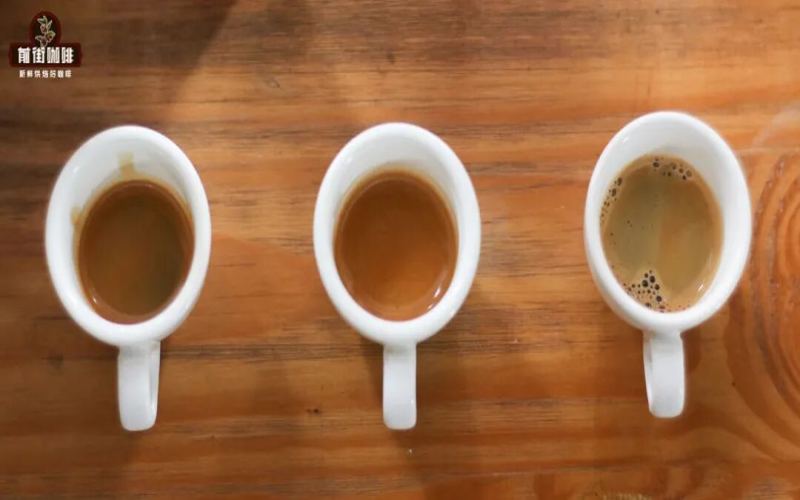
The Complete Guide to Brewing SOE Espresso | Parameter Adjustments & Flavor Balance Techniques
When switching from dark-roast blends to SOE coffee beans, many coffee enthusiasts often encounter extraction difficulties. This article provides a detailed breakdown on how to adjust grind size, coffee-to-water ratio, and extraction time tailored to the characteristics of light-roasted single-origin beans, addressing common issues such as overly sharp acidity, burnt bitterness, or insufficient crema. With practical parameter suggestions and adjustment steps, it helps you brew a balanced and flavor-distinctive SOE espresso. [more…]
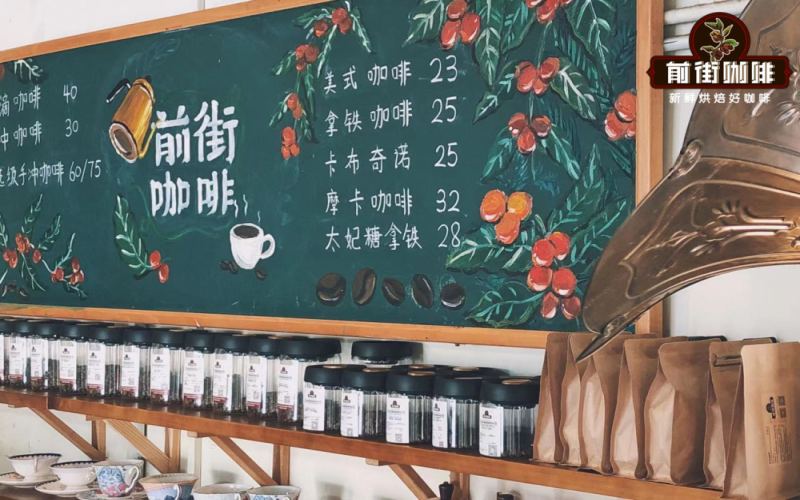
A Comprehensive Guide to Italian Milk Coffees: Understanding the Ratios, Flavors, and History of Latte, Cappuccino, and Flat White
Latte, cappuccino, and flat white are the three most common milk-based coffees in cafés, but do you really know how to tell them apart? This article provides a detailed explanation of the origins, ingredient ratios, milk foam thickness, and flavor profiles of these three classic coffees, helping you make the best choice based on your taste preferences. It also clears up common misconceptions, so you can order with more confidence next time. [more…]
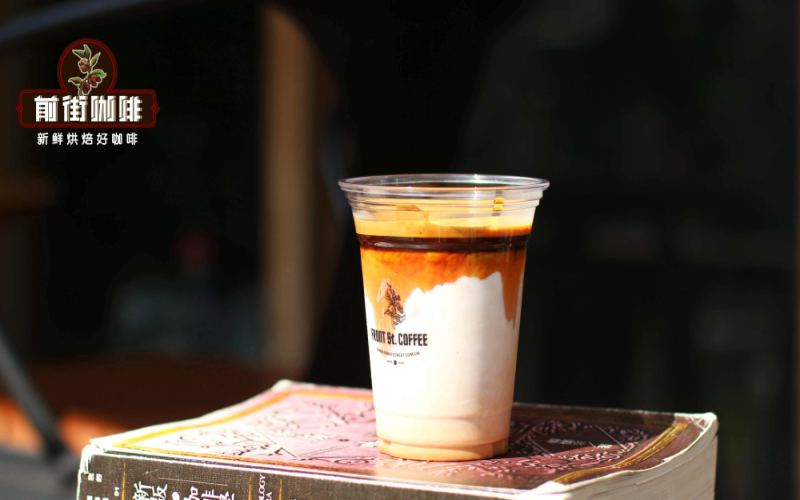
Latte Ratio and Method Explained | How to Distinguish Cappuccino and Mocha? How to Pair Espresso with Milk?
Latte is an entry-level coffee drink for many people, but when making it at home, issues such as off-flavors, unstable milk foam, and imbalanced ratios often arise. This article delves into the differences between latte, cappuccino, and mocha, introduces the golden ratio of espresso to milk, and offers practical brewing suggestions based on different roast levels and hot or cold drink preferences, helping you easily master professional-grade latte preparation. [more…]
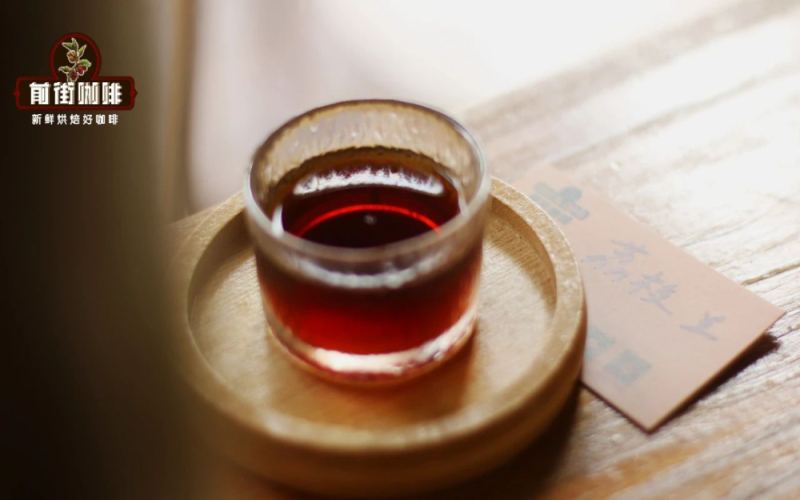
Does the same coffee bean taste vastly different as pour over vs Americano? A complete breakdown from extraction to flavor
How much difference can the brewing method make when using the same coffee beans — pour over versus Americano? This article delves into the fundamental differences in extraction principles and parameter settings between the two methods. Taking a popular Ethiopian Hua Kui coffee bean as an example, we conduct practical tests on flavor profiles under different brewing approaches. We also adjust the dilution ratio of the Americano to find the most balanced and smooth drinking solution, helping you understand how brewing methods influence the final taste. [more…]

A Comprehensive Guide to Latte Coffee: Origins, Differences Between Hot and Iced, and Recommended Bean Varieties
As one of the most popular espresso-based drinks, the latte not only has a high milk ratio but also presents distinctly different flavors depending on whether it is served hot or iced. This article will delve into the historical origins of the latte, compare the taste differences between iced and hot lattes, and explain in detail the correct brewing ratios and techniques. Additionally, we will recommend several suitable espresso blends for making lattes, helping you find the perfect match based on your personal taste preferences. [more…]
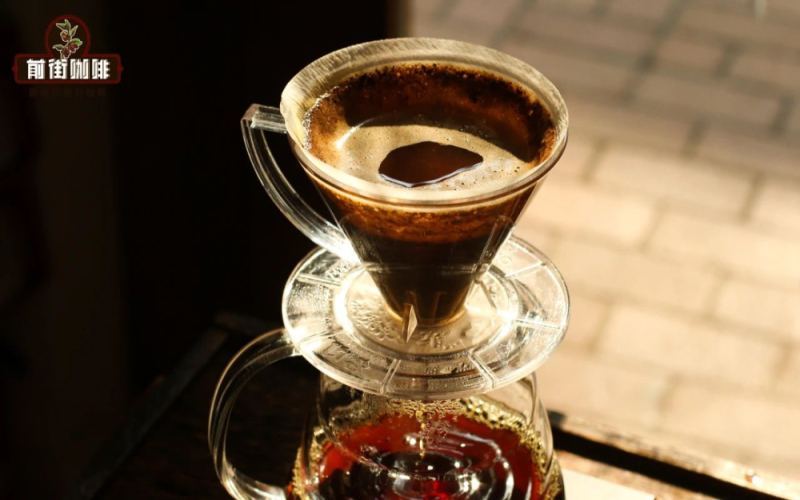
How to Adjust the Coffee-to-Water Ratio for Pour Over? A Complete Guide to Three-Stage Pouring Techniques and Beginner Hands-On Practice
The flavor performance of pour over coffee hinges on precise control of the coffee-to-water ratio and pouring method. This article delves into the scientific definition and calculation logic of coffee-to-water ratios, explores the core principles of staged pouring, and provides a universal three-stage solution suitable for beginners: 15 grams of coffee grounds with a 1:15 ratio, totaling 225 milliliters of water, poured in three stages of 30, 95, and 100 milliliters. It also includes recommendations on equipment selection, coffee bean varieties, water temperature, grind size, as well as a full step-by-step operation guide. [more…]
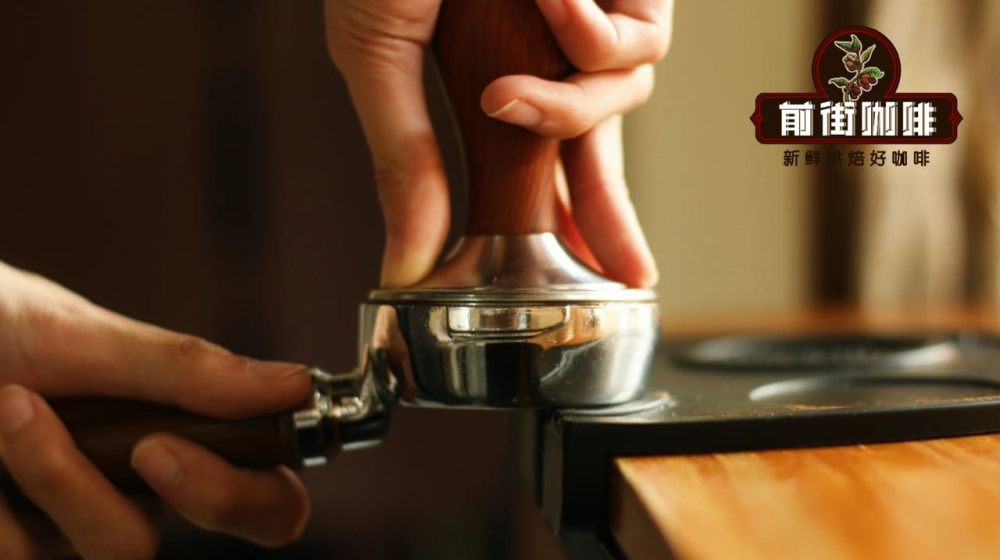
Complete Guide to Making Italian Latte | Coffee Bean Selection & Milk Ratio Flavor Analysis
Want to learn how to make a classic Italian Latte? This article provides an in-depth analysis of the latte’s origins, coffee bean selection techniques, milk ratios and extraction parameters, guiding you step-by-step from the base espresso to latte art pouring — helping you master this world-renowned milk coffee. Whether you're a beginner or a coffee enthusiast, you’ll gain practical tips and inspiration for customization. [more…]
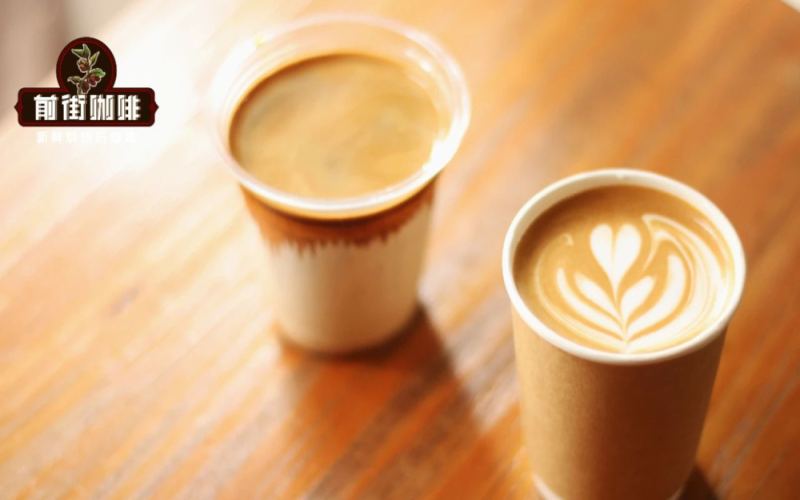
Espresso Latte Milk Foam Temperature Guide | Essential Skills for Beginners: Latte Art & Stable Hot Drinks
To make a hot latte with smooth texture, delicate milk foam, and beautiful latte art, controlling the milk foam temperature is key. This article dives deep into the ideal heating range for milk foam in espresso drinks—from the scientific basis of 55°C to 65°C, to common issues with flavor and texture changes when exceeding 70°C. It helps coffee beginners master steam wand handling and temperature judgment skills, improving consistency and flavor in every cup. [more…]
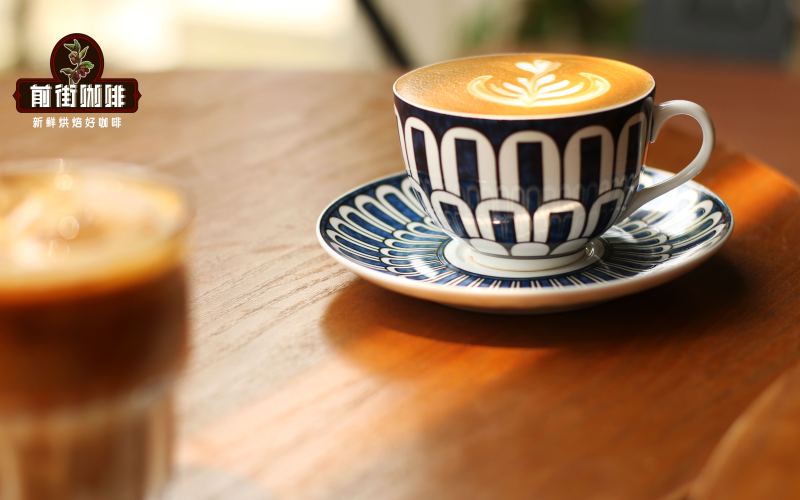
Complete Guide to Making Latte Coffee at Home | The Origin of Latte, Espresso-to-Milk Ratio, and Latte Art
Want to make café-quality latte coffee at home? This article provides an in-depth look at the history and origin of the latte, exploring whether it truly originated in Italy. It also details the ideal ratio of espresso to milk in traditional recipes and shares easy-to-follow brewing and latte art techniques you can use at home — including the preparation process for both hot and iced lattes. It even introduces you to the characteristics and differences of the popular Dirty coffee trend in recent years, helping you master everything from the basics to the advanced in one go. [more…]