







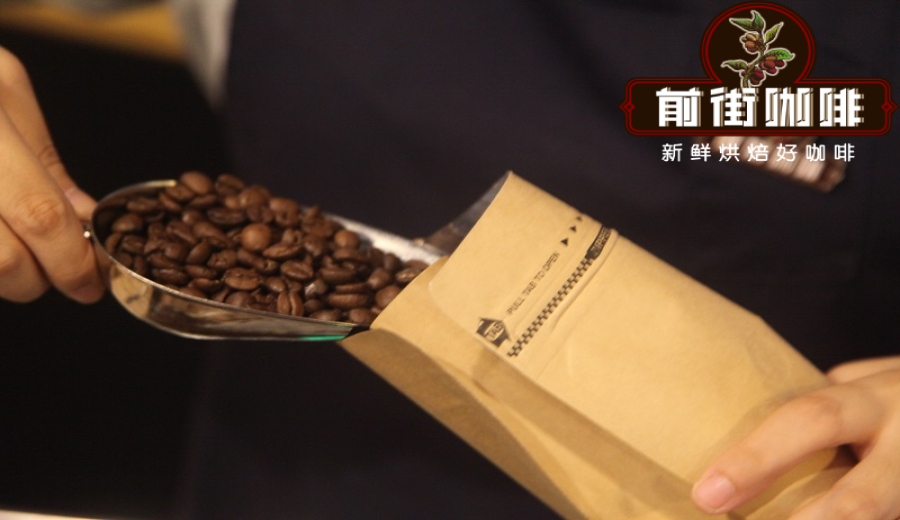
Introduction:This article delves into the key factors in selecting Italian-style blended coffee beans, including how to assess bean freshness, the design principles behind blends, and practical application scenarios. It also highlights four common and representative Italian-style blends, detailing their flavor profiles and suitable usage contexts, along with a complete espresso extraction process using the Sunflower Sunshine Blend as an example—ideal for both baristas and amateur enthusiasts.
Among the many Italian coffee beans, there is indeed a method to identifying truly high-quality and fresh products. Especially for blended beans, in addition to considering flavor complexity, it's essential to grasp the roast date, storage methods, and blending logic to achieve the desired taste and aroma. This article will systematically introduce the evaluation criteria for Italian blends, explain the basic principles of blending, and further recommend four common and representative blend recipes on the market, enabling readers to make more precise choices based on their needs.
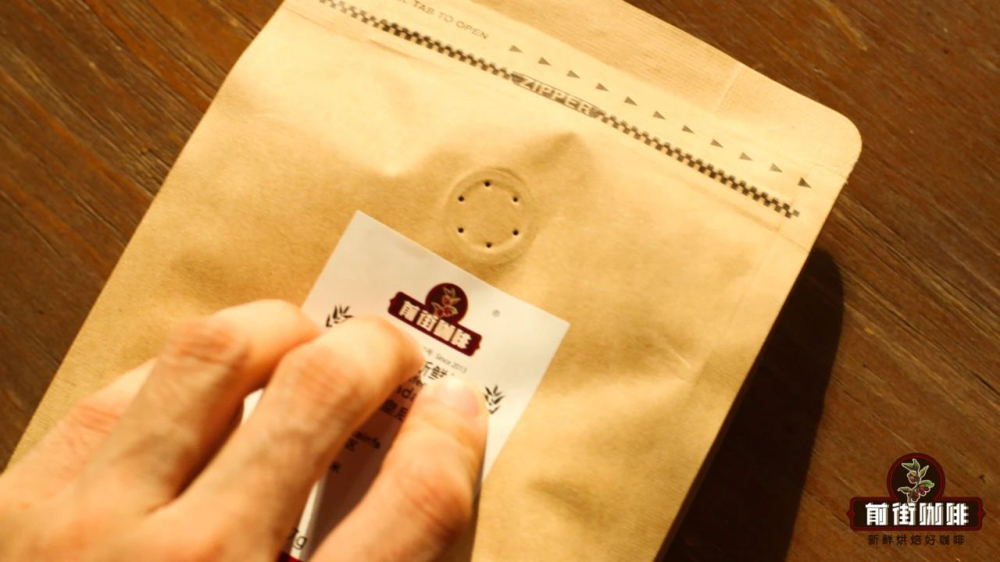
The foremost concern is undoubtedly the freshness of the coffee beans. When purchasing, it’s recommended to first check whether the packaging clearly indicates the roast date, rather than just the expiration or best-before date. Additionally, choosing beans from reputable, freshly roasted specialty roasters is crucial. Most high-quality coffee packaging is equipped with a “one-way valve,” a small round hole located on the top of the bag that allows the carbon dioxide released by the beans after roasting to escape naturally while preventing oxygen from entering and causing oxidation.
One simple way to judge freshness is to gently squeeze the coffee bag and bring your nose close to the one-way valve to deeply sniff the emitted aroma. If you detect a rich and pleasant coffee fragrance, it usually means the beans are still in optimal condition; conversely, if the smell is bland or even carries rancid off-notes, it suggests the beans may have oxidized and deteriorated, making them unsuitable for purchase. It’s worth noting that about 50 days after roasting, the aroma and flavor compounds of coffee beans will significantly diminish. However, using them too early is also not ideal, as the internal aromas are not yet fully stabilized within the first two days post-roast.
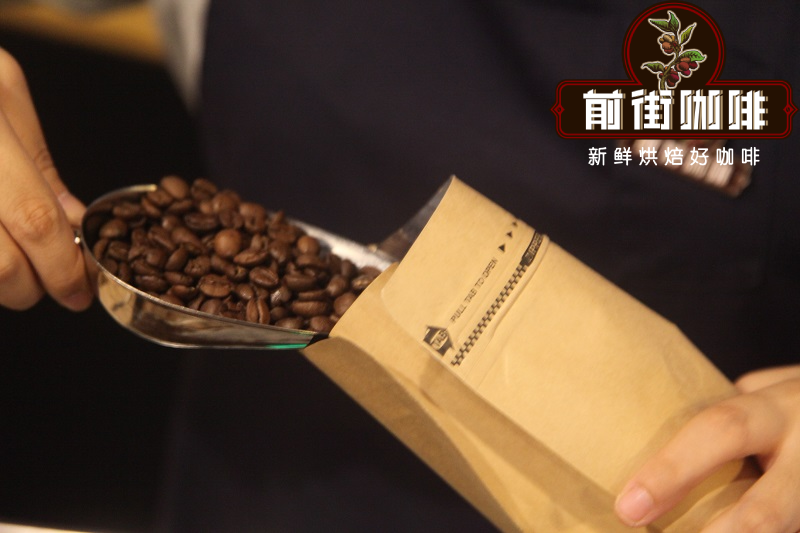
For medium to dark roasted beans commonly used for espresso, which produce a large amount of carbon dioxide during roasting, it’s recommended to keep the whole bag of beans sealed after purchase and let them sit in a cool, dry place to naturally release CO₂—a process known as “degassing.” Typically, it’s advised to start grinding and extracting from the 7th day after the roast date to achieve the best flavor performance.
So, what are blended coffee beans? Simply put, blending involves combining coffee beans from different origins with distinct flavor characteristics in specific proportions to achieve complementary and balanced flavors. This method can enhance certain strengths while masking individual flaws, thereby creating a rich and stable taste profile. There are two main blending methods: one where beans are mixed at the green bean stage and then roasted together, called “pre-blend” or “green blend”; the other involves roasting beans from each origin separately before blending, known as “post-blend.”
Regardless of the method chosen, the key lies in understanding the unique characteristics of beans from each origin. Due to differences in origin, beans will vary in acidity, sweetness, body, aroma, and bitterness. Roasters must adjust the roasting profile based on these traits to achieve the desired combined flavor post-blending. Single-origin beans typically emphasize the characteristics of a single region, whereas blends aim for overall balance and consistency—especially important in commercial applications.
Blending designs are generally driven by several purposes: First is “flavor stability.” Since crops vary yearly due to climate, soil, and other factors, single-origin beans may differ in flavor from year to year. Blending helps maintain consistency in annual offerings. Second is “taste balance.” The high-pressure extraction of espresso machines amplifies individual flavor characteristics. Using a single variety can easily result in excessive bitterness or sharp acidity, but blends effectively harmonize these extremes, delivering a smoother and more rounded overall experience.
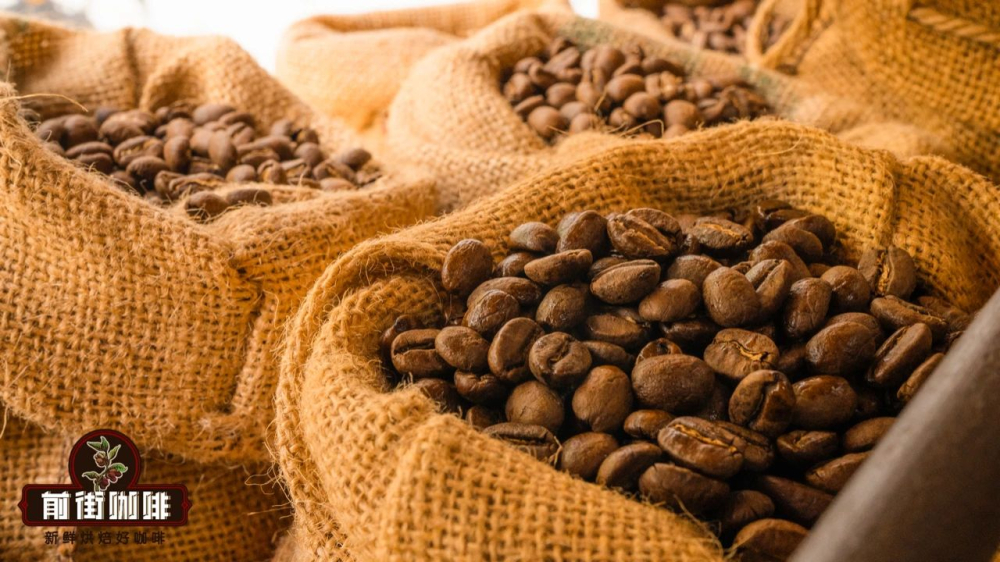
Below are four common and representative Italian-style blended coffee beans, each designed for different usage scenarios and needs:
1. 【Sunflower Sunshine Italian Blend】: Combines Honduran and Ethiopian Yirgacheffe natural (red cherry) beans. The flavor features clear fruity acidity paired with berry aromas, rich wine-like and chocolate notes, and a sweet, comfortable finish. The Honduran component provides whiskey-like notes and a dense chocolate aftertaste, while the natural red cherry adds a gentle fermentation sensation and berry fragrance. This blend is suited for shops or individual users seeking unique flavors and high-quality performance, available in half-pound packaging.
2. 【Premium Blend】: Composed of Colombian and Brazilian beans. Overall, it offers a balanced bitterness and sweetness, smooth mouthfeel, with a hint of grassy aroma and a refreshing, comfortable finish. The Colombian Huila beans feature balanced acidity and pronounced sweetness, while Brazilian Cerrado excels in rich, balanced bitterness and sweetness. This blend is a stable choice for daily offerings in most specialty coffee shops.
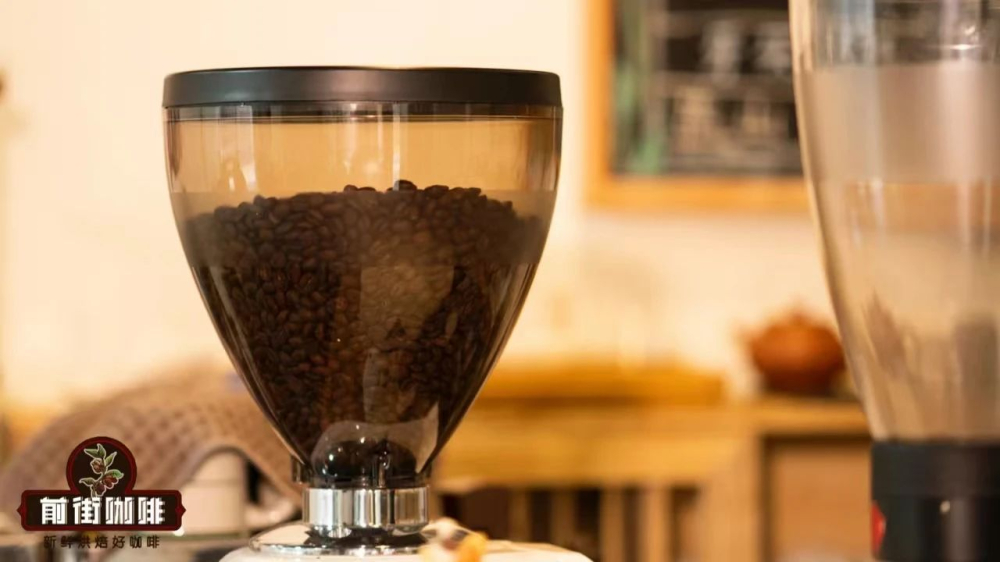
3. 【Commercial Blend】: A mix of Colombian, Brazilian, and a small amount of Robusta. The flavor presents a classic caramel sweetness, paired with notes of nuts, cocoa, and dark chocolate, achieving a balanced sweet-and-sour profile with a long-lasting aftertaste. The inclusion of Robusta enhances the overall crema and crema texture, making it suitable for all types of coffee and beverage shops for daily use, emphasizing stable output and cost-effectiveness.
4. 【Dark Cocoa Blend】: A blend of Yunnan AA and Brazilian beans. The flavor is dominated by gentle fruit acidity, caramel sweetness, and a rich nutty-chocolate character, with a smooth mouthfeel and moderate viscosity, offering an overall mild performance. Yunnan beans share characteristics similar to Colombian beans, with a full body, paired with the smooth nature of Brazilian beans. This blend is suitable for small shops, bakeries, or cost-conscious users, and is also very fitting for home use.
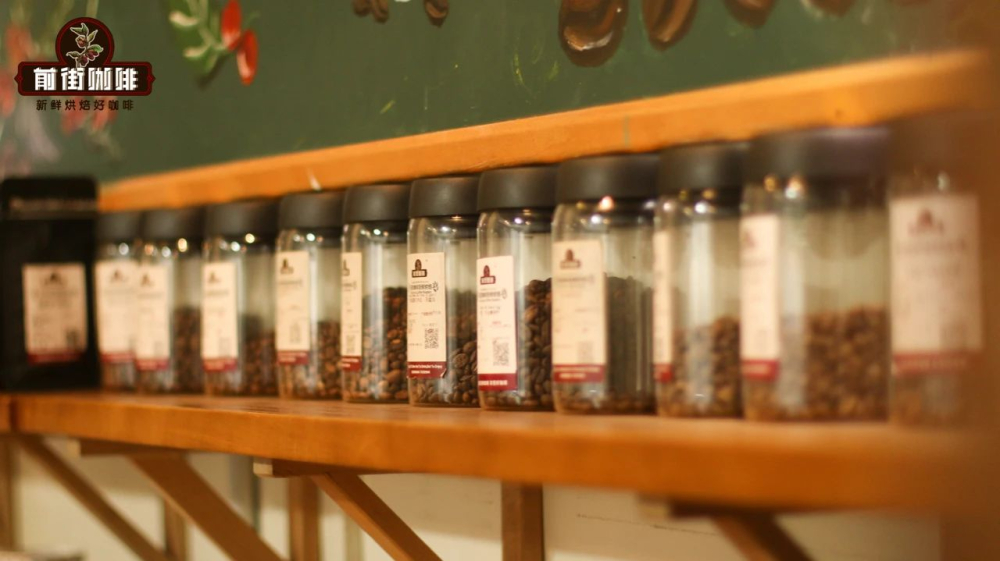
Next, using the ‘Sunflower Sunshine Italian Blend’ as an example, we demonstrate how to correctly extract a balanced shot of espresso. Step 1: Remove the portafilter and clean the basket with a dry cloth to ensure no residual water stains or old coffee grounds. Step 2: Start the grinder and grind to a fine consistency suitable for espresso. Before dosing, place the portafilter on the scale and tare it, then accurately measure the required amount of coffee grounds, ensuring even distribution. Step 3: Use your fingers or a distribution tool to evenly spread the coffee grounds to avoid uneven density during tamping. Step 4: Tamp the coffee puck with moderate pressure vertically—too light may cause channeling, too heavy may restrict water flow. Step 5: Securely attach the portafilter to the machine, immediately start extraction, and observe changes in liquid weight, time, and coffee liquid color. Step 6: After extraction, remove the puck, clean the basket and portafilter to ensure hygiene for next use.
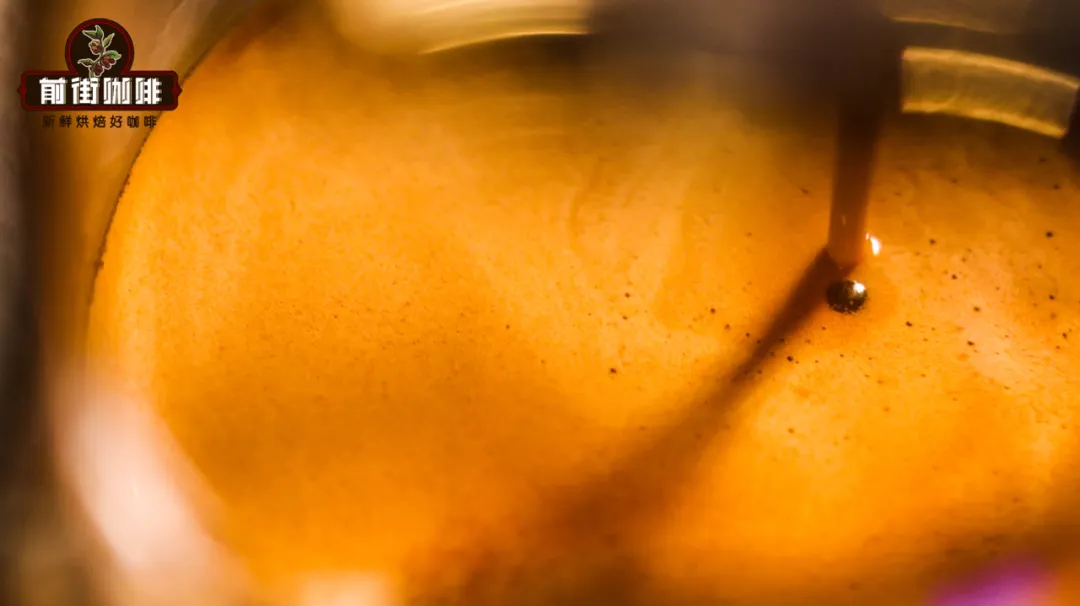
The final extracted espresso should exhibit medium body, with noticeable fruity acidity upon entry, accompanied by berry aromas, subtle wine-like notes, and rich chocolate tones, and a sweet, lingering aftertaste. The overall profile is balanced and layered, making it highly suitable as a base for various milk-based coffee drinks.
The above content is compiled by CoffeeHunters, a coffee news website.


