







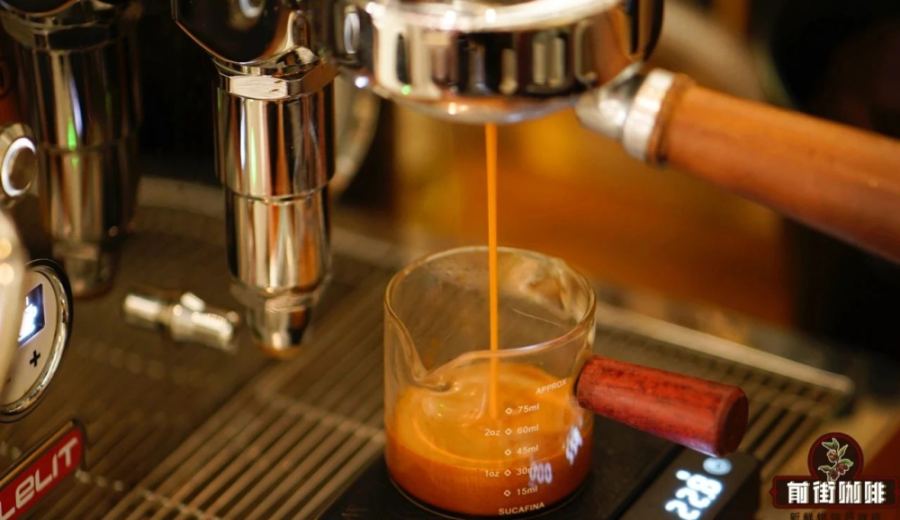
Introduction:The golden crema on top of an espresso is not only a visual delight but also influences flavor and latte art performance. If your espresso has thin, pale, or even no crema at all, it may be due to issues with roast level, extraction parameters, or coffee bean freshness. This article delves into the science behind crema formation, analyzes common causes of crema abnormalities, and offers practical advice on bean selection, equipment, and parameter adjustments to help you consistently pull rich, well-colored crema.
The golden layer on the surface of an espresso, known as crema in Italian, is a unique layer formed under 9-bar high pressure through the combined action of carbon dioxide from the coffee and emulsified oils. This layer is not just about aesthetics—it directly affects the taste, aroma release, and latte art stability of the espresso. However, many coffee enthusiasts often encounter issues such as thin, pale, coarse and bubbly, or even completely absent crema.
The essence of crema is actually insoluble coffee oils encapsulating carbon dioxide gas, formed through emulsification during high-pressure extraction. This physical and chemical interaction can only occur in the stable high-pressure environment provided by an espresso machine. To achieve beautifully colored and finely textured crema, you need comprehensive control over bean selection, grind settings, tamping technique, and machine condition.
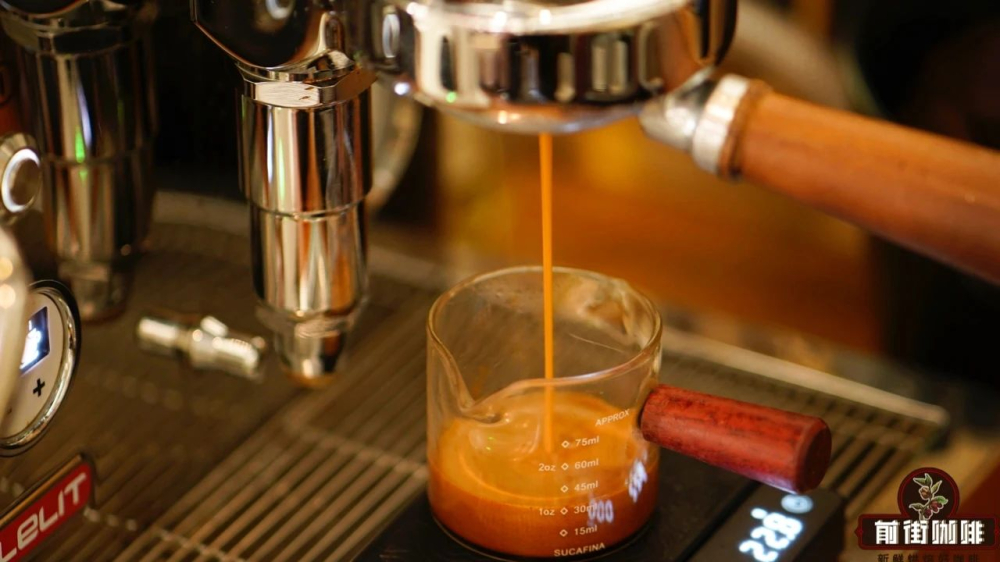
Ideally, crema should have a uniform golden color, a smooth and silky texture, and a certain thickness with good retention. When you gently shake the cup, the crema should flow smoothly like cream without quickly dissipating. Such crema not only enhances the visual appeal but also helps trap flavors, making the espresso taste richer and fuller upon drinking. It also aids in the integration and stability of milk foam patterns when making milk-based drinks like lattes.
If your espresso has no crema at all or extremely thin crema, common causes may include the coffee beans being past their prime, with internal carbon dioxide having dissipated over time, or improper storage leading to gas loss. Additionally, insufficient extraction pressure (below 9 bar), low water temperature, too coarse a grind, uneven or insufficient tamping can all prevent effective gas emulsification, thereby affecting crema formation.
When the crema is pale in color—though it may still have some thickness and lacks golden luster—it usually indicates that the beans are roasted too lightly or under-extracted. For example, using hand drip beans that are designed to highlight flavor layers for espresso can result in prominent acidity and pale, weak crema due to inadequate extraction and insufficient flavor complexity.
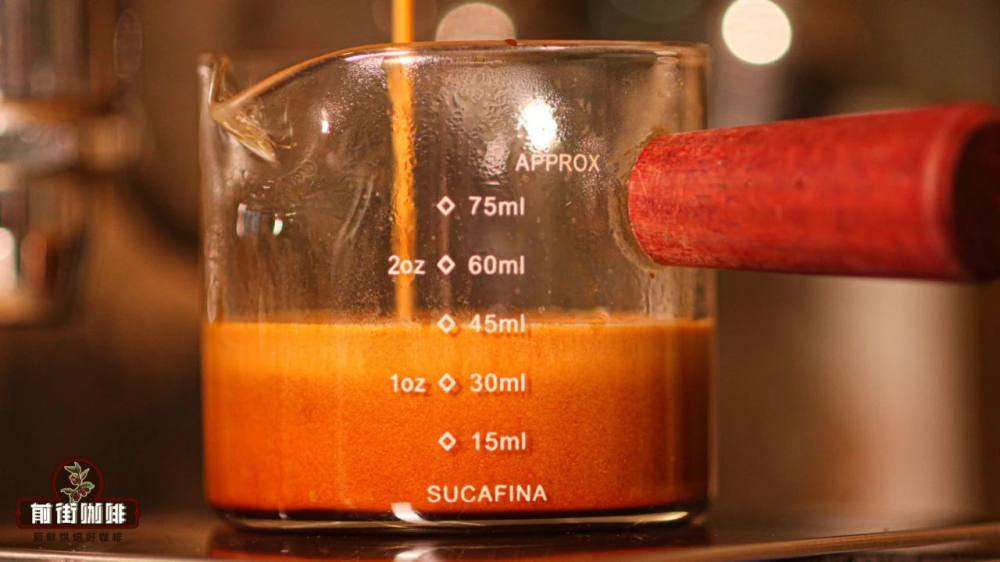
If the crema is coarse with lots of bubbles and dissipates very quickly, it’s usually because freshly roasted beans were used. Freshly roasted beans still contain a lot of residual carbon dioxide, and too much gas being forced out under high pressure in a short time leads to an imbalance in emulsification, preventing the crema structure from stabilizing. It’s recommended to let freshly roasted beans rest for 3 to 7 days until CO₂ release stabilizes before extraction, which helps achieve a more uniform and refined crema layer.
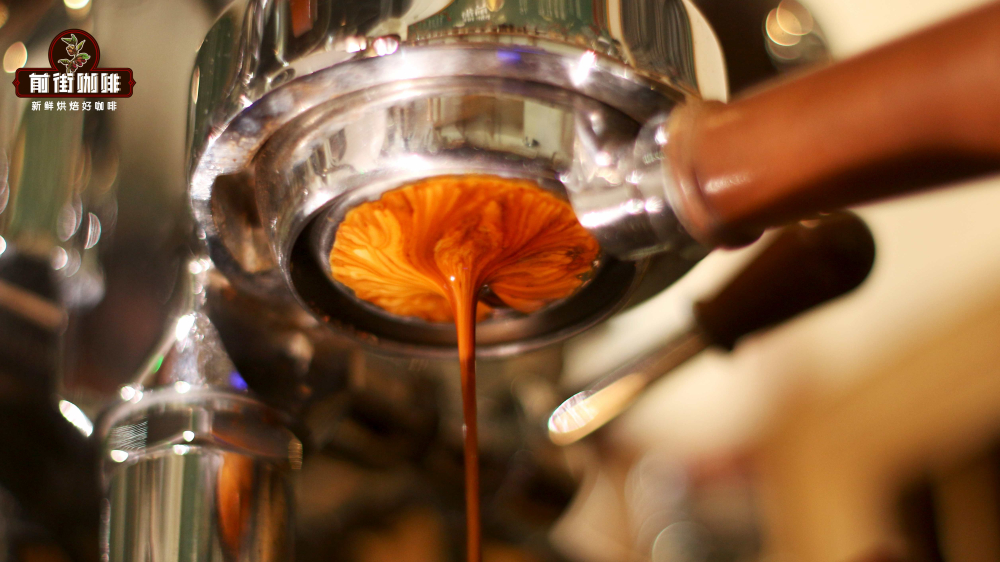
Another common issue is crema appearing clumpy or forming uneven “lumps,” feeling rough and having poor fluidity, similar to over-whipped milk foam. This is usually caused by tamping too hard, using coffee grounds that are too fine, or extracting for too long, leading to over-emulsification or bubbles being trapped in the crema, resulting in unnatural structures. In this case, you should check the grind size and tamping pressure to ensure balanced extraction conditions.
In summary, to consistently pull espressos with good-quality, golden crema, it’s recommended to use medium to dark or dark roasted espresso blends and ensure the beans are within their optimal freshness window (approximately 45–60 days after roasting). At the same time, your extraction equipment should reliably provide 9-bar pressure, paired with appropriate grind size, water temperature (around 90–94°C), and tamping technique to achieve the best crema presentation. By observing the appearance and texture of the crema, you can also quickly assess whether there’s room for improvement in your current extraction and further adjust parameters to enhance overall coffee quality.
The above content is compiled by CoffeeHunters, a coffee news website.


