







Category: Coffee Knowledge
How to Make Cold Brew Coffee? A Complete Guide to Grind Size, Time, and Coffee-to-Water Ratio
Cold brew coffee is beloved by iced coffee enthusiasts for its simple preparation and refreshing flavor. This article delves into the three key parameters of cold brew: grind coarseness, steeping time, and coffee-to-water ratio, explaining how they influence the final flavor. With tested data and specific recommendations, it helps readers master stable and delicious cold brew extraction techniques—beneficial for both beginners and advanced enthusiasts. [more…]
How to Choose the Grind Size for Cold Brew Coffee Powder? A Complete Analysis of Key Factors in Concentration and Flavor
When making cold brew coffee, many people assume that the finer the grind, the stronger the flavor. However, under the conditions of low-temperature steeping extraction, this notion may not be entirely accurate. This article compares the effects of coarse and fine grinds on the concentration (TDS) and flavor of cold brew coffee through experiments, delves into the relationship between water temperature, particle movement, and extraction efficiency, and provides practical grind recommendations and applicable scenarios to help you master the key parameters of cold brew coffee and create a brew that balances both strength and flavor. [more…]
Complete Guide to Making Cold Brew Latte at Home: No Coffee Machine Needed – Flavor & Technique Breakdown
You can make a smooth and delightful cold brew latte at home without any professional coffee machine. This article dives deep into how low-temperature brewing reduces bitterness and preserves aroma, and provides a detailed introduction to key parameters such as fresh milk selection, coffee bean variety pairing, coffee-to-milk ratio, and steeping time. It also offers a lazy person’s method and storage tips, helping you easily master this stress-free and flavorful home coffee brewing method. [more…]
Three Methods for Making Iced Coffee + Recommended Bean List: A Beginner’s Guide to Pour Over, Cold Brew, and Filter Bags
Want to enjoy a refreshing cup of iced coffee in the summer but not sure where to start? This article introduces three methods for making iced coffee at home: iced pour over coffee, iced filter bag coffee, and cold brew iced coffee. It details each method's water temperature, ratio, extraction time, and practical tips. We’ve also selected three coffee beans that are perfect for iced drinks, guiding you through the entire process—from bean selection to brewing—to help you easily make a richly layered summer iced coffee. [more…]

DIY Starbucks-Style Cold Brew Coffee: From Cold Drip to Immersion, Complete Extraction Parameters & Flavor Analysis
Want to enjoy a refreshing and layered cold brew coffee on a hot summer day? This article delves into the principles of cold brew coffee, provides a detailed comparison between cold drip, ice pour over, and iced Americano, and shares hands-on experience with the cold drip brewing process of Honduran Sherry coffee beans. It covers key parameters such as coffee-to-water ratio, grind size, drip rate control, and the optimal flavor window, along with expert tips for extending shelf life—allowing you to easily replicate café-grade cold brew at home. [more…]

A Comprehensive Guide to Making Iced Coffee: Ratio and Flavor Tuning for Pour Over, Cold Brew, and Cold Drip
Want to make delicious iced coffee at home? This article dives deep into the brewing principles of three popular iced coffee methods—pour over, cold brew, and cold drip. From coffee-to-water ratios, grind sizes, extraction times to storage tips, we debunk common misconceptions and offer practical bean recommendations based on different flavor preferences to help you brew rich yet layered iced coffee. [more…]

Getting Started with Home Coffee Brewing: 7 Brewing Tools and Techniques Including Pour Over, AeroPress, and Moka Pot
Want to easily brew a cup of flavorful coffee at home? The key lies in choosing the right equipment and mastering basic techniques. This article provides a comprehensive introduction to various brewing methods—pour over (using the Hario V60 as an example), AeroPress, moka pot, French press, Chemex, semi-automatic and fully automatic espresso machines, as well as drip coffee makers—covering their ideal use cases and practical tips. From wetting the filter paper, blooming, controlling water temperature to pouring techniques, it explains in simple terms how to flexibly apply different extraction methods to help you [more…]
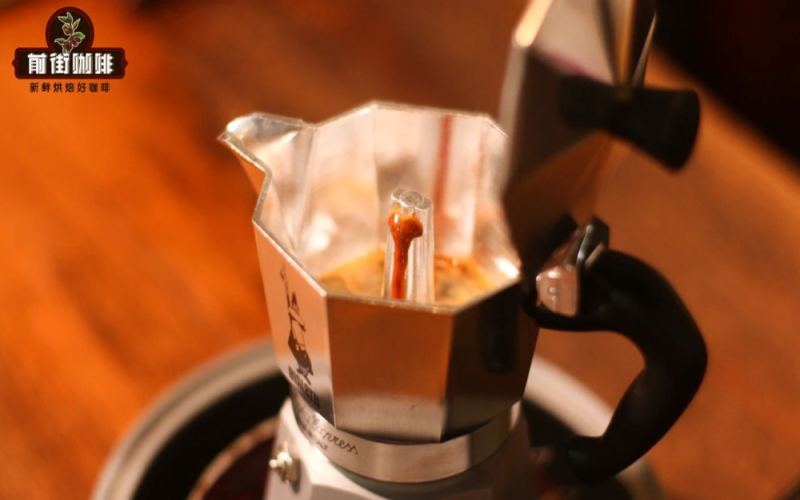
Is aluminum moka pot safe? A complete guide to cleaning, operation, and maintenance
The moka pot is a classic brewing tool found in the homes of many coffee enthusiasts. However, questions often arise regarding whether its aluminum alloy material is safe, whether it can be used in a dishwasher, and what precautions should be taken during use. This article delves into the structure and working principle of the moka pot, explores the safety of aluminum moka pots, and provides over ten practical tips on operation and maintenance to help you use the moka pot correctly, avoid common mistakes, and enjoy rich coffee with peace of mind. [more…]
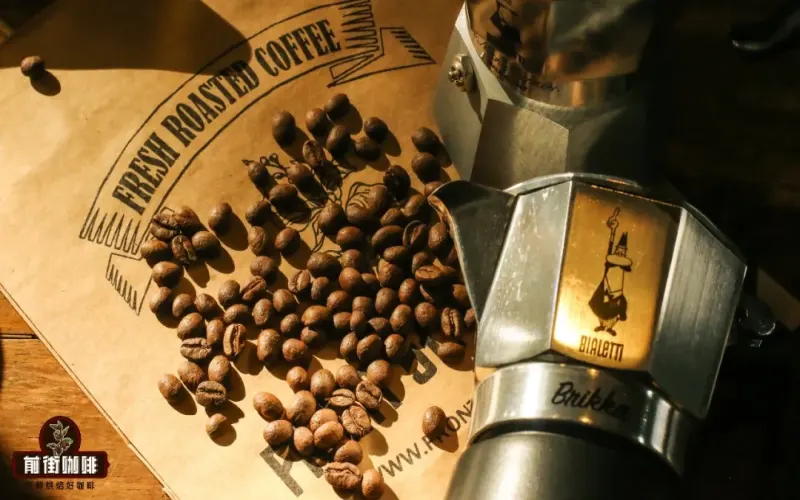
Tips for Brewing Rich Coffee with a Moka Pot: A Complete Guide to Medium-Dark Roast Bean Selection and Heating Techniques
Want to brew rich and aromatic coffee with a moka pot? This article delves into how to enhance your moka pot coffee extraction by choosing the right coffee beans, using the correct coffee-to-water ratio, and applying the appropriate heating method. From understanding the device’s mechanics and the characteristics of medium-dark roasted beans to the step-by-step brewing process, it helps you master the key techniques for achieving thick crema and a full-bodied taste—making both straight coffee and milk-based drinks even better. [more…]
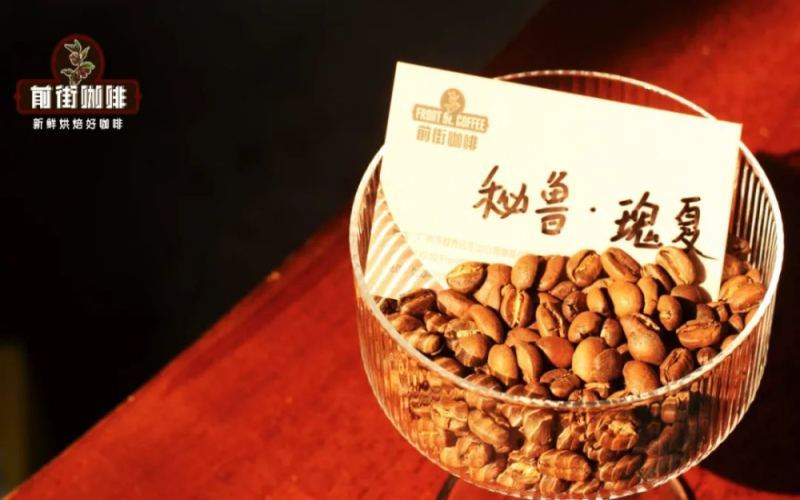
Flavor Profile of Peruvian Cajamarca Geisha|High-Altitude Washed Processing and Regional Characteristics
Although Peruvian coffee is not as well-known as that from Brazil or Colombia, it has emerged in the specialty coffee scene with its high altitude and clean flavor profile. This article delves into the distribution of Peru’s three major coffee regions, the development journey of the “organic coffee kingdom,” as well as its unique altitude classification system and traditional washed processing methods. Through a washed Geisha from the Cajamarca region, we’ll guide you to savor its floral notes, juicy body, and black tea-like aftertaste — a tasting guide for niche coffee enthusiasts. [more…]

Delivery Order Padding and Refund Controversy: Industry Reflections Sparked by Ingredient Notes
During Singles’ Day, a tea shop employee shared customer notes on delivery orders requesting that certain add-ins not be included with the intention of later requesting a refund. This sparked widespread discussion. The practice of applying e-commerce “order padding and refund” tactics to beverage deliveries has not only left industry professionals puzzled but also raised questions about platform rules and the operational challenges faced by merchants. This article will detail the incident, the platform mechanisms involved, and the potential impact of such behavior on the industry. [more…]
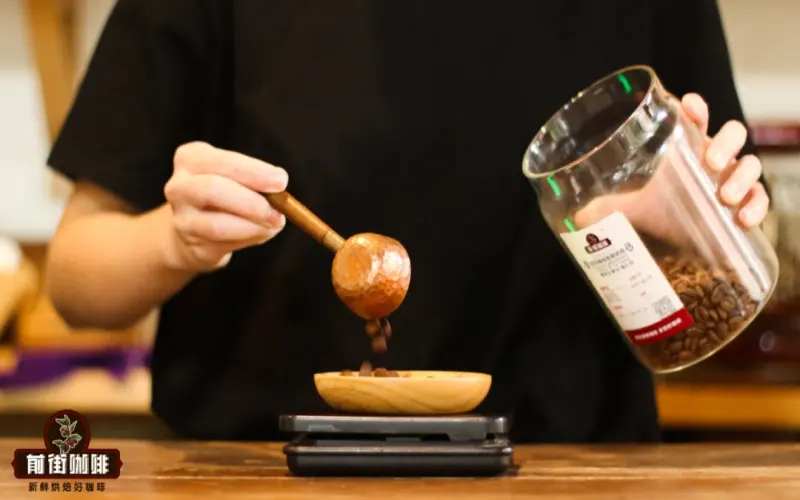
Is an electronic scale essential for pour over and espresso? Master precise extraction by controlling coffee dose and brew weight
Many coffee beginners wonder why baristas use electronic scales, thinking that experience-based estimation or simple measuring tools can also make good coffee. However, even slight differences in coffee dose and brew weight directly affect the coffee's strength and flavor profile. This article analyzes through test data why electronic scales play a crucial role in both pour over and espresso preparation, and provides practical advice to help you consistently extract coffee with your desired flavors. [more…]
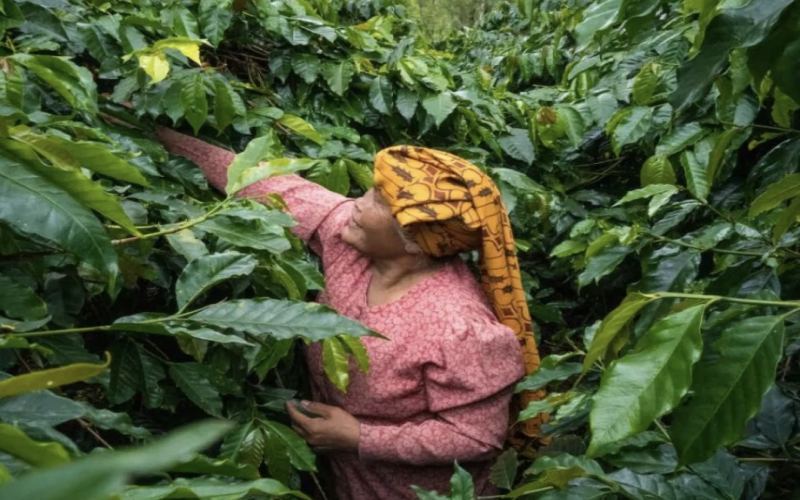
A Complete Guide to Sumatra Mandheling Wet-Hulled Processing: Herbal Aromas & Key Processing Techniques
Mandheling coffee from Sumatra, Indonesia, is renowned for its rich, full-bodied profile and distinctive herbal and spicy notes. Beyond geographical and varietal factors, the wet-hulled processing method is a key contributor to these characteristics. This article delves into each step of this unique process, explaining how it influences the coffee’s acidity, clarity, and overall flavor profile, while also highlighting the noticeable differences brought about by varying processing qualities—helping you better understand the essence of this classic coffee. [more…]
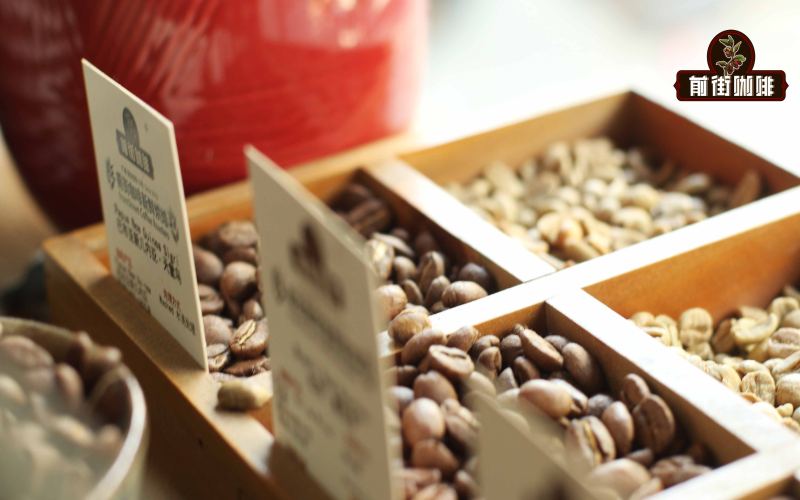
A Comprehensive Guide to Green Coffee Bean Grading: What Do AA, G1, SHB, and PB Mean?
Have you ever been confused by labels like AA, G1, SHB, or PB when buying coffee beans? These letters actually represent the rigorous green coffee bean grading systems of various countries. This article delves into the grading standards of origins such as Ethiopia, Kenya, Costa Rica, Jamaica, and Brazil—from defect rates, bean size, altitude, to cup quality—to help you truly understand the grading logic behind each coffee bean and grasp how these grades function in the market. [more…]

Starbucks Caffè Corretto Served in a Large Paper Cup? Analysis of the Correct Way to Drink and Service Standards
As a classic Italian-style coffee, Caffè Corretto is ideally served in a small cup, allowing customers to fully enjoy the perfect blend of espresso and cream. However, some customers recently received a version served in a 350ml paper cup when ordering at Starbucks, making it difficult to enjoy properly. This incident has sparked discussions about Starbucks' service standards and staff training. This article will guide you through the correct way to prepare Caffè Corretto and address common issues. [more…]
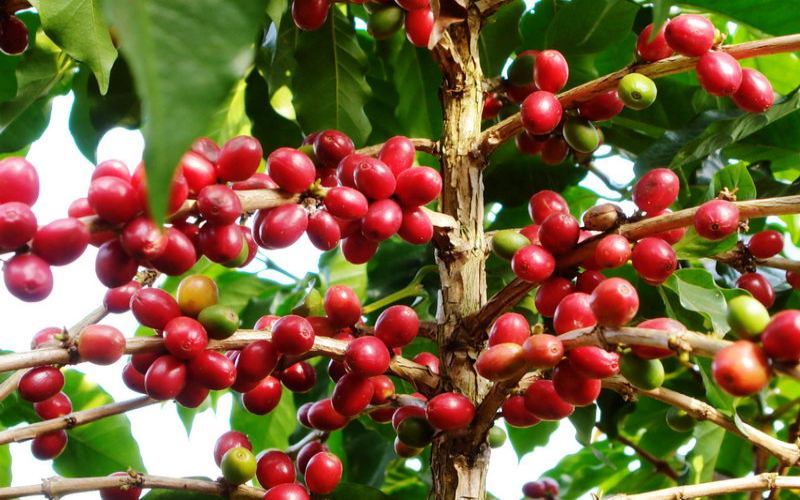
Robusta Coffee Flavor Analysis | Who Is the Woody Profile Suited For? Varieties and Roasting Suggestions
Robusta is often seen as synonymous with cheap coffee, but its unique woody and nutty flavors, along with its practical performance in extraction, make it indispensable in commercial blends. This article delves into the varietal differences between Robusta and Arabica, suitable brewing methods, and analyzes the key distinctions between the two in terms of aroma, acid-bitter balance, and processing methods—helping you make a more suitable coffee choice based on your needs. [more…]
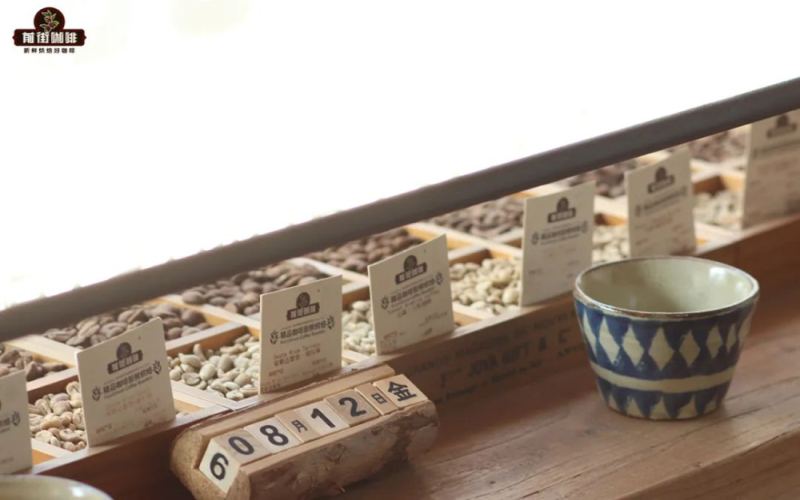
Identifying Arabica Varieties by Bean Shape: A Guide to Typica, Geisha, and Other Popular Varieties
Have you ever wondered how some people can identify the coffee variety just by looking at the beans? In fact, different varieties within the Arabica family have distinct visual characteristics in terms of bean shape, size, and appearance. By understanding the differences in the appearance of roasted beans from common Arabica varieties such as Typica, Bourbon, and Geisha, you can quickly grasp the connection between variety and morphology. This article will detail the bean shape features of these popular varieties to help you improve your identification skills—beneficial for both beginners and seasoned coffee enthusiasts. [more…]

How to Choose Robusta Coffee Beans? A Complete Guide from Flavor, Origin to Brewing
Although often seen as a supporting player in specialty coffee, Robusta beans actually play a crucial role in the global coffee supply chain. This article provides an in-depth analysis of Robusta's origin, major growing regions, unique flavor profile, and its irreplaceable presence in instant coffee and commercial blends. Through a detailed comparison with Arabica, it helps readers grasp core differences such as altitude adaptability, disease resistance, and caffeine content, as well as how to choose the right Robusta based on brewing needs. [more…]

What’s the difference between Arabica and Robusta? Understand caffeine content, appearance, and varieties all at once
Arabica and Robusta are the two most mainstream types of coffee beans on the market. They differ significantly in flavor, chemical composition, plant characteristics, and cultivation conditions. Understanding these details not only helps you choose the right coffee beans but also improves your ability to discern coffee quality. This article will analyze the differences between the two from multiple perspectives and introduce you to the classic varieties under Arabica and their unique traits. [more…]
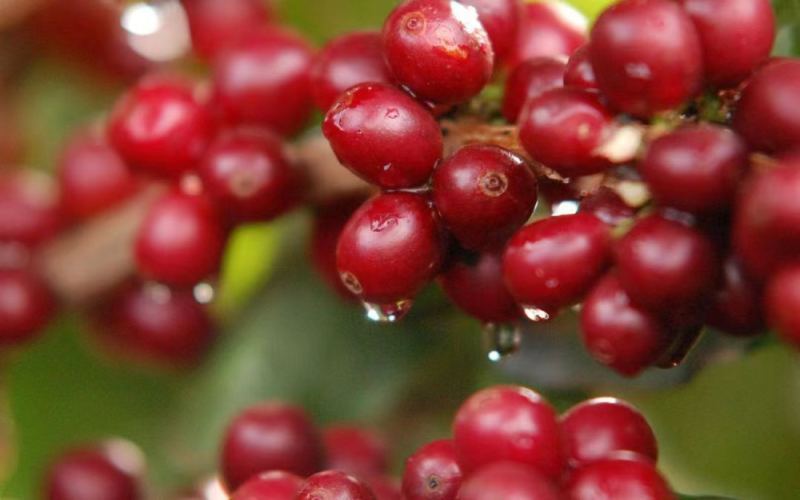
A 7-Major-Coffee-Varieties Identification Guide: Distinguishing Typica, Geisha, and Bourbon from Plant Morphology
There are numerous coffee varieties, and different varieties exhibit distinctly identifiable differences in their plant appearance. This article focuses on seven common Arabica varieties—Typica, Bourbon, Geisha (also known as Gesha), Caturra, Catuai, and Pacas/Mapacha—and provides a systematic observation method based on specific characteristics such as plant height, leaf morphology, fruit color, and branch angles. This helps readers quickly identify varieties through physical plant traits even without tasting the flavor, thereby deepening their understanding of coffee at its source. [more…]