







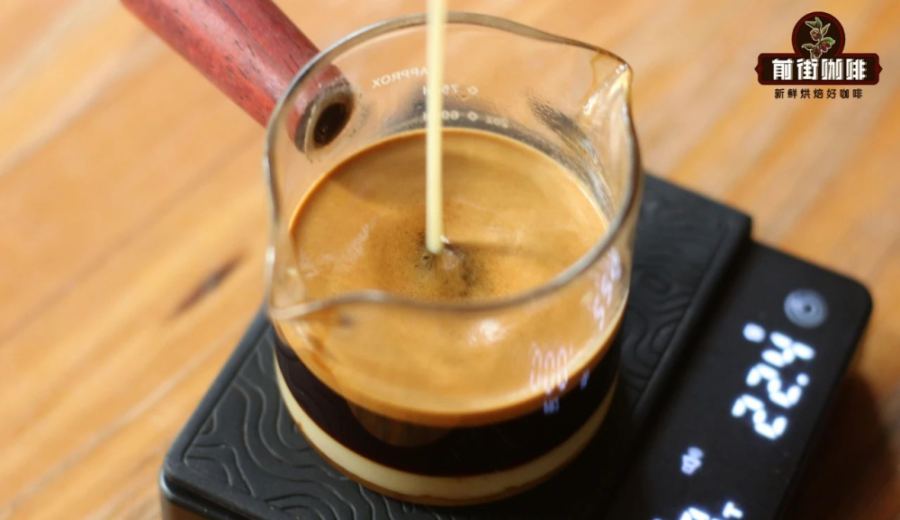
Introduction:Want to learn how to make a Spanish Latte? From the classic condensed milk coffee to the popular Café Bombón, all the way to the modern café favorite Spanish Latte—this guide will teach you the key ratios and brewing essentials. We’ll break down the differences between hot and iced versions, provide practical steps and flavor descriptions, making it easy for you to recreate this rich and silky specialty coffee at home.
The practice of adding condensed milk to coffee has long transcended regional boundaries, stretching from Southeast Asia all the way to Europe. In Vietnam, cà phê sữa đá uses condensed milk to soften the inherent bitterness of Robusta beans, while Spain’s classic Café Bombón creates a visual and taste sensation with a 1:1 contrast of espresso and condensed milk. Today, the Spanish Latte, which blends elements of all three, has become a new favorite among coffee enthusiasts, combining espresso, fresh milk, and condensed milk for a more balanced and richly flavored drink.
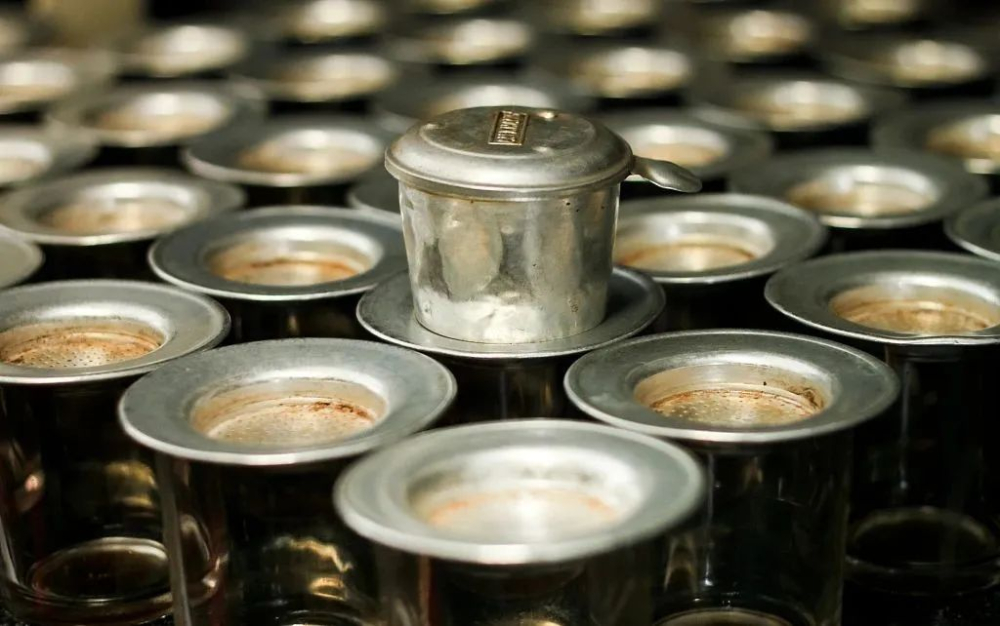
 This method of incorporating condensed milk into coffee was originally designed to mellow the intense bitterness of strong brews. Especially in Vietnam, where dark-roasted Robusta beans are commonly grown—beans known for their rich oils, grainy and caramel-like flavors, but also accompanied by noticeable bitterness—locals prefer the naturally sweet taste of condensed milk over the fresh milk typically used in Europe, using it to neutralize the coffee’s strong profile. This classic pairing is known as “cà phê sữa đá,” or what many know as Vietnamese drip coffee.
When ordering a cà phê sữa đá on the streets of Vietnam, the barista usually starts by placing the milky-white condensed milk in the cup, then slowly dripping hot water into it. As the coffee extracts drop by drop, the condensed milk and black coffee gradually blend. Vendors often provide a small spoon to help customers stir and enjoy. This combination transforms the bitter, concentrated coffee into a sweet and creamy milk coffee—a staple in the daily lives of locals.
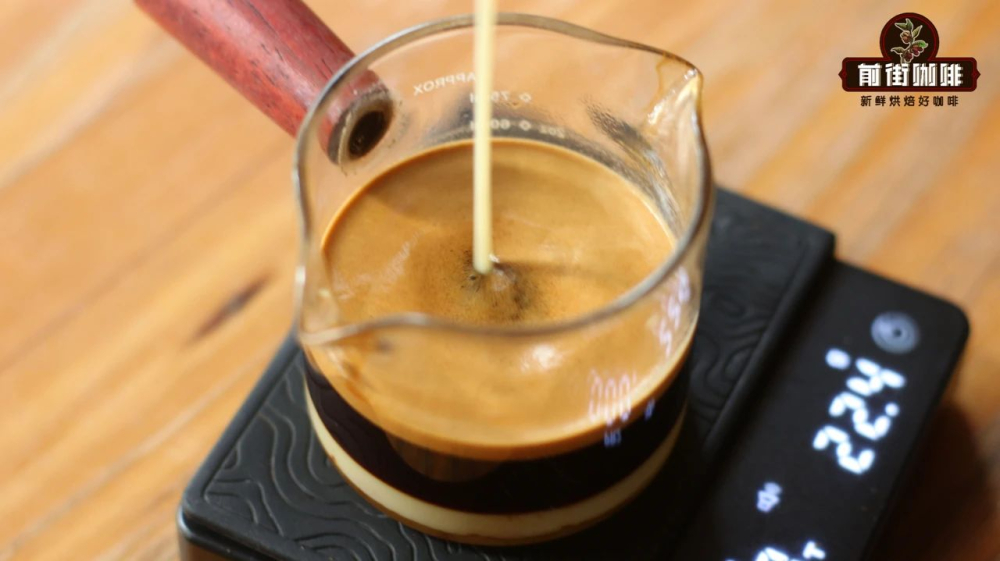
 Meanwhile, Spain’s Café Bombón offers another classic take on condensed milk coffee. This drink is simple yet dramatic, served in a small glass with equal parts espresso and condensed milk—for example, 40 grams of espresso paired with an equal amount of condensed milk. Due to the high density of condensed milk, the two layers remain naturally separated when not stirred, creating a striking black-and-white contrast. Upon drinking, the intensity of the espresso melds with the sweetness of the condensed milk, offering a texture reminiscent of herbal jelly mixed with condensed milk—rich yet not bitter—a must-try specialty coffee for many travelers visiting Spain.
The rising Spanish Latte in recent years builds upon the traditional latte by adding condensed milk, resulting in an even more layered flavor. It consists of three elements: espresso, fresh milk, and condensed milk. Compared to a regular latte, it adds a touch more sweetness and richness, making it ideal for those who aren’t used to the bitterness of coffee but still want to enjoy the aroma of espresso.
To make a Spanish Latte, start by extracting about 40ml of espresso, then mix in 10g of condensed milk to ensure even integration. Next, heat fresh milk to 55–65 degrees Celsius, froth it, and combine it with the coffee mixture to complete a hot version of the Spanish Latte. For an iced version, it’s recommended to first add about 75g of ice to the cup, pour in 200ml of iced milk, then drizzle the espresso (with 10g of condensed milk added) on top. Stir gently with a straw before drinking.
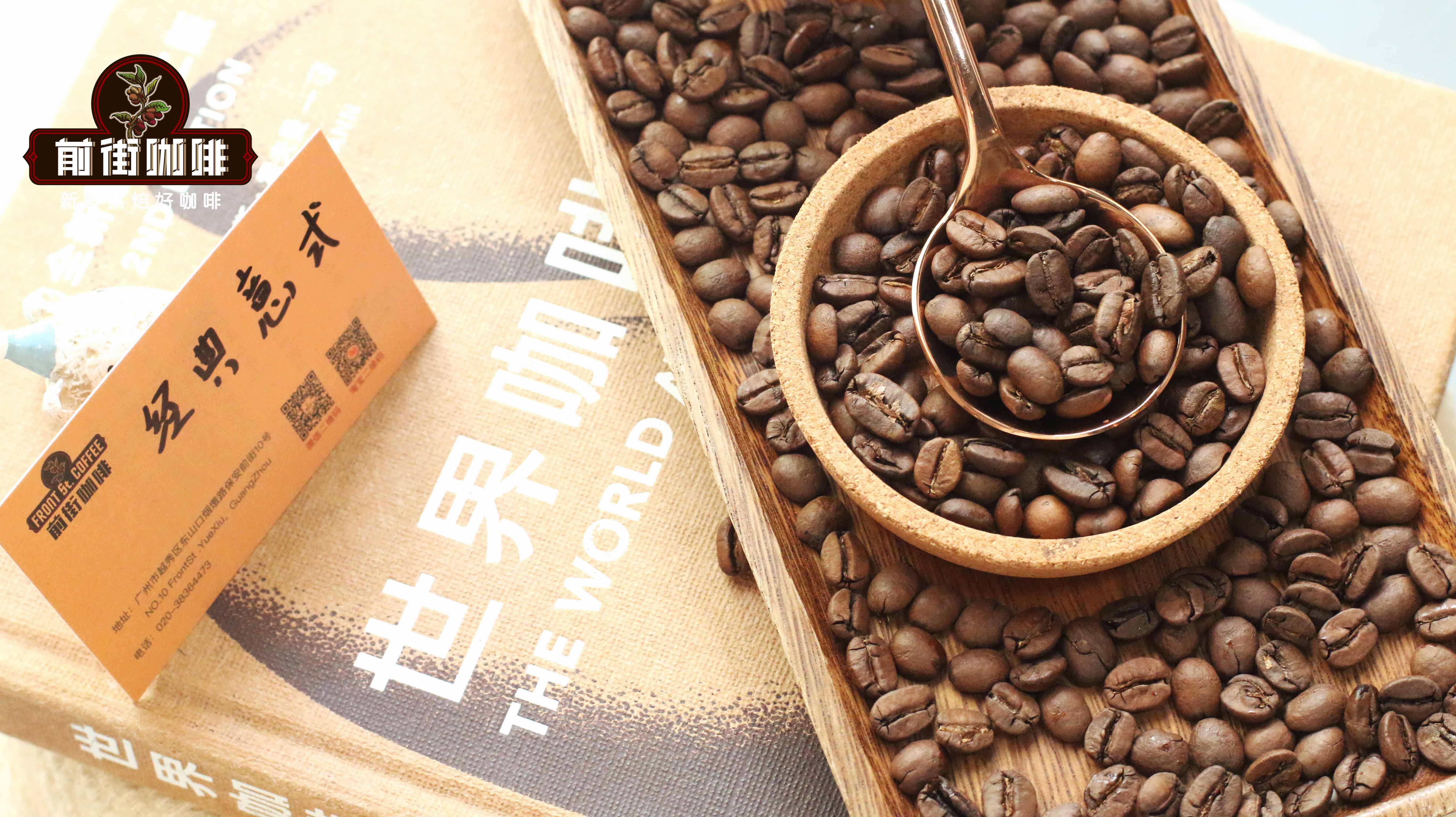 The key to this coffee lies in ratio and temperature control. The sweetness of the condensed milk buffers the intense flavor of the espresso, while the fresh milk provides a silky texture and milky aroma. With these three elements in balance, the coffee showcases its richness without losing the gentle sweetness. Whether hot or iced, it presents different flavor layers, making it a classic specialty that’s easy to recreate either at home or in a café.
In summary, from Vietnam’s condensed milk coffee, Spain’s Café Bombón, to the modern Spanish Latte, these drinks demonstrate the endless possibilities of combining condensed milk with coffee. Whether you prefer a rich and bold profile or a sweet and smooth one, you can find your own favorite coffee flavor. With the right ratios and techniques, you can easily recreate these classic milk coffees at home and enjoy your own unique coffee moment.
The above content is compiled by CoffeeHunters, a coffee news website.


