







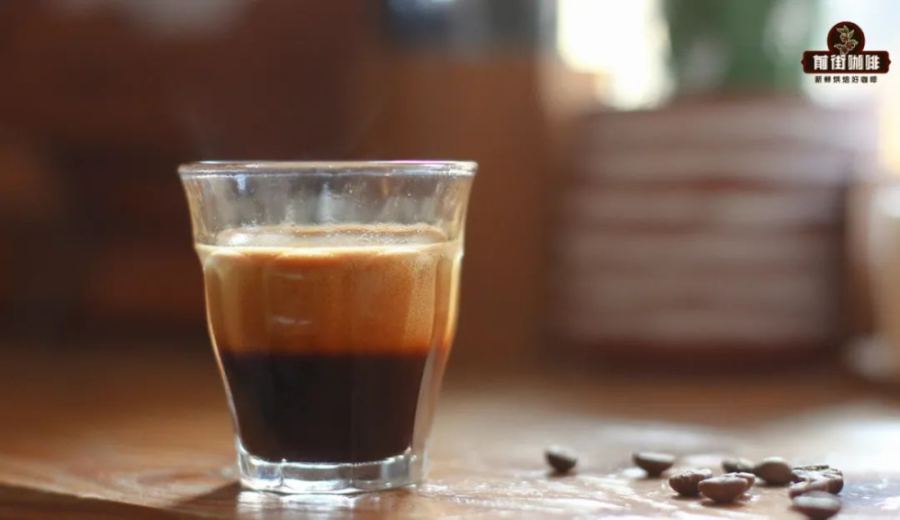
Introduction:The golden crema on top of an espresso shot — crema — not only affects its appearance but is also a key indicator of extraction quality. What exactly is crema made of? How can you achieve rich and stable crema by adjusting bean variety, roast level, machine pressure, and extraction ratio? This article delves into the science behind crema and offers practical extraction parameters and techniques to help you master the gold standard of espresso.
When you pick up a freshly brewed espresso, the first thing that often catches your eye is the fine layer of golden foam floating on the surface of the coffee — this foam is what we commonly call crema. Many coffee enthusiasts regard crema as one of the key factors in judging the quality of an espresso shot. But what exactly is this seemingly oily layer? How does it form? And why do some espressos produce thick, long-lasting crema, while others yield thin, quickly dissipating crema? Let’s start with the composition of crema and uncover the science and technique behind it step by step.
In fact, simply calling crema “oil” isn’t entirely accurate. Crema is primarily an emulsified foam formed by the carbon dioxide in coffee and tiny coffee oils. As these bubble structures gradually break down and the carbon dioxide is released, the remaining shiny film is what truly constitutes coffee oil. However, in everyday language, people still commonly refer to the entire golden layer as “oil.” If you’re aiming for a thick, rich, and long-lasting crema, you should prioritize coffee beans that naturally contain higher levels of oil and abundant carbon dioxide.
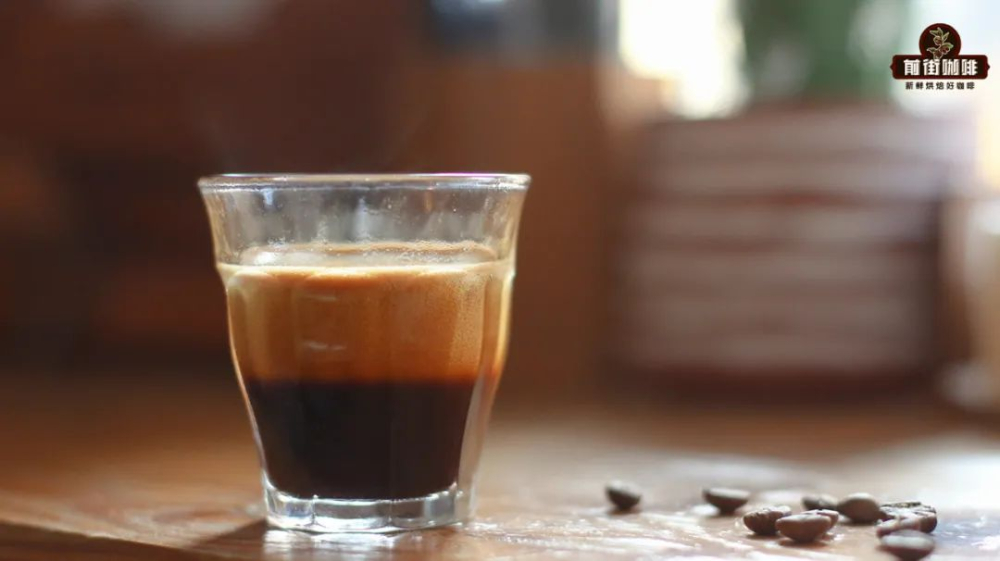
Speaking of the history of espresso, this beverage was originally created to prepare concentrated coffee more quickly. As early as 1884, the Italian Angelo Moriondo designed the first coffee machine with espresso-making capabilities. This device used steam pressure at 1.5 bar and featured two separate boiling chambers. Although it sped up extraction, the flavor still differed from today’s espresso. As technology advanced, by 1948, Achille Gaggia, the owner of a Milanese coffee shop, improved the design with a lever-operated manual pressurization system that could stably generate around 9 bar of high pressure. This truly gave birth to the espresso we know today, along with its most iconic feature — crema. Since then, crema has become one of the important indicators for evaluating espresso quality.
There are many factors that influence the richness of crema, but the most critical include the coffee bean variety and roast level. Generally speaking, robusta contains more coffee oil and natural gases compared to arabica, making it easier to produce thick crema, although its flavor is usually stronger, with noticeable bitterness and spiciness. If you prefer blends that offer both aroma and good oil expression, common commercial blends often combine arabica beans from regions like Brazil and Indonesia with a small amount of robusta. These beans can stably produce crema while offering layered flavors such as spices, caramel, and dark chocolate.

From a regional perspective, arabica beans from the Americas and Asia generally exhibit better oil and gas performance than African beans, which is why they are more commonly used in espresso blends. Additionally, the roast level directly affects crema formation. Typically, medium to dark roasts promote more oil release and gas retention, helping to create full-bodied crema while maintaining some acidity to balance the overall taste. If you enjoy espresso with roasted aromas and nutty notes, it is recommended to choose beans with a medium-dark roast level, as their extraction performance is usually more stable and the resulting crema tends to be richer.
Besides bean variety and roast, the “freshness” of the coffee beans is also crucial. The carbon dioxide in crema mainly comes from the roasting process, but this gas gradually escapes over time. Generally, newly roasted beans need about 45 to 60 days to fully release their internal carbon dioxide. However, if you wait until all the gas has dissipated before brewing, not only will the crema be thin, but the overall flavor will also be greatly diminished. Therefore, it is recommended to use beans roasted within about 2 to 4 weeks. During this period, the beans retain enough carbon dioxide while also showcasing better aroma and flavor. It’s worth noting that freshly roasted beans should ideally rest for 7 to 12 days (“degassing”) before brewing to avoid issues such as initially thick but flavorless and structurally unstable crema.

Of course, even with good beans, poor extraction conditions can still prevent crema from reaching its ideal state. The first factor is extraction pressure, which should ideally be maintained at around 9 bar — this is key to producing rich crema. Many home machines, due to the use of vibration pumps, struggle to steadily maintain this pressure, leading to subpar crema. If you’re using a semi-automatic or professional machine, make sure the equipment can provide a stable 9-bar extraction pressure.
Another key factor is the coffee-to-water ratio and extraction time. Extracting too much coffee liquid doesn’t necessarily enhance the texture of crema and may instead cause the thin crema from the later stages to negatively impact the overall result. A common espresso coffee-to-water ratio is between 1:1.8 and 1:2 — for example, 20 grams of coffee grounds yielding 36 to 40 grams of liquid, with an extraction time controlled between 25 and 30 seconds. Observing the extraction process, the initial liquid is darker in color, gradually turning golden, and may eventually show yellowish-white streams. These later-stage liquids contain less crema, so it’s advisable to stop extraction at the right time to ensure the overall crema remains rich and stable.
The above content is compiled by CoffeeHunters, a coffee news website.


