







Introduction:Dive deep into the three main types of espresso — Ristretto, Normale, and Lungo. From definitions and extraction parameters to flavor differences, understand what makes each type unique. This article details key factors such as brew ratio, extraction time, and water temperature, helping coffee enthusiasts precisely control the quality of their espresso. Whether you're making lattes, flat whites, or Americanos, elevate your overall coffee experience.
For many coffee lovers, the first thing that comes to mind when thinking of espresso is a strong, slightly bitter, and highly intense black coffee. But in reality, this seemingly simple drink is the foundation of the entire espresso-based coffee system. Popular beverages like lattes, flat whites, and Americanos all center around a well-extracted shot of espresso. This article will explore the basic concepts of espresso, the formation of crema, and how the three common types of espresso — Ristretto (short), Normale (standard), and Lungo (long) — differ in brewing methods. We'll also analyze key parameters including dose, grind size, water temperature, time, and yield to help you better grasp the secrets of espresso.
When people talk about espresso, they often envision a thick, bold, and slightly bitter black coffee. But for professional baristas, one of their most important daily tasks is continuously adjusting and optimizing the extraction of espresso, because no matter what type of espresso-based drink it is, it all starts with this small cup of high-quality concentrated coffee. So what exactly is espresso? How is it different from other brewing methods? Let’s take a closer look.
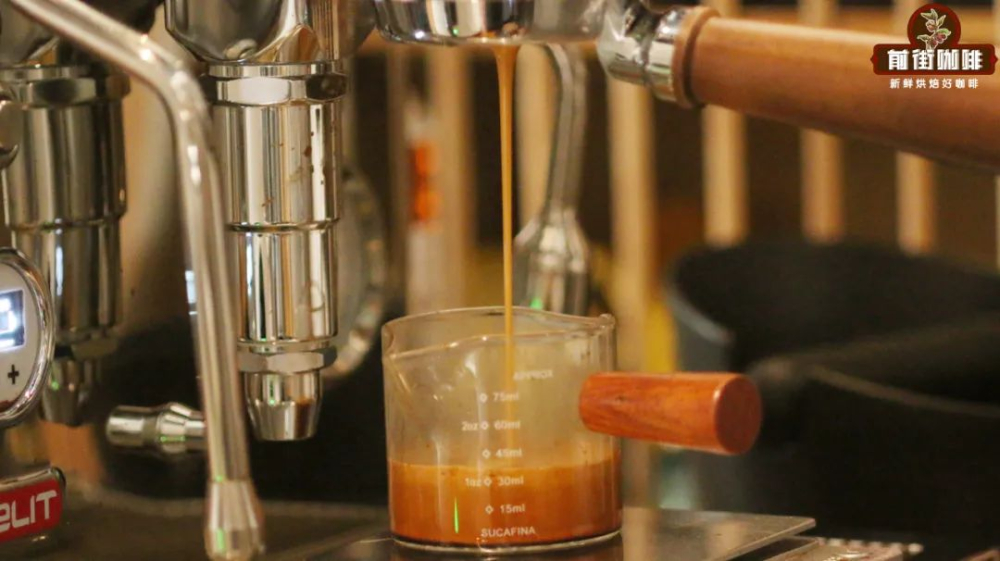
Espresso refers to a small, strong shot of coffee made by forcing hot water under high pressure through finely ground coffee packed into a portafilter using a semi-automatic or fully automatic espresso machine. To produce a qualified espresso, several conditions must be met simultaneously, including sufficient water pressure, appropriate water temperature, correct dosage, fine grind size, and relatively short extraction time.
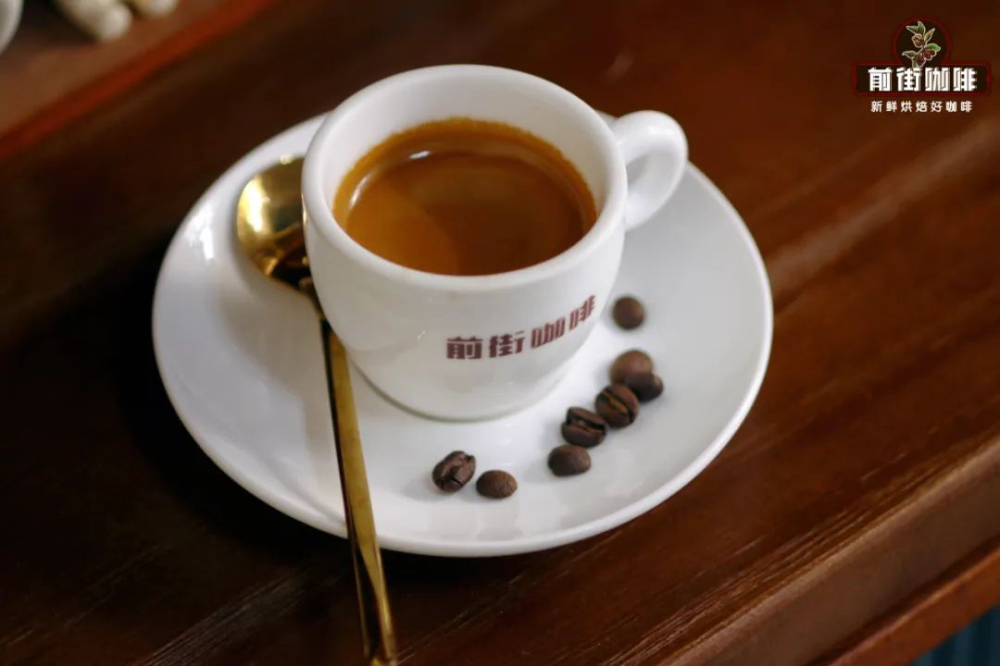
Compared to other brewing methods such as pour over or cold brew, one of the most distinctive features of espresso is the layer of golden, velvety, and dense foam on its surface — crema. Freshly roasted coffee beans contain a large amount of gases. When the coffee grounds are subjected to high-temperature water and high pressure, these gases expand due to heat and are forced out from the cell walls. At the same time, the hot water also extracts oils from the beans, which then emulsify around the bubbles to form a fine, aromatic foam. The composition of crema includes plant oils, proteins, sugars, and various aromatic compounds, which is why freshly extracted espresso usually has an exceptionally intense aroma.
According to the Golden Cup Theory proposed by the Specialty Coffee Association of Europe, about 30% of the soluble substances in coffee grounds are extracted after coming into contact with water, while the remaining approximately 70% consists of insoluble fibers. Among that 30% of soluble material, only about two-thirds contribute positively to flavor. Therefore, it's essential to adjust key parameters to achieve an extraction yield of around 20%. In terms of brewing methods, espresso can generally be divided into three types: Ristretto (short), Normale (standard), and Lungo (long). All three are quickly extracted via espresso machines, but they differ in brew ratio, time, and flavor profile.
Ristretto, often referred to as "short shot" or "concentrated espresso," is the least common of the three types. Compared to regular espresso, ristretto uses a smaller yield, typically extracting only the first part of the shot, thus increasing concentration and intensity. For example, a typical espresso might use 20 grams of coffee to yield 40 grams of liquid, with a brew ratio of around 1:2 and an extraction time of about 30 seconds. A ristretto, on the other hand, might use 20 grams of coffee to yield just 28 grams of liquid — only the first half or so of the shot — with a shorter extraction time. To further boost concentration, some baristas also use a finer grind to slow down the flow rate. Different cafés may fine-tune ristretto parameters based on bean characteristics and desired flavor profiles.
Normale is the most common type of espresso, essentially what most people simply call "espresso." Most espresso served at cafés falls into this category, though it may not always be specifically labeled. According to the Golden Cup extraction theory, the extraction yield of normale typically ranges between 18% and 22%, with a coffee concentration of about 8% to 12%. This range is considered to offer a balanced flavor, acidity, sweetness, and body, making it the preferred choice for most coffee drinkers.
Lungo, meaning "long" or "extended" in Italian, refers to espresso made by increasing the water volume and extending the extraction time. It usually achieves a brew ratio of around 1:5 — for example, using 20 grams of coffee to extract 100 grams of liquid, with an extraction time of around 42 seconds. Due to the higher water content, lungo has a lower concentration, a softer mouthfeel, and is suitable for those who prefer a milder taste but still want to retain some espresso character.
There are several key details worth noting when brewing espresso. First, the formation of crema is closely related to the freshness of the coffee beans. Freshly roasted beans contain abundant carbon dioxide, which is released under high pressure during extraction and contributes to crema formation. If you use beans that have been stored for more than two months, it’s difficult to achieve a good crema layer. Therefore, it’s recommended to use freshly roasted beans and allow them an appropriate degassing period. Generally speaking, medium to dark roasted beans (such as the Sunflower Warm Blend commonly used by many cafés) require 7 to 10 days of degassing to allow CO₂ to fully release, thereby stabilizing extraction and aroma performance.
When adjusting espresso extraction parameters, there are several core factors to consider: coffee dose, grind size, water temperature, extraction time, and final yield. If you find the espresso flavor too light, you can try increasing the extraction yield — for example, by increasing the dose, using a finer grind, or slightly raising the water temperature. Conversely, if the coffee tastes too strong or bitter, you should reduce the extraction yield by decreasing the dose, using a coarser grind, or lowering the water temperature. No matter which adjustment method you choose, the ultimate goal is to extract a high-quality espresso with rich aroma and balanced flavor.
The above content is compiled by CoffeeHunters, a coffee news website.


