







Introduction:Delve into the fundamental differences between the two mainstream brewing methods—pour over and espresso—from coffee bean types, preparation processes, to caffeine release mechanisms. This includes a scientific answer to the common question of whether espresso blends can be used for pour over, along with detailed parameter references and practical tips to help coffee enthusiasts choose the most suitable brewing method based on their needs.
Pour over coffee and espresso differ fundamentally in their production techniques, bean selection, and caffeine performance. Pour over typically uses single-origin beans with light to medium roasts, extracted under normal pressure over a longer period, resulting in relatively higher caffeine extraction. In contrast, espresso relies on dark-roasted blends, extracted quickly under 9 atmospheres of pressure to create a rich flavor and dense crema. This article will conduct a systematic analysis from three key dimensions, while also demonstrating the espresso-making process in a professional café and the standard steps for home pour over brewing, helping you master the essence of these two brewing methods.
Pour over coffee most commonly uses single-origin beans from a specific growing region, and its charm lies in clearly showcasing the unique terroir characteristics of different origins. Compared to the intense impact of espresso, the pour over process better highlights the authentic flavor layers of the coffee beans. It’s worth noting that the normal pressure extraction method used in pour over (or the 3-bar low pressure produced by some equipment) allows for a longer extraction time of flavor compounds, which often results in higher caffeine content in pour over coffee under the same coffee grounds quantity.
Coffee consumption trends show that pour over and espresso have become two major popular choices. Pour over coffee, through precise control of water temperature, water flow, and brewing time, can fully showcase the citrus notes, floral aromas, and nutty flavors of light to medium roast beans. Meanwhile, espresso, with its crema layer formed through high-pressure extraction, creates unique emulsification reactions when paired with milk, giving rise to classic drinks like lattes and cappuccinos.
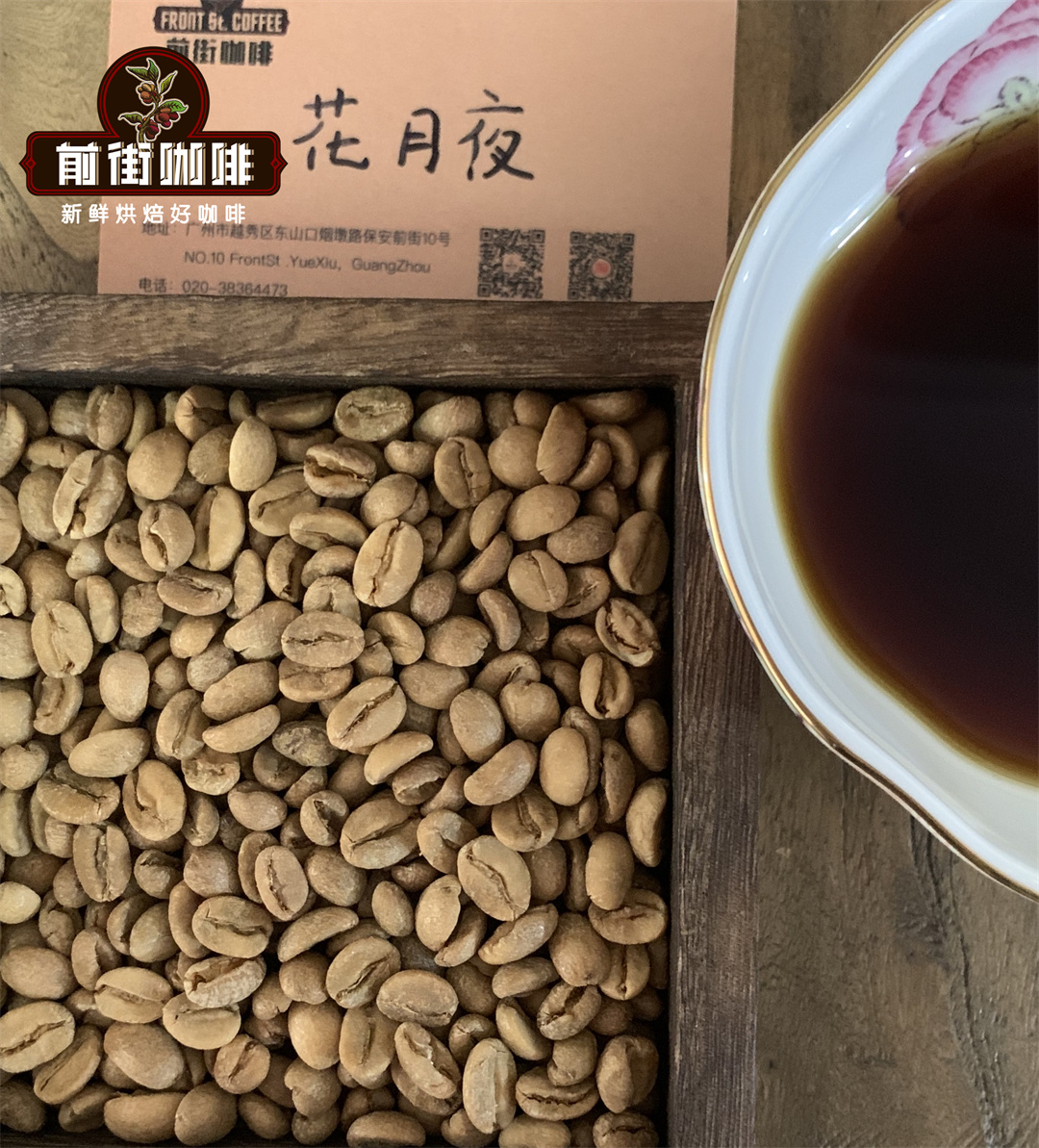
In terms of coffee bean selection, pour over generally uses a coarse grind size with 80% passage through a #20 sieve, suitable for light to medium roasted single-origin beans, with an optimal extraction water temperature of 91–93°C. Common equipment combinations include the V60 dripper paired with resin filter paper, which effectively filters impurities while preserving flavor delicacy. In contrast, espresso requires using a professional grinder to blend beans from multiple regions and grind them into extremely fine powder (about 100 microns), extracted under 9-bar pressure to form a concentrated shot within 30 seconds.
The core difference in production techniques lies in extraction pressure: pour over is completed under normal pressure (or 3-bar in a moka pot), while espresso machines generate 9-bar high pressure, subjecting the coffee puck to 133 kilograms of pressure. These extreme conditions prompt the coffee to release more soluble substances. Data shows that under the same coffee grounds quantity and grind size, espresso completed in 20–30 seconds contains significantly less caffeine than pour over coffee brewed in 1–3 minutes, but has a higher concentration per unit volume.
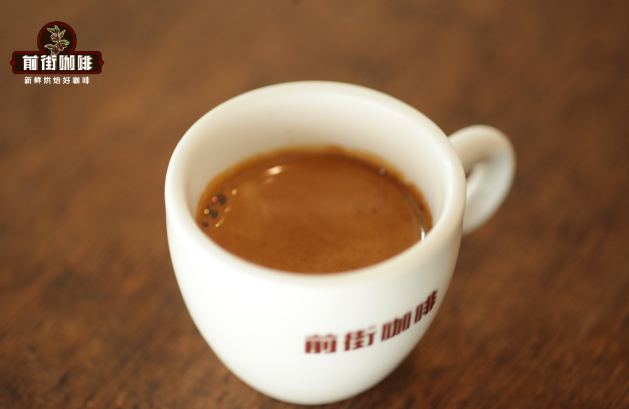
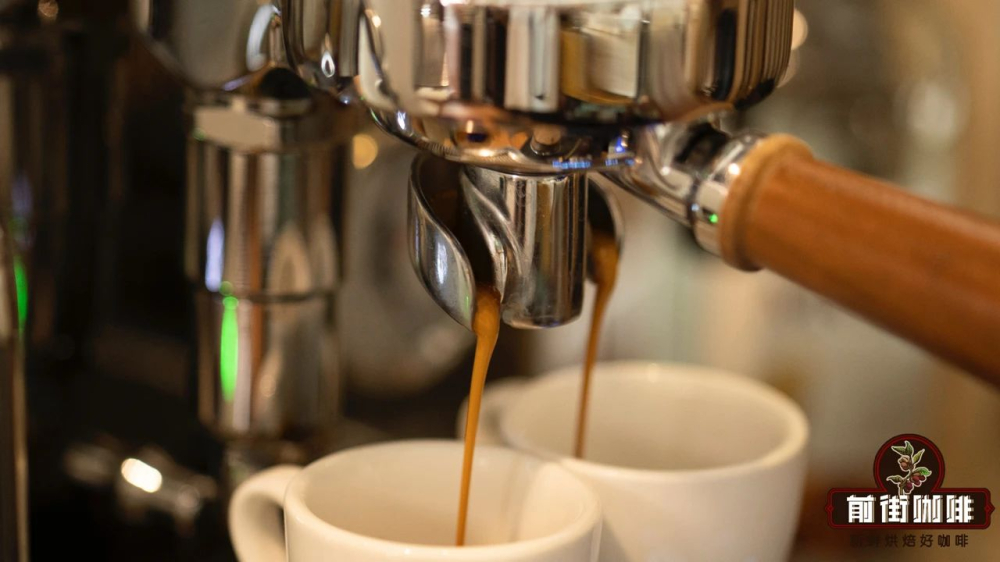
Professional espresso-making parameter example: Using a double-shot portafilter (approximately 18–20 grams capacity), it is recommended to use 20 grams of coffee, maintaining a 1:2 extraction ratio (yielding 40 grams of coffee liquid). Key parameters include: pre-infusion to wet the coffee puck, with the main extraction time strictly controlled within the 28–30 second range. Too fast a flow rate can lead to overly sour and thin flavors, while too slow can produce burnt and bitter off-notes. A certain café’s Sunflower Warm Sun blend (70% Honduras Sherry + 30% Ethiopia Red Cherry), extracted with these parameters, exhibits distinct whiskey-like aromas and berry acidity.
Regarding the suitability of espresso blends for pour over, it’s important to note that dark-roasted beans typically develop more caramelized compounds. While they can be tried with pour over, parameters need adjustment: it’s recommended to use a medium-coarse grind size (similar to white sugar granules), lower the water temperature to 88–90°C, and shorten the extraction time to within 1 minute and 30 seconds. Practical tests show that unadjusted espresso blends used directly for pour over can easily result in over-extracted woody bitterness, but with appropriate adjustments, they can still present a unique flavor profile.
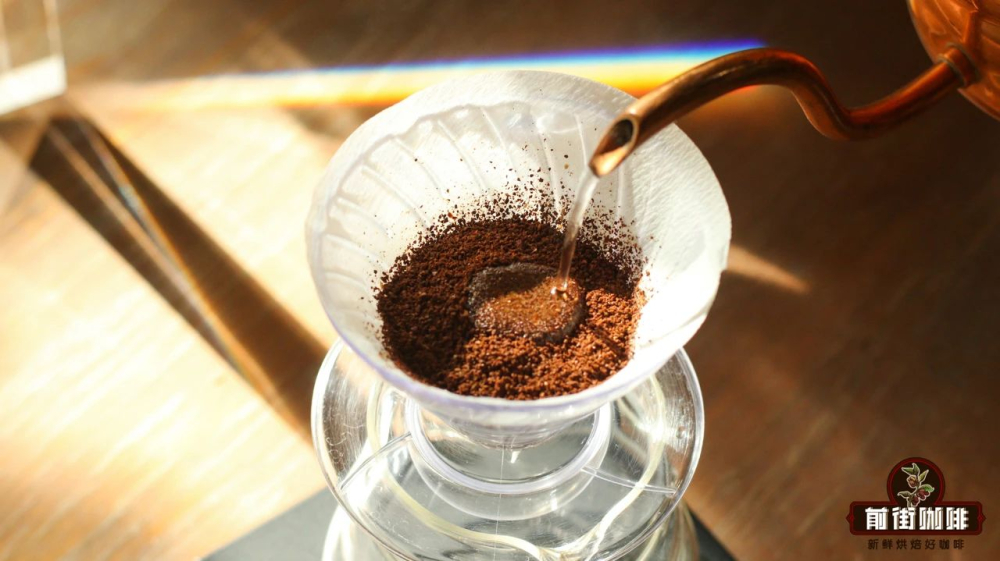
Standard home pour over operation guide: Basic equipment includes a pour over kettle (a gooseneck kettle is recommended for better water flow control), V60 dripper, electronic scale, and thermometer. Using 15 grams of coffee grounds as an example, with a 1:15 coffee-to-water ratio (total water volume 225 ml), a three-stage pouring method is recommended: first stage—30 ml bloom for 30 seconds to activate the coffee grounds; second stage—95 ml circular pour to reach 125 ml; third stage—100 ml pour to complete extraction. The total time is controlled at around 2 minutes, with attention to maintaining a stable water flow to avoid disrupting the coffee bed structure.
Advanced tips: Pre-wet the filter paper with hot water before use to remove any paper taste. Keep the kettle spout about 3–5 cm above the coffee bed during pouring. Common mistakes include over-grinding leading to channeling, excessively high water temperature scorching light-roast beans, and water pooling at the bottom of the dripper affecting flow rate. Beginners are advised to start with light to medium roasted single-origin beans, gradually mastering the flavor characteristics of beans from different regions and corresponding parameter adjustments.
The above content is compiled by CoffeeHunters, a coffee news website.


