







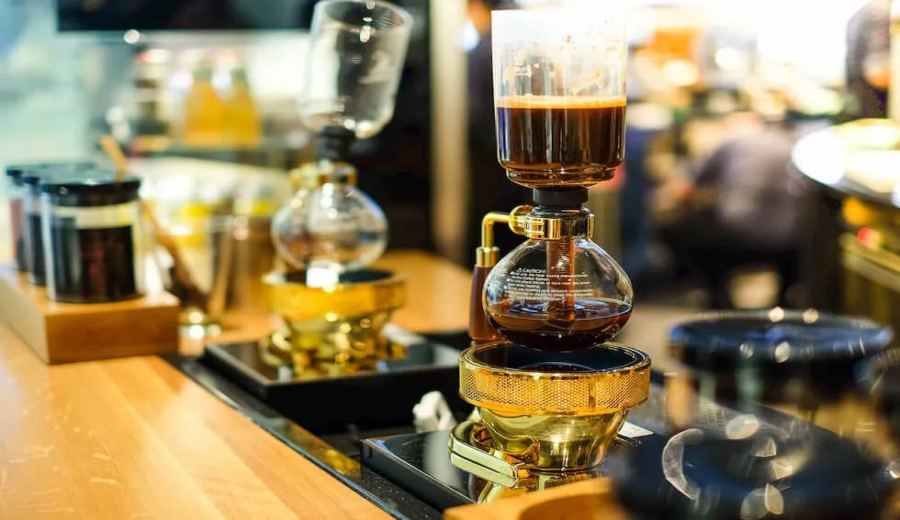
Introduction:With its unique structure and retro appearance, the siphon pot has always maintained a mysterious charm among coffee enthusiasts. This article delves into the key elements such as heating methods and filter material selection, starting from the device’s structure and extraction principles. Using an example of 18 grams of coffee grounds with a 1:10 coffee-to-water ratio and 88°C water temperature, it step-by-step demonstrates the brewing process. It also recommends types of coffee beans suitable for siphon extraction to help you master the skills for consistently producing rich and aromatic siphon coffee.
The siphon pot stands out among various coffee brewing devices due to its laboratory-instrument-like design. Not only is its appearance retro, but it also carries a hint of mystery. For many coffee lovers, the ritualistic feel of its operation and the layered flavors it ultimately delivers are key reasons to try siphon coffee. This article will provide a detailed introduction to the basic structure and extraction principles of the siphon pot, analyze the pros and cons of different heating methods and filter materials, and explain the complete siphon coffee brewing process using 18 grams of coffee grounds, a 1:10 coffee-to-water ratio, and 88°C water temperature as the standard. It also recommends several types of coffee beans well-suited for siphon extraction, allowing you to easily brew a cup of fragrant and smooth coffee at home.
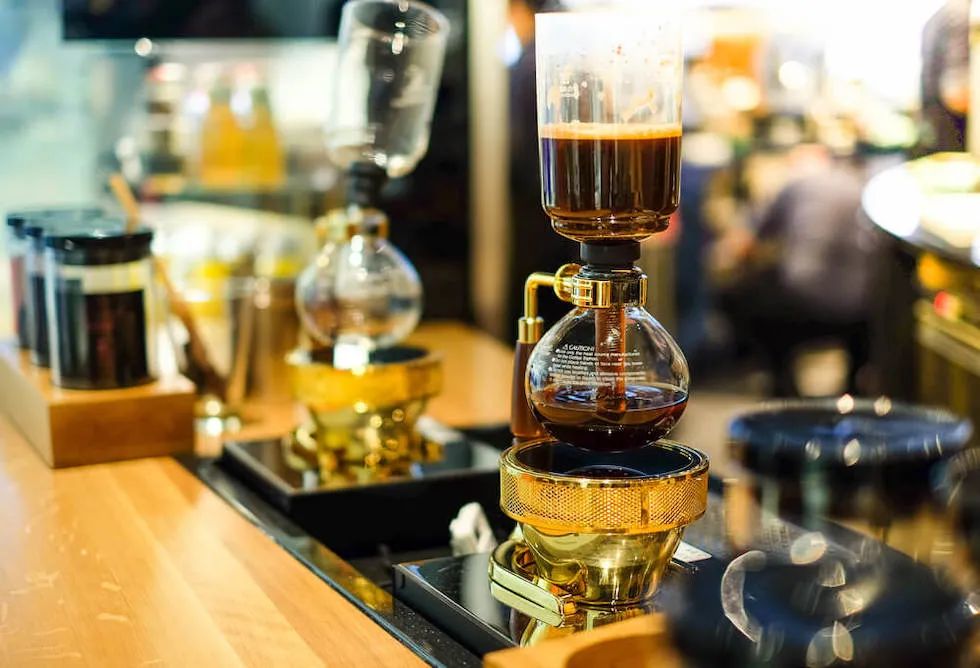
For many people, the process of brewing coffee with a siphon pot often carries an atmosphere of laboratory-like precision. Coupled with its frequent appearances in nostalgic films and TV shows, this adds an extra layer of mystery. As coffee enthusiasts, what we care more about is how this device actually works and what kinds of coffee flavor characteristics it can deliver.
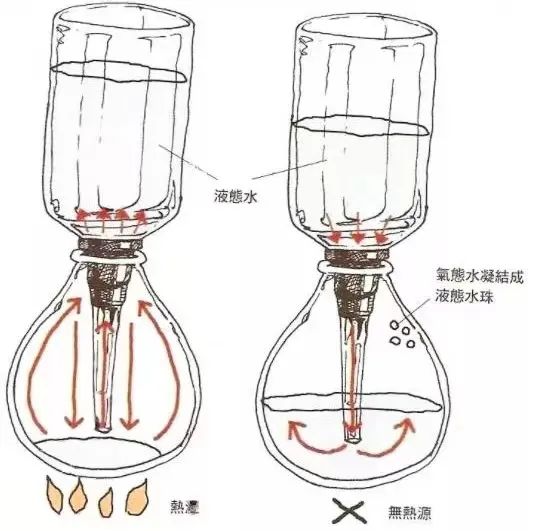
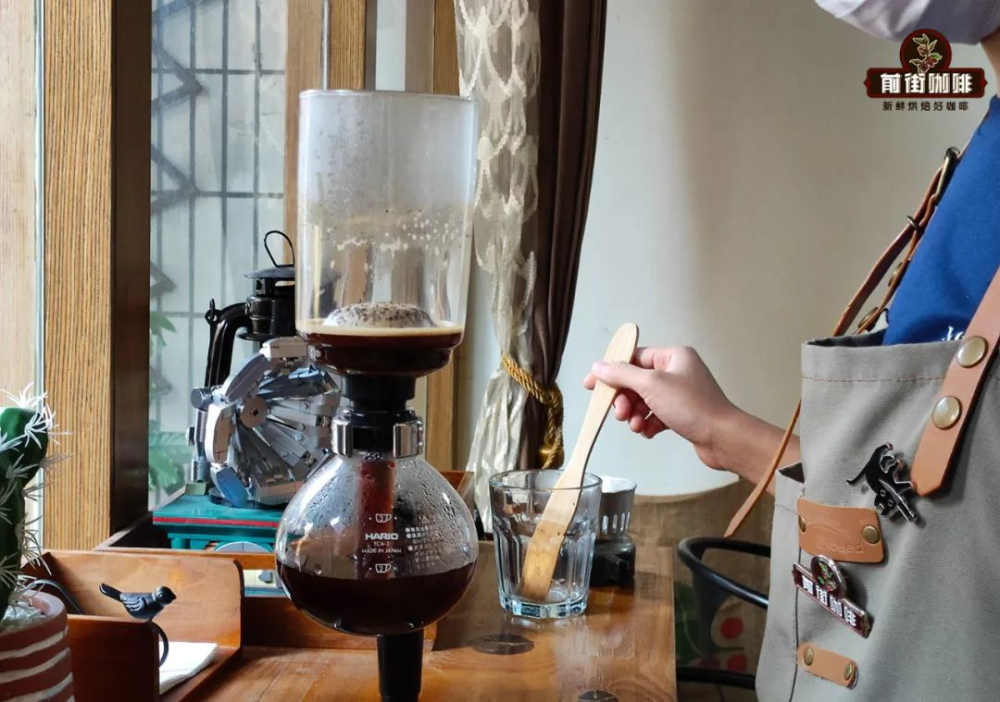
The siphon pot mainly consists of two glass chambers—one on the top and one on the bottom—and a stand. The lower chamber is usually spherical, which helps achieve even heating. The upper chamber is cylindrical, narrowing at the bottom and connecting to a slender tube, with a rubber gasket at the connection point. When the upper chamber is placed on the lower chamber, the gasket ensures a tight seal between them. Heating the lower chamber raises the water temperature, generating steam pressure that pushes the water up into the upper chamber, creating a space where the coffee grounds and water interact. Once the heat source is removed, the pressure difference between the two chambers disappears, and the brewed coffee flows back down through the tube into the lower chamber, completing the extraction process.
When it comes to choosing a heating method, the common options include an alcohol lamp, gas stove, and halogen lamp. Among these, the alcohol lamp is the preferred choice for many coffee enthusiasts due to its safety and ease of temperature control.As for filter materials, they are mainly divided into two types: flannel filters and round paper filters.. Flannel is a traditional filter material that retains more coffee oils, delivering a fuller-bodied taste, but it is relatively more cumbersome to clean and maintain. Paper filters offer more thorough filtration, effectively removing fine impurities and oils, making them suitable for users who prefer a cleaner taste. If you don’t brew coffee frequently, it is recommended to prioritize using flannel to better experience the full flavor of siphon coffee. Additionally, there is usually a small ball above the filter screen. Its role is not only to prevent sudden boiling but also to allow you to observe changes in water temperature through the surrounding bubbles. In addition to the main equipment, preparing a stirring stick and a damp cloth is also necessary to assist in operation and control the speed of the coffee’s return flow.
The extraction principle of the siphon pot relies on a pressure difference to function. First, the water in the lower chamber is heated to boiling. Then, the upper chamber is placed on top. At this point, the steam pressure inside the lower chamber increases, pushing the hot water up into the upper chamber, where it comes into full contact with the coffee grounds. Once the heat source is removed, the pressure difference between the two chambers decreases, and the brewed coffee naturally flows back down through the tube into the lower chamber, completing the extraction. If you want to speed up the return flow, you can place a damp cloth on the outer wall of the lower chamber to further reduce the internal pressure, allowing the coffee liquid to return more quickly.
To brew a cup of siphon coffee with outstanding flavor, every step is worth paying attention to. The following demonstrates the brewing process using 18 grams of coffee grounds, a 1:10 coffee-to-water ratio (approximately 180 milliliters of water), and 88°C water temperature.
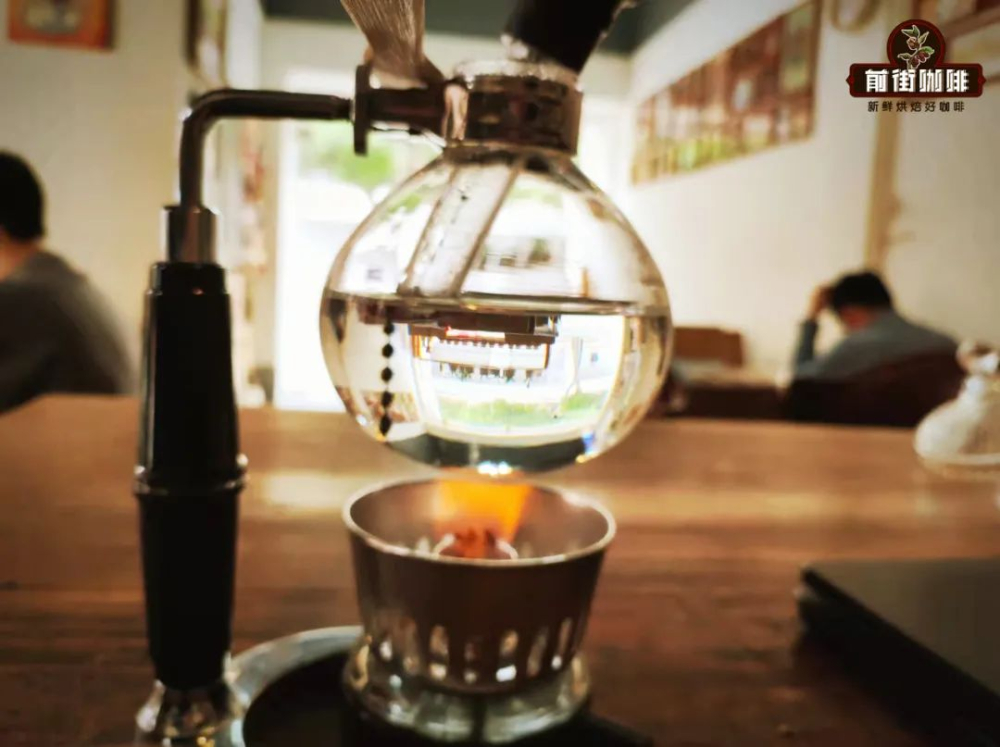
The water temperature is set to 88°C, and the grind size is recommended to be adjusted to approximately 90% passing through a No. 20 sieve, i.e., medium-fine grind, similar in texture to superfine sugar.. First, pour 180 milliliters of warm water into the lower chamber. Use a dry cloth to wipe the outer wall of the chamber clean to prevent the glass from cracking due to temperature differences during the heating process. Light the alcohol lamp and place it at the bottom of the lower chamber to begin heating.
Take out the upper chamber, first secure the filter cloth properly, and hang the fixing hook on the wall of the upper chamber’s tube. Then insert it diagonally into the lower chamber. Wait until small continuous bubbles start to appear in the lower chamber, then straighten the upper chamber to ensure it is vertically and tightly sealed against the lower chamber.
Once the water in the lower chamber has completely risen into the upper chamber, pour in the pre-ground coffee. Use the stirring stick to gently stir clockwise from the outside in for about 10 seconds, ensuring all the coffee grounds are evenly wetted. Then start the timer. About 40 seconds later, stir quickly again in the same manner for 5 seconds, and immediately remove the alcohol lamp and extinguish the flame. At this point, the brewed coffee will begin to flow back down into the lower chamber. During this process, you can wipe the outer wall of the lower chamber with a damp cloth to help accelerate the return flow. The entire extraction time is controlled atabout 1 minute and 10 seconds..
Finally, carefully remove the upper chamber and pour the coffee from the lower chamber into your cup to enjoy. The siphon coffee brewed in this way is richly aromatic. Although it may not be as clear and bright as pour over coffee, the layer of coffee oils floating on the surface adds a touch of richness to the overall flavor.
Regarding the selection of coffee beans suitable for the siphon pot, medium to dark roasts are traditionally recommended. These beans usually have rich, mellow aromas and balanced, rounded flavors, making them very suitable for siphon extraction. For example, sun-dried beans with tropical fruit notes or beans processed with noticeable fermentation characteristics can both showcase unique layers in the siphon pot.
If you enjoy coffee that is bright, sweet, and rich in fruity flavors, you might want to try the sun-dried Yirgacheffe coffee beans from a certain coffee bean selection. These beans are made from ripe coffee cherries that are sun-dried, preserving the full sweetness of the pulp, which results in a pronounced ripe fruit acidity and sweetness when brewed in the siphon pot, with almost no bitterness. The overall flavor is refreshing and pleasant, like fruit tea.
Additionally, the muscat grape raisin honey-processed Costa Rica Mozart coffee beans are also a great choice. This processing method retains 100% of the fruit mucilage and undergoes sealed fermentation, resulting in beans with intense sweetness. Through siphon pot extraction, it highlights their rich tropical fruit acidity and sweetness, along with a rounded texture. The balance of sweet and sour flavors and the layered complexity make it highly suitable for coffee lovers who enjoy fruity profiles.
The above content is compiled by CoffeeHunters, a coffee news website.


