







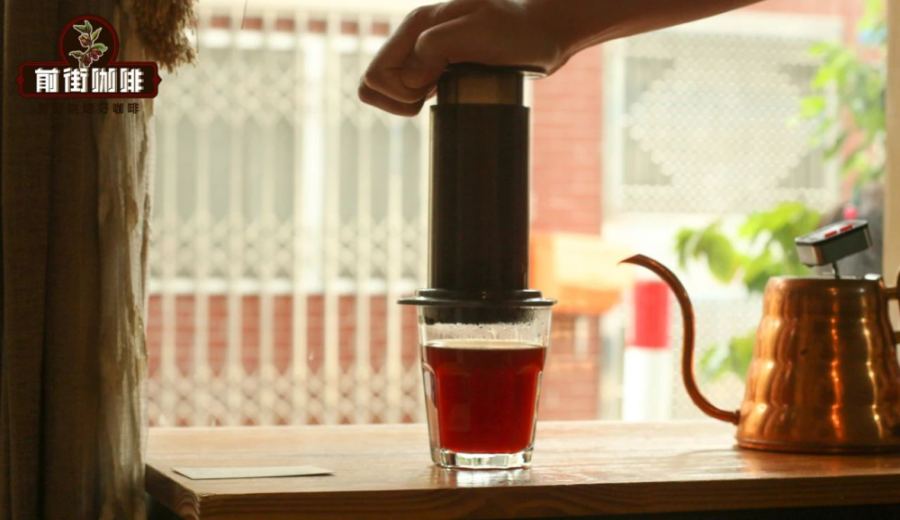
Introduction:The AeroPress is a uniquely shaped and easy-to-use coffee brewing device, renowned for its fast extraction and versatile brewing methods. It has even inspired a global competition—the AeroPress Championship. This article delves into its design inspiration and brewing logic, using a classic Kenyan coffee bean as an example to guide you from scratch in mastering the inverted brewing technique. You’ll learn why it’s hailed as the “syringe coffee,” as well as its practical advantages and flavor potential.
The AeroPress is an unconventional-looking coffee brewing tool, invented by Alan Adler, the creator of the Frisbee. Its design was inspired by the pressurized extraction principle of espresso machines. With a simple structure, portability, and affordable price, it’s not only suitable for everyday use but also highly adaptable—so much so that it has given rise to the annual World AeroPress Championship (WAC), attracting countless coffee enthusiasts to engage in creative experimentation.
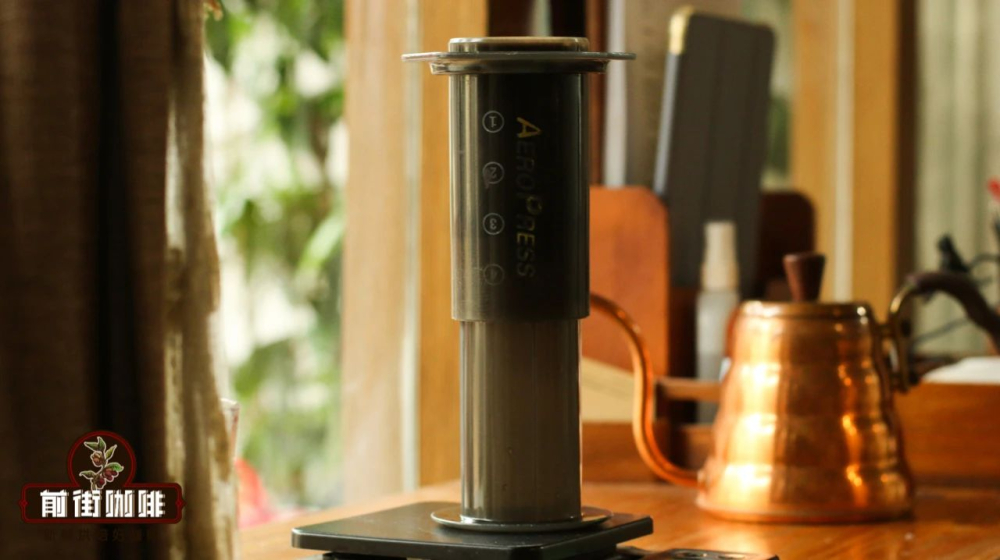
This coffee tool consists of two main components and achieves extraction in a short time through manual pressure, producing a coffee that is rich and balanced in flavor. Though its appearance may seem novel, its basic principle shares similarities with that of an espresso machine. The difference lies in the fact that it doesn’t rely on electricity or complex mechanical structures but instead relies entirely on manual pressure to complete the brewing process.
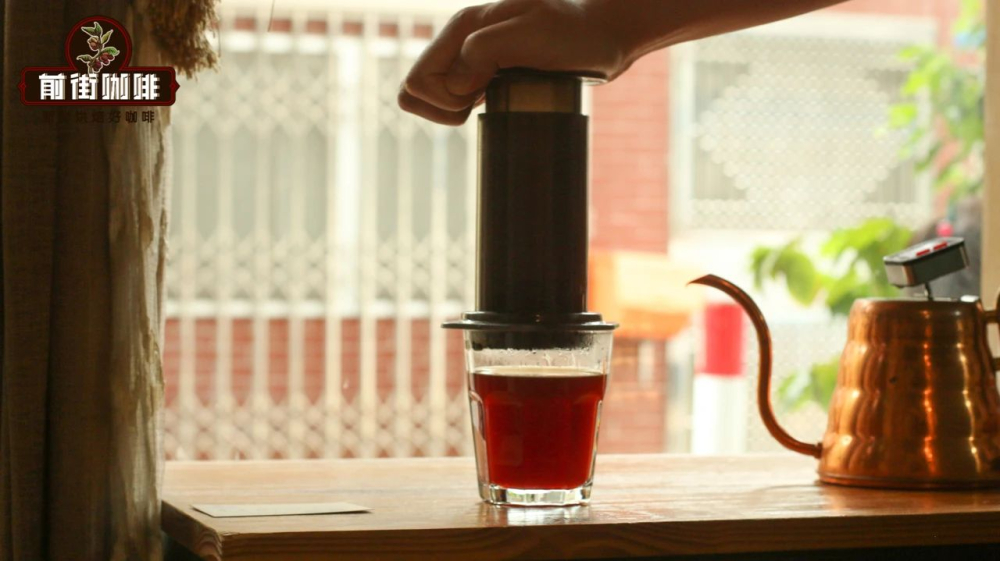
Compared to the commonly used French press, the AeroPress not only looks different but also recommends significantly lower brewing water temperatures and shorter brewing times, which help highlight the delicate flavor layers of the coffee. When it was first introduced in 2005, many specialty coffee professionals were skeptical about its practicality, considering it more of a novelty gadget than a professional-grade brewing device. However, as more real-world brewing examples and flavor results emerged, the AeroPress gradually gained market recognition.
Designer Alan Adler initially approached the project from an engineering perspective, aiming to reduce the bitterness of coffee by shortening the brewing time. This led to the development of a pressurized closed system that accelerates extraction. This innovative approach also allowed the AeroPress to spawn a variety of brewing methods after its launch—from positive pressure to inverted brewing, and from fast extraction to slow dripping—offering diverse and flexible options.
This high degree of experimentation is also one of the key reasons why the AeroPress stands out and has become a favorite among coffee lovers worldwide. Not only is it easy to operate, but it’s also very convenient to clean. Coupled with its portable design and affordable price, it can be easily used at home, in the office, or even outdoors. Moreover, it allows for adjustments based on different brewing parameters, showcasing a wide range of coffee flavor profiles.
When discussing the global impact of the AeroPress, one cannot overlook the World AeroPress Championship (WAC). This competition was first held in 2008 in Oslo, Norway, initiated by Tim Varney and renowned barista Tim Wendelboe. Initially, it had only three participants. However, thanks to its user-friendly nature and creative freedom, the WAC quickly gained popularity within the global specialty coffee community. By 2018, over 3,157 participants from 61 countries had competed in person, with online viewership reaching 68,265.
The appeal of the WAC lies in its low barrier to entry and high level of experimentation. Unlike traditional barista competitions that emphasize machine performance and technical precision, the WAC encourages participants to get creative by adjusting various factors such as brewing time, water temperature, coffee-to-water ratio, and pressing method to find their ideal flavor profile. This open spirit not only enhances the AeroPress’s playability but also allows coffee enthusiasts from around the world to exchange experiences through the competition, sparking even more delicious possibilities.
Next, we’ll use a specific Kenyan coffee bean with notes of small tomatoes as an example to demonstrate the classic inverted brewing method. This bean, when brewed using pour over, often exhibits bright acidity reminiscent of dark plum and cherry tomatoes, along with a clean fruity sweetness akin to pears—making it an excellent candidate to showcase its complexity using the AeroPress.
【Brewing Parameters】
Coffee dose: 18g
Grind size: Approximately EK43s setting 7 / 20-mesh sieve 90% extraction rate (finer than standard pour over)
Coffee-to-water ratio: 1:11 (total water volume about 200ml)
Water temperature: 90°C
Brewing method: Inverted (Inverse Brewing)
【Step-by-step Instructions】
1. Place two round paper filters into the filter cap, wet them with hot water, and ensure they adhere tightly to the cap (if round filters are unavailable, you can cut your own to the appropriate size).
2. Push the plunger to approximately the ④ mark on the brewing chamber, then invert the entire device.
3. Add the ground coffee and an equal amount of 90°C hot water, and start the timer immediately.
4. Use a stirring stick to slowly and evenly stir the coffee grounds for about 10 seconds to help with even saturation and initial extraction.
5. Attach the filter cap with the paper filters in place, and position a prepared server or cup upside down over the spout.
6. After about 1 minute, flip the entire setup and slowly press the plunger down to “push” the coffee out of the chamber.
The entire brewing process takes about 1 minute and 20 seconds. The inverted method is more stable compared to the standard method, making it especially suitable for beginners and effectively reducing the likelihood of mistakes. The final brewed Kenyan coffee boasts bright flavors, a balanced acidity and sweetness, a juicy mouthfeel, and a round, layered texture—perfect for coffee lovers who enjoy fruity profiles.

The above content is compiled by CoffeeHunters, a coffee news website.


