








Introduction:Although an iced latte may seem simple, there are actually quite a few key details involved in crafting one that tastes close to what you’d get at a professional coffee shop. This article will delve into how to prepare a well-balanced, layered iced latte—from ingredient selection and setting the milk-to-coffee ratio, to practical tips during preparation. Whether you’re a beginner or a coffee enthusiast, you’ll gain useful techniques and reference data here.
The process of making an iced latte may appear to have just three steps: add ice, pour in milk, then add coffee. But to achieve the smooth, layered flavor akin to that of a café-quality drink, there are many easily overlooked details involved. From the choice of coffee beans and the texture of the milk, to the ratio of ice to liquid, each step affects the final taste. This article will explore these elements in depth and provide specific reference values to help you craft a more professional-style iced latte.

Espresso is a staple drink in many cafés, and the iced latte is one of the most popular and relatively easy-to-master milk-based coffee drinks. Though it looks simple, from ingredients to technique, it involves a fair bit of skill. The charm of the iced latte lies in how it balances the flavors of coffee and milk—a balance that often depends on how you choose and combine each ingredient.
First, choosing the right ingredients is the first step to success. One of the key reasons why iced lattes from different places have varying flavors is the use of different coffee beans and milk. The roast style and origin characteristics of the beans directly influence the overall tone of the drink. For example, most Italian-style blends offer a rich profile of nuts and chocolate, making the coffee flavor in the iced latte more pronounced; while certain specialty blends can highlight the sweetness and silky texture of the milk.
As for the milk, the choice is equally important. There are many types of whole fresh milk available on the market—some with intense milk aroma and a rich mouthfeel, others relatively light and almost watery in texture. It’s recommended to match the milk to the characteristics of the coffee. An overly strong milk flavor may mask the delicate notes of the coffee, while milk that’s too light can make the overall taste feel thin and lacking in layers.
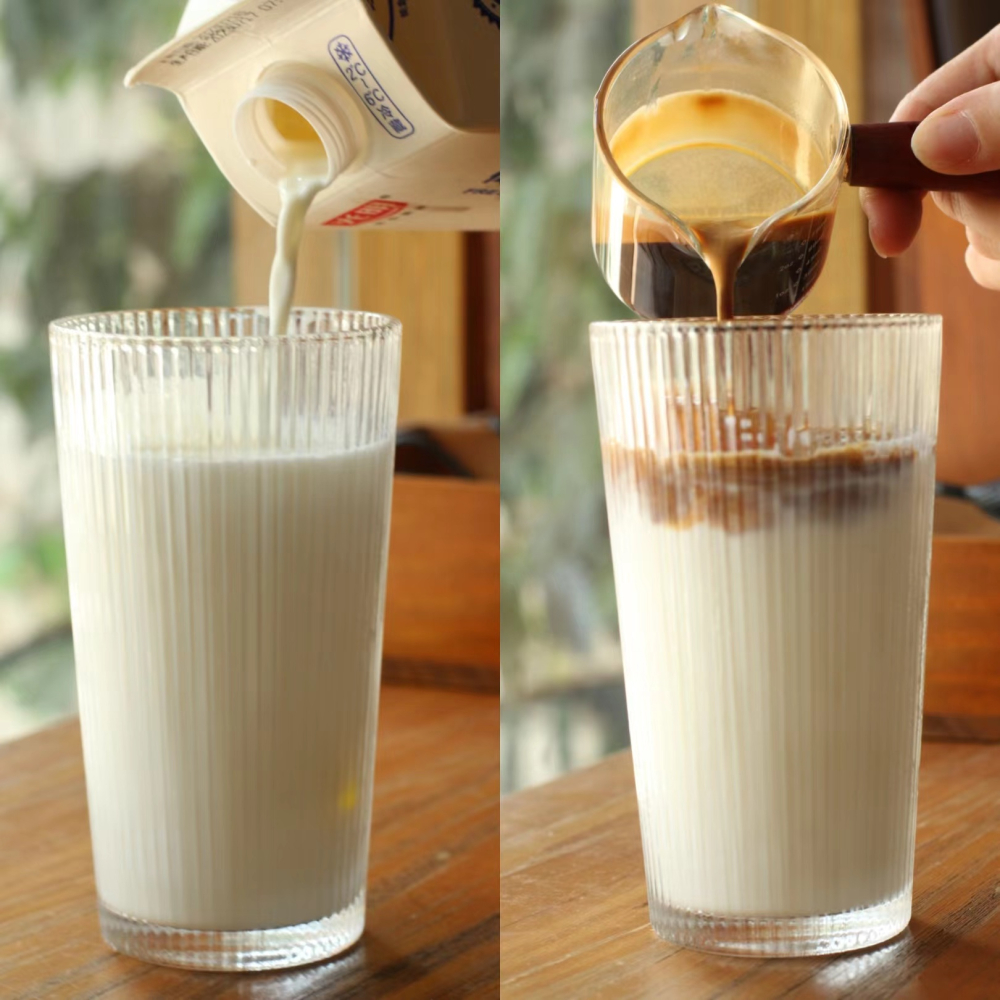
Next is the setting of the milk-to-coffee ratio. Even with the right ingredients, an imbalance in proportions can still make it hard to achieve the desired flavor. Taking a common recipe as an example, the recommended ratio of espresso to milk is 1:6—that is, 40 grams of espresso liquid paired with approximately 240 grams of iced milk and 75 grams of ice cubes, poured into a transparent glass cup with about a 300 ml capacity. This ratio is based on multiple adjustments and actual tasting feedback, and while not an absolute standard, it serves as a good starting point for beginners.
In practice, you can fine-tune according to personal taste: if you prefer a stronger coffee flavor, slightly increase the amount of espresso liquid; if you want a smoother, more milky taste, you can moderately increase the proportion of milk. However, be aware that too much milk can overpower the coffee’s original flavor, and too high a proportion of ice cubes may result in a weak-tasting drink. Aim to maintain an appropriate balance.
Finally, operational details are equally crucial. Though the steps may seem straightforward, there are still many points to watch out for during actual preparation. Among them, the extraction quality of the espresso is the core factor influencing the flavor of the entire iced latte. Common extraction issues, such as channeling or improper time control, can lead to an imbalanced coffee taste, thereby affecting the overall outcome.
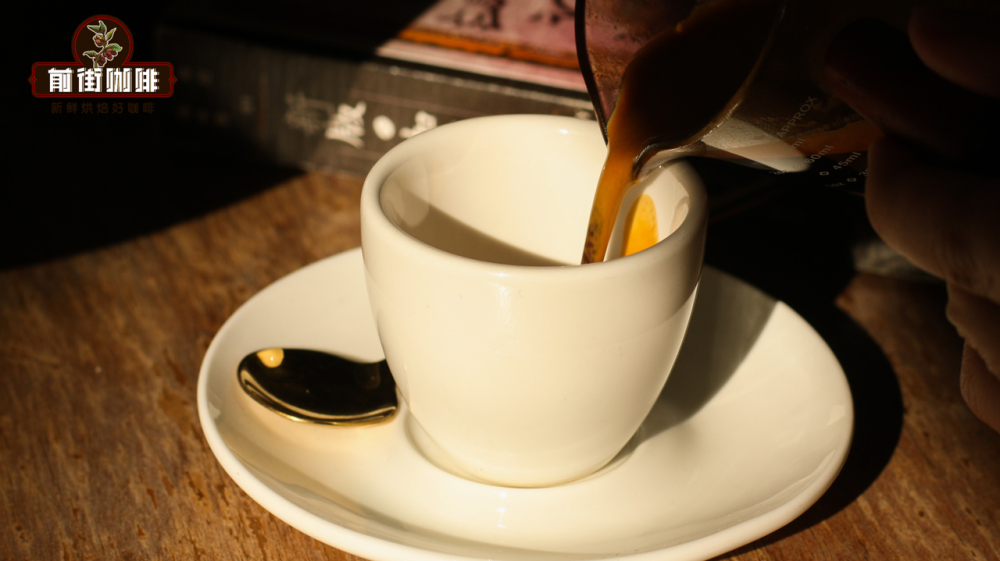
Additionally, speed is essential when preparing the drink—try to minimize the time the ice and milk sit in the cup, and pour the freshly extracted espresso immediately after brewing. This not only preserves the layered effect of the coffee but also prevents the ice from melting too quickly, which can dilute the drink. It’s especially important to note that freshly extracted espresso has a rich crema on top, creating an aesthetically pleasing layered look. However, if left to sit for more than 30 seconds, the crema will gradually dissipate, not only affecting the appearance but also reducing the drink’s aroma and flavor performance.
The above content is compiled by CoffeeHunters, a coffee news website.


