








Introduction:The Piccolo Latte is a miniature milk coffee originating from Australia. Though it belongs to the same family of small-format espresso-and-milk drinks as the Flat White, it comes in an even smaller cup with a more concentrated flavor. This article will delve into the characteristics of the Piccolo, covering cup size, ratio formulation, professional extraction and milk texturing parameters, and comparing its key differences with the Latte and Flat White — helping you master the essence and brewing details of this “high-concentration essence” coffee.
The Piccolo Latte, quite popular in Australian cafes, is often referred to as a “small Latte,” but it actually differs significantly from the familiar Latte and Flat White. This coffee comes in a cup of only about 90 milliliters, based on a single shot of Ristretto, with a small amount of warm milk topped with a thin layer of microfoam. Overall, it delivers a rich and intense flavor, making it ideal for those who enjoy savoring the true essence of coffee.
The name “Piccolo” means “small” in Italian, and it also shares its name with the musical instrument “piccolo.” This aptly describes its diminutive size. This coffee style was originally developed by roasters and baristas when testing new beans — as a way to avoid wasting espresso. Since the standard Latte cup size is too large and can lead to excessive leftover coffee during testing, they switched to a smaller cup and reduced the proportion of milk, gradually evolving into today’s Piccolo.
In terms of cup size and formulation, the Piccolo differs markedly from other common milk coffees.Australian baristas typically use a small cup with a capacity of about 90 milliliters (3 ounces).They base it on a single Ristretto shot of about 15 milliliters, then add about 75 milliliters of warm milk with a thin layer of microfoam, keeping the total volume around 90 milliliters — just a few sips to finish. In comparison,a Flat White usually has a volume of about 150 to 200 milliliters,typically based on a double shot of espresso, paired with about 150 milliliters of hotter milk with a denser texture and less foam, making it better suited for slow sipping.
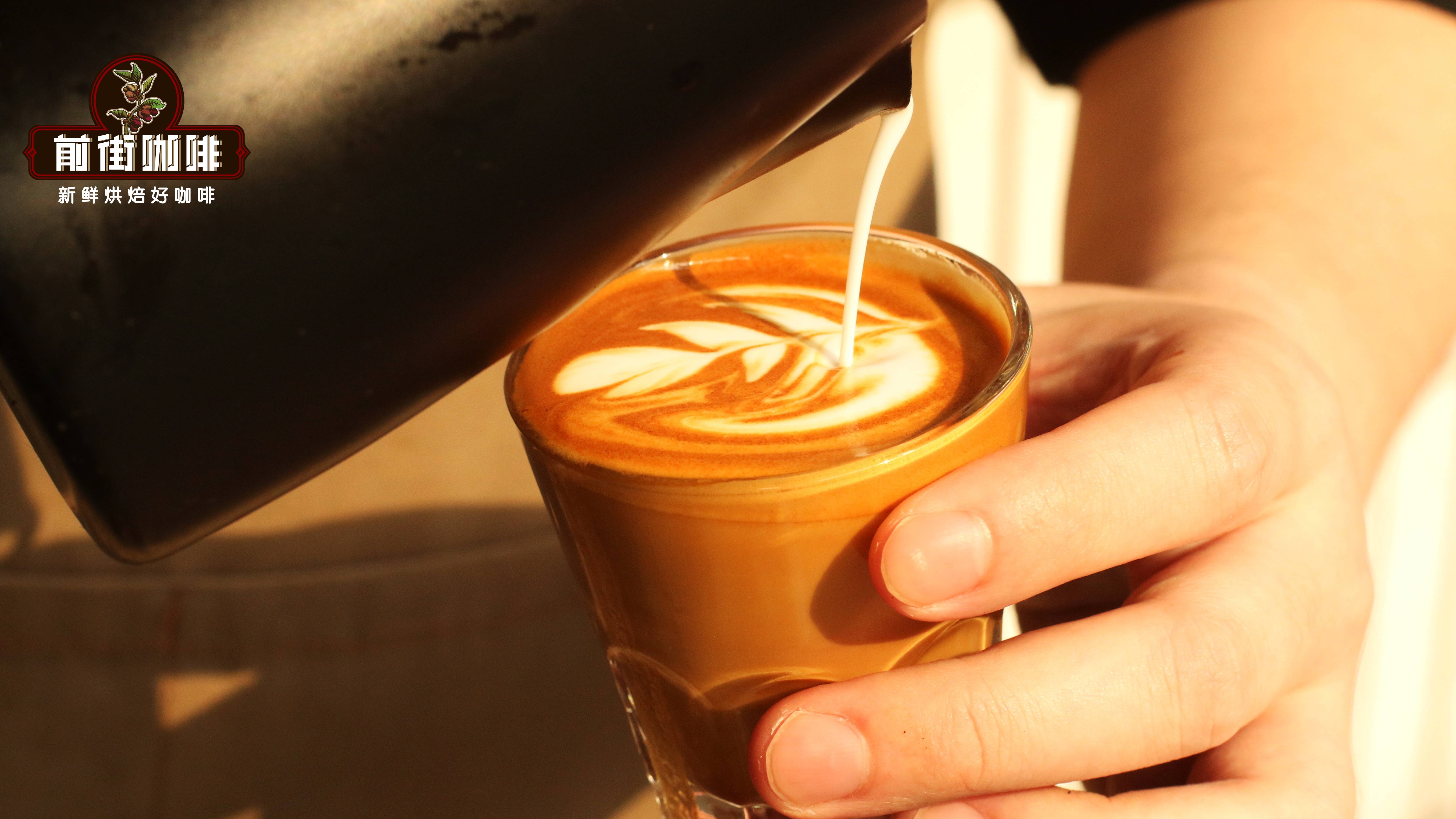
Due to its extremely small cup size, the Piccolo highlights the aroma and flavor layers of the coffee itself even more, while also posing a greater technical challenge to the barista. Achieving proper integration and latte art in such a small cup not only requires consistent quality of the espresso shot, but also precise control over the texture of the milk and thickness of the microfoam. Too thick a foam can mask the delicate nuances of the coffee, while too thin a foam may affect the smoothness of the mouthfeel.
Taking the actual preparation parameters from professional coffee shops as an example, when making a Piccolo,the ratio of coffee to milk is generally controlled at around 1:5,and it is recommended to preheat the cup in advance to maintain the optimal drinking temperature. The coffee part uses a single Ristretto shot — a term in Italian that means “restricted,” referring to extracting only the first and middle parts of the espresso shot, thereby achieving a more concentrated flavor and higher strength. In practice,it is common to use 20 grams of coffee grounds to extract 28 grams of coffee liquid within 20 to 25 seconds,with the first 14 grams or so used as the Ristretto, poured first into the preheated small cup.
The milk preparation is equally meticulous. With a total volume of only about 100 milliliters, frothing the milk becomes relatively more challenging.It is recommended to use a 350-milliliter milk pitcher, pouring in about 100 milliliters of milk,and using minimal air intake and a short texturing time to producea fine microfoam with a thickness of about 0.3 millimeters,while maintaining a texturing temperature between 55°C and 60°C to avoid overheating and affecting the overall taste. Then, evenly integrate the microfoam with the Ristretto, and once the cup is filled to about seven-eighths, a simple latte art can be poured. It is recommended to drink it immediately afterward to enjoy the best flavor.
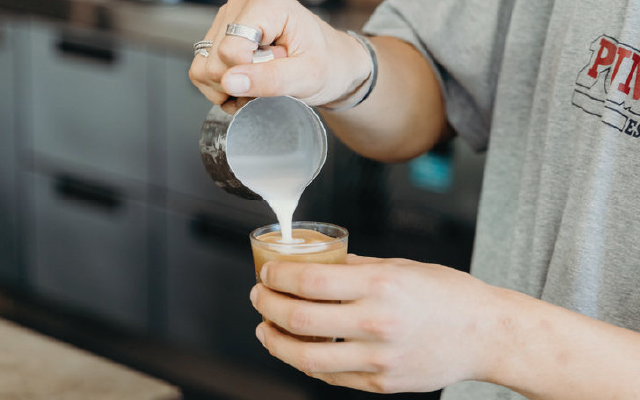
The finished Piccolo coffee typically exhibits flavor notes of vanilla, cream, chocolate, and a hint of whiskey, accompanied by a tart-sweetness reminiscent of berries. Overall, it showcases the depth of the espresso and the smoothness of the milk, with a distinct and lingering aftertaste. This flavor profile is made possible by the small cup size and high proportion of coffee, allowing each sip to fully deliver the essence of the coffee.
So why is this Piccolo coffee, which enjoys considerable popularity in Australia, relatively niche in the domestic market? One reason is that,unlike the Flat White, the Piccolo lacks promotion by large chain brands,so most consumers remain unfamiliar with it. Additionally, domestic cafes generally emphasize a relaxed atmosphere, where customers are accustomed to slowly enjoying a cup of coffee. The Piccolo, however, due to its small volume, is often finished in just a few sips — making it less compatible with this consumption context.
Another practical factor is price. Although the cup size is only about 90 milliliters, the Piccolo is often priced similarly to a Latte. For consumers seeking a sense of “portion value,” they naturally tend to opt for larger options. However, with the development of specialty coffee culture, more and more cafes are beginning to offer the Piccolo, enabling customers to savor the unique flavors of coffee beans in a more refined way — especially appealing to enthusiasts who wish to gain a deeper understanding of the essence of coffee.
The above content is compiled by CoffeeHunters, a coffee news website.


