








Introduction:Dirty coffee, with its striking visual layers and the interplay of hot and cold flavors, has become one of the most popular milk coffees in summer. However, replicating the stunning taste you get at a café at home isn't easy. This article will delve into the essential elements of Dirty coffee, including how to choose the right coffee beans and milk, as well as mastering key brewing and assembly techniques, to help you easily create a Dirty with long-lasting layers and strong flavor contrast.
On a summer afternoon, what drink could be more comforting than a Dirty coffee with its beautiful layers and vibrant flavors? This creative beverage, which pours hot espresso directly over ice-cold milk, captivates countless coffee lovers with its dramatic contrast of visuals and taste. However, many find it challenging to recreate that astonishing impact they experience at cafés when making it at home. In truth, the key charm of Dirty lies in “contrast” — from temperature and texture to aroma and layering, every aspect is all about juxtaposition.
The soul of Dirty coffee lies in the extreme contrast between the espresso and the milk. Hot espresso meeting icy milk not only creates a sharp temperature contrast but should also achieve a flavor that complements each other. The boldness and bitterness of the espresso should stand in strong contrast to the sweetness and creaminess of the milk to deliver a richly layered taste experience. This contrast is what sets Dirty apart from regular iced milk coffee.

To make an impressive Dirty, the first and most crucial step is choosing the right coffee beans. The character of Dirty coffee primarily comes from the first sip of the espresso, so the selection of beans is vital. Generally, light roast beans may have bright acidity but can often taste thin, lacking a distinct contrast with milk; dark roast beans, on the other hand, can be overly bitter and overpower the milk’s subtle sweetness. Therefore, it’s recommended to choosemedium-dark roasted coffee beans, which typically offer rich chocolate and nutty notes, with noticeable but not harsh bitterness that balances perfectly with the milk’s sweetness while maintaining flavor complexity.
As for milk, it’s equally a key factor influencing the performance of Dirty. The thickness, sweetness, and fat content of the milk all affect the final mouthfeel and layering effect. Since espresso itself has a rather bitter profile, the milk you pair it with should berelatively sweet and creamy in texture, such as whole fresh milk or high-protein milk. These types of milk not only provide a fuller sweetness but also, due to their higher density, help maintain a more stable and longer-lasting layering in the cup. However, be mindful that if the milk is too thick or has a distinctive flavor (such as the cooked taste from ultra-high temperature pasteurization), it may affect the overall balance.
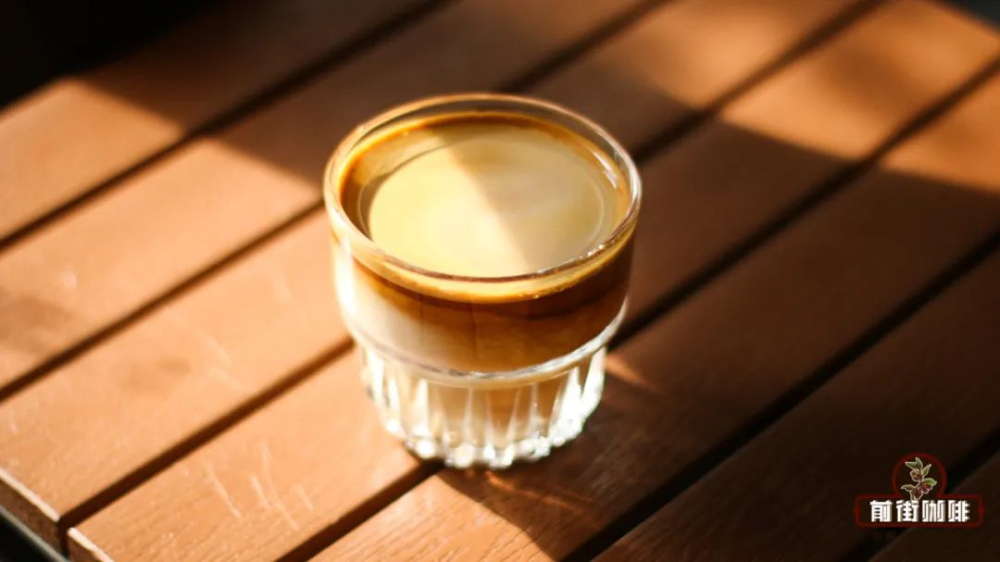
Temperature is also a critical element in Dirty coffee. To create a strong contrast in mouthfeel, it’s advised to brew the espresso using hot extraction, around 85–92°C, which fully releases the coffee’s aroma and flavor; the milk, on the other hand, should be ice-chilled fresh milk, ideally around 2–5°C. This temperature difference not only delivers a sharp contrast in taste but also helps extend the duration of the layered effect. In addition,it is recommended to pre-chill the cup before brewing, which can effectively slow down the warming of the milk and enhance both the visual and sensory experience of the Dirty.
In actual Dirty preparation, technique also plays a vital role. A common mistake is pouring the espresso with too much force, causing the hot coffee to quickly mix with the milk, losing the layered effect and turning it into an ordinary iced milk coffee. To avoid this, place the milk cup on a stable surface and try tominimize the distance between the espresso spout and the milk surface, allowing the coffee to flow slowly into the milk to form a clear separation. Some baristas use the back of a spoon to block the flow or adjust the angle of the spout to control speed—techniques that can significantly improve layering.
In summary, making a great Dirty coffee requires not just understanding the principles of flavor and texture contrast, but also putting effort into bean selection, milk choice, temperature control, and technical details. Master these elements, and you can easily make a stunning Dirty coffee at home, enjoying a unique coffee experience in the summer.
The above content is compiled by CoffeeHunters, a coffee news website.


