







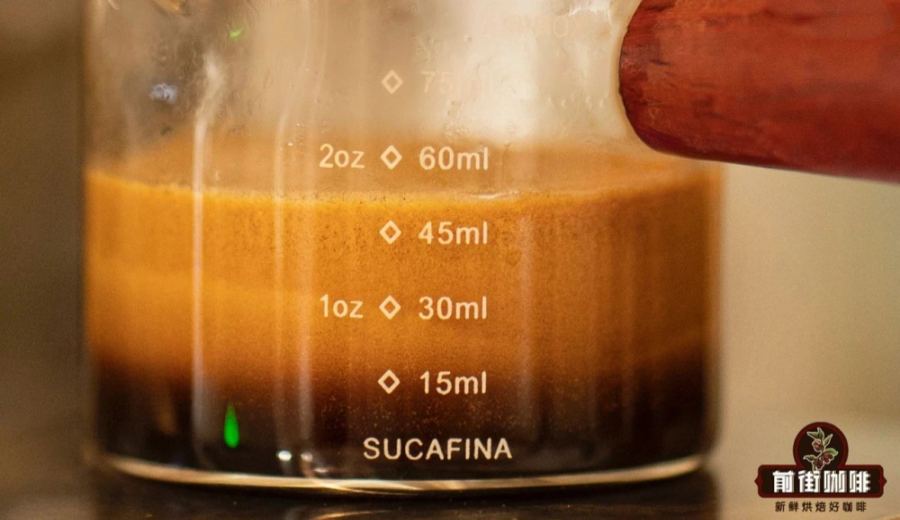
Introduction:Many coffee enthusiasts often judge the flavor and quality of espresso by the crema (coffee foam) on its surface, believing that the more golden and fine the crema, the better the coffee tastes. But can crema really serve as an indicator of coffee quality? This article will delve into the principles and variations of crema formation by examining key factors such as extraction pressure, coffee bean freshness, roast level, and grind size, helping you better understand the relationship between crema and coffee flavor, and avoid common evaluation pitfalls.
Observing the golden layer of foam (crema) on the surface of espresso has become a habit for many when judging whether a coffee is delicious. Many people believe that the finer, denser, and more golden the crema, the higher the quality and better the flavor of the coffee. But can the state of crema truly reflect the extraction results and flavor performance of a shot of espresso?
To unravel this myth, we can conduct two simple observation exercises, combined with extraction parameters such as pressure, the roast level of the coffee beans, grind size, and freshness, to further clarify the truth about crema. In fact, while crema can provide some signals, it is by no means the sole criterion for judging coffee quality.
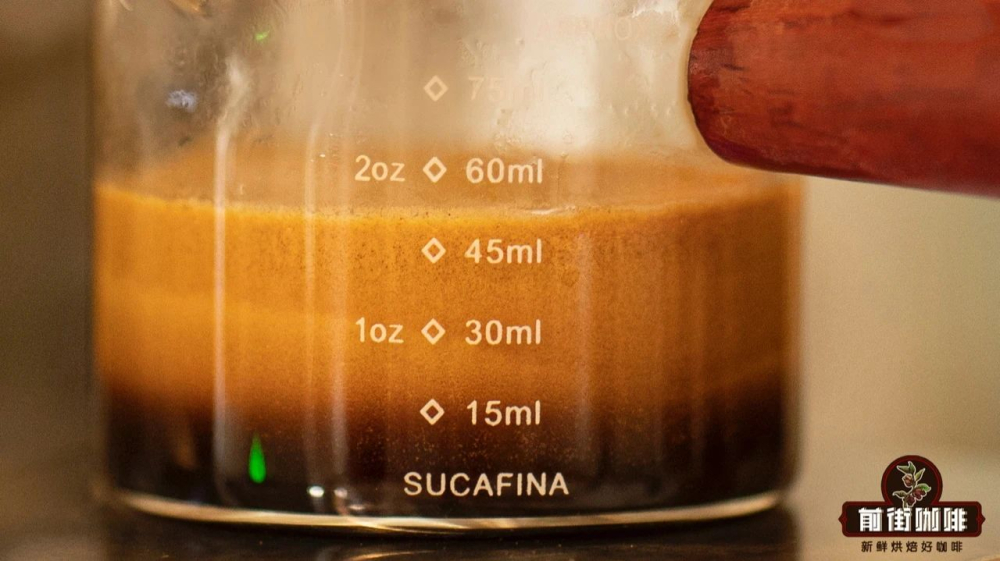
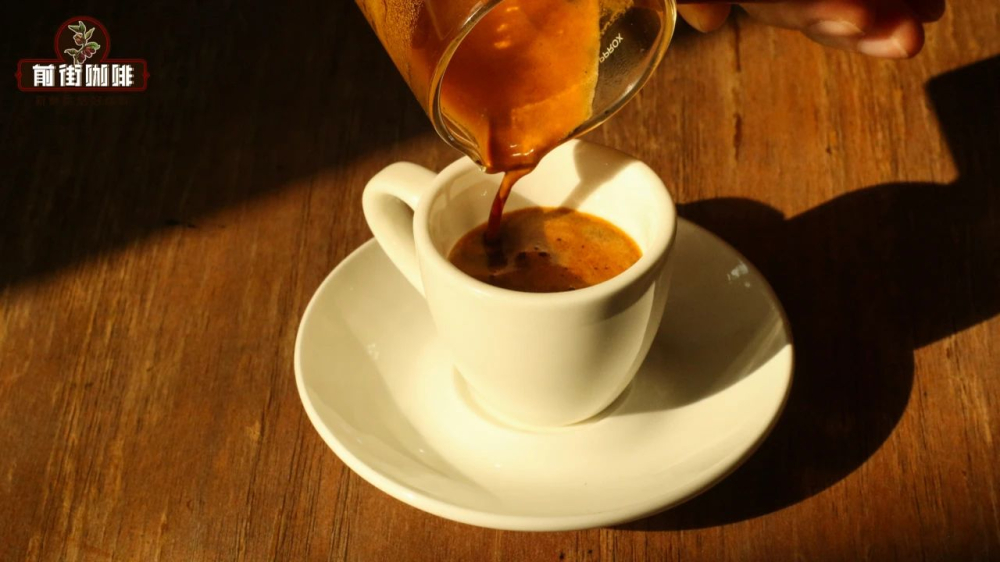
First, let’s understand what crema actually is. When an espresso machine extracts espresso under high pressure (about 9Bar), the high pressure not only forces water through the coffee puck but also drives carbon dioxide and insoluble plant oils from the coffee beans into the liquid. Since these oils and carbon dioxide are not soluble in water, they gradually rise to the surface after settling, forming the familiar crema.
This golden layer of foam is actually a mixture of tiny bubbles and oil droplets. It not only affects visual perception but also helps preserve volatile aromatic molecules to some extent. However, its presence and quality are influenced by multiple factors.
A common misconception is that the thicker and more golden the crema, the better the taste. However, the reality may be just the opposite. For example, when coffee beans have just been roasted, they contain a large amount of carbon dioxide, which can produce rich crema, but too many bubbles may lead to a loose structure, poor fluidity, or even coarse foam and clumping. Such crema is often accompanied by uneven extraction or indistinct flavors.
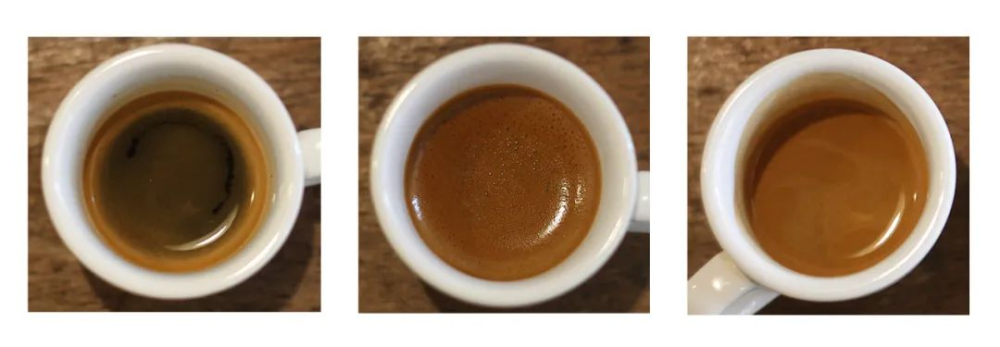
Additionally, if the coffee beans have been stored for too long, the internal carbon dioxide dissipates significantly, resulting in crema that is thin and dull in color. This usually also indicates low overall extraction efficiency and a lack of flavor complexity.
Apart from the freshness of the beans,grind sizeis also an important factor affecting the performance of crema. If the grind is too coarse, water flows through the puck too quickly, not only leading to under-extraction, but also causing the crema to appear lighter in color and thinner in texture, often tasting sour and watery. Conversely, if the grind is too fine, the overly compressed puck restricts water flow, leading to over-extraction. The crema may then be dark and intense, but the coffee itself can easily become bitter and astringent.
In addition,extraction pressureis equally crucial to crema formation. The standard for most espresso machines is 9Bar, but if the pressure is too high (e.g., 11Bar), it may lead to over-extraction, making the crema appear full but tasting bitter and rough. If the pressure is too low (e.g., 6Bar), crema may be difficult to form, extraction will be insufficient, and flavor development will be limited.
It’s worth noting that the amount and quality of crema cannot be used alone as a standard for judging flavor quality. For example, dark roast beans usually have a higher roast level and release more oils, so their crema tends to look denser and darker than that of light roast beans. However, the flavor profiles of the two are vastly different, and each has its own fans. The crema of light roast beans may be lighter, but the flavor might be brighter and clearer.
Another common experiment involves using the same coffee beans but adjusting the extraction pressure (e.g., 6Bar, 9Bar, and 11Bar). Although the crema may all look fine, golden, and dense, the actual taste at 6Bar is often bland and lacks complexity, while 11Bar extraction can easily result in over-extracted bitterness and unpleasant flavors. This shows that crema is not an absolute indicator of flavor quality.
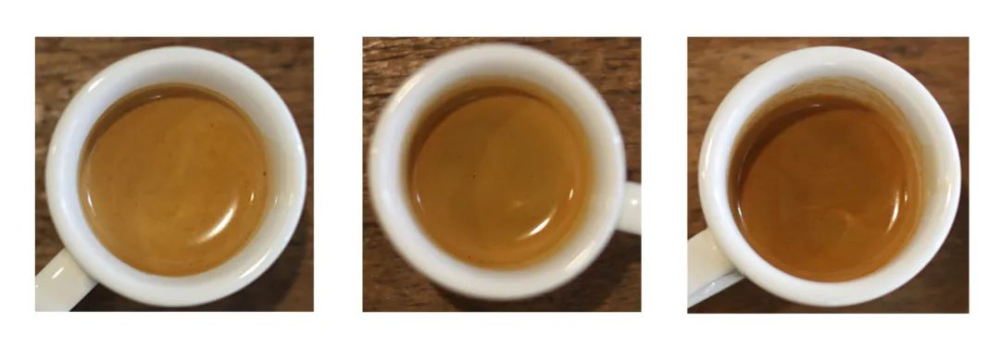
In summary, observing crema still has its reference value: it can indicate the freshness of the coffee beans, the condition of the grind, and the basic compatibility of extraction pressure. For example, crema that dissipates quickly or has a loose structure may be a sign of overly fresh beans or unstable extraction; while overly thin crema may indicate expired beans or insufficient extraction.
But remember, crema is only part of the overall extraction result—it cannot fully represent the flavor profile of a shot of espresso. To truly evaluate the quality of an espresso, it’s recommended to consider its aroma, taste, aftertaste, and the balance of acidity and sweetness, rather than relying solely on the visual appearance of the foam.
The above content is compiled by CoffeeHunters, a coffee news website.


