







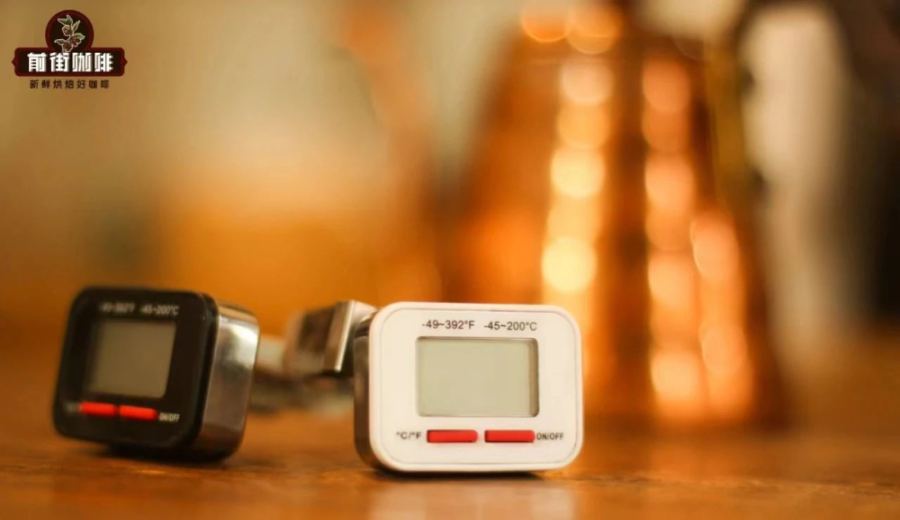
Introduction:Water temperature is a crucial yet often misunderstood parameter in pour over coffee. Different roast levels suit markedly different water temperatures, affecting not just extraction efficiency but also the final flavor profile. This article delves into how temperature alters extraction outcomes, explores the optimal water temperature ranges for dark and light roasts, and offers practical adjustment methods to help you precisely control brewing conditions and achieve your desired flavors.
Among the many variables in pour over coffee, water temperature is always one of the most frequently discussed topics. Some coffee enthusiasts prefer brewing dark roasts at 86°C, while others insist on using temperatures above 95°C for light roasts—even higher settings can be seen in competitions. So, what water temperature is actually best for your coffee beans?
The key lies in understanding how water temperature affects the overall coffee extraction. Simply put, the higher the water temperature, the more active the thermal motion of water molecules, and the faster soluble substances in the coffee grounds dissolve. Conversely, lower temperatures slow down this process. A real-life example: instant coffee powder dissolves almost instantly in hot water, whereas it may require prolonged stirring in room-temperature water—and even with cold water, no matter how much you stir, some residue remains. This is the most intuitive demonstration of how temperature impacts dissolution efficiency.
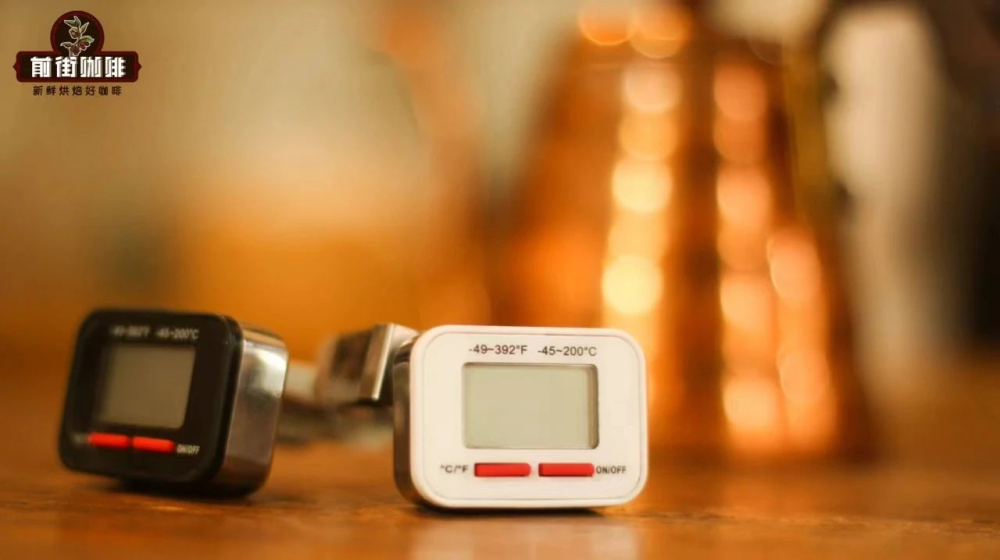
However, coffee is not a simple purified substance; it contains both delightful flavors and potentially unpleasant impurities such as bitterness, astringency, or overly harsh off-notes. Therefore, we need to optimize extraction results by controlling water temperature along with other factors, highlighting the good flavors and minimizing the undesirable ones.
Extraction efficiency is influenced by more than just water temperature. Grind size, brew time, and coffee-to-water ratio also play significant roles. For beginners aiming to find the ideal brewing temperature for a specific bean, it’s recommended to first fix other parameters—such as using a grind size with 80% passing through a #20 sieve, a 2-minute extraction time, and a 1:15 coffee-to-water ratio. With these basics unchanged, try adjusting the water temperature and observe the flavor changes, then select the temperature setting that best highlights the bean’s characteristics. Additionally, it’s advised not to go below 84°C, as temperatures that low may lead to under-extraction and result in thin, lackluster flavors.
Generally speaking, based on roast level, we can broadly categorize beans into two main types: dark roast and light roast. Dark roast beans usually undergo longer roasting times with more internal transformations, resulting in a fluffier texture and better water absorption—for instance, common medium-dark roasts like PWN Golden Mandheling or Colombian Huila. For these, it’s recommended to use 86–88°C water temperature, which helps avoid extracting too many bitter compounds and achieves a more balanced taste.
As for light roast or medium-light roasted beans—such as Yirgacheffe, Guodiding, or Natural Huacai—these beans are roasted more lightly, have relatively harder beans and poorer water absorption, and thus require higher temperatures to effectively bring out their floral, fruity aromas, and bright acidity. In practice, using 91–93°C water temperature often allows these beans to showcase richer layers and greater vibrancy.
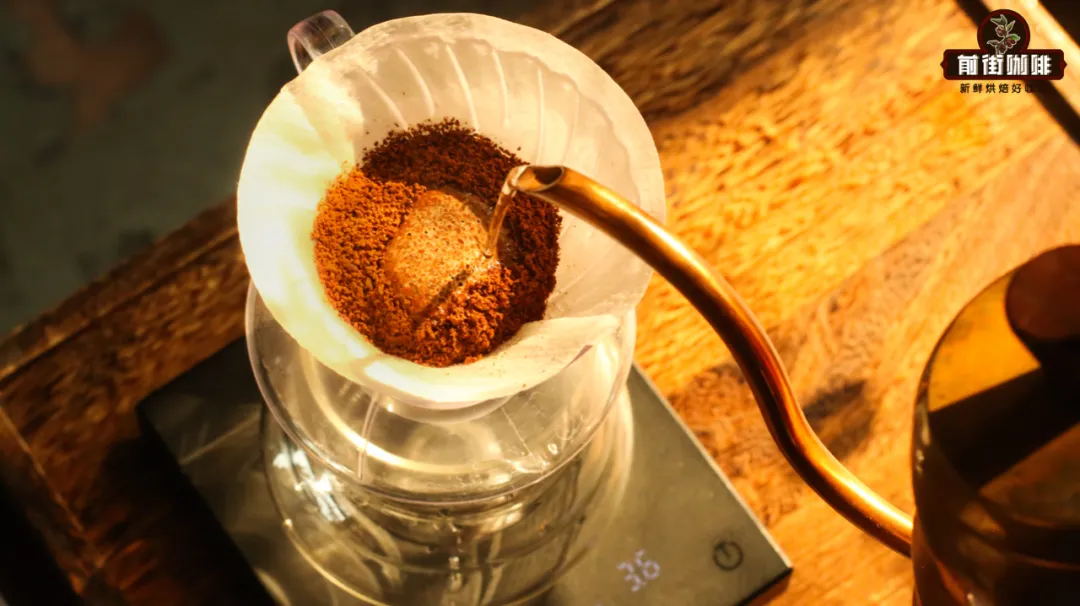
Of course, these temperature recommendations aren’t set in stone. The important thing is to keep other variables consistent before adjusting the water temperature, then make incremental changes through brewing tests to gradually identify the temperature that best highlights the strengths of that particular bean. Every bean—and even the particle distribution from the same bean due to grinder differences—can influence the choice of optimal water temperature.
Additionally, there’s a commonly overlooked detail: the water temperature we usually refer to is the initial temperature of the hot water in the kettle, not the actual temperature of the water contacting the coffee grounds. As hot water leaves the pour over kettle, passes through the filter, contacts air, and seeps into the coffee bed, its temperature drops. For example, if the water in the kettle is at 93°C, by the time it reaches the coffee bed, it might be only 90°C or even lower.
This seemingly small temperature difference can significantly impact extraction results. Especially when using ceramic filter cones, if they haven’t been preheated, the cone itself will absorb some heat, further reducing the actual brewing temperature at the coffee layer. Moreover, some brewers habitually use a higher pouring height to increase water flow intensity, but excessive height increases the water’s exposure to air and accelerates heat dissipation, leading to a drop in temperature and consequently affecting extraction efficiency.
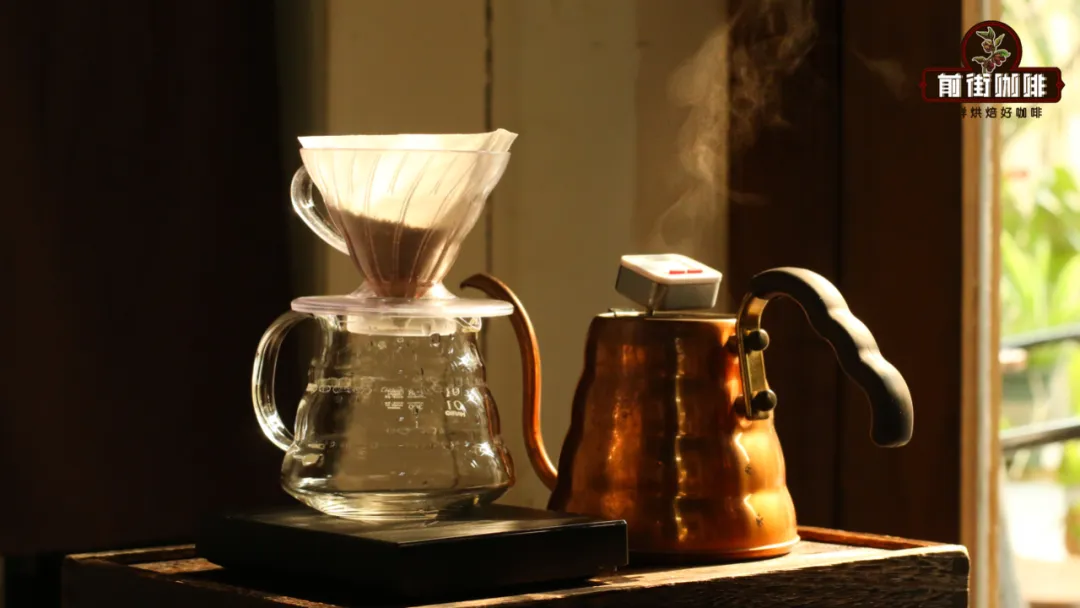
Therefore, besides monitoring the kettle water temperature, it’s also important during actual brewing to control the pouring height—ideally keeping it no more than a fist’s height above the coffee bed. This helps reduce heat loss, ensuring the temperature reaching the coffee layer is closer to the intended setting, thereby stabilizing extraction performance.
In summary, selecting the water temperature for pour over coffee isn’t one-size-fits-all but requires comprehensive consideration of factors like the bean’s roast level, grind settings, brew time, and coffee-to-water ratio. Dark roast beans are recommended to use 86–89°C, while light roast beans are better suited to 90–93°C . However, it’s still advisable to conduct practical tests to find the temperature combination that best matches your personal taste and brewing environment. Only by mastering these details can you ensure that every cup of pour over coffee showcases its most captivating flavor qualities.
The above content is compiled by CoffeeHunters, a coffee news website.


