







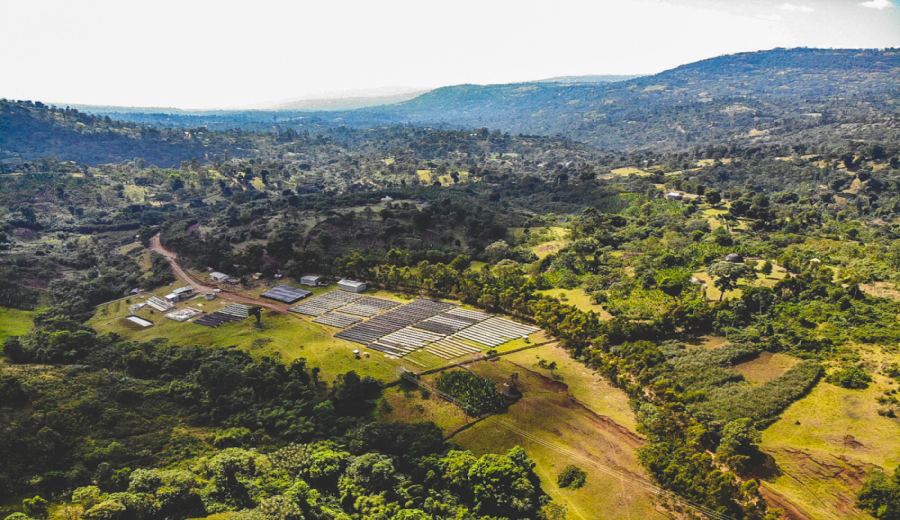
Introduction:The Hambella sub-region of Ethiopia’s Guji zone, blessed with high altitude and unique microclimates, produces specialty coffees with vibrant and diverse flavors. Among them, the "Huang Kui" (花魁) natural-processed lot gained widespread fame after winning the TOH (Taste of Harvest) championship in 2017. Its intense fruity aroma and bright acidity have made it a popular choice for many coffee enthusiasts. This article provides an in-depth look at the Hambella region, the competition background of Huang Kui, along with professional roasting parameters, cupping flavor notes, and practical V60 pour-over ratios and techniques to help you fully unlock the potential of this coffee.
Located in southern Ethiopia, the Sidamo region has long held a prominent position on the global specialty coffee map, thanks to its refreshing citrus notes, rich berry aromas, and delicate balance of sweet and acidic profiles. Among the many classic regional varieties, a natural-processed coffee known as "Huang Kui" has stood out since 2017 due to its distinctive flavor profile.
This natural-processed coffee from the Hambella sub-region first rose to prominence after winning the TOH (Taste of Harvest) coffee bean competition. It later further solidified its market status by defeating most Geisha varieties in a Chinese coffee competition to claim second place. A certain brand has been continuously importing this coffee variety since 2017, updating the seasonal version each year. The latest seasonal release is named the brand’s Ethiopian Huang Kui 11, which continues to receive high praise from coffee lovers.
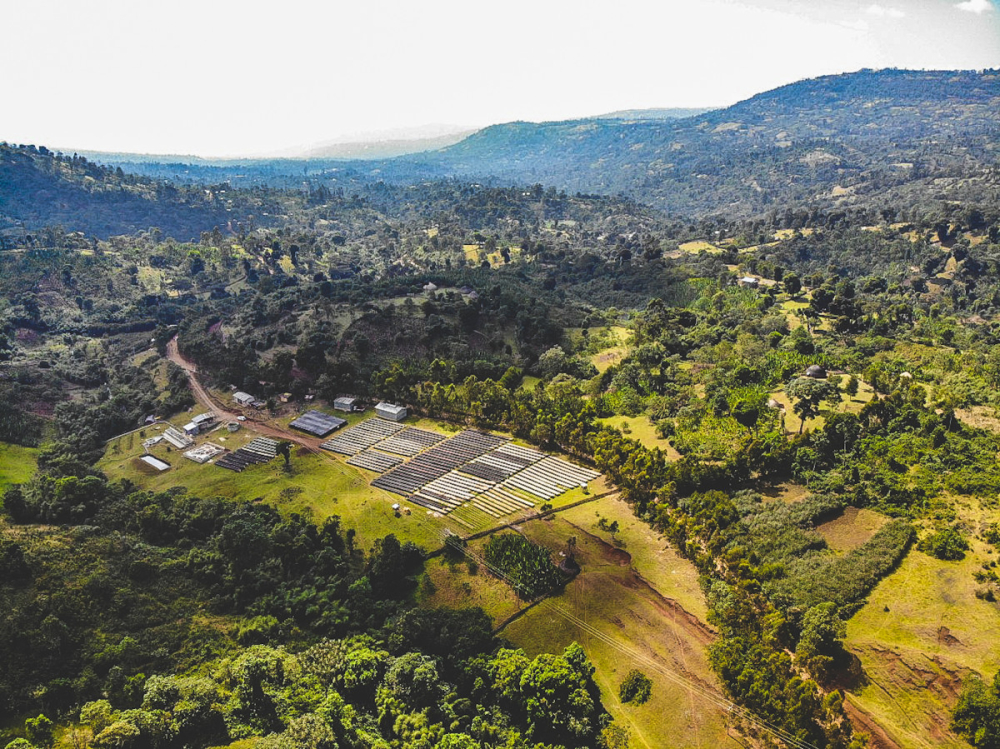
Regarding the name "Huang Kui," it actually does not match the coffee’s original English name. Internationally, this coffee is mostly referred to by its origin, "Hambella," but in the Chinese market, it is commonly called "Huang Kui." This name stems from its championship pedigree and marketing strategy. Hambella is actually an important sub-region within the Guji zone, administratively part of the Oromia Region. Geographically, Hambella borders the Kochere sub-region of Yirgacheffe to the west, separated by a highland mountain range about 3,200 meters above sea level and roughly 30 kilometers wide. To the east, south, and north, it connects with other Guji sub-regions such as Shakiso, Uraga, and Kercha.
The Guji zone was originally part of the larger Sidamo region but was officially designated as an independent zone by the Ethiopian Commodity Exchange (ECX) in 2010. The area features diverse terrain, including high mountains, valleys, and plateau plains, with fertile black soil (Vertisol) as the dominant soil type, sometimes reaching nearly two meters in depth, and an average altitude generally above 1,800 meters. Such geographical and soil conditions, combined with significant diurnal temperature variations, provide an ideal environment for growing high-quality coffee.
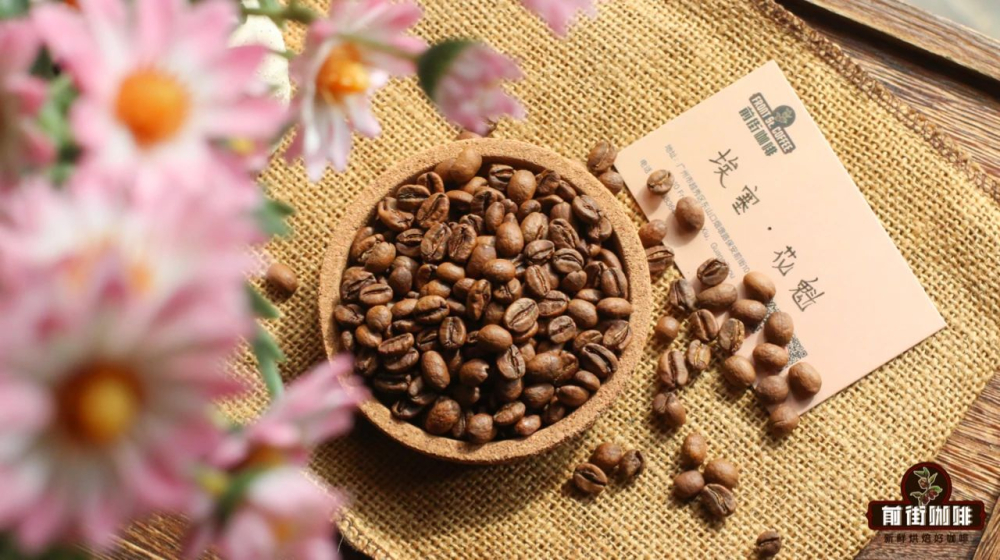
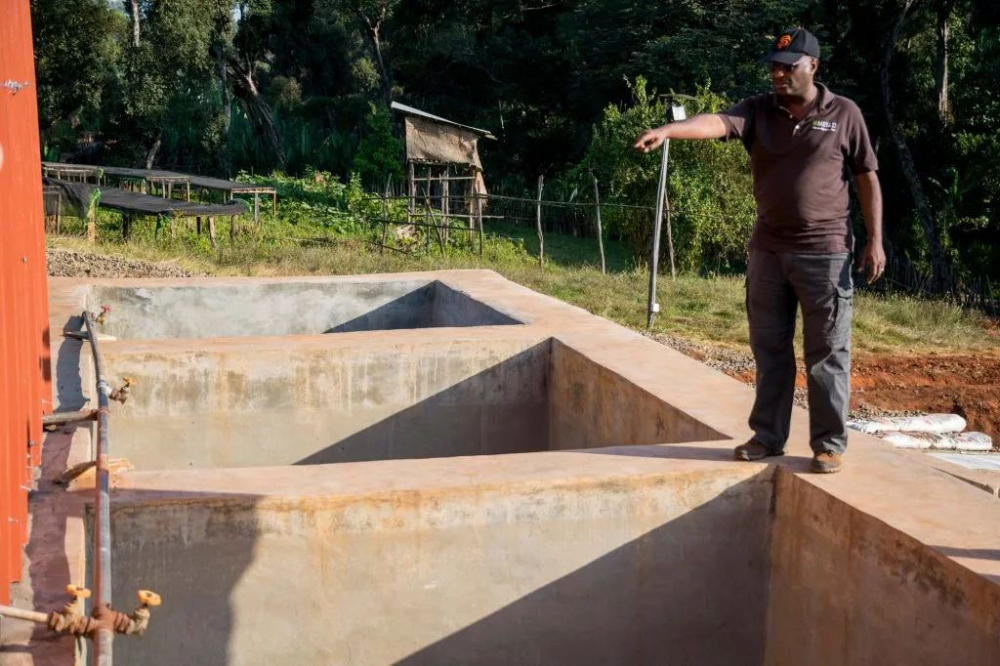
In 2017, DW Coffee, an Ethiopian green bean company, submitted a natural-processed lot from Dimtu, a core area of Hambella, to the TOH coffee bean competition organized by the African Fine Coffees Association. Among them, a coffee produced by the Buku Abel washing station stood out with its prominent strawberry and cream aromas, winning the Ethiopian division championship that year. This lot was later introduced to the Chinese market and was given the Chinese name "Huang Kui" (花魁), which carries an oriental flair, in recognition of its championship status.
In the same year, Beijing-based competitor Li Jianfei used this Huang Kui coffee to win second place in the China division of the World Brewers Cup. Notably, at the time, Geisha varieties dominated the competition, with most participants choosing Geisha beans, yet this Ethiopian native variety, processed naturally, managed to stand out and earn high praise, further confirming its exceptional potential. While the final ranking wasn’t determined by a single coffee variety alone, the unique flavors presented by Huang Kui undoubtedly helped establish its positive market reputation.
Currently, DW Coffee operates several washing stations in the Dimtu core area of Hambella, including "Buku Abel," "Buku Saysay," "Haro Soresa," and "Tirtiro Goye," with an annual production of around 1,100 tons. However, it’s important to note that only the natural-processed batches from the "Buku Abel" washing station can be rightfully called "Huang Kui," making it a key identifier for authentic product.
In terms of origin details, this Huang Kui coffee is grown in the Sidamo-Guji region at an altitude between 2,250 and 2,350 meters. The variety is a local landrace, processed using the traditional natural method, which fully preserves the fruit sugars and flavor compounds, resulting in its intense fruity character.
For roasting strategy, to fully highlight the floral and fruity aromas as well as the bright acidity of Huang Kui, one brand typically employs a medium-light roast. The specific roasting parameters are as follows: charge temperature is set at 175°C, with the turning point reached at approximately 1 minute and 32 seconds when the temperature hits 96.2°C. At this stage, the heat is maintained at 120 and the air vent is set to 3 to ensure even heating of the drum. Around the 6-minute mark, the beans enter the yellowing phase, at which point the heat is increased to 140 and the coffee enters the mid-phase. By around 9 minutes and 50 seconds, the coffee reaches first crack, and it is dropped about 1 minute and 40 seconds after first crack, with an exit temperature of approximately 196°C. This roast curve helps lock in the coffee’s aroma and acidity while bringing out a rich fruitiness.
According to cupping notes from one brand, this Huang Kui coffee exhibits pronounced citrus acidity paired with a full-bodied berry juice sensation. The finish offers a tea-like note reminiscent of lemon black tea, with a lingering sweetness that remains throughout, resulting in a complex and well-balanced flavor profile.
For those choosing to brew via pour-over, it is recommended to use the HARIO V60. Suggested parameters are as follows: 15 grams of coffee, a 1:15 coffee-to-water ratio, and water temperature controlled at 90°C. The grind size is advised to be medium-fine—using a Chinese standard No. 20 sieve, the extraction rate should be around 78%. The recommended brewing technique is as follows: start with a 30-second bloom using 30 grams of water, then pour directly in the center up to 125 grams for the first pour and allow for a pause once the coffee bed is visibly saturated. Continue pouring up to a total of 225 grams, then remove the filter once the coffee bed is visible again. The total brew time should be kept around 2 minutes. This brewing approach helps fully express the fruitiness and balanced sweet-sour profile of Huang Kui, delivering its optimal flavor expression.
The above content is compiled by CoffeeHunters, a coffee news website.


