








Introduction:Yirgacheffe Guddu Dingding G1 is a high-altitude Ethiopian washed coffee bean renowned for its bright acidity and dynamic flavor evolution with temperature changes. This article delves into how this G1-grade bean transforms in flavor across different temperatures—from the freshness of berries and citrus to the lingering sweetness of cream and honey—and provides practical V60 pour over parameters to help you master extraction techniques from high to low temperatures, elevating your coffee tasting experience.
The same cup of coffee can reveal entirely different flavor layers at varying temperatures. Some prefer it piping hot, others enjoy it after it cools, and some even seek out the transition from heat to cold. These differences stem not only from personal preference but also closely relate to the intrinsic characteristics of the coffee itself. Using Yirgacheffe’s washed Guddu Dingding G1 as an example, this article explores its flavor variations at different temperatures, along with detailed insights into the bean’s origin, processing method, and recommended pour over brewing approach.

Yirgacheffe Guddu Dingding G1 comes from Ethiopia’s Gedeo Zone, grown at altitudes between 1,900 and 2,300 meters, within a typical high-altitude coffee belt. The large diurnal temperature variation in this region helps coffee cherries ripen slowly, accumulating richer flavor compounds. The beans are of the heirloom variety and processed using traditional washed methods, ensuring stable quality and a G1 grade—making them a rare find of high-quality Ethiopian beans on the market.
In terms of flavor profile, when brewed at high temperatures, Guddu Dingding G1 exhibits bright berry and citrus notes, paired with a honey-like sweetness and creamy texture. Its acidity is vibrant yet not overly sharp, offering a juice-like freshness upon entry. As the temperature drops, the citrus and berry aromas remain prominent, gradually transitioning into softer cream and citrus aftertastes, resulting in a smooth and well-layered overall mouthfeel.
In the dry aroma stage, this bean emits a fresh citrus scent accompanied by delicate white floral notes. When sipped, you can perceive a honey-like sweetness and a clean tea-like sensation, with distinct floral and fruity tones laying the foundation for the overall flavor.
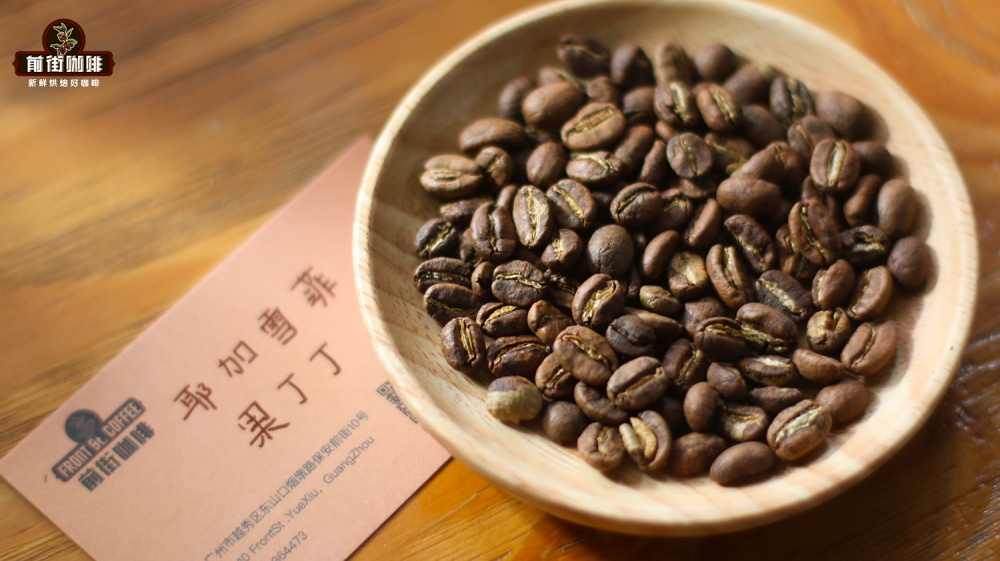
The Yirgacheffe region is one of the highest-altitude coffee-growing areas in the world, with an average elevation exceeding 1,800 meters, and the Gedeo Zone is particularly renowned. The area boasts fertile soil and a climate conducive to Arabica coffee growth. Coupled with local farmers’ use of traditional heirloom varieties, each batch of beans carries unique regional characteristics. Under the ECX grading system, Yirgacheffe is subdivided into multiple micro-regions, each with slight flavor variations, but all are generally celebrated for their bright acidity and floral-fruit notes.
The washed processing method is a key factor in enabling Yirgacheffe coffee to deliver high-quality flavors. During processing, freshly harvested coffee cherries first undergo flotation to remove unripe ones, followed by the removal of pulp and skin, then fermentation in tanks for 18 to 36 hours until the mucilage breaks down before washing. This process effectively removes impurities and undesirable flavors, resulting in purer coffee bean aromas. The washed parchment beans are then dried on African beds, a process that fully preserves floral and fruity notes, ultimately forming Yirgacheffe’s signature citrus and tea-like flavors.
Washed processing not only enhances the coffee’s clarity but also brightens its acidity, making it a favored method among many specialty coffee enthusiasts. Compared to natural processing, washed beans typically feature more pronounced acidity and a cleaner mouthfeel, while a moderate light-to-medium roast can balance sweetness and acidity, showcasing the best floral and fruit characteristics.
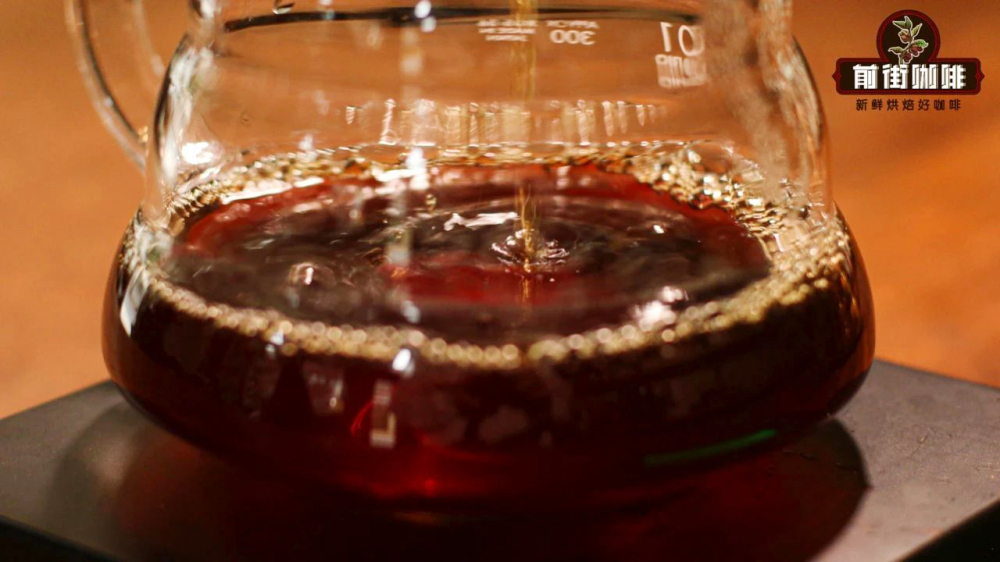
To fully experience the flavor potential of Guddu Dingding G1, it is recommended to use a V60 filter cone for pour over brewing with the following parameters: water temperature controlled at 90–91°C, 15 grams of coffee, a 1:15 coffee-to-water ratio, and a grind size suggested to be the 10th setting on an EK43 grinder or a medium-fine grind equivalent to 80% passing through a #20 sieve.
For extraction technique, a three-stage pour is recommended: start with a 30-gram bloom for 30 seconds, followed by pouring 95 grams of water (total around 125 grams), completed in about 1 minute; when the water level drops to two-thirds of the coffee bed, pour another 100 grams (total around 225 grams), finished within approximately 1 minute and 35 seconds. The total brew time should be controlled around 2 minutes and 10 seconds to allow the coffee to fully express its layers and aftertaste.
This parameter setup helps balance sweetness and acidity, highlighting citrus and honey tones, while avoiding over-extraction or excessive sharpness. In actual tasting, the high-temperature stage offers bright berries and citrus, the mid-temperature reveals creamy and caramel aromas, and the low-temperature phase leaves an almond and tea-like aftertaste—delivering a clean and dynamically varied overall profile.
The above content is compiled by CoffeeHunters, a coffee news website.


