








Introduction:African coffee is not limited to Ethiopia and Kenya—Rwanda and Tanzania are also renowned for their high quality. These two regions, with their unique geographical conditions and processing techniques, produce washed coffee beans with distinctive flavors. This article delves into the origins, variety characteristics, and processing methods of coffee from these two countries, and provides detailed cupping flavor profiles and pour-over brewing recommendations to help you discover your own favorite African coffee flavor.
When it comes to specialty African coffee, many people first think of Ethiopia and Kenya, but Rwanda and Tanzania are actually hidden gems worth exploring. These two East African countries, with their high-altitude environments and washed processing techniques, create coffees with bright acidity and rich complexity. This article will take you through a comprehensive comparison of the unique qualities of Rwandan and Tanzanian coffee beans—from regional history and variety features to processing methods and cupping performance—and offer practical pour-over brewing parameter suggestions.
The Transformation of Rwandan Coffee
Rwanda is located in the central-eastern part of Africa and is a landlocked country, surrounded by major coffee-producing nations. As early as the beginning of the 20th century, Germany and Belgium successively colonized the region, and coffee was introduced by German missionaries. Although coffee production grew rapidly during the colonial period, exploitation of labor, low purchasing prices, and high taxes led to consistently poor coffee quality for many years, much like many commercial beans at the time.
It wasn’t until Rwanda gained independence and established the official coffee management body OCIR that the industry gradually shifted toward a quality-oriented approach. Especially during the 1960s to 1980s, production steadily increased, peaking in 1986. Unfortunately, the ethnic conflicts of the early 1990s caused a temporary halt in the industry. In recent years, however, with the support of international aid and reconstruction programs, Rwanda has refocused on specialty coffee, making significant progress particularly in washed processing techniques.
Washed Processing Drives a Quality Leap
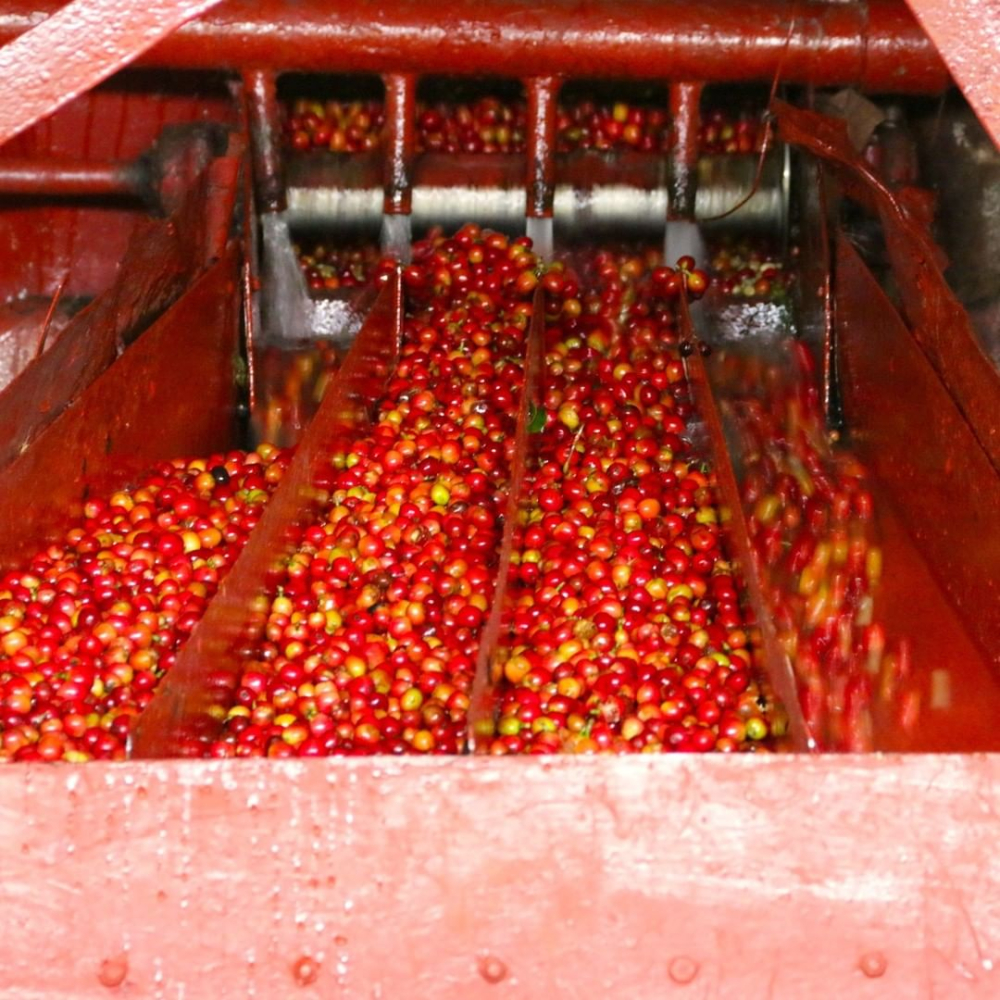
After 2000, with the support of USAID-funded programs such as PEARL and SPREAD, Rwanda built 46 washed processing facilities, significantly improving processing quality and export capacity. Today, nearly all of the country’s coffee is processed using the washed method: ripe red cherries are carefully selected, depulped, and then undergo 12 to 18 hours of water fermentation to fully remove the mucilage, followed by prolonged sun drying until the moisture content falls below 14%. This process fully highlights the intrinsic flavor characteristics of the coffee and is a key reason why Rwandan coffee has begun to shine on the international competition stage.

In 2008, Rwanda’s Aromec washed Bourbon beans won the Cup of Excellence (COE) international competition, defeating top beans from countries including Jamaica Blue Mountain and Sumatra Mandheling, securing the championship and firmly establishing the country’s status in the specialty coffee world.
Tanzania: Bright Acidity at the Foot of Mount Kilimanjaro
Tanzania is located in East Africa and is home to Africa’s highest peak—Mount Kilimanjaro. Coffee cultivation dates back to 1893, when it was introduced by Catholic missionaries in the form of the Bourbon variety. The country’s coffee is primarily grown in the high-altitude northern regions, especially on the slopes of Mount Kilimanjaro, at elevations between 1150 and 1500 meters, making it highly suitable for cultivating premium Arabica.
Tanzanian coffee is mainly processed using the washed method, emphasizing bright acidity and layered fruity notes. The main cultivated varieties include Bourbon and Kent. Among them, Bourbon is favored for its dense, firm fruit and often exhibits high sweetness and vibrant acidity, serving as a key pillar of the country’s specialty coffee offerings.
Rigorous Grading and Processing Procedures
Tanzania follows a grading system similar to Kenya’s, classifying beans by size into AA, AB, and PB grades, with AA being the highest grade. Typically, this refers to large beans of 18+ mesh size, known for their plumpness and uniformity. A selection of Tanzanian southern washed beans chosen by one coffee merchant belongs to the AA grade, made from the Bourbon variety and processed via a standard washed procedure: sorting → depulping → natural fermentation for 12 to 24 hours → rinsing with clean water → secondary soaking → final sun drying. The overall flavor profile is clear and layered.
Flavor and Brewing Parameter Comparison
The Rwandan Gisakura washed beans come from the Nyamasheke region, grown at an altitude of about 1500 meters, with varieties including Bourbon, Catucaí, and Catuai, and processed using the washed method. It is recommended to use a medium-light roast to highlight their fresh fruity acidity. During cupping, you can detect pronounced citrus, berry, and grassy aromas, with flavor layers that include citrus, berries, and nuts, and a honey-like sweetness in the aftertaste. For pour-over brewing, it is suggested to use a Hario V60, with a water temperature of 90°C, a coffee-to-water ratio of 1:15, and a grind size of approximately 80% passing through a #20 sieve (EK43s setting 10). Use a pulsed pouring method: start with a 30-second bloom using 30 grams of water, then pour in a slow stream until reaching 125 grams, followed by another pour to 225 grams to finish. Total brew time is around 2 minutes.
This brewing method brings out the bright flavors of citrus, berries, and plums from the Rwandan beans, with a nutty tone in the mid-palate, and a soft caramel sweetness in the finish.
The Tanzanian Kilimanjaro washed beans mainly feature the Typica variety, also processed at high altitudes using the washed method, and fall under the AA grade specification. Cupping reveals flavors of citrus, berries, honey, and a light tea-like note, resulting in a refreshing and balanced overall profile. The brewing parameters are similar to those for Rwandan beans, making it suitable for coffee lovers who enjoy bright acidity and floral-fruity notes.
In summary, Rwandan and Tanzanian coffees each have their unique strengths: the former excels in diverse varieties and complex fruity notes, while the latter shines with the classic bright acidity and tea-like flavors of Typica. Whether you’re a pour-over beginner or an advanced enthusiast, these two East African specialty coffee beans are well worth adding to your tasting list.
The above content is compiled by CoffeeHunters, a coffee news website.


