







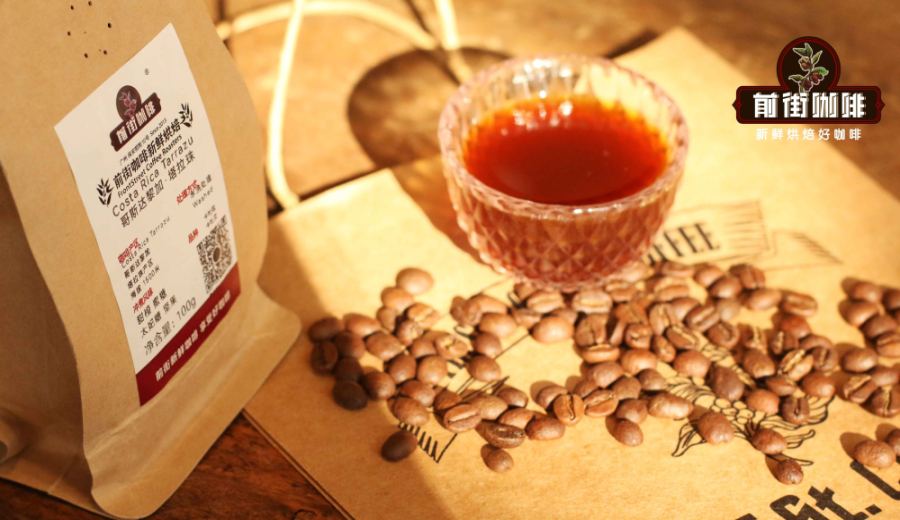
Introduction:The Las Lajas Estate in Costa Rica’s Central Valley is renowned for its refined honey processing method, producing specialty coffee with a balanced acidity and sweetness, along with a rich chocolatey profile. This article delves into this high-altitude honey-processed coffee from elevations of 1,250–1,500 meters, covering everything from the terroir of the growing region and details of the honey processing technique, to comparisons between yellow, red, and black honey processes. It also provides professional roasting profiles and pour over parameters to help you fully grasp the flavor characteristics of this popular hand-brewed coffee — from bean to cup.
As one of the first countries in Central America to introduce coffee cultivation, Costa Rica benefits from its mineral-rich volcanic soils, excellent drainage, and mild, stable climate, all of which nurture Arabica beans with delicate flavors and bright acidity. Among them, the Las Lajas Estate in the Central Valley stands out for its honey processing method. Its coffee not only retains clear layers of fruity acidity but also showcases intense sweetness and a silky mouthfeel, making it especially appealing to pour over enthusiasts seeking depth in their cup.
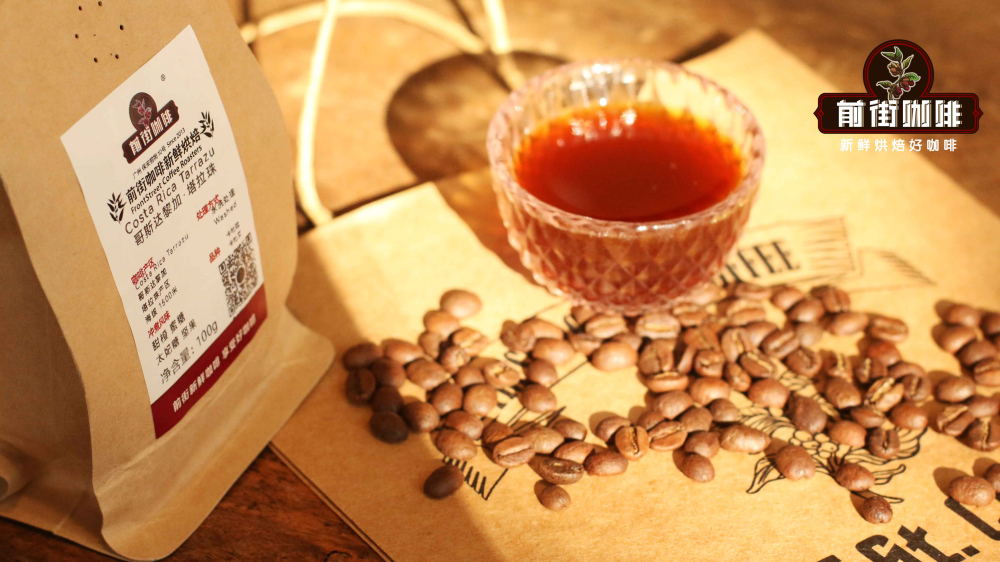
All coffee grown in Costa Rica is of the Arabica variety, characterized by plump beans and uniform size, naturally possessing high-quality potential. The country’s coffees generally exhibit a mild and balanced flavor profile, with bright acidity that is not overly sharp, alongside rich fruit notes and a full body. The Central Valley, one of Costa Rica’s oldest coffee-growing regions, sits at elevations between 1,200 and 1,600 meters. Its main harvest season runs from November to March each year, and the coffees produced here often feature bright fruit acidity, abundant aromatics, and some batches even display subtle chocolatey undertones.

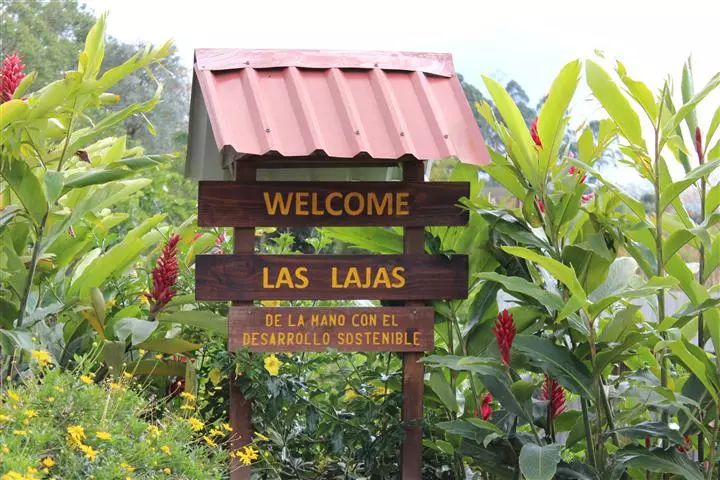
Our featured coffee — the Red Honey from Las Lajas Estate in Costa Rica — comes from this exceptional terroir. The estate is located in the Central Valley region near the capital and overlooking the Poás Volcano, at an altitude of 1,250–1,500 meters, with an annual production of approximately 55,200 kilograms. Managed jointly by the third-generation owner Francisca Cubillo and her spouse Oscar, it is one of the local pioneers in implementing systematic processing techniques. Its honey-processed series has long been favored by international buyers.
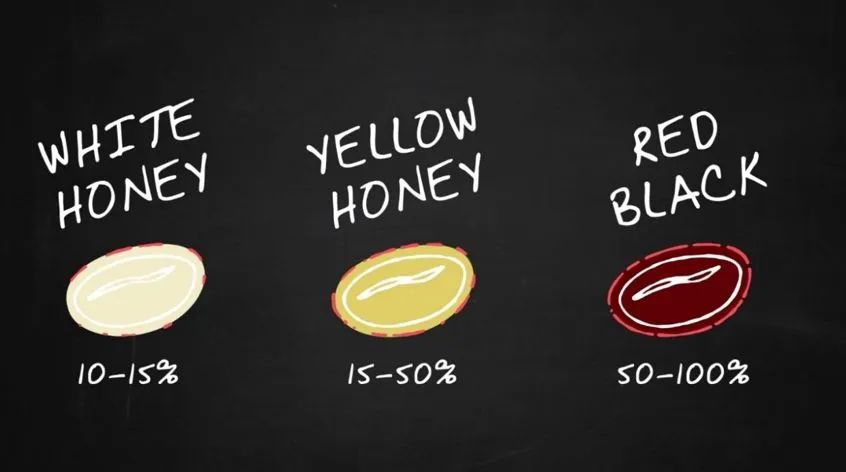
In terms of processing methods, Las Lajas Estate has specifically categorized its honey processing into three types — yellow honey, red honey, and black honey — based on the percentage of mucilage retained and the sun-drying strategy. This classification not only influences the final flavor profile but also directly affects drying time and sweetness intensity. Among them, the red honey process retains about 25% of the mucilage (the actual ratio may vary by estate). By strictly controlling the sun exposure time and frequency of turning on African beds, sometimes supplemented with shade cloths to adjust light intensity, it achieves a unique rich mouthfeel and vibrant fruity aroma.
Honey processing refers to a method where, after removing the outer skin and part of the pulp of the coffee cherry, the sticky mucilage layer is retained before sun drying. Compared to the clarity of washed processing and the intensity of natural (sun-dried) processing, honey processing achieves an excellent balance between acidity and sweetness, while imparting a rounder body and more complex layers of sweetness.
Yellow honey typically removes about 40% of the mucilage and is sun dried for around 8 days, receiving the most sunlight exposure; red honey retains more mucilage and extends the drying time to about 12 days, sometimes using shading measures to slow the drying rate; whereas black honey removes almost no mucilage, requiring over 14 days of drying and the use of covers to protect the beans from intense sunlight, ensuring full sugar conversion for an ultimate level of sweetness and a dense mouthfeel. A brand once launched a blackberry-flavored coffee that was a classic example of black honey processing. With a medium-light roast, it exhibited enchanting floral, berry, dried blueberry, and liquor chocolate notes — particularly well-suited for those who prefer lower acidity or bitterness.
The red honey coffee introduced here is of the Caturra and Catuaí varieties. The former is a natural mutation of Bourbon, while the latter is a hybrid of Caturra and Mundo Novo. Both are known for their bright acidity, good sweetness, and moderate body, making them highly popular planting choices in Central America.
Regarding roasting, this red honey coffee aims for a medium roast level. It adopts a roasting strategy of low-temperature charge and rapid temperature rise to highlight the thick mouthfeel and rich sweetness characteristic of honey processing. The specific roasting profile is as follows: charge temperature is set at 155°C, initial flame power at 120, and air damper at 3; the turning point occurs around 1 minute and 28 seconds. When the drum temperature drops to 140°C, the air damper is increased to 4. At approximately 8 minutes and 30 seconds, the bean surface begins to show obvious wrinkles and dark spots, and the coffee aroma shifts from a bread-like smell to a distinct coffee fragrance, indicating that first crack is approaching. First crack begins at 9 minutes and 08 seconds. The air damper is then adjusted to 5, and the first crack development phase continues for about 1 minute and 45 seconds, with dropping finally occurring at 196°C.
According to Agrton data, this batch has a bean color value of 67.7, a ground color value of 70.4, and a Roast Delta value of 2.7, indicating stable roasting quality. During cupping, the hot brew reveals distinct chocolate and caramel aromas, while cooling down unveils layers of nectarine and green grape acidity.
Brewing is recommended via pour over, preferably using a Hario V60 dripper, with water temperature controlled at 90°C and a powder-to-water ratio of 1:15. The grind size is suggested to be around setting 9.5 on the EK43s grinder (approximately equivalent to 80% passing rate through a Chinese standard #20 sieve), ensuring a moderate extraction rate.
The specific brewing steps are as follows: begin with a 30-gram bloom for 40 seconds, then pour up to 126 grams for the first pour. When the water level is about to uncover the coffee bed, pour again up to 225 grams, and remove the dripper just before the water level is nearly gone. The total brew time is around 2 minutes and 06 seconds. With these parameters, the cup delivers a pronounced bright acidity of yellow peach and grape, paired with the richness of dark chocolate. As it cools, the fruity acidity and sweetness become more pronounced, and the finish leaves a hint of warm brown sugar aroma. The overall profile is balanced and layered.
The above content is compiled by CoffeeHunters, a coffee news website.


