








Introduction:When brewing pour over coffee at home, many people adjust the water temperature based on intuition, resulting in significant variations in flavor each time and even doubting the quality of the beans. In fact, water temperature has a huge impact on pour over extraction, with different temperatures noticeably altering the flavor profile of the coffee. This article uses an Ethiopian Yirgacheffe washed coffee as an example, testing the extraction performance across five temperature ranges from 80°C to 96°C, analyzing how temperature affects the balance of acidity, sweetness, bitterness, and aroma release, and providing practical recommendations suitable for different roast levels.
Many coffee enthusiasts do not use a thermometer when brewing pour over at home, relying solely on experience to estimate the water temperature. This leads to different flavor outcomes each time they brew the same coffee beans, causing them to suspect that the beans are not fresh or are of poor quality. In reality, water temperature is one of the key factors affecting coffee extraction—even the same coffee bean can exhibit completely different flavor layers at different temperatures.
To explore in depth how water temperature affects pour over coffee, the experiment used washed coffee beans from the Yirgacheffe region of Ethiopia, conducting brewing tests at five temperatures: 80°C, 86°C, 90°C, 93°C, and 96°C. By recording the flavor performance at each temperature through actual tasting and analyzing how water temperature influences the extraction process, the experiment ultimately provides a recommended brewing temperature suitable for most scenarios.
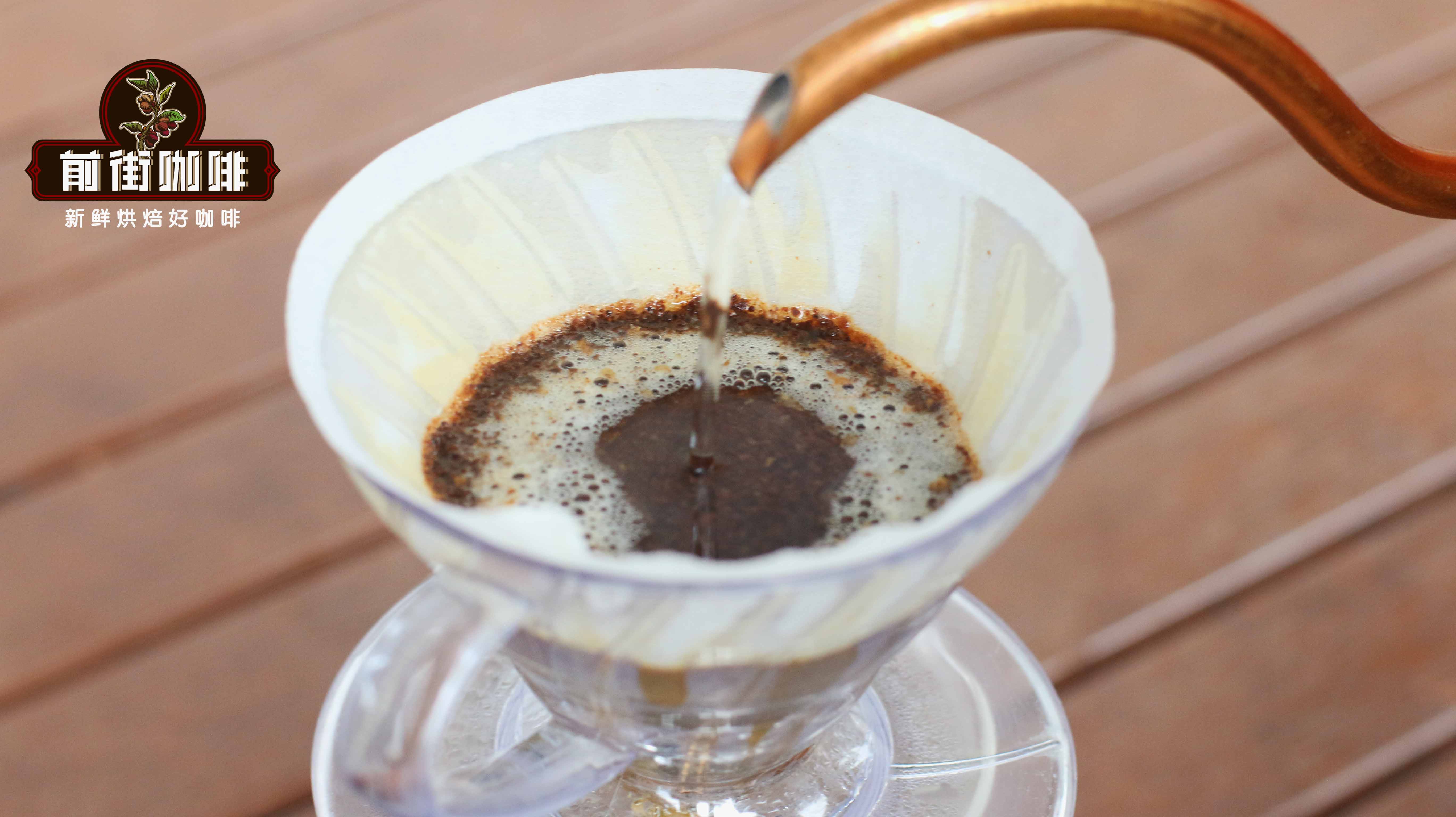
The experiment adopted the following standard brewing protocol: the filter used was a Hario V60, the grind size was medium-fine (75% passing rate through a 0.85mm sieve), the coffee dose was 15 grams, and the coffee-to-water ratio was 1:15. The brewing method employed was pulse pouring—first, 30 grams of water were poured for a 30-second bloom to allow the coffee grounds to expand into a “hamburger” shape; then, 125 grams of water were poured in small circles from the center at a height of about 4 centimeters, with the flow rate controlled at approximately 4 grams per second, minimizing agitation of the coffee bed; when the water level dropped to half the height of the coffee bed, a third pour was executed, again circling from the center outward, until the total water volume reached 225 grams. Extraction ended once all the coffee liquid had dripped through, taking approximately 2 minutes and 1 second in total. Finally, the server was gently shaken to evenly mix the coffee before tasting.
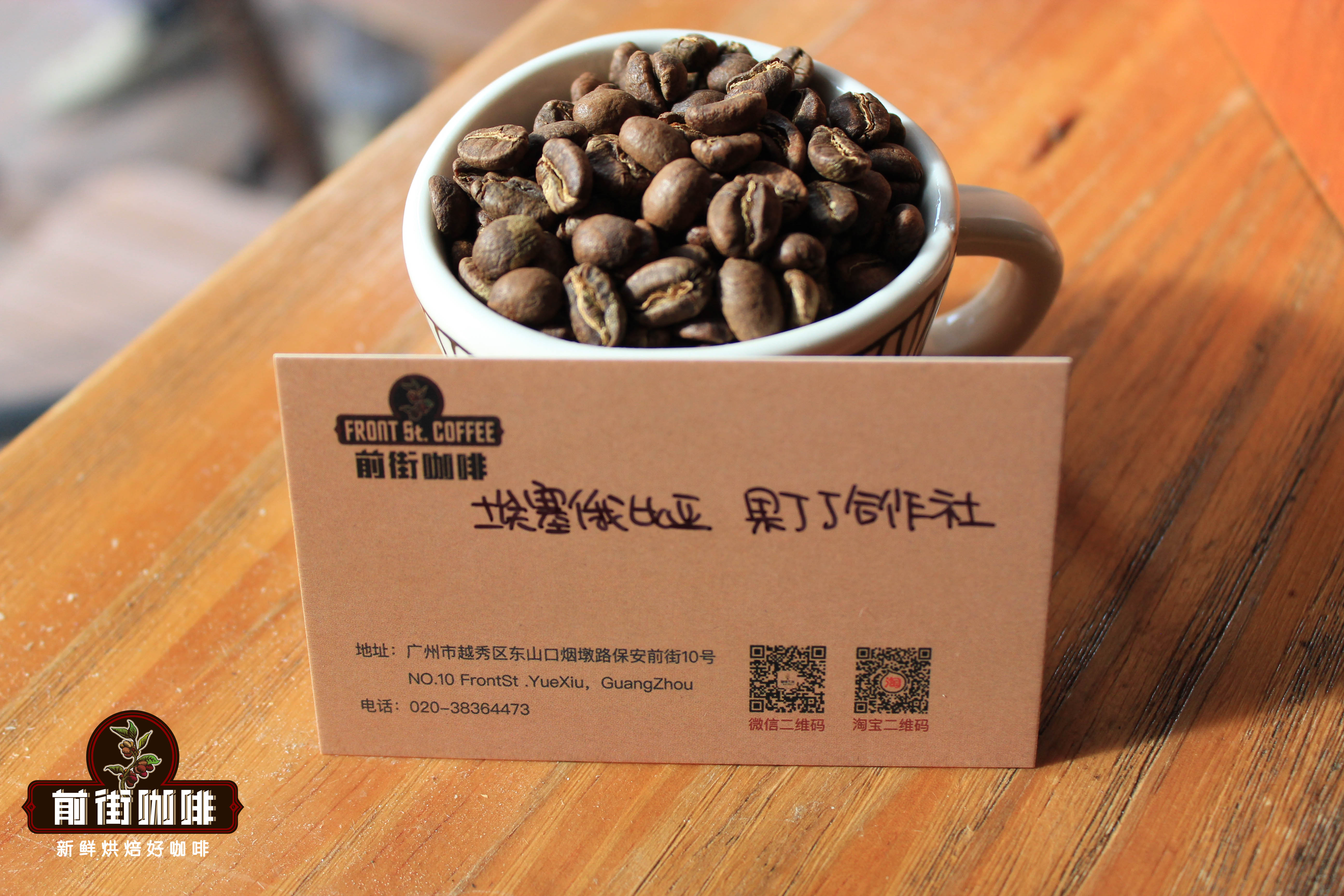
The experimental results showed that different water temperatures significantly affected the flavor: at 80°C, the coffee exhibited slight sourness and astringency, with notes of lemon peel and a pronounced tea-like character, overall dominated by a tea-like aftertaste; at 86°C, the acidity was sharper, resembling the flavor of kumquats; at 90°C, a bright citrus acidity emerged, with clear fruity sweetness; at 93°C, the citrus acidity remained prominent, while a red-tea-like richness gradually appeared in the finish; at 96°C, the overall profile leaned toward a fruity tea style, but with a hint of tea astringency, and the flavors became more concentrated.
How does water temperature affect coffee extraction? Experimental data shows that the higher the water temperature, the more substances are dissolved from the coffee grounds, resulting in a relatively higher concentration of the brewed liquid; conversely, lower water temperatures dissolve fewer substances, leading to lower concentration. With other parameters fixed (using light-roast coffee as an example), lower water temperatures tend to extract more acidic compounds, making the coffee taste more acidic; higher water temperatures, on the other hand, are more likely to extract bitter and sweet compounds. However, it’s important to note that higher concentration is not always better—over-extraction can lead to bitterness and astringency, while under-extraction can result in a flat-tasting cup.
Why do different water temperatures produce different flavors? During the pour over process, complex chemical reactions occur between the water and coffee grounds, and different temperatures influence the extraction rates of various components, including quinic acid, amino acids, tannins, caffeine, oils, and more. These substances are extracted in order of molecular size: small molecules (such as acids and aromas) dissolve first, followed by medium-sized molecules (such as sweet components), and finally large molecules (which contribute to bitterness and astringency). The rich complexity of coffee flavor stems precisely from this.
Water temperature directly affects the rate of aroma molecule release. If the temperature is too high, aroma molecules may be released too quickly and could be depleted before the end of the brewing time, with later stages instead extracting woody or fibrous flavors, leading to a woody or astringent taste; if the temperature is too low, the release of aroma molecules is slow, and by the end of brewing, the flavor compounds may not have been fully released, resulting in a coffee that only exhibits acidity and sweetness, lacking body and layered complexity, with an overall flat flavor.
What water temperature should you choose for daily pour over brewing? A general recommendation is to control the water temperature between 86°C and 93°C. For light-roast coffee beans (such as the Yirgacheffe washed beans used in the experiment), a temperature of 90°C to 93°C is suitable, balancing acidity, sweetness, and aroma well; for dark-roast coffee beans (such as Mandheling), it is recommended to use a lower temperature, around 86°C to 88°C, to avoid the bitterness caused by over-extraction. Mastering the adjustment of water temperature is a key step in improving the consistency and flavor performance of your pour over coffee.
The above content is compiled by CoffeeHunters, a coffee news website.


