







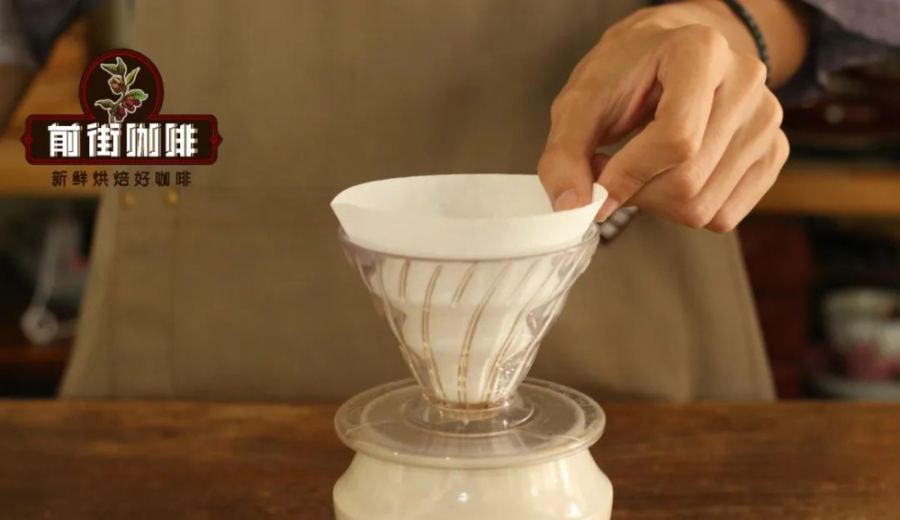
Introduction:When brewing pour over coffee, the filter paper is not just an extraction tool—it also influences flavor and the overall experience. From why you should pre-wet the filter before pouring water, to how to choose between bleached and unbleached types, and how filter size and craftsmanship affect flow rate, this article will delve into these key issues to help you master filter paper techniques and brew purer, more consistent coffee.
In the pour over process, although filter paper may seem insignificant, it plays a crucial role in flavor and extraction efficiency. Many people have the habit of wetting the filter paper with hot water before pouring the actual brew water, and this action is actually backed by science to enhance coffee flavor. Additionally, the common white and natural brown filter papers often leave people wondering which to choose. What’s the difference between them? And how do they affect extraction?
This article will give you a comprehensive understanding of the origins of filter paper, the pros and cons of different processing methods, size classifications, and how craftsmanship affects water flow—helping you make smarter choices when selecting and using filter paper.
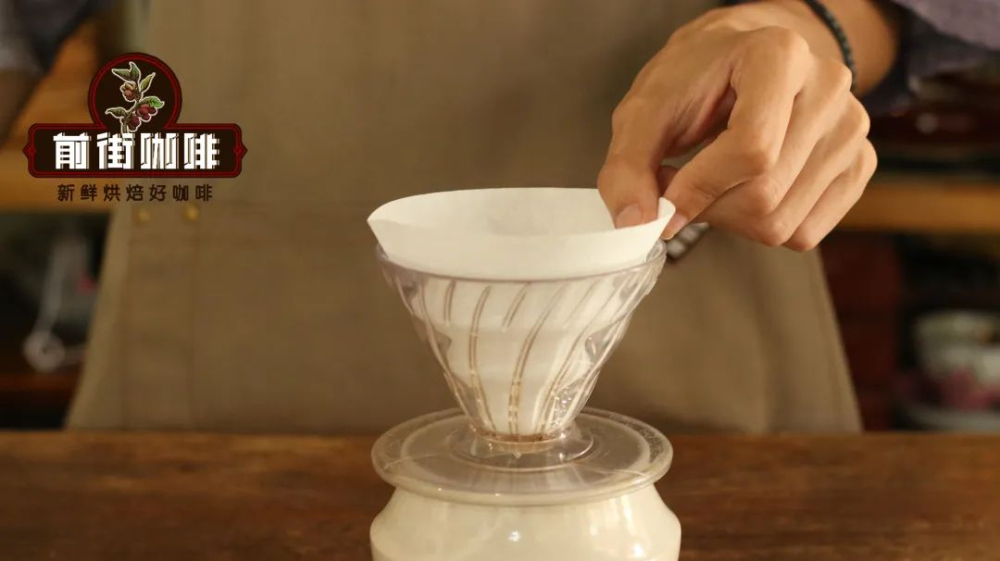
Before starting the brew, most people fold a piece of filter paper and place it in the dripper, then add coffee grounds. But have you ever thought about what role this piece of paper actually plays? Many enthusiasts also ask: which is better, white or natural brown filter paper? What are the differences between them? In fact, both types have their own characteristics, and this article will analyze their properties in depth to help you understand their advantages and best-use scenarios.
The use of filter paper is not a modern invention; its history dates back to the German town of Dresden. Around 1908, a woman named Melitta Bentz, aiming to solve the problem of coffee grounds filtration, used paper from her son’s notebook to line a perforated copper bowl, creating the first coffee filter paper. At the time, alternatives were mostly cloth, which not only filtered poorly but also often left behind off-flavors. The introduction of paper greatly improved filtration efficiency and the purity of the coffee. Later, Melitta founded her own company, continuously refining the design of drippers and filter papers. The 1937 design laid the foundation for the shape of today’s drippers.
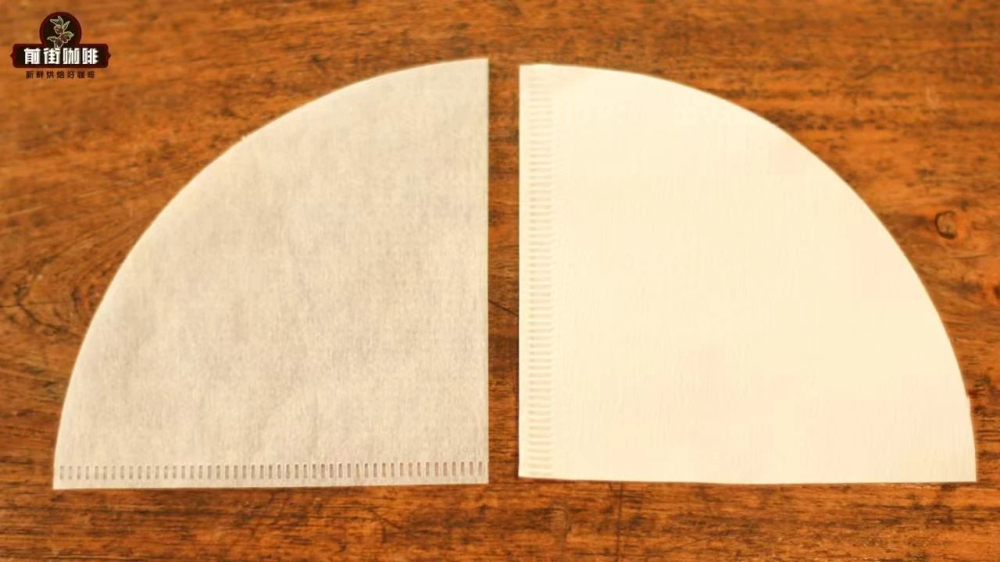
Filter papers on the market can generally be divided into two main categories: bleached and unbleached. These two types differ in production processes, flavor impact, and environmental attributes. The advantage of bleached filter paper is that the pulp itself has a milder odor, which is less likely to interfere with the original taste of the coffee, resulting in a cleaner and purer brew. However, some manufacturers previously used chlorine-based bleaching agents, which could have environmental impacts. In recent years, many brands have gradually switched to oxygen-based bleaching, non-fluorescent agents, or even more eco-friendly materials like bamboo fiber, balancing health and sustainability.
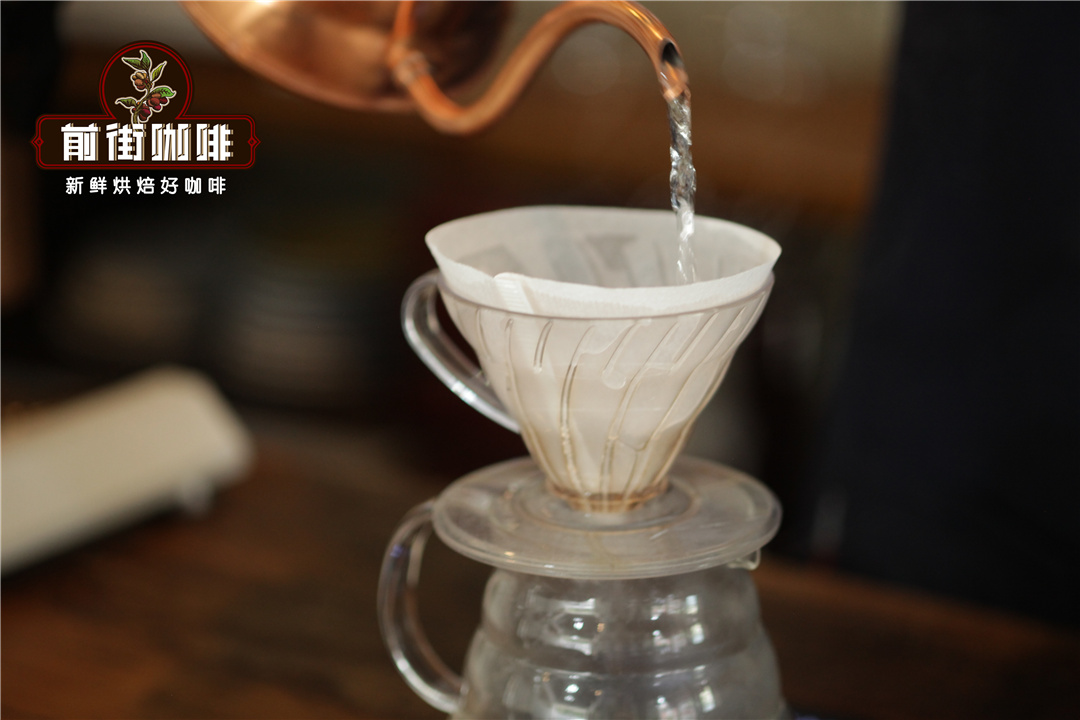
In contrast, unbleached natural brown filter papers undergo fewer processing steps, making them more environmentally friendly and closer to the natural state of raw materials. However, if not properly wetted, these papers can sometimes carry a slight pulp odor, which may affect the overall coffee flavor. To ensure consistent quality in every cup, it’s recommended to soak the filter paper in hot water for a few seconds before pouring the brew water. This step not only removes the paper taste but also preheats the dripper, helping maintain a stable extraction temperature. Some professional baristas even use alternating hot and cold water methods to further enhance the cleanliness of the filter, resulting in a purer coffee flavor.
Filter paper comes in various sizes based on the number of users and the amount of coffee grounds. Common 1–2 cup filters are suitable for brewing around 10 grams per serving, holding up to approximately 20 grams of coffee grounds—ideal for single servings or small families. Filters for 3–5 cups are designed to accommodate more coffee grounds and are noticeably larger, suitable for gatherings or shared brewing sessions. When choosing, it’s best to select based on your usual coffee grounds amount and dripper specifications to ensure a good fit and avoid overflow or uneven water flow.
If you prioritize sustainability, consider using unbleached filter paper. Simply rinsing it with hot water 1–2 times before use can effectively remove pulp odors. Based on experience, choosing filter paper made with oxidative bleaching processes is also a good option that balances eco-friendliness and convenience. These products typically have milder pulp odors and a smaller environmental impact. Of course, filter paper quality often correlates with price—high-quality papers not only have lower pulp odors but also feature more refined structures that help stabilize extraction performance.
Even with the same material, different manufacturing processes can significantly affect filter paper performance. Details such as texture, thickness, and folded structure directly influence water flow speed, thereby affecting the uniformity and efficiency of coffee extraction. For example, natural pulp filter papers of the same material may show noticeable differences in surface texture and density due to varying production processes—differences visible to the naked eye.
Different brands offer structurally varied filter papers tailored to the roast level of coffee beans. For instance, the renowned Japanese filter paper manufacturer Sanyo Sangyo has designed models such as T-83, T-90, and T-92 for light, medium, and dark roasts, respectively—numbers that conveniently correspond to recommended brew water temperatures. Although all these papers are made from natural pulp, their structural differences result in varied draw-down speeds and filtration characteristics, which in turn affect overall extraction performance. This highlights that filter paper selection is not just a matter of material—it’s a key factor influencing coffee flavor.
The above content is compiled by CoffeeHunters, a coffee news website.


