







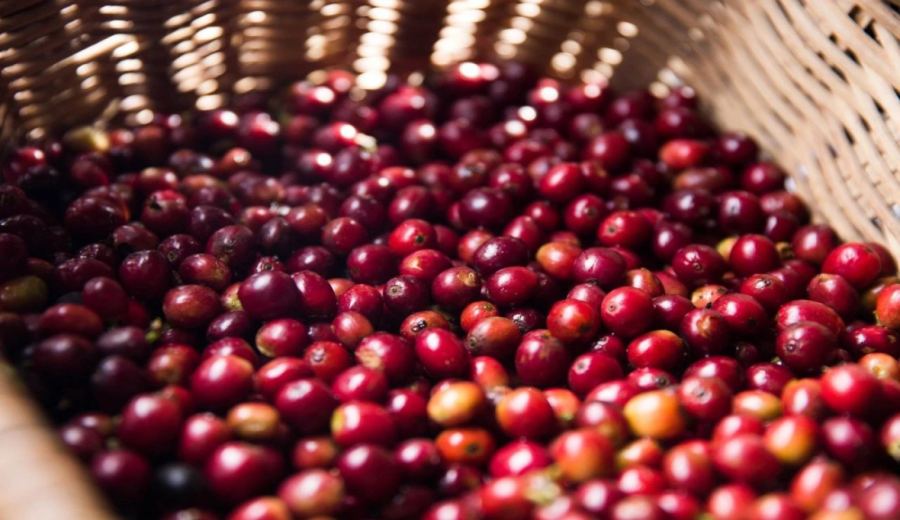
Introduction:As the most representative specialty coffee region in Ethiopia, Yirgacheffe is renowned for its distinctive citrus and floral flavor profiles. This article delves into the region’s garden cultivation model, microclimatic conditions, and how washed and natural processing methods shape different flavor profiles. We will also introduce several representative Yirgacheffe coffees and detail the rigorous screening process for natural beans to help you find the coffee that best suits your taste.
Yirgacheffe is one of Ethiopia’s most famous specialty coffee regions, known worldwide for its pronounced citrus acidity and delicate floral notes. Most of the coffee in this region is grown on small-scale family farms, with coffee trees often planted around homesteads or intercropped with other plants. Each household produces a limited yield, which is typical of traditional garden farming. The small villages scattered across the mountainous terrain are enveloped in light mist year-round, enjoying a spring-like climate that is mild in summer with cool breezes, moderate and not overly humid rainfall, and not harshly cold in winter. This exceptional environment gives rise to the region’s unique citrus and floral characteristics—what is referred to as its “terroir.”
What people often refer to as the “Yirgacheffe flavor” is actually an exquisite combination of aromas: including rich jasmine floral notes, fresh citrus scents, as well as the sweetness of peach and almond, even accompanied by subtle tea-like notes. Different processing methods significantly influence the direction of its flavor profile. If you prefer a bright and crisp fruity acidity, the Guji Dingding Cooperative washed beans from a certain well-known coffee shop are a great choice; if you favor a juice-like, richly layered coffee, their natural Red Cherry beans are worth trying—this coffee often carries the body and fermentation aromas reminiscent of black tea.
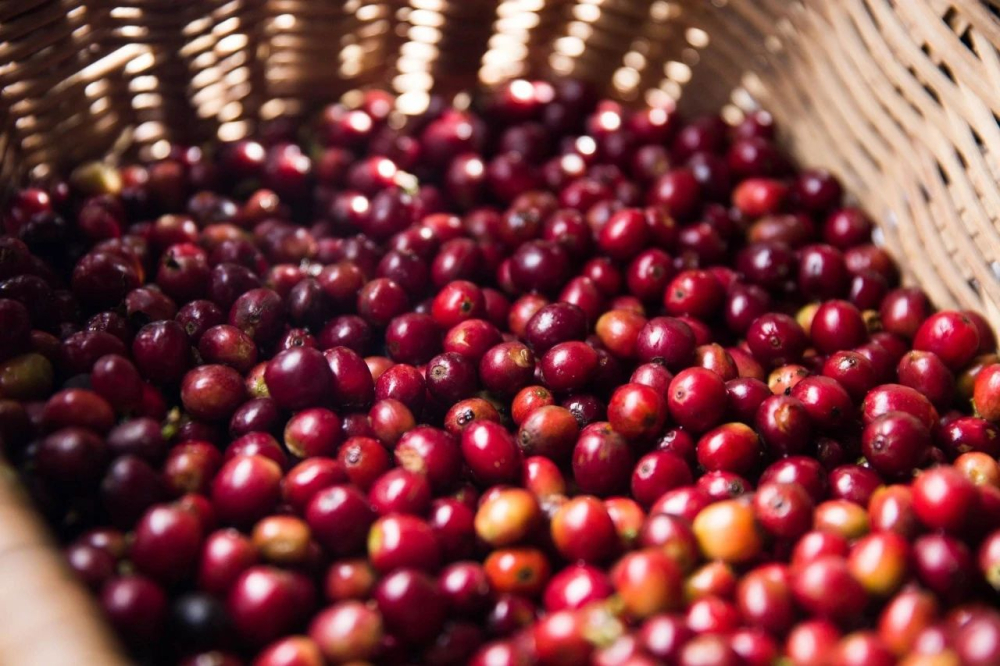
Traditionally, Yirgacheffe in Ethiopia primarily used the ancient natural processing method. However, in 1972, to improve coffee quality and consistency, the country introduced washed processing techniques from Central and South America. The introduction of this technique made the jasmine and citrus aromas of Yirgacheffe clearer and more vibrant, thereby establishing its position in the global specialty coffee market. Since the 1970s, washed processing has gradually become the dominant method in the region, also making Yirgacheffe one of Ethiopia’s most popular sources of washed beans.
However, in recent years, Yirgacheffe has once again drawn market attention due to the launch of a series of high-quality natural beans, successfully reclaiming a place in the specialty coffee market. Among them, the natural Red Cherry beans from a certain well-known coffee shop are representative. These beans are small and compact with a round shape. Although Ethiopian natural beans are typically graded as G3 to G5, these beans have achieved G1 grade, matching the high standards of washed beans and ranking among the elite of natural beans. Though occasional minor defects may be found, compared to naturals from Harrar or Sidamo, they are notably superior.
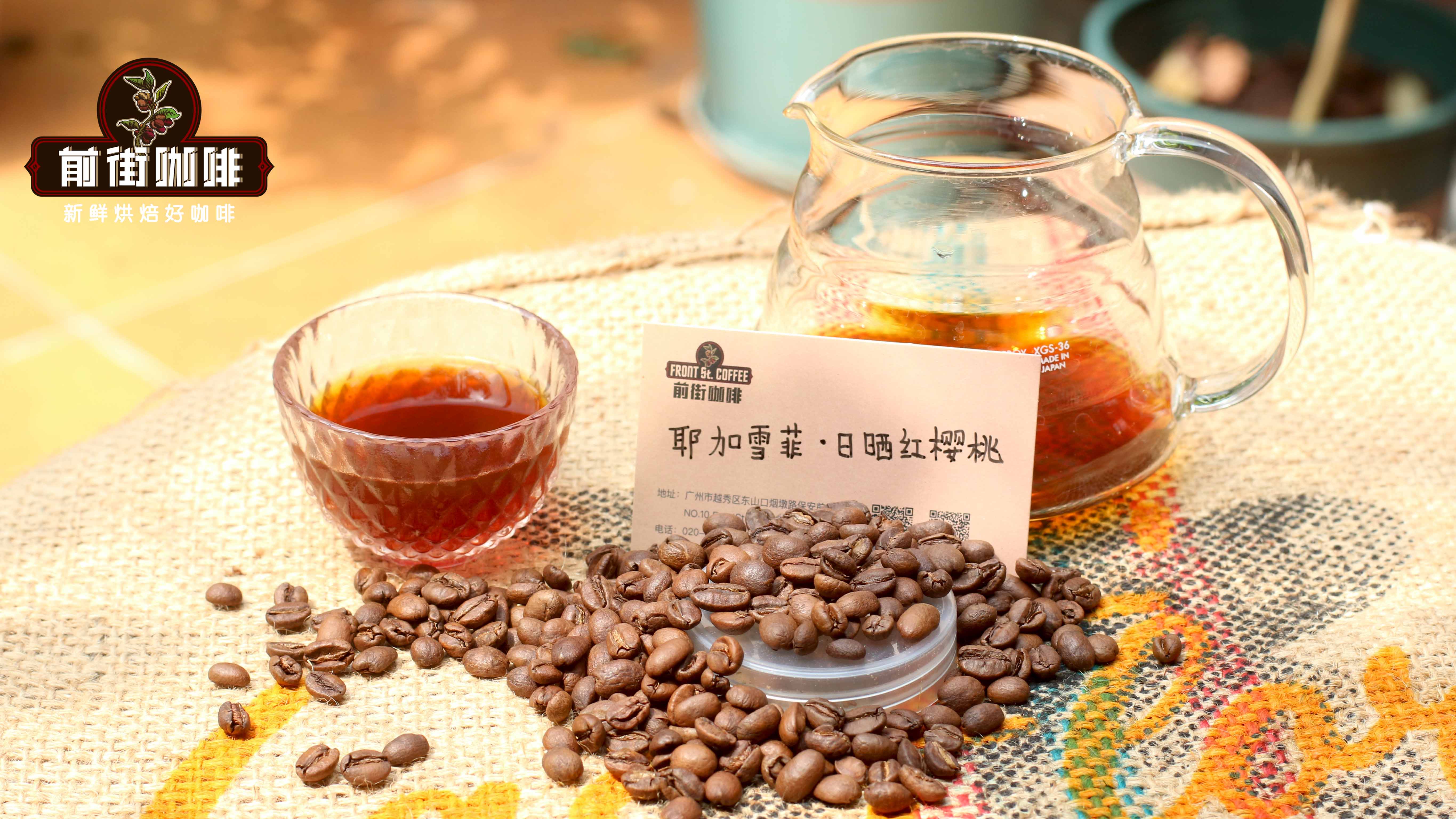
These natural beans are typically roasted to the beginning of the first crack stage. Whether brewed via pour over or siphon, the aroma of rich fruit can be detected during grinding, with particularly outstanding sweetness. At the same time, you can also perceive citrus and jasmine floral notes similar to the washed Yirgacheffe from a certain coffee shop. The overall flavor profile is rich and layered, seemingly blending characteristics of Harrar, Yemen Mocha, and washed Yirgacheffe, leaving a profound taste impression.
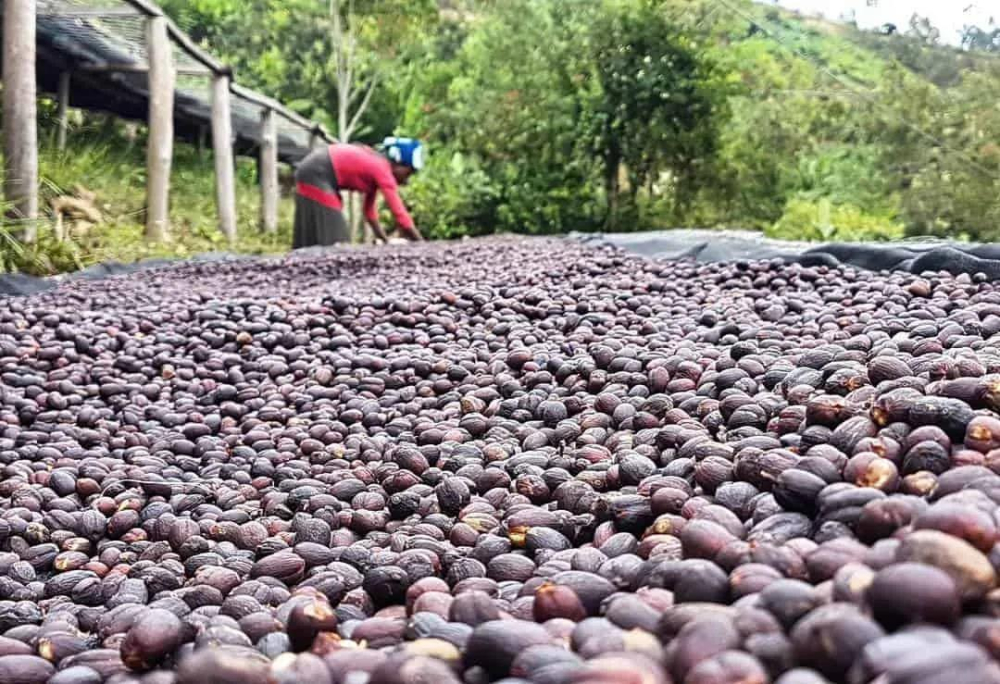
Natural Yirgacheffe beans undergo extremely strict standards in their processing. During the harvesting phase, only fully ripe red cherries are selected, with unripe green cherries and defective ones manually removed beforehand. Throughout the sun-drying process, workers continuously patrol to further eliminate moldy or damaged coffee cherries. After approximately two weeks, when the sugars and essences in the pulp have fully penetrated the seeds and the moisture content drops to around 12%, the hardened pulp, mucilage layer, and husk are removed. Subsequently, the beans are also screened by density and color to eliminate those with insufficient density or color variations. Finally, each bean is individually inspected by eye to ensure it meets high-quality standards. It is this multi-layered quality control process that gives the natural Yirgacheffe beans from a certain coffee shop their distinctive cleanliness and intense fruit aroma.
The above content is compiled by CoffeeHunters, a coffee news website.


