







Introduction:Rwandan coffee is renowned for its washed processing and Bourbon variety, often recognized for its bright acidity and refreshing fruity notes, which can lead many to assume it’s only suitable for light roasts. However, with the right roast level and brewing method, its unique layers of berries, nuts, and citrus can be fully revealed. This article takes you step-by-step—from regional characteristics, processing methods, and variety flavors to practical cupping and step-by-step pour over settings—to help you find the most flavorful Rwandan brewing approach.
Although Rwanda is a small African nation, its unique geographical environment and refined processing techniques have made it one of the must-notice regions for specialty coffee enthusiasts. Coffee from here is typically processed using the washed method with Bourbon varieties, resulting in beans with bright acidity and rich fruitiness—particularly appealing to those who enjoy a clean, vibrant profile. But how should it be roasted and brewed to fully showcase its potential? The following breaks it down step by step, from regional background and varietal traits to practical pour over recommendations.
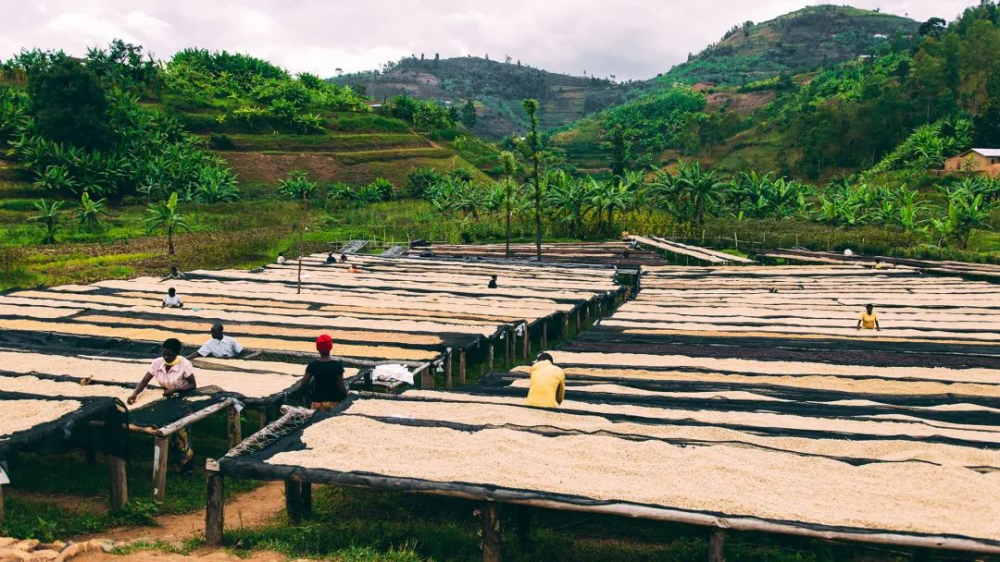
Located in east-central Africa, Rwanda is a well-known landlocked country, bordered by Burundi, Tanzania, Uganda, and the Democratic Republic of the Congo. The country is predominantly mountainous, earning the nickname "Land of a Thousand Hills." It is home to more than five volcanoes, has fertile soil, and benefits from over 23 lakes and rivers that provide ample water—creating ideal conditions for coffee cultivation. The region enjoys a temperate highland climate, with average temperatures ranging between 24.6 to 27 degrees Celsius and significant diurnal temperature variations that help coffee cherries accumulate flavor compounds.
Despite having gone through periods of turmoil, Rwanda actively rebuilt its coffee industry during recovery. Particularly in the early 2000s, through international cooperation programs such as the PEARL project, not only were coffee processing techniques and overall quality improved, but also over 46 washed processing stations were established, enabling Rwandan coffee to gradually gain a solid foothold in the international market. Today, roughly one in every 30 Rwandans is engaged in coffee-related work, making it one of the region's key economic crops.
In terms of varieties, Rwanda primarily grows Bourbon, Catuai, and Catimor— all part of the Bourbon family, sharing similar genetic backgrounds and therefore exhibiting comparable flavor tendencies: citrus, nuts, and a certain degree of sweetness. Among these, the Bourbon variety is known for its high sweetness, Catuai offers higher yields but with shorter plants, while Catimor combines high productivity with disease resistance, making it a common choice on many coffee farms.
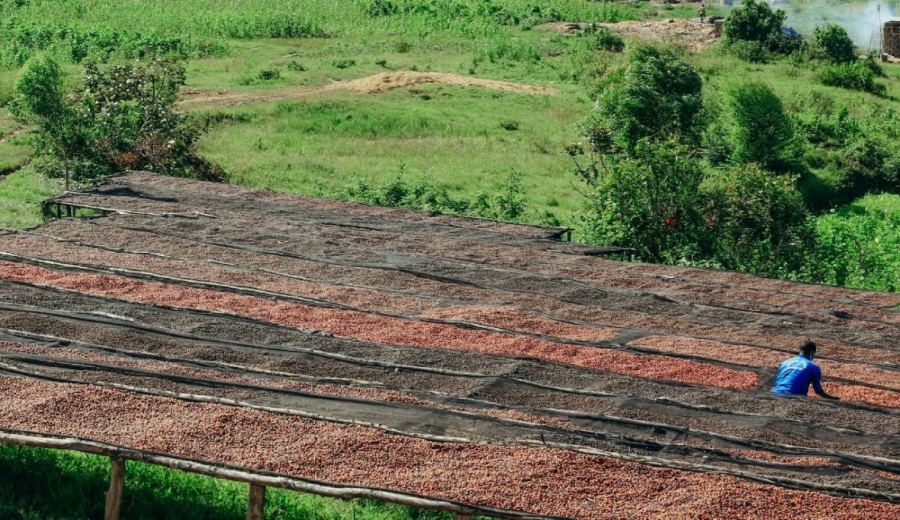
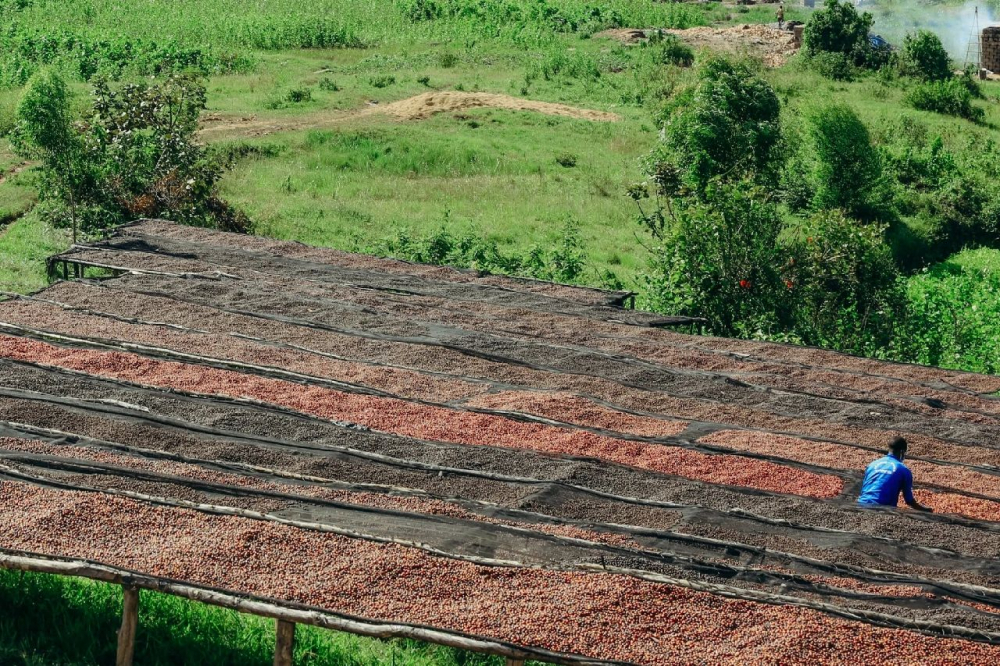
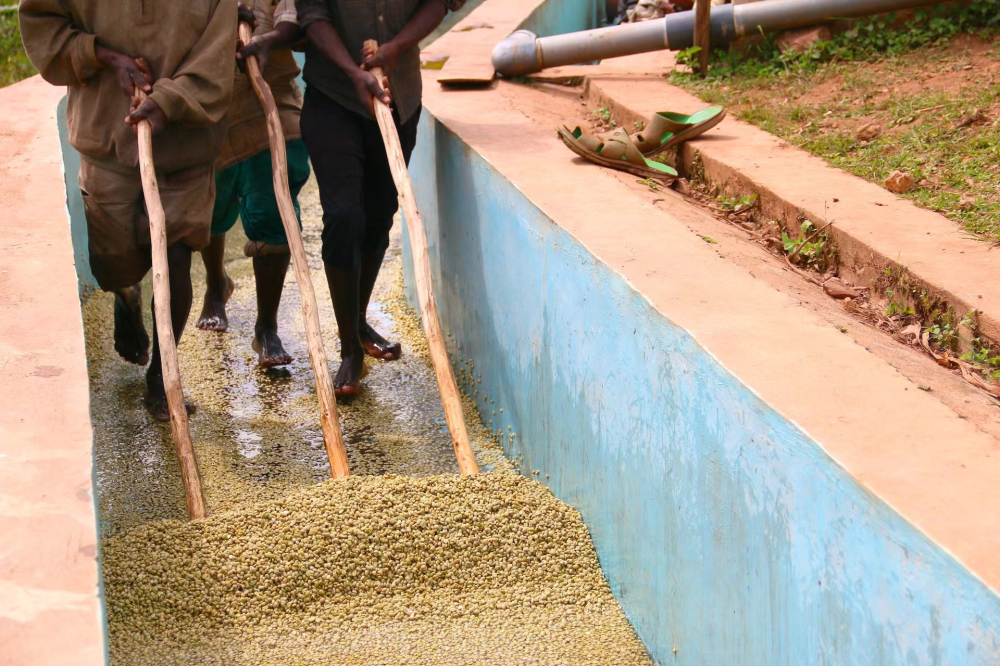
For processing, Rwandan coffee is mainly washed. This method involves first floating to remove defective cherries, then stripping the skin and pulp, followed by fermenting the mucilage-covered beans in water tanks until the mucilage breaks down. After washing, the beans are dried, with final moisture content controlled between 11% and 13%. The advantage of washed processing is that it highlights a cleaner, brighter acidity with a clear and stable flavor profile. Especially in Rwanda, where the rainy season is long, washed processing is also easier to control in terms of quality compared to natural drying.
Many believe that Rwandan coffee is only suitable for light roasts, but in reality, the choice of roast level should prioritize showcasing its optimal flavors. Light roasts can emphasize bright citrus, berry, and green tea notes, preserving rich acidity and fruity complexity; moving slightly into a medium-light roast can bring out more nutty, caramel, and honey undertones, adding body and smoothness. Therefore, the recommendation is to choose based on brewing goals—if you prefer a fresh profile, go with a light roast; if you want a rounder mouthfeel, a medium-light roast is also a great option.
In actual cupping, a typical washed Rwandan bean often displays the following flavor profile: prominent citrus and plum acidity in the forefront, followed by nutty and honey sweetness in the mid-palate, with a clean and balanced finish. As the cup cools, berry characteristics often become even more pronounced. Another example, a Red Bourbon, shows green tea, apple, and subtle floral dry aromas; once hot water is poured, it reveals bright berry-like acidity and sweetness, which then transitions into soft fruit pulp sweetness and an apricot-like finish.
For brewing, a stepwise or pulsed pouring method is recommended to fully extract its multi-layered flavors. A dose of 15 grams is suggested, using a V60 cone dripper, with water temperature around 90°C and grind size at 80% through a 0.85mm sieve—that is, medium-fine. Here are the specific steps:
- Step 1: Pour 30 grams of water for blooming, for about 30 seconds
- Step 2: Use a small stream to circle-pour up to 125 grams, continuing to pour as the water level drops and is about to expose the coffee bed
- Step 3: Continue pouring until reaching a total of 225 grams, and remove the dripper once the water level drops again; total brew time is recommended to be around 2 minutes
The V60 dripper enhances flow rate and layering, while a 1:15 brew ratio helps boost body and aftertaste. The advantage of pulsed pouring is that it allows fine-tuning for early-, mid-, and late-stage flavors, resulting in a more balanced and smooth overall cup. During actual brewing, you’ll notice distinct fruit acidity and nutty notes. While the berry expression may not be as intense as Kenyan beans, the overall balance is excellent—making it an outstanding origin for training your palate to discern flavor layers.

The above content is compiled by CoffeeHunters, a coffee news website.


