







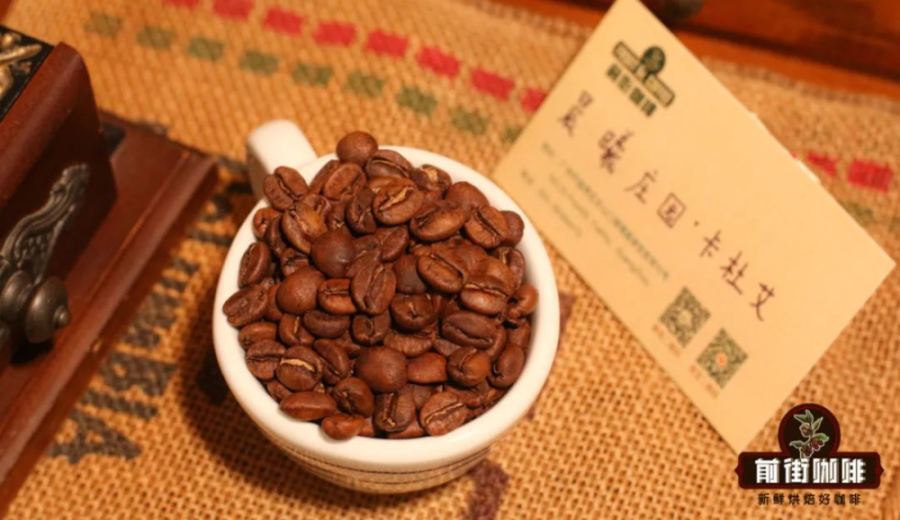
Introduction:The Morning Light Estate in Costa Rica’s Tarrazú region is renowned for its refined honey-processed coffees. Its Red Honey Catuai, grown at an altitude of 1,750 meters, boasts captivating flavors of sweet orange, grapefruit, and honey. This article delves into the estate’s geographical environment, varietal characteristics, and red honey processing method, while also providing expert pour over recommendations—including water temperature, grind size, and a three-stage extraction process—to help you fully showcase the layered complexity and sweetness of this medium-light roasted coffee.
Costa Rica’s Tarrazú region has long been celebrated for its honey-processed coffees, and Morning Light Estate (Café Sol Naciente) stands out as one of its premier representatives. This Red Honey Catuai, grown at 1,750 meters in the Santa María de Dota area, features distinct flavor notes of sweet orange, cream, grapefruit, honey, and black tea. With a prominent sweetness and bright acidity, it’s an ideal choice for coffee enthusiasts exploring honey-processed coffees for the first time.
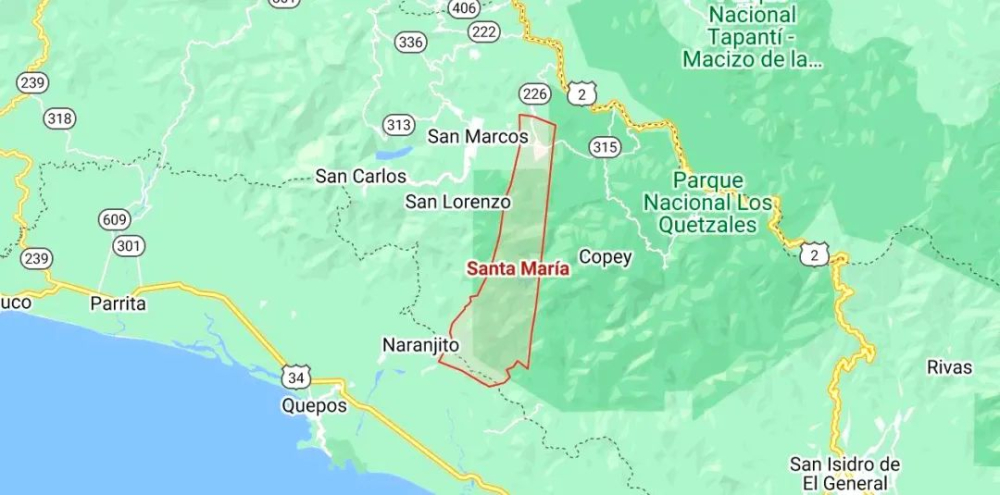
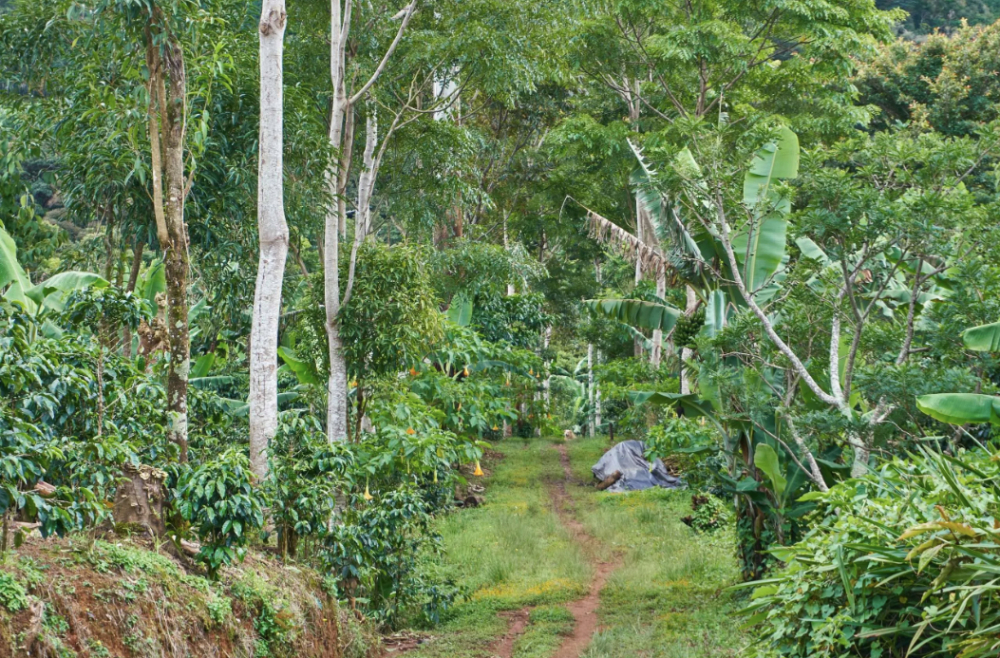
Morning Light Estate is located in the Los Santos region, where Pacific warm and humid air currents regulate the climate, bringing annual rainfall of up to 2,400 mm and an average temperature of 19°C—nearly perfect growing conditions for coffee trees at elevations between 1,500 and 2,100 meters. The coffee farm is not only near the starting point of the Los Santos Biological Corridor but is also surrounded by national forest reserves, providing diverse habitats for flora and fauna.
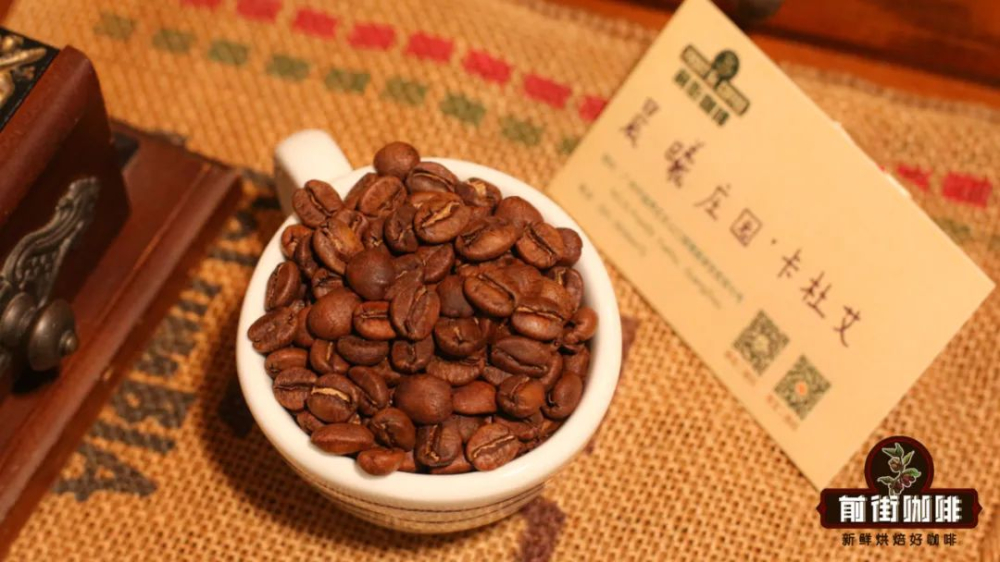
The estate was founded in 1990 when Arturo Bonilla and Xinia Martínez purchased this former pastureland and gradually transformed it into a meticulously managed coffee farm. They divided the entire property into multiple micro-lots, selecting the most suitable processing methods and varieties based on the soil and microclimate differences of each section. The “Morning Light” eco-micro processing station, launched in 2015, symbolizes their commitment to sustainable agriculture and quality traceability. Its logo, featuring the rising sun, coffee, and natural elements, also reflects the estate’s dedication to environmentally friendly practices.
Morning Light Estate currently cultivates varieties such as Catuai, Ethíopia 47, and Geisha. The Red Honey coffee introduced here is made from the Catuai variety. Catuai was developed by Brazil’s Agricultural Research Corporation (IAC) through a cross between Yellow Caturra and Mundo Novo, officially released in 1972. This variety combines Caturra’s wind and rain resistance with Mundo Novo’s high yield and stable cupping performance. Its shorter plant height makes it easier to manage, which is why it’s widely favored by farms in Central America.
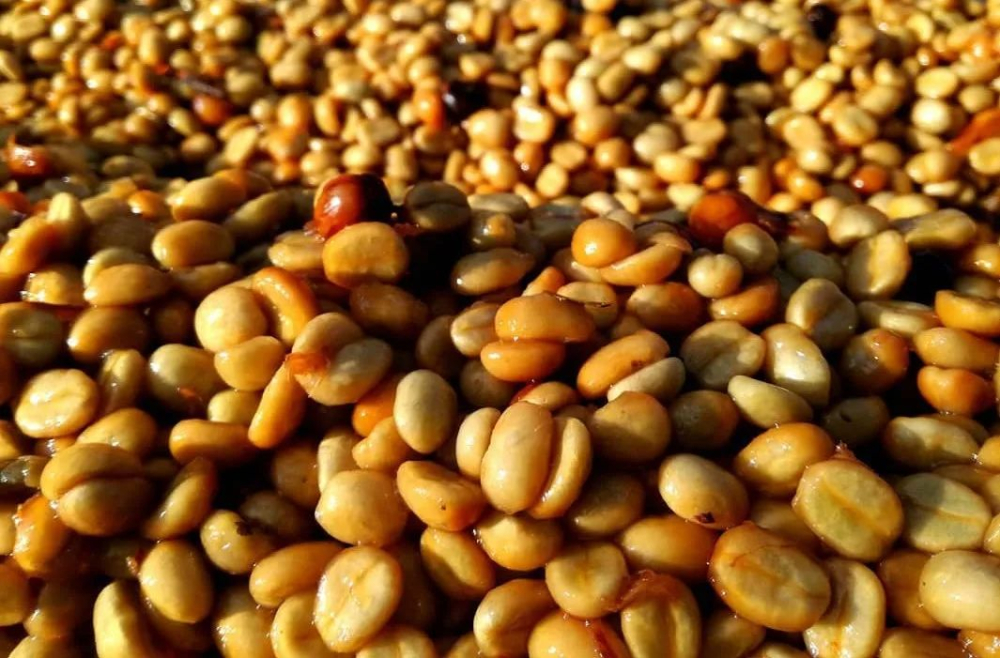
Red honey processing refers to removing the outer skin of the coffee cherry but retaining approximately 50% to 80% of the mucilage layer for sun drying. This method lies between washed and natural processing. During drying, frequent turning is required to avoid over-fermentation, typically taking around 12 days to reach the ideal moisture content. Compared to yellow honey and black honey, red honey-processed beans often exhibit a more balanced acidity-to-sweetness ratio and complex fruitiness, with dried green beans showcasing unique fermented fruit aromas and a warm hue.
To fully highlight the honeyed richness and caramel aroma of this Red Honey Catuai, a medium-light roast is recommended, followed by immediate cupping. In the dry aroma stage, you can detect notes of orange, dried fruit, creamy sweetness, and delicate floral scents, accompanied by hazelnut and subtle fermentation undertones, presenting a rich and layered fragrance. As hot water is poured, the sweetness of honey and toffee gradually unfolds, building anticipation for the brewed cup.
During actual sipping, the high-temperature stage reveals fruity notes such as red flowers, grapes, prunes, and apricots, with a bright and crisp acidity. As the temperature slightly cools, citrus aromas become more pronounced, paired with a refined black tea aftertaste. The overall mouthfeel is refreshing, with a sweet lingering finish—perfect for coffee lovers who enjoy a balanced interplay of fruitiness and sweetness.
To fully showcase this coffee’s characteristics at home through pour over, the following professional parameters are recommended: use a V60 filter cone, with water temperature controlled at91-92℃, a coffee dose of approximately15 grams, and a brew ratio suggested at1:15, using a grind size benchmarked to the size of fine sugar (approximately 80% extraction through a #20 sieve). This combination helps balance the extraction of sweetness, acidity, and aroma.
For the specific brewing process, a three-stage extraction is advised: start with30 grams of water for a 30-second bloomto allow the coffee grounds to fully expand; thenpour 95 grams of hot water, and once the coffee bed descends to about half,add the final 100 grams of hot wateruntil the dripping is complete. Throughout, use a small stream of water and pour evenly in small circles from the center outward to avoid over-concentration and uneven extraction. This method enhances flavor clarity and fully highlights the unique layers of red honey processing.
The above content is compiled by CoffeeHunters, a coffee news website.


