







Introduction:Want to dive deeper into the differences between Ethiopia’s two famous Yirgacheffe regions—Aricha and Idido? This article takes you through the historical backgrounds of their processing facilities, the differences in washed and natural processing techniques, and explores the evolution of Aricha and Idido. We also provide a detailed look at two representative beans from a certain brand: Washed Aricha and Natural Red Cherry, covering their actual flavor profiles, processing details, and roasting recommendations to help you choose your ideal coffee beans more precisely.
Yirgacheffe is a renowned high-altitude coffee region in southern Ethiopia, globally celebrated for its distinctive citrus, floral, and tea-like flavor notes. Among them, the locations Aricha and Idido often confuse coffee enthusiasts. Are they different names for the same processing facility, or are they separate regions or production units? In fact, there is both geographical proximity and a deep historical connection in processing heritage and supply chains between the two.
This article will not only clarify the historical context and evolution of Aricha and Idido but also delve into the key differences between washed and natural—the two main processing methods—and how they influence the final flavor profile of the coffee. At the same time, we’ll share the actual tasting notes and processing details of a certain brand’s selections of Washed Aricha and Natural Red Cherry from this region, helping you master the tricks to selecting high-quality Yirgacheffe specialty coffee.
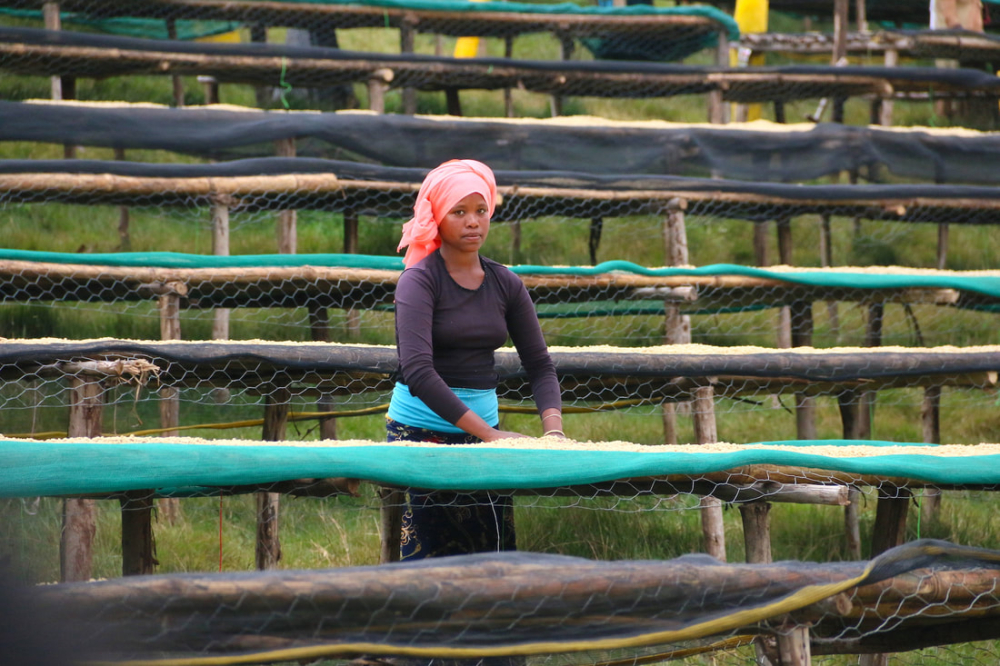
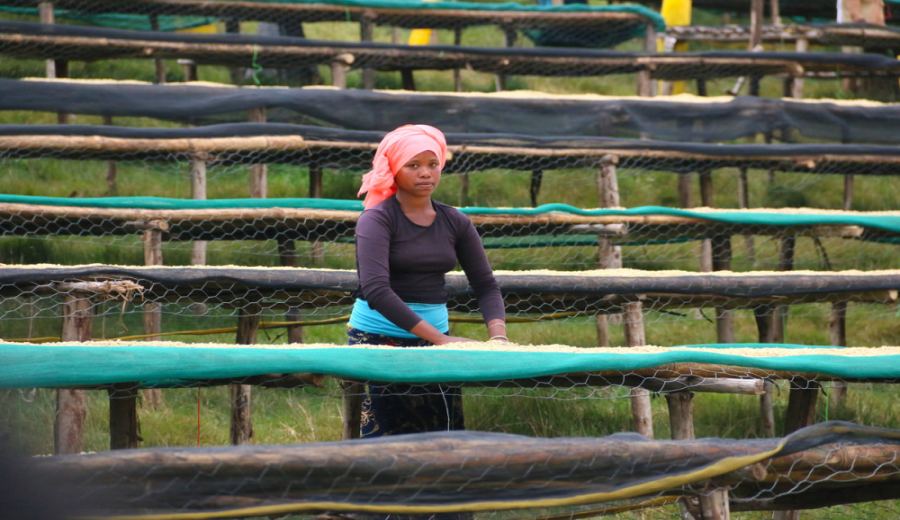
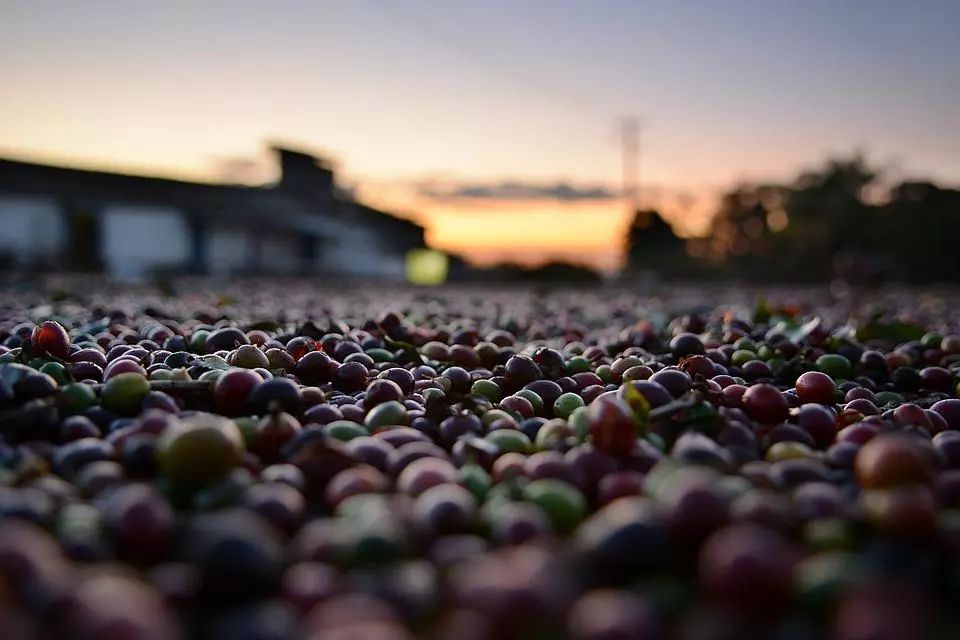
Ethiopia, due to its high-altitude terrain, enjoys cool climate, moderate humidity, and abundant sunshine, making it an excellent environment for natural processing. Natural processing refers to placing freshly harvested ripe coffee cherries directly on raised beds or the ground to dry naturally over a long period. During this time, the sugars, acids, and aromatic compounds in the fruit pulp gradually seep into the seed (the future coffee bean). Because the entire fruit dries intact, the fermentation process is slower and more complex, resulting in natural beans typically exhibiting richer fruitiness, sweetness, and layered fermentation notes, with a brighter and livelier acidity.
For roasting applications, if you want to highlight the fruity acidity of natural beans, a medium-light roast is generally recommended. Take “a certain brand’s Red Cherry,” a natural bean from Yirgacheffe, as an example. After cupping, it shows distinct light fermented wine notes, stone fruits, and dark berry tones, paired with moderate sweetness and a juicy body, and a long-lasting aftertaste. It’s highly suitable as a practice bean for pour over or AeroPress brewing.
Switching to washed processing, the freshly picked coffee cherries first go through depulping to remove the skin and fruit flesh, leaving only the seeds still covered with mucilage. Enzymatic fermentation is then used to remove the remaining pulp residue, followed by washing with clean water and drying. This method allows the coffee to present a clearer and cleaner flavor profile, with defined acidity and often floral, citrus, or spicy notes.
A certain brand’s Washed Aricha comes from the Kebel Aricha processing facility located in the Gediyo area of Yirgacheffe, at an altitude of about 1900 to 2100 meters. This processing facility sources coffee cherries from approximately 650 to 700 smallholder farmers in the surrounding areas. After harvest, the cherries are delivered to the facility for centralized processing. During washing, the cherries undergo strict sorting, are depulped, and then fermented and washed. They are then evenly spread on raised beds to dry for 4 to 6 days to ensure stable moisture content. The final G1 grade green beans produced are top-notch in appearance, dry fragrance, and brewing performance.
The actual flavor profile of this Washed Aricha is: light fermented wine notes, sweet orange tones, subtle spice hints, and bright honey-like sweetness, along with clear lemon acidity and a soft body. The overall flavor line is clean and the tonality balanced, making it highly suitable for coffee beginners and advanced enthusiasts who prefer a refreshing, sweet-and-acidic style.
When it comes to the relationship between Aricha and Idido, many consumers often mistakenly assume they are the same processing facility. In reality, there is a history of regional evolution behind them. The Aricha processing facility is currently located in the Misty Valley micro-region of Yirgacheffe. Its predecessor was once part of the Idido processing facility operated by the well-known exporter Abdullah Bagersh. At that time, coffee produced by Bagersh was often labeled as “Idido Misty Valley (IMV)” and printed with the Bagersh trademark on the sacks, which became almost a symbol of top-tier Ethiopian coffee.
Later, although ownership of the processing facility changed hands, most of the original staff continued to work there, and many of the processing procedures and quality control standards from those days have been preserved. As a result, the quality and flavor performance of today’s Aricha washed processing facility still maintain a certain degree of continuity with the former Idido era, which is one of the reasons why many coffee buyers still see the two as “of the same origin.”
Additionally, special mention should be made of Project Origin, an initiative founded by 2015 World Barista Champion Sasa Sestic. This project is committed to directly cooperating with farmers in multiple coffee-growing regions across eight countries worldwide, including Ethiopia, by offering guaranteed purchases at prices 20% higher than fair trade. It aims to improve coffee farmers’ incomes, further guide farmers in optimizing cultivation and post-harvest techniques, and strengthen the connection between roasters and origins. This makes the value chain of specialty coffee more transparent and sustainable.
The above content is compiled by CoffeeHunters, a coffee news website.


