







Introduction:For caffeine-sensitive individuals or those looking to reduce their intake, decaffeinated coffee is an excellent alternative. This article delves into a Colombian Typica decaf bean processed using the Swiss Water Method, covering everything from the decaffeination principle and roasting characteristics to practical pour over brewing tips. We’ll explore how correct brewing techniques can fully highlight its delicate notes of berries, citrus, and nuts, along with providing complete parameter settings and step-by-step instructions.
Many coffee enthusiasts love the aroma and complexity of coffee but often have to forgo it due to caffeine sensitivity. There are now many decaf coffee products on the market, and among them, Colombian Typica processed via the Swiss Water Method has become a top choice for many. Sourced from the Huila region, this coffee not only contains extremely low levels of caffeine but also retains rich flavor profiles through its processing.
So-called decaffeinated coffee typically refers to coffee beans in which the caffeine content per unit weight is significantly reduced. Generally speaking, Arabica beans contain about 0.9% to 1.4% caffeine, averaging around 1.2%; Robusta beans contain even more, at approximately 1.8% to 4%, averaging about 2.2%. Decaf coffee mainly falls into two categories: naturally occurring varieties that are inherently lower in caffeine—such as Laurina, which contains only about 0.6% caffeine due to genetic traits—and beans that have undergone artificial decaffeination processes.
Currently, international standards for decaffeinated coffee vary. The European Union stipulates that decaffeinated beans must not contain more than 0.1% caffeine by weight of the green beans, while the U.S. FDA requires that at least 97% of the original caffeine be removed, meaning no more than 3% is retained. To meet these standards, several common decaffeination methods are currently used, including direct or indirect solvent methods, supercritical carbon dioxide, Swiss Water Process, and mountain water process.
The direct solvent method is one of the most traditional processes, primarily using chemical solvents such as dichloromethane or ethyl acetate to extract caffeine from green beans. The process begins by steaming the beans to open their pores, then introducing the solvent to absorb the caffeine. The solvent is subsequently rinsed off and the beans are reheated to remove any residue. Although the FDA sets extremely strict limits on dichloromethane residues (0.001%), and actual values are usually even lower, some consumers still have concerns about chemical solvents. If ethyl acetate is used—often derived from sugarcane—it is sometimes referred to as the sugar cane decaf method. However, ethyl acetate is flammable and poses higher operational risks.
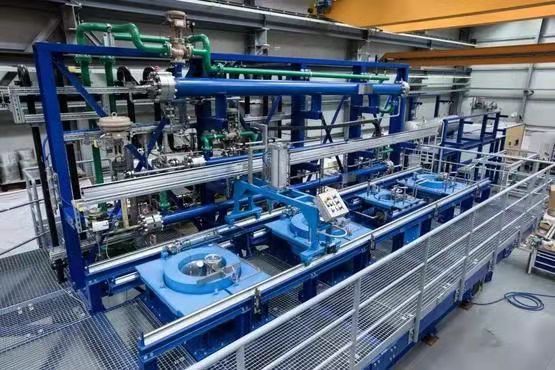
The supercritical carbon dioxide method is a more advanced technique. Its principle involves first hydrating and expanding the coffee beans to loosen the caffeine molecules, then injecting high-pressure (over 100 atmospheres) liquid carbon dioxide. Since carbon dioxide is highly selective for caffeine, it can specifically carry away the caffeine without affecting flavor compounds such as sugars and proteins, thus preserving the coffee’s original flavors more completely. Additionally, the processed carbon dioxide can be recycled, although this method is relatively costly.
The Swiss Water Process is a chemical-free decaffeination technique, developed in the late 1970s by Swiss company Coffex and now patented by SWISS WATER. The process starts by soaking a batch of green beans in hot water, which extracts all flavor compounds—including caffeine—after which those beans are discarded. Activated carbon filters are then used to remove the caffeine from the water, leaving behind “flavor-charged water” rich in other flavor compounds. This water is then used to soak a new batch of green beans.
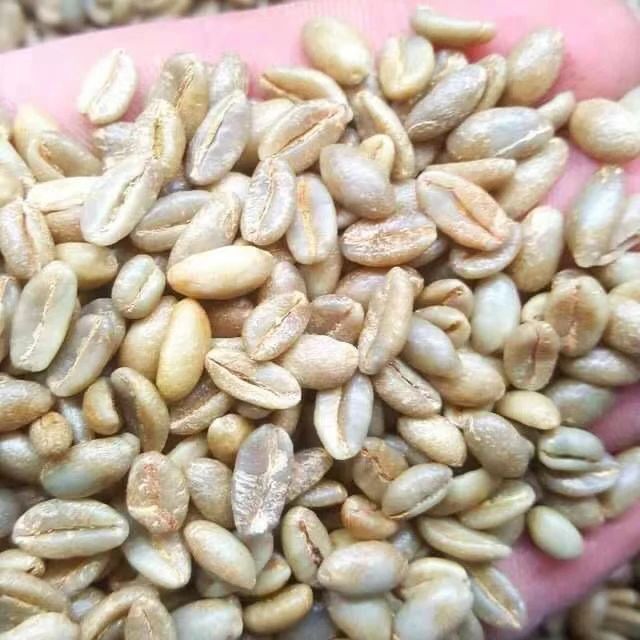
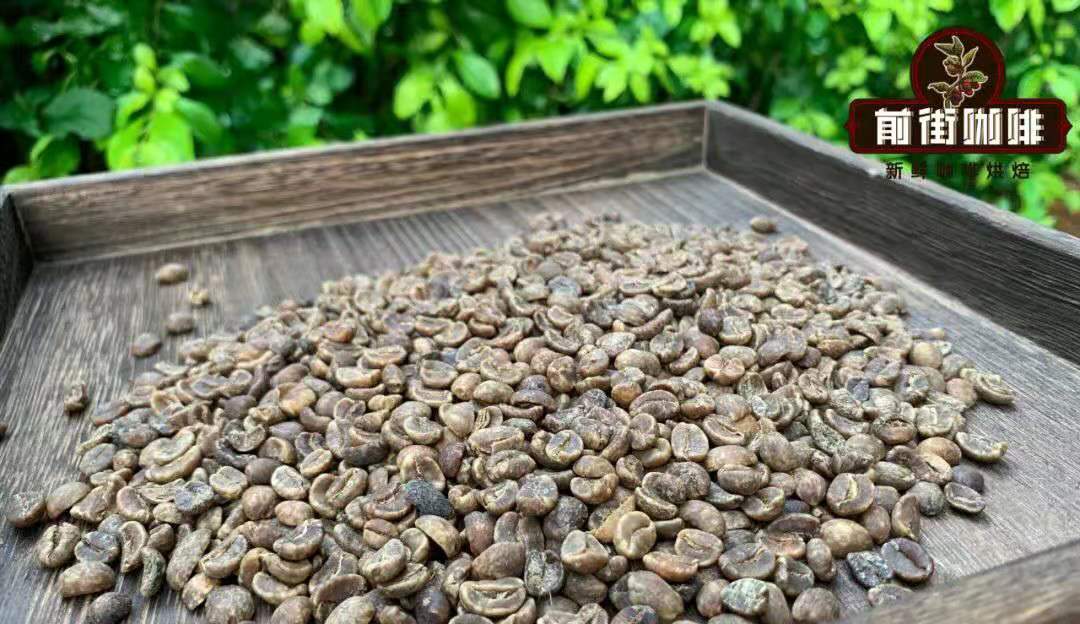
Because the flavor compounds have reached saturation, the new beans will only release caffeine during soaking, leaving other flavor components unaffected. This allows for up to 99.9% of the caffeine to be effectively removed while preserving the original aroma and taste as much as possible. Furthermore, the treatment water in this process can be reused across batches, offering both environmental and efficiency benefits. The resulting green beans are usually a deep green color, one of their distinctive features.
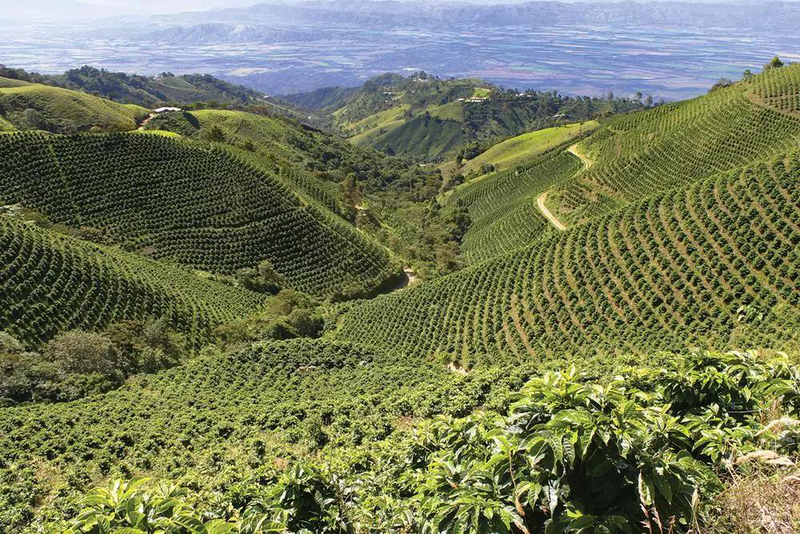
This Colombian decaf coffee comes from the Huila region, grown at an altitude of approximately 1,750 meters, and is of the Typica variety. It is decaffeinated using the Swiss Water Method, and its flavor profile exhibits pronounced notes of berries and citrus, with a finish that carries cocoa and nut aromas. The overall cup is quite balanced and layered.
In terms of roasting, this decaf bean uses a medium-light roast. Compared to typical washed Huila beans, it has a slightly shorter development time—only about 2 minutes and 30 seconds—at a temperature of 196°C, whereas standard washed beans are typically roasted for around 3 minutes and 40 seconds at 202°C. A medium-light roast helps preserve more of the bean’s native flavors. Additionally, since the decaffeination process alters the beans’ fiber structure, roasting too dark can cause the oils to be released prematurely, making the surface overly shiny and negatively affecting the final extraction.
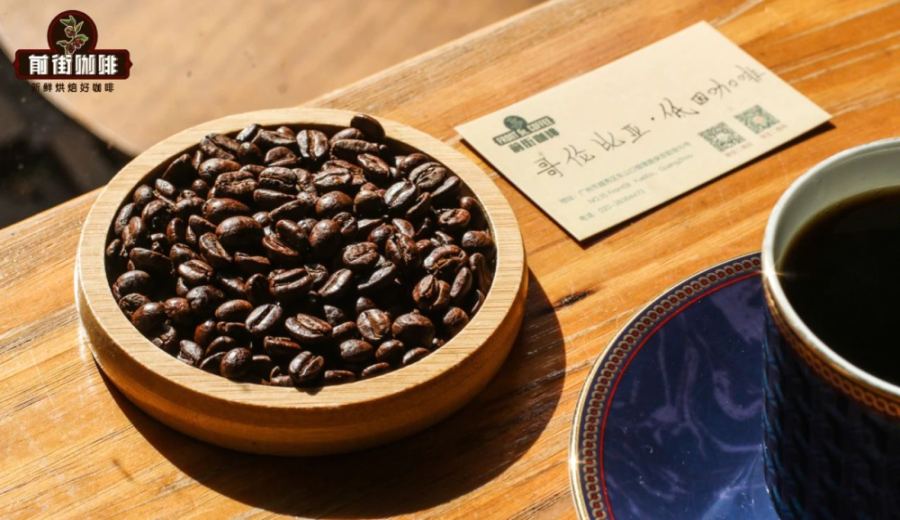
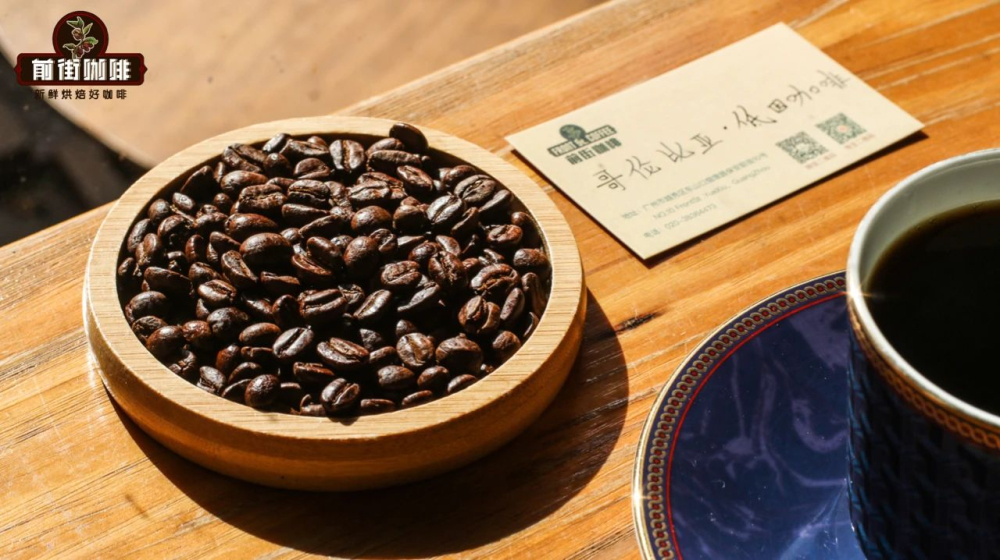
Observing the roasted beans, one can notice that Swiss Water beans tend to be darker brown with more noticeable oil sheen, a clear visual difference compared to traditional washed beans. This visual characteristic also serves as a reminder for brewers to adjust grind size and water temperature parameters appropriately to achieve optimal extraction.
For brewing recommendations, this decaf coffee is best suited to a medium-coarse grind, with a suggested grind size of approximately 62% passing through a standard #20 sieve—equivalent to a medium-to-coarse particle size—to help avoid over-extraction. Ideal brewing parameters are as follows: 15 grams of coffee, a 1:15 coffee-to-water ratio, and water temperature controlled at 88°C. Using a Kono filter cone can effectively regulate flow rate and ensure uniform extraction.
Suggested specific brewing steps are as follows: First, place the coffee grounds into the filter cone, then pour about 30 milliliters (approximately 2 times the coffee weight) of hot water to bloom for around 30 seconds. This step helps to awaken the coffee grounds and release aroma. Next, gently pour about 150 milliliters of hot water in circular motions to stabilize the coffee bed and allow a golden layer of foam to form on the surface. Finally, after the coffee bed level has slightly dropped, add another approximately 45 milliliters of hot water. Once all the coffee has dripped through, remove the filter cone. The total brew time should be kept around 2 minutes and 10 seconds.
This brewing approach fully highlights the berry and citrus notes of this Colombian decaf coffee, while preserving the cocoa and nut finish. It’s ideal for drinkers who enjoy a nuanced cup but need to monitor their caffeine intake. With proper control of grind size, water temperature, and pulsed pouring, even decaf coffee can deliver a rich and enjoyable pour over experience.
The above content is compiled by CoffeeHunters, a coffee news website.


