







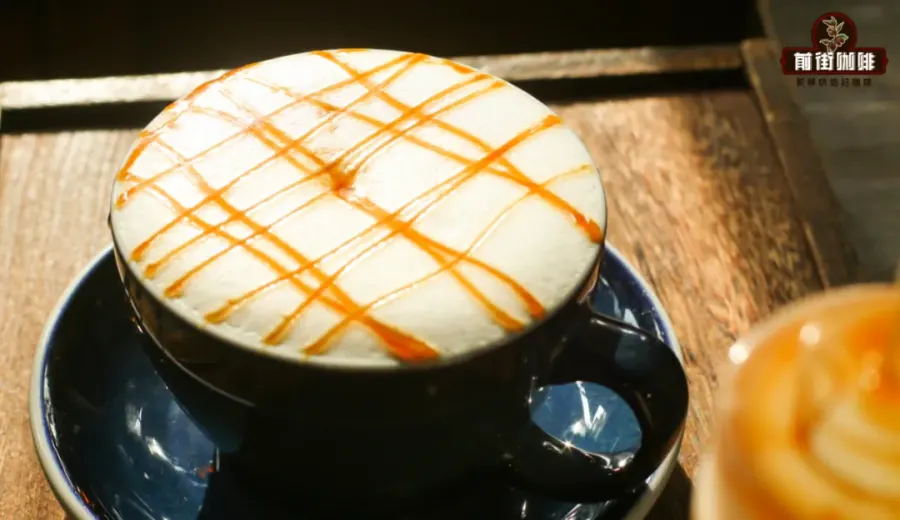
Introduction:Although both Caramel Macchiato and Caramel Latte feature caramel flavors and layers of milk foam, they actually have significant differences in their formulation structure and taste profile. Many coffee enthusiasts often confuse these two classic drinks, even mistakenly thinking that they both originate from the Italian Macchiato tradition. This article delves into the etymology of the English name "Caramel Macchiato," breaks down its differences from Caramel Latte and traditional Italian Macchiato, and provides a detailed preparation process—including coffee bean selection, extraction ratio, milk frothing techniques, and the use of caramel syrup—to help you master making this layered, sweet-yet-not-greasy classic coffee perfectly at home.
Caramel Macchiato is a globally popular milk coffee, first introduced to the market by an international coffee chain brand in the 1990s. The preparation process involves first mixing vanilla syrup with espresso, then pouring in well-frothed steamed milk, and finally topping it with a thin layer of silky milk foam drizzled with moderately fluid caramel syrup, decorated with latte art patterns. Though the "Macchiato" in its name shares the same term as Italy’s classic Espresso Macchiato, the two differ entirely in formulation logic, taste composition, and drinking experience.
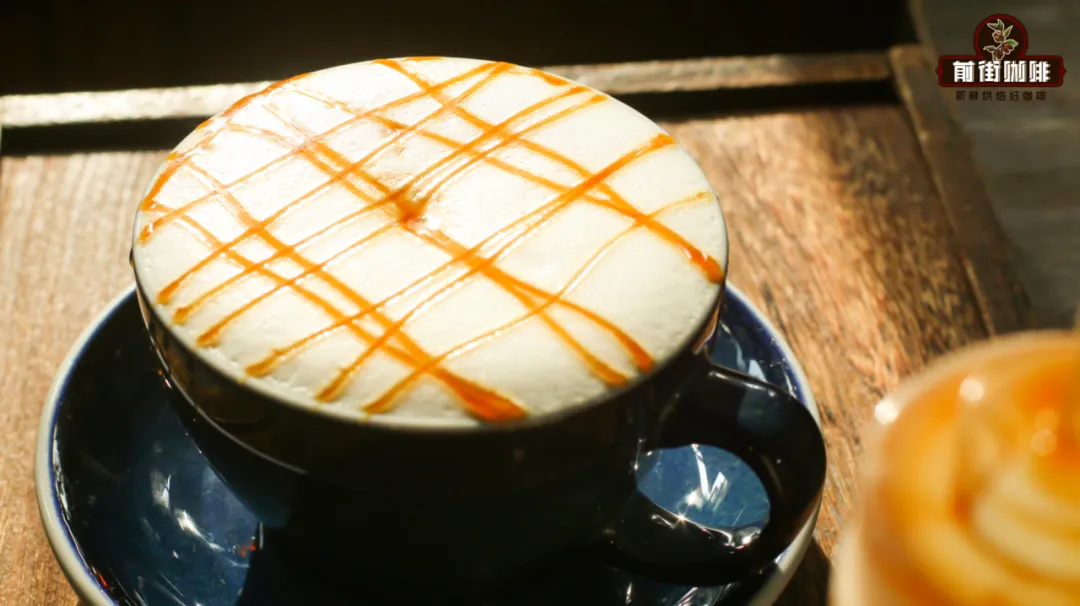
Many people are first drawn to Caramel Macchiato by its bittersweet flavor and rich milky aroma. Compared to a regular Latte, Caramel Macchiato includes additional vanilla syrup and specially formulated caramel syrup, resulting in a more complex flavor profile with pronounced sweetness yet still preserving the essence of coffee. Especially on the surface of the milk foam, that glossy layer of caramel syrup not only enhances visual appeal but also adds a finishing touch of caramel aroma. However, with the diversification of beverages in the market, this once wildly popular coffee has become less commonly seen on the menus of some cafés.
Nevertheless, even though it's less frequently found on the market, making Caramel Macchiato is not actually complicated. With the right extraction parameters, milk frothing skills, and ingredient ratios, you can easily recreate this classic coffee’s unique flavor at home. This article will professionally analyze the meaning behind its English name, gradually guide readers through its distinctions from Caramel Latte and traditional Macchiato, and provide a set of practical home-brewing steps—from coffee bean selection, grind size, extraction time, to controlling milk foam thickness and using caramel syrup—all covered in one go.
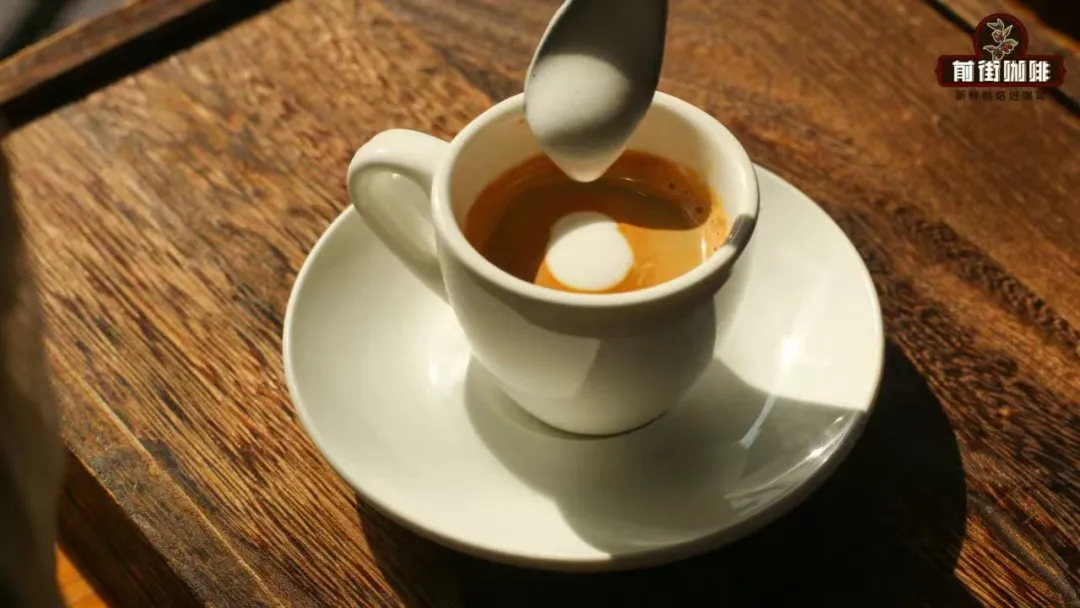
First, let’s clarify a common misconception: Caramel Macchiato is not an extended version of the traditional Italian Macchiato. In fact, these two share only a similar name, while their actual contents are vastly different. The Italian Macchiato originated in Italian cafés in the 1980s, when customers sought to soften the intense bitterness and high concentration of espresso by asking baristas to add a small amount of milk to adjust the taste. Since only a tiny amount of milk was added, the appearance was almost indistinguishable from a regular espresso, so baristas would lightly layer a small amount of fine milk foam on top as a “mark” (as “Macchiato” in Italian means “stain” or “mark”) to help both customers and staff clearly identify that it was an espresso with milk.
This espresso with a small amount of milk and milk foam is the prototype of what we now know as the Italian Macchiato. Later, this beverage went global, but its interpretation varied slightly in different regions. No matter how it evolved, the core of the Italian Macchiato has always been “one shot of espresso with a few drops of milk,” focusing on preserving the richness and layered characteristics of espresso, rather than adding syrups or large amounts of milk foam.
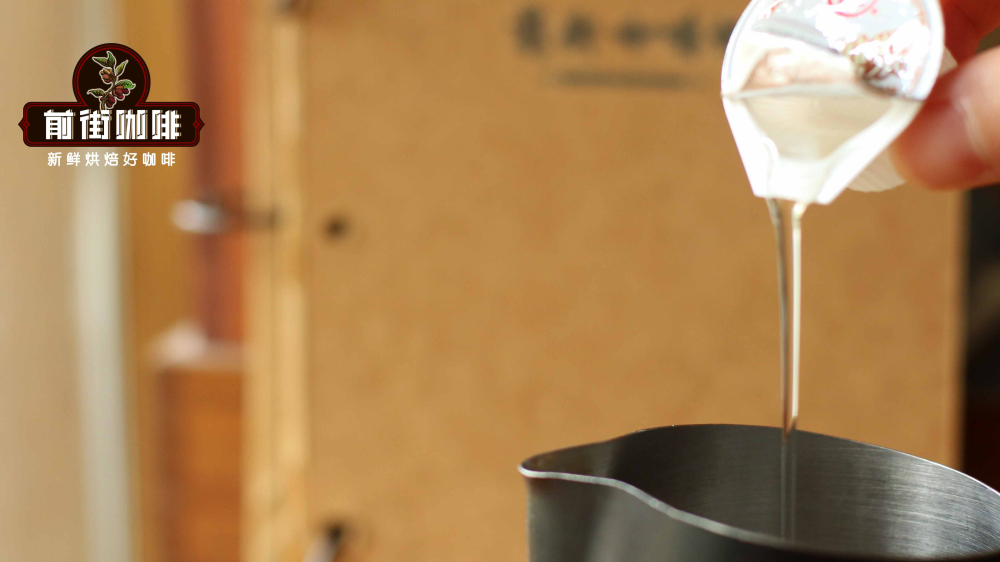
In contrast, Caramel Macchiato was first launched in the 1990s by a well-known international coffee chain. Its basic components include vanilla syrup, either a double or single shot of espresso, steamed milk, and caramel syrup. During preparation, the vanilla syrup and espresso are mixed first, then poured into hot milk that’s been frothed to a slightly fluffy texture, and finally topped with caramel syrup on the milk foam layer, decorated with latte art using a pour spout. The reason this coffee became widely loved lies not only in its sweet yet not cloying caramel flavor, but also in its distinct layered taste: the initial hit of sweet caramel aroma, followed by the dense milk foam and gentle milky notes, and finally the rich and mildly bitter taste of the coffee itself.
As for Caramel Latte, although it also contains caramel elements and a milk base, its formula is closer to a regular Latte, simply adding a bit of caramel syrup for flavor. Its overall sweetness is more direct, and the milk foam layer is usually thinner. In comparison, Caramel Macchiato has a thicker milk foam that not only supports the caramel syrup but also makes the overall mouthfeel smoother and silkier.
If you want to replicate an authentic Caramel Macchiato at home, it’s recommended to prepare the following ingredients: a double or single shot of espresso (about 30–40 ml), 200 ml of fresh whole milk, 12 ml of vanilla syrup, and caramel syrup with moderate fluidity. For coffee beans, it’s suggested to choose a medium-dark roasted blend that offers sufficient body and flavor support. The grind size should be adjusted to medium-fine, with an extraction time controlled at 25–30 seconds, yielding about 30–40 ml of espresso.
When frothing the milk, it’s recommended to use 200 ml of fresh whole milk, and the foam should be slightly thicker than that of a regular Latte to stably hold the caramel syrup and create a good mouthfeel. Pay attention to controlling the angle and distance of the steam wand to produce fine microfoam while heating the milk to about 60–65°C. Then, add 12 ml of vanilla syrup to the cup, pour in the frothed milk until nearly full, and subsequently slowly pour the espresso from the center of the cup, which helps achieve a more aesthetically pleasing appearance—but remember to stir slightly before drinking to evenly blend all the flavors.

Finally, drizzle the chilled, more fluid caramel syrup on top of the milk foam, and use a pour spout or small spoon to draw simple patterns to complete a Caramel Macchiato that’s both visually and tastefully satisfying. For those who want to challenge themselves with more intricate designs, you can also refer to professional baristas’ latte art tutorials to further elevate your drink’s presentation.
In summary, although Caramel Macchiato, Caramel Latte, and Italian Macchiato all belong to the milk coffee category, they each have unique characteristics in terms of flavor composition, texture structure, and cultural background. Understanding the differences among them can not only help you choose your preferred type of coffee more accurately, but also allow you to adjust the recipe according to your taste preferences when making it at home, enjoying your own coffee moments.

The above content is compiled by CoffeeHunters, a coffee news website.


