







Category: Coffee Knowledge
Yirgacheffe vs Sidamo Coffee Beans: Regional Differences, Price Comparison, and Flavor Analysis
Although Yirgacheffe and Sidamo both belong to Ethiopia, they are often mistaken for the same coffee region. In fact, the two have significant differences in administrative division, altitude, processing methods, and flavor profiles. This article delves into the geographical background, cultivation systems, and grading systems of the two major regions, and compares their flavor profiles and market prices to help coffee enthusiasts make more informed choices. [more…]

The Cultivation Secrets of Panama Elida Gesha: Unveiling the Flavor Profile of Green-Topped Natural Process and BOP Auction Records
The green-topped natural process Gesha beans from Panama's Elida Estate once achieved the record-breaking price of $10,013 per pound at the Best of Panama (BOP) auction, securing the title of top lot and even earning a double championship. How does this century-old estate cultivate such premium coffee that boasts layers of peach, pomegranate, and black tea? This article delves into the terroir of the growing region, the processing methods, and the cupping flavor profile, helping you understand the ultimate expression of Gesha through the lens of auction success. [more…]
Sun-dried Yirgacheffe Guji Hambella Konga vs Washed Yirgacheffe: Flavor Analysis & Comprehensive Guide to Sidama Coffee Prices
Ethiopia's Sidama and Yirgacheffe are two classic regions that global specialty coffee enthusiasts cannot miss. This article delves into the flavor profiles, processing methods, and regional characteristics of sun-dried Yirgacheffe Guji Hambella Konga (commonly referred to as Sidama Huakui) and washed Yirgacheffe. It also explores the market pricing of Sidama coffee and the background of its regional development. Not only does it explain the origin and evolution of the commonly known name "Huakui", but it also details the characteristics of the Heirloom heirloom variety, while providing practical pour-over brewing parameters and flavor tasting notes. [more…]

The Origins and Differences of Yemen Mocha Beans, Mocha Beverages, and Moka Pots | Coffee Beginner’s Guide
Many coffee beginners are confused by the term "mocha", whether it refers to Yemeni Mocha coffee beans, Italian mocha beverages with chocolate, or the classic moka pot—names may sound similar but they are entirely different. This article will guide you through the historical background to clarify the origins of these three, exploring how the Yemeni Mocha port influenced coffee naming, the creative inspiration behind Italian mocha drinks, and the design principles and usage tips of the moka pot, along with a practical bean list for reference, helping you gain a deeper understanding of these three “mochas”. [more…]
Flavor Profile of Huakui 6.0 Coffee Beans & Characteristics of the Bean Varieties from Ethiopia’s Guji Hambela Region
The Huakui series of coffee beans has taken the global specialty coffee market by storm with its intense fruity aroma and unique processing methods. What is the story behind the name "Huakui"? How have the bean appearance and flavor profile evolved in version 6.0? This article delves into the origin of the Huakui beans, the meticulous natural processing techniques of the Buku Abel washing station, and analyzes the cupping characteristics of the latest harvest along with recommended brewing methods—offering you a comprehensive understanding of this highly acclaimed specialty coffee bean. [more…]
Hakka 8.0 SOE Flavor Profile: How to Brew Sidama Beans? How to Make Balanced Americano & Latte
In recent years, the much-talked-about Hakka SOE has gained popularity for its bright acidity and smooth mouthfeel, whether brewed at home or taken on the go. This article delves into the origin background of Sidama Hakka 8.0 and the meaning behind its series numbering, while also explaining the brewing principles of SOE (Single Origin Espresso). It provides practical brewing parameters, step-by-step instructions, and tips on how to prepare a balanced and refreshing Americano or a rich and smooth latte—helping you master everything from bean selection to brewing. [more…]
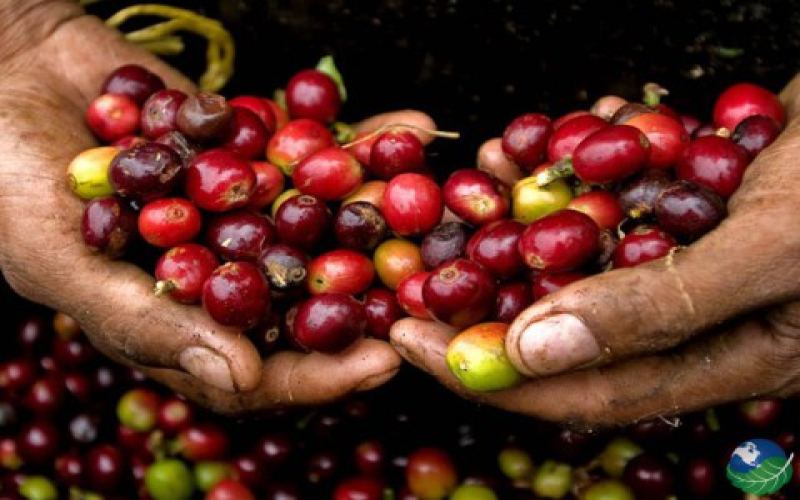
How to Drink Costa Rican Coffee? A Complete Guide to Pour Over Bean Recommendations & Honey Processed Bean Prices
As one of the earliest countries in Central America to cultivate coffee, Costa Rica has built a globally renowned specialty coffee region thanks to its high-quality Arabica beans and long-term government policy support. This article delves into the development of Costa Rican coffee from planting policies to honey processing techniques, and features three representative pour over beans—from classic blackberry notes to the fermented flavors of Mozart—offering comprehensive tasting suggestions and practical brewing references to help you find your own Costa Rican coffee experience. [more…]
Costa Rica Tarrazú Coffee Beans: Regional Characteristics, Grading System, and Pour Over Recommendations
An in-depth analysis of the geographical advantages of the Costa Rica Tarrazú region, the varieties of coffee beans grown there, and its rigorous grading system — from altitude to quality classification, all explained. The article also covers well-known sub-regions such as La Minita Tarrazú and real-life examples from local renowned coffee brands, along with practical extraction and flavor references to help you better understand the charm of this top-tier Central American coffee region. [more…]
The Complete Guide to Costa Rican Honey Processed Coffee: Master Black Honey Flavors and Pour Over Parameters in One Go
Dive deep into the unique charm of Costa Rican honey processed coffee. From the eight major producing regions, the three types of honey processing methods, to the flavor profiles of yellow honey, red honey, and black honey, along with pour over brewing recommendations—this guide helps you fully understand this sweet and renowned Central American specialty bean. Whether you're new to honey processing or looking to refine your brewing skills, this guide offers practical insights. [more…]
How to Brew Costa Rican Coffee? Honey-Processed SHB Pour Over Parameters & Blueberry Flavor Analysis
Costa Rican coffee is renowned for its honey processing and Strictly Hard Bean (SHB) grades. Beans grown in high-altitude volcanic soils often exhibit bright acidity and rich complexity. This article delves into the impact of the three major processing methods—washed, natural, and honey—on flavor profiles. Using Tarrazú washed beans and Jade Mountain Estate’s blueberry anaerobic heavy honey beans as examples, it explains the altitude classification system and the characteristics of SHB beans. It also provides practical V60 pour over parameters, covering water temperature, grind size, and three-stage brewing techniques, to help you bring out the candy-like sweetness of the coffee. [more…]
Complete Guide to Adjusting Grind Size for Pour Over & Espresso: From Sieve Passing Rate to Extraction Time
Grind size is one of the key factors affecting the release of coffee flavors, but even with the same grinder setting, the fineness of the ground coffee can vary greatly between different grinders. This article delves into the logic behind adjusting grind size for both pour over coffee and espresso—from sieve passing rate standards and extraction time observation to practical grinding adjustment techniques—to help you precisely control the coarseness of your coffee grounds. Whether you're a beginner or an advanced enthusiast, you'll be able to dial in the ideal flavor. [more…]
How to Adjust Espresso Grind Size? A Complete Guide from Observing Flow Rate to Fine-Tuning Flavor
To make a rich and full-bodied espresso, precise adjustment of grind size is key. This article will take you deep into the finer details of espresso grinding, how to determine the right grind setting by observing flow rate, and how to fine-tune it step by step in 0.1 increments. It also includes practical extraction parameters and solutions to common problems, helping you easily master professional-level espresso-making techniques. [more…]
An Analysis of Arabica vs Robusta Beans | Beginner's Guide to Global Origins & Flavor Profiles
Dive deep into the world’s two most prominent coffee varieties: Arabica and Robusta. From their aromatic characteristics and ideal brewing methods to the flavor profiles of major global producing regions, this guide helps you choose the right beans based on your taste preferences. The article also details the cultivation conditions, market positioning, and typical flavor characteristics of these two varieties from common origins. [more…]
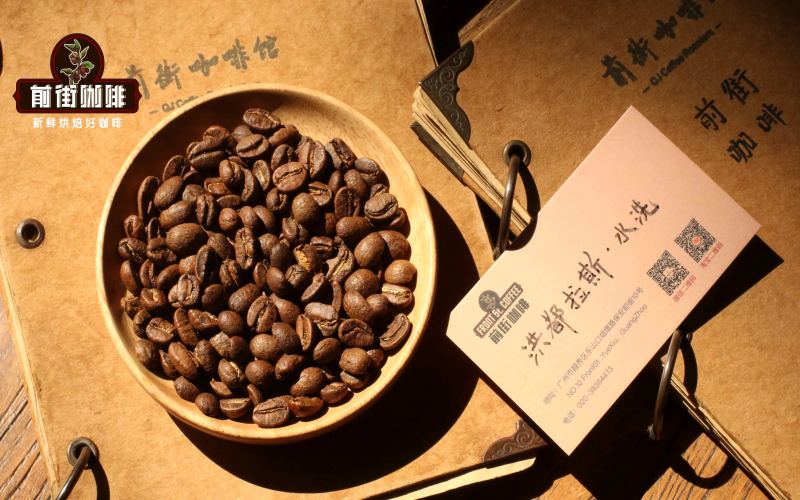
Analysis of Honduran Coffee Flavors and High-Value Washed Bean Recommendations | Pour Over Beginner’s Guide
Honduran coffee is gradually making its mark on the international market with its rich, sweet aroma and affordable price. As the largest producer in Central America and the world’s second-largest supplier of washed Arabica, its black sugar base layered with notes of berries, caramel, and apricot has won the hearts of many coffee enthusiasts. This article will guide you through the rise of Honduran coffee, provide market references, and recommend mid-range beans ideal for pour over brewing. Help you identify your perfect choice by exploring flavor profiles and roast levels. [more…]
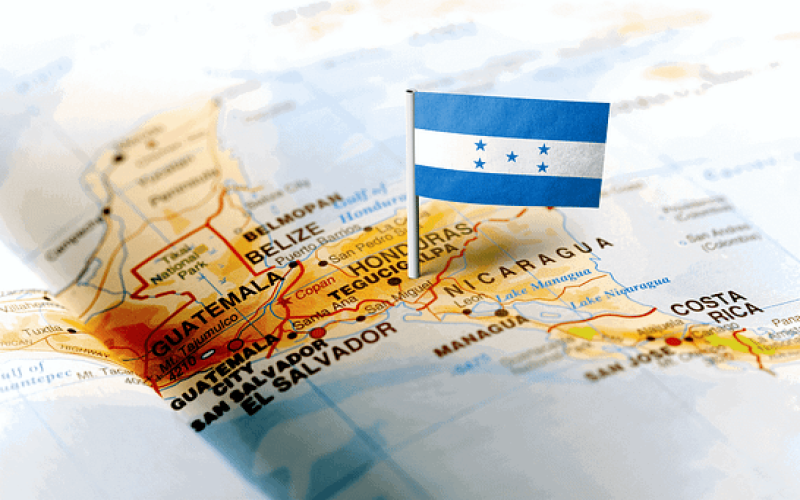
A Comprehensive Guide to Honduran Coffee Regions: Flavor Profiles, Grading, and Six Key Origins
Dive deep into how Honduras transformed from an overlooked coffee-producing nation into a major global supplier of washed Arabica. This article provides a detailed overview of the development of its coffee industry, the characteristics of its six main regions, its rigorous grading system, as well as the flavor profiles of beans from each area along with practical roasting and pour over parameters to help you master the essence of Honduran coffee. [more…]
Colombian Decaf Coffee Pour Over Guide | Extraction Parameters, Flavor Profile & Swiss Water Processing Analysis
Decaf coffee is not completely caffeine-free but is processed professionally to keep caffeine content at an extremely low level. This guide takes Swiss Water processed decaf beans from Colombia’s Huila region as an example, diving deep into the differences among four major decaffeination techniques, regional terroir, and varietal characteristics. It also provides tested pour over recommendations and reference pricing. Whether you're concerned about excessive caffeine intake or simply seeking a low-stimulation yet flavorful coffee experience, you’ll find practical answers here. [more…]
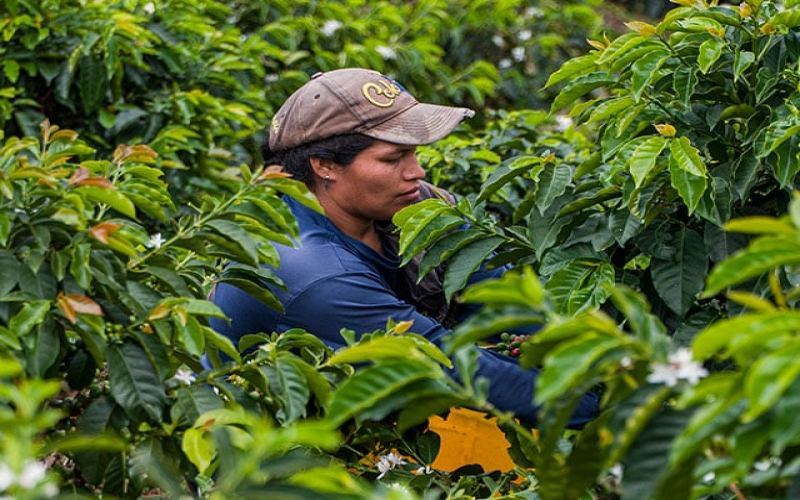
A Complete Guide to Colombia’s Coffee Regions: Terroir, Grading, and Pour Over Method for Huila Everyday Beans
Colombia is a world-renowned producer of specialty coffee. Its high-altitude environment in the Andes Mountains and the FNC’s rigorous grading system contribute to its balanced and richly flavored beans. This article delves into the characteristics of Colombia’s major coffee regions, the processing and grading standards of its beans, and provides practical pour over parameters and flavor insights for Huila everyday beans, helping you master the brewing techniques for this classic coffee. [more…]
Flavor Profile & Pour Over Brewing Guide for Costa Rica Sachimor Red Honey Beans: A Complete Analysis from Processing to Extraction
This Costa Rican Red Honey processed Sachimor variety coffee hails from an elevation of 1550 meters in the western valley, a collaboration between Finca Archimia and the Cerro San Luis processing facility. The Red Honey process retains approximately 75% of the fruit mucilage, resulting in intense sweetness and caramel notes. This article delves into the varietal origins, honey processing technique, roast profile, and pour over recommendations to help you uncover the unique flavor profile of this disease-resistant bean and achieve its optimal extraction. [more…]
Panama Washed Hua Hudie Bean Review: Comprehensive Guide to Boquete Geisha Blend Pour Over Parameters & Pricing
Want to understand the flavor profile and actual brewing performance of Panama’s Boquete region washed Hua Hudie coffee? This article provides an in-depth analysis of this 70% Geisha blend, covering everything from the terroir and varietal composition to the washed processing method, helping you grasp its delicate aromas like white grape, caramel, and honey. It also offers precise extraction recommendations and cost-per-cup calculations for various brewing methods such as pour over and French press—making it a practical guide for finding high-value Geisha-flavored coffee. [more…]
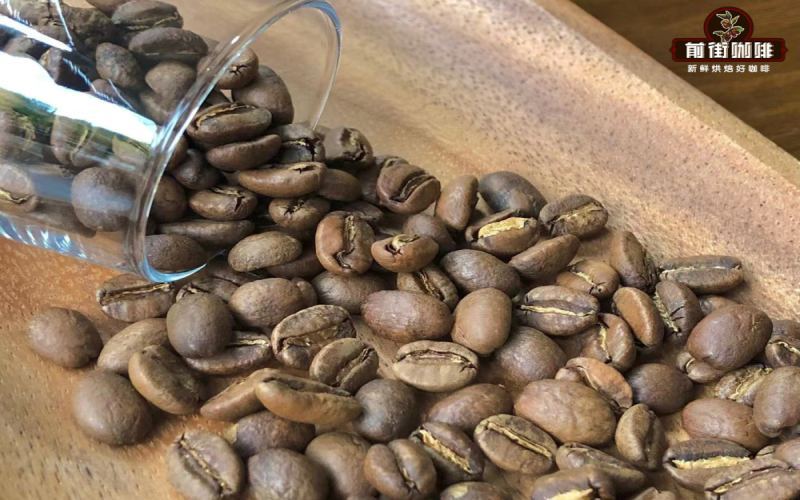
How to Choose Panamanian Geisha Coffee? Differences Between Red & Green Labels, Pour Over Tips & Best Flavor Profiles
Panamanian Geisha coffee, with its delicate floral notes and bright acidity, is considered a premium choice among specialty coffee enthusiasts. From the grading logic of Emerald Estate’s red and green labels to the unique terroir of the Boquete region, this article not only takes you deep into the diverse flavors of Geisha but also provides practical V60 pour over parameters using a three-stage method—helping you easily master the optimal extraction technique and appreciate the refined layers of Geisha. [more…]