







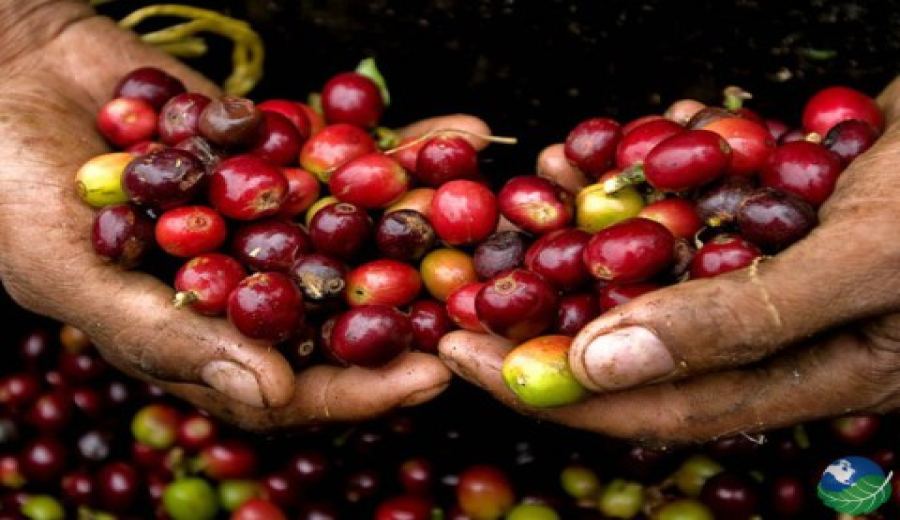
Introduction:As one of the first countries in Central America to cultivate coffee, Costa Rica has built a globally renowned specialty coffee region thanks to its high-quality Arabica beans and long-term government policy support. This article delves into the development trajectory of Costa Rican coffee, from planting policies to honey processing methods, and selects three representative pour-over beans — from classic blackberry notes to the fermented flavors of Mozart — providing comprehensive tasting suggestions and practical brewing references to help you find your own Costa Rican coffee experience.
Costa Rica is not only the first country in Central America to introduce coffee trees but is also globally recognized for its commitment to cultivating pure Arabica varieties. As early as 1729, coffee was brought to this land from Cuba, and within just over a hundred years, by the time of independence in 1821, the region had already planted more than 70,000 coffee trees, demonstrating astonishing growth potential. Since independence, the government has introduced a series of supportive measures, including a tax exemption policy in 1825 and the famous 1832 "Coffee Cultivation Grants Land Rights" act, which allowed farmers to clear and cultivate unused land for coffee and gain ownership, establishing an industry structure dominated by privately owned estates.
To ensure quality competitiveness, in the early 20th century, Costa Rica legislated that all coffee farms within its borders could only grow Arabica varieties, completely excluding Robusta. This commitment remains a key factor in the country’s high-quality coffee to this day. The official coffee institution established in 1948 (now overseen by the Oficina del Café) has built a comprehensive system covering cultivation techniques, post-harvest processing, and export quality control. Substandard beans were even marked with blue dye and returned to the domestic market, creating today’s highly professional market where one in every three people is involved in the coffee industry.
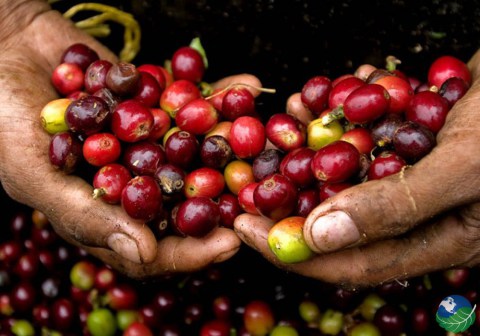
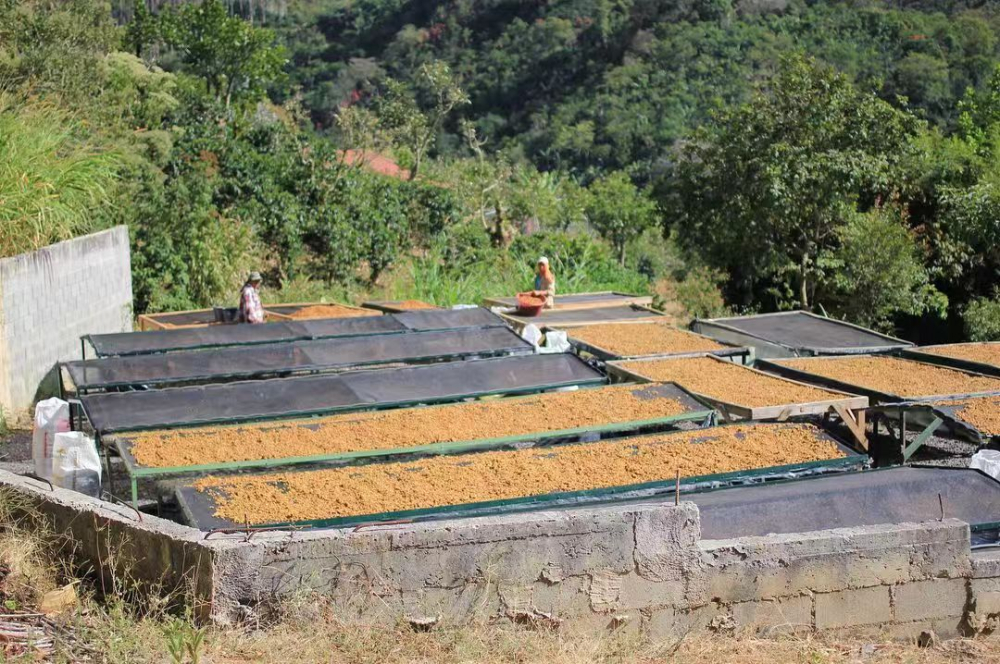
When it comes to the unique charm of Costa Rican coffee, the honey processing method (Honey Process) is a key technique that cannot be overlooked. This “semi-washed” method, situated between washed and natural processing, involves removing the outer skin and pulp of the coffee cherry but intentionally retaining the sticky mucilage layer — named "honey" for its amber color and syrupy sheen. Unlike traditional washed processing, which thoroughly washes away the mucilage, honey processing retains natural sugars through sun drying, resulting in a flavor profile that combines the rich sweetness of natural processed beans with the clarity of washed beans.
Practical Advice:When selecting honey-processed beans, you can pay attention to the “honey level” indicators (such as white honey, yellow honey, red honey, and black honey). The higher the number, the more mucilage is retained, leading to richer and sweeter flavors — but also requiring relatively longer drying times and more precise temperature control.
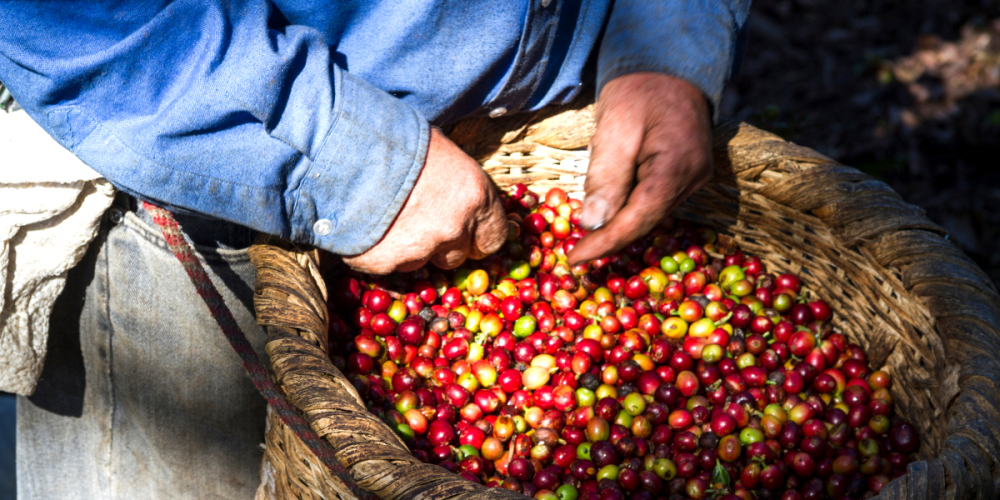
For pour-over enthusiasts, the following three single-origin Costa Rican beans each have their own characteristics: the beginner-friendly optionBlackberryfeatures a black honey process and fruity floral profile. When brewed, it releases pronounced floral, grape, and berry notes, with bright acidity and a clean finish — particularly suitable for those new to honey-processed coffee.Strawberry Candy, blended with the Geisha variety, showcases a complex aroma of rose, fruit gummy, and berries during extraction. It offers a prominent sweetness and distinct layers. It is recommended to use a medium-light roast paired with water at 90–93°C to highlight the details.
Advanced drinkers can tryMozart, which adds a fermentation step on top of the honey process, imparting tropical fruit flavors such as raisin, pineapple, and jackfruit. It delivers refined aromas whether brewed hot or cold. Note that fermented beans tend to have livelier acidity; it is advised to use a slightly coarser grind (e.g., medium-fine) and employ a segmented brewing method to balance flavor intensity.
Brewing Parameter Reference: When using a V60 filter, the coffee-to-water ratio is recommended at 1:15 to 1:16. Control the medium stream pour to complete the water addition within 2 minutes, with a total brew time of 2 minutes 30 seconds to 3 minutes being ideal. For a stronger flavor preference, you may slightly adjust the water temperature to 94°C and extend the blooming time to 45 seconds.
The above content is compiled by CoffeeHunters, a coffee news website.


