







Category: Coffee Knowledge
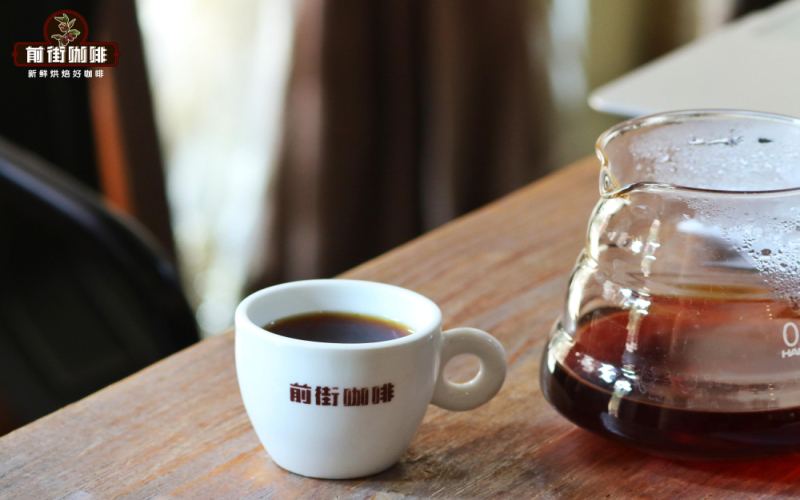
A Complete Guide to Yunnan Small Bean Coffee Varieties: From Typica to Catimor — Master Flavors & Pour Over Techniques
Dive into the cultivation evolution and variety characteristics of Yunnan small bean coffee, from early Typica and Bourbon to today’s mainstream Catimor. Learn about the historical background and flavor profiles of different varieties. This article also explains the definition of “small beans” in Yunnan coffee, shares actual cupping flavor characteristics, and provides recommended water temperature, grind size, and V60 three-stage brewing parameters—so you can brew balanced and mellow Yunnan everyday beans at home. [more…]
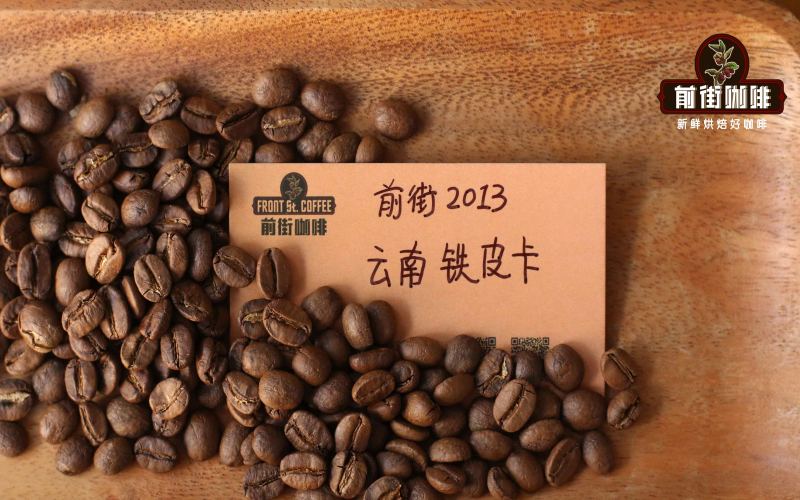
Analysis of the Yunnan Small-Bean Typica Coffee Variety | A Complete Guide to the Flavors of Baoshan Region and Pour Over Parameters
Want to understand the unique charm of Yunnan small-bean coffee? This article delves into the Typica variety grown in China’s Yunnan, from the geographical advantages of the high-altitude Baoshan region, the flavor characteristics of the washed processing method, to the cupping performance of medium-slow roasting, and provides practical pour over and siphon extraction parameters. Whether you're just getting started or looking for high-value specialty beans, you’ll find useful information here. [more…]

How to adjust the water-to-coffee ratio for iced pour over? A complete guide to ice addition timing and brewing parameters
Want to brew well-balanced iced pour over coffee at home? The water-to-coffee ratio and timing of ice addition are key factors. This article delves into the essential differences between iced and hot pour over, provides expert recommendations on water-to-coffee ratios, shares tips for selecting coffee beans based on different flavor preferences, and includes a full brewing process with practical techniques to help you master the essence of iced pour over. [more…]
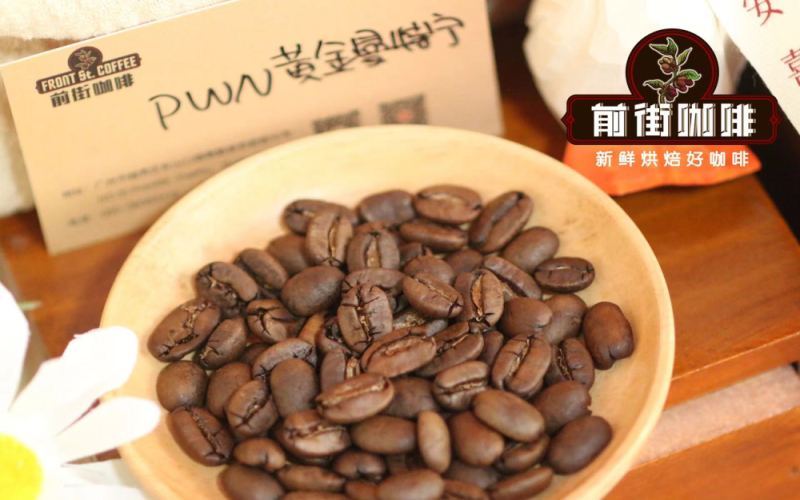
An In-depth Look at the Differences in Sumatran Mandheling Coffee: How to Choose Between Golden Mandheling and Lintong Mandheling?
Sumatran Mandheling coffee is renowned for its full-bodied, low-acid flavor profile, with Golden Mandheling from the Gayo Highlands and Lintong Mandheling standing out the most. Though both are processed using the wet-hulled method, they differ significantly in selection standards, bean varieties, and flavor profiles. This article will delve into the regional background, processing details, roasting characteristics, and optimal brewing recommendations for these two classic Indonesian coffees, helping you make an informed choice based on your taste preferences—and serving as a practical guide for those new to Indonesian coffee. [more…]
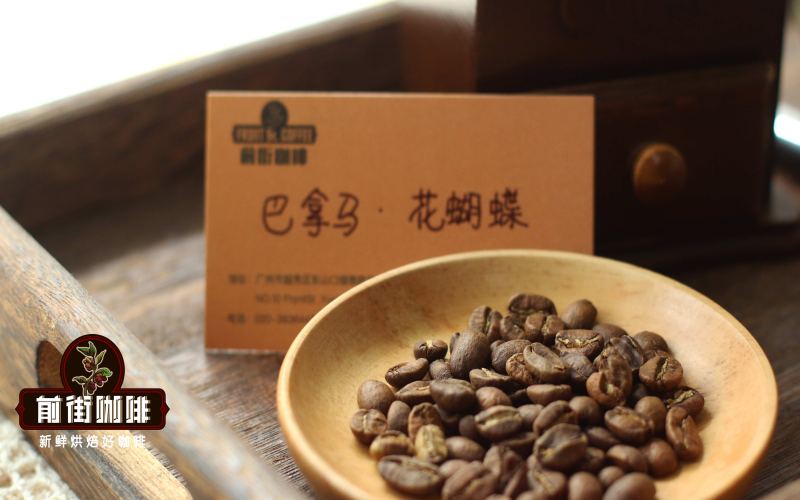
Is the Hua Hudie Geisha Blend a single-origin coffee? Exploring the Geisha variety, processing methods, and pour-over parameters
Many consumers have a fixed impression of 'blended coffee,' believing it must be a mix of beans from multiple regions. However, Geisha blends such as Panama's Hua Hudie and Costa Rica's Miramar Strawberry, despite their blend designation, are actually single-origin coffees. This article delves into the origins of the Geisha variety, the growing environments in Panama and Costa Rica, the differences between washed and raisin honey processing, and provides practical medium-light roast profiles and pour-over parameters to help you better understand these highly popular Geisha coffees. [more…]
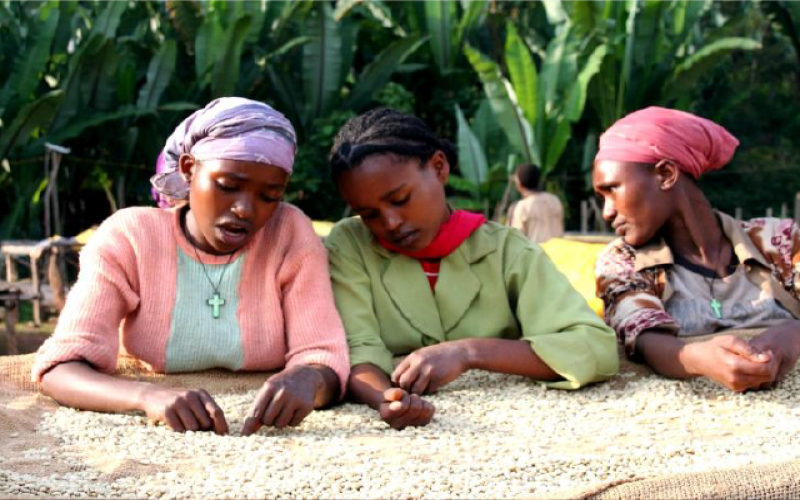
A Complete Guide to Ethiopian Sidamo Coffee: From Correcting the Region’s Name to the Flavor Profile of G1 Washed Beans
Gain an in-depth understanding of the historical background of Ethiopia's Sidamo coffee region, the differences in processing methods, and the unique flavor characteristics of G1 grade washed coffee beans. This article will take you through the name evolution from Sidama to Sidamo, explore how sun-dried and washed processes shape the layers of coffee flavor, and analyze the aroma and taste profiles of high-altitude heirloom beans—providing coffee enthusiasts with a professional tasting reference. [more…]
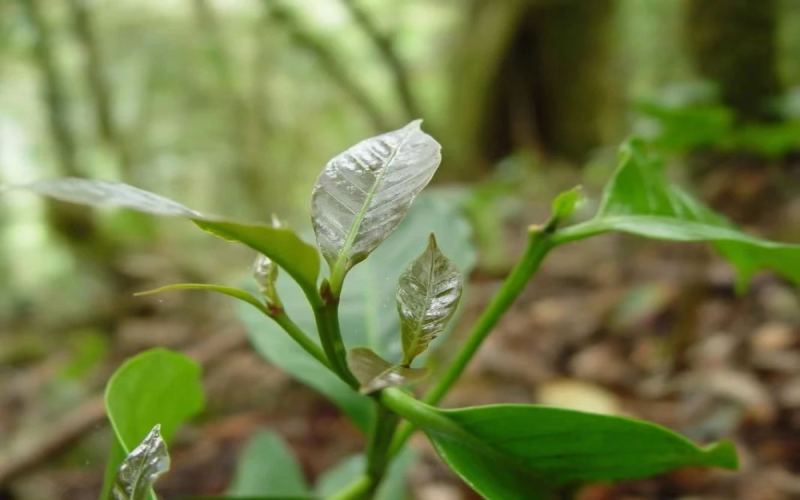
The Origins of Panama Geisha & Brewing Guide for Hacienda La Esmeralda Red, Green & Blue Labels | Flavor Profile & Pour Over Parameters
With its delicate floral aroma and bright fruity acidity, Geisha coffee has consistently claimed top honors in international competitions. Hacienda La Esmeralda in Panama further classifies it into three tiers—Red, Green, and Blue—where differences in altitude, processing methods, and plot origins result in distinct cupping profiles and price ranges. This article traces the origins of Geisha, analyzes Hacienda La Esmeralda’s grading logic, and provides practical pour over techniques and roasting parameters to help you fully appreciate the charm of this legendary coffee variety. [more…]

Why do 90+ coffee beans have such unique flavors? A complete breakdown from processing methods to the Geisha series
As a globally renowned specialty coffee brand, 90+ is famous for its exceptionally high cupping scores and unique processing techniques. Its Geisha series, such as Eleta and Juliette, not only possess highly distinctive aromas and flavor profiles but also showcase the brand’s deep involvement throughout the entire chain—from cultivation to post-harvest processing. This article provides an in-depth analysis of 90+’s Profile Processing philosophy, the background of its core estates, as well as the actual flavor profiles and pour over recommendations for these two popular Geisha beans. [more…]
Complete Guide to Ethiopian Coffee: From Huaguai to the Rift Valley — Prices, Flavors & Rituals Explained
Want to understand the charm and truth behind Ethiopian coffee? This article takes you deep into the birthplace of coffee, from the world-renowned Hambella Huaguai to the majestic East African Rift Valley. It explores the flavor characteristics, cultural rituals, and market prices of local coffee. Not only does it include firsthand travel experiences, but it also offers tips on selecting high-value coffee beans, allowing you to begin your journey into the real Ethiopia with just one cup of coffee. [more…]

Complete Guide to Making Dirty Coffee: Ratios, Layering Techniques & Flavor Analysis
Dirty Coffee has gained significant attention in recent years as a distinctive coffee beverage, thanks to its striking contrast between hot and cold flavors and its highly photogenic layered appearance. This guide will delve into the origins of Dirty Coffee, the correct preparation ratios, key layering techniques, cup selection advice, recommended ways to enjoy it, as well as a detailed breakdown of its flavor profile. It also explains the optimal time to savor the drink. Additionally, we’ll discuss how espresso beans with different roast levels affect the final result—helping you easily craft a cup with distinct layers. [more…]
Recommended Pour Over Coffee Beans from Kenya's Nyeri Region | Comprehensive Analysis of Honey AA Top Flavor & Origin
Dive deep into the star coffee of Kenya’s Nyeri region — the Honey AA Top grade. This washed process lot from the 2017 harvest combines bright notes of fresh berries, pomelo, and caramel, making it an ideal choice for pour over enthusiasts. This article not only guides you through its unique flavors but also explores the workings of Kenya’s Nyeri region and the Gachatha factory, along with insights into local cultivation history, varietal characteristics, and the rigorous grading system — helping you better understand the essence of Kenyan coffee. [more…]
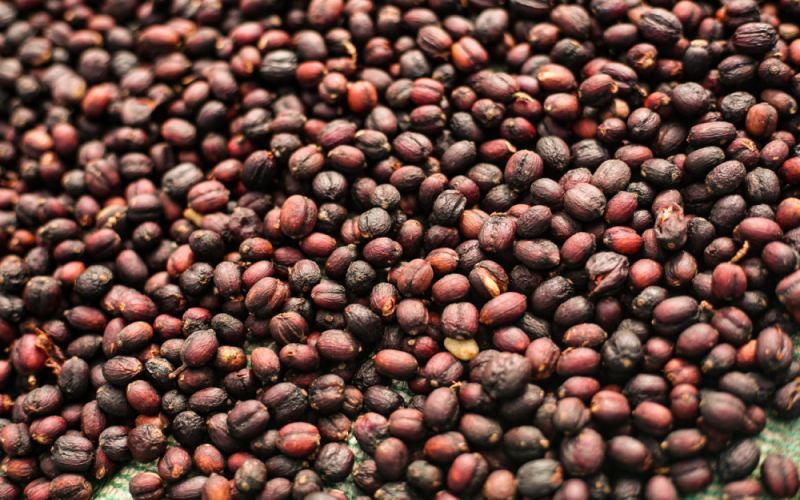
Recommended Ethiopian Pour Over Coffee Beans | 6 Classic Flavor Profiles & Brewing References
Ethiopia is known as the birthplace of coffee, boasting exceptional geographical conditions and a rich diversity of coffee varieties. Its beans are celebrated for their bright acidity, floral and fruity aromas, and clean taste. This article selects 6 premium Ethiopian single-origin coffee beans ideal for pour over brewing. It provides an in-depth look at the terroir, processing methods, and flavor profiles of each producing region, along with practical brewing parameters to help you find your perfect match. [more…]
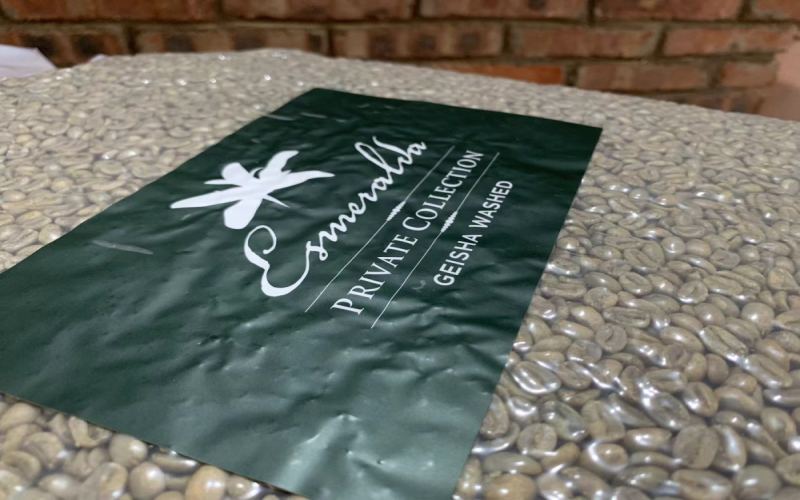
A Complete Guide to Panama Geisha's Three Tiers | Exploring Flavor and Processing Differences from Auction to Blue Label
Panama’s Finca El Velo’s Geisha coffee is renowned for its auction, Red Label, Green Label, and Blue Label tiers. The distinctions between these grades primarily stem from altitude, origin, and processing methods. This article takes an in-depth look at the microclimatic differences among the three major Geisha-growing regions of Finca El Velo, helping you understand the actual differences in cupping flavors, roasting recommendations, and pour over performance between the Red, Green, and Blue Labels. It also provides practical brewing parameters to assist you in selecting the most suitable Geisha tier based on your budget and preferences. [more…]
Unveiling Indonesian Mandheling Coffee Beans | A Complete Guide to Wet-Hulling Processing & Pour Over Parameters
Sumatran Mandheling coffee is renowned for its full body, low acidity, and distinctive earthy aroma, making it a favorite among coffee enthusiasts worldwide. But do you know about the processing methods, bean varieties, and geographical factors behind these flavors? This article delves into the historical evolution of Indonesian coffee, highlights the characteristics of its main producing regions, clarifies the common naming conventions for Mandheling beans, and provides a detailed explanation of the wet-hulling process and its impact on flavor. Additionally, it offers practical pour over parameter settings and step-by-step extraction guidelines to help you brew more precisely. [more…]
How to Choose Between Blue Mountain and Geisha Coffee Beans? Origin, Flavor, Grade, and Buying Guide
Blue Mountain and Geisha are hailed as two classics in the specialty coffee world — one renowned for its steady, full-bodied richness, the other famous for its floral and fruity aromas. This article delves into the origin conditions, variety characteristics, grading systems, and roasting recommendations of these two top-tier coffee beans, helping readers understand their unique flavor profiles and offering practical guidance on purchasing and tasting. Whether you're a coffee newbie or an advanced enthusiast, you'll find the right choice for you. [more…]
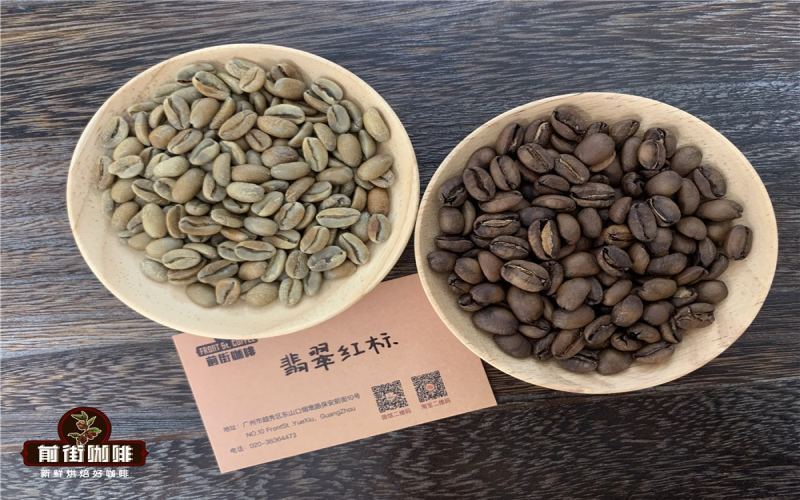
A Comprehensive Guide to Tasting Geisha from Three Major Origins + Pour Over Parameters | Flavor Analysis & Brewing Techniques
Geisha coffee is renowned for its delicate floral notes and bright fruity acidity, but the flavor profiles and optimal brewing methods vary significantly across different regions. This article provides an in-depth analysis of the characteristics of Geisha from four major origins—Panama, Costa Rica, Ethiopia, and Colombia—introduces the Red Label, Green Label, and Blue Label grading systems, and offers practical pour over parameter recommendations. From water temperature and grind size to step brewing, it helps you better harness the potential of this premium coffee. [more…]
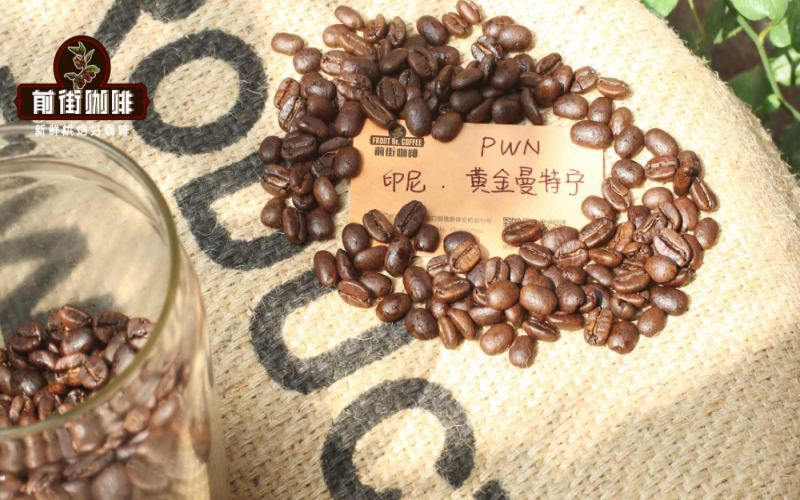
A Beginner's Guide to Sumatra Mandheling: Wet-Hulled Process & Golden Mandheling Selection
Sumatra Mandheling is renowned for its bold, rich flavor with distinctive herbal and woody notes, and PWN Golden Mandheling stands as its premium representative. This article delves into the terroir of classic Mandheling producing regions, the critical impact of the wet-hulled processing method, and introduces the strict standards of G1 grade, defect rate control, and multiple hand-sorting. It also explores why it’s well-suited for pour over and Italian espresso blends, while providing practical references for roasting and extraction. [more…]

Sumatra Mandheling Pour Over Guide: Wet-Hulling Process, Regional Details & Optimal Brewing Parameters
Dive deep into the unique charm of Sumatra Mandheling, from the terroir shaped by its volcanic landscape and misty environment, to the evolution of disease-resistant varieties, and the distinctive flavors brought by the wet-hulling process. This article provides a detailed analysis of the coffee's historical background and processing logic, along with practical pour over recommendations and flavor profiles, guiding you from origin to cup to fully grasp this classic Southeast Asian bean. [more…]
Complete Guide to Pour Over Sumatra Mandheling: Region, Wet-Hulling Process & Brewing Parameters
Sumatra Mandheling is renowned for its rich and bold flavor profile, which stems from its unique geographical environment and the wet-hulling processing method. This guide delves into the story of the Mandheling region, its processing techniques, and offers professional pour over brewing recommendations — including filter choice, water temperature, grind size, and step-by-step extraction parameters — to help you master brewing techniques and easily brew a specialty coffee with notes of spice, wood, and chocolate. [more…]

Aged Mandheling Flavor Analysis: The Classic Oddity in Sumatran Coffee and Brewing Secrets
Aged Mandheling is a highly distinctive presence among Sumatran coffees. Its unique flavor profile stems from a special storage process rather than intentional aging. This article delves into the historical background, flavor profile, pricing context, and pour over recommendations for Aged Mandheling. It also explores the differences between Sumatra’s two major producing regions—Aceh and Lintong—to help you fully grasp the essence and brewing essentials of this classic coffee. [more…]