







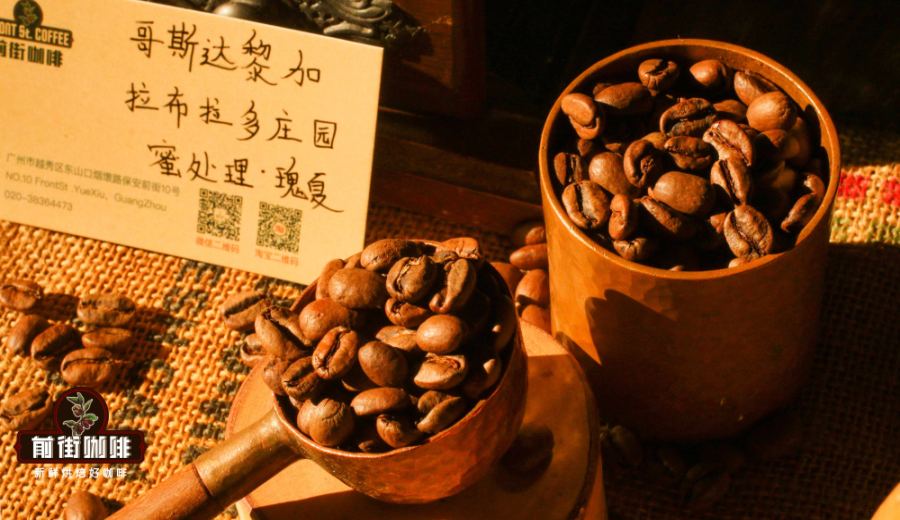
Introduction:Costa Rican coffee is renowned for honey processing and SHB (Strictly Hard Bean) beans. Grown in high-altitude volcanic soils, these beans often exhibit bright acidity and rich complexity. This article delves into how washed, natural, and honey processing methods influence flavor, using Tarrazú washed beans and Mega Stone Estate Blueberry Anaerobic Heavy Honey beans as examples to illustrate the altitude classification system and the characteristics of SHB beans. It also provides practical V60 pour over parameters — from water temperature and grind size to three-stage brewing techniques — to help you bring out the candy-like sweetness and berry finish of the coffee.
When it comes to Costa Rican coffee, many people immediately think of honey processing and SHB (Strictly Hard Bean). This volcanic island nation in Central America, blessed with high altitudes and fertile volcanic soils, produces coffee beans with distinct flavors and a solid structure. This article will explore the foundational flavor profiles of Costa Rican coffee through the lens of its three main processing methods, focusing on the clean acidity of Tarrazú washed beans and the intense fruity notes of Mega Stone Estate Blueberry Anaerobic Heavy Honey beans, guiding you to master the brewing secrets of high-altitude SHB beans.
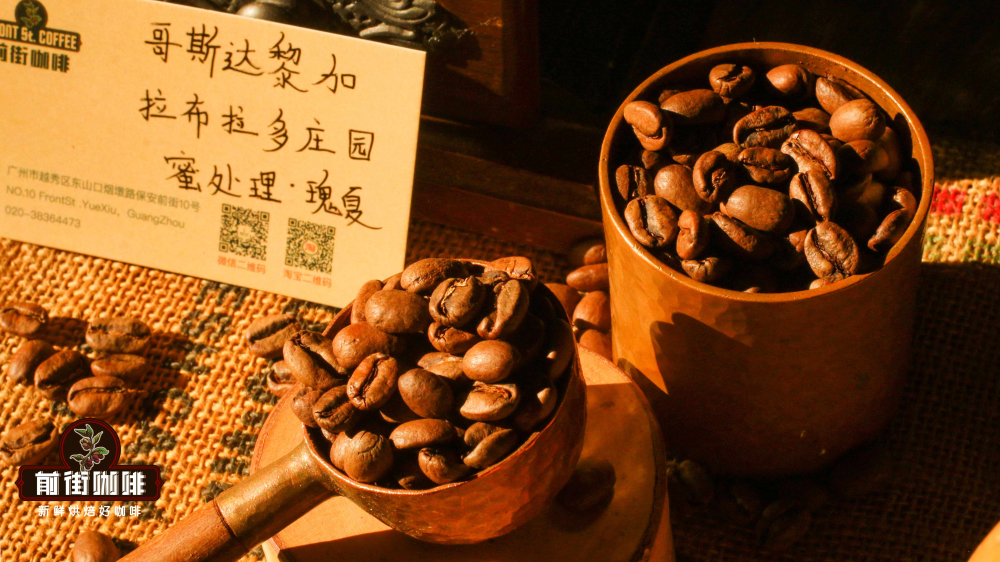
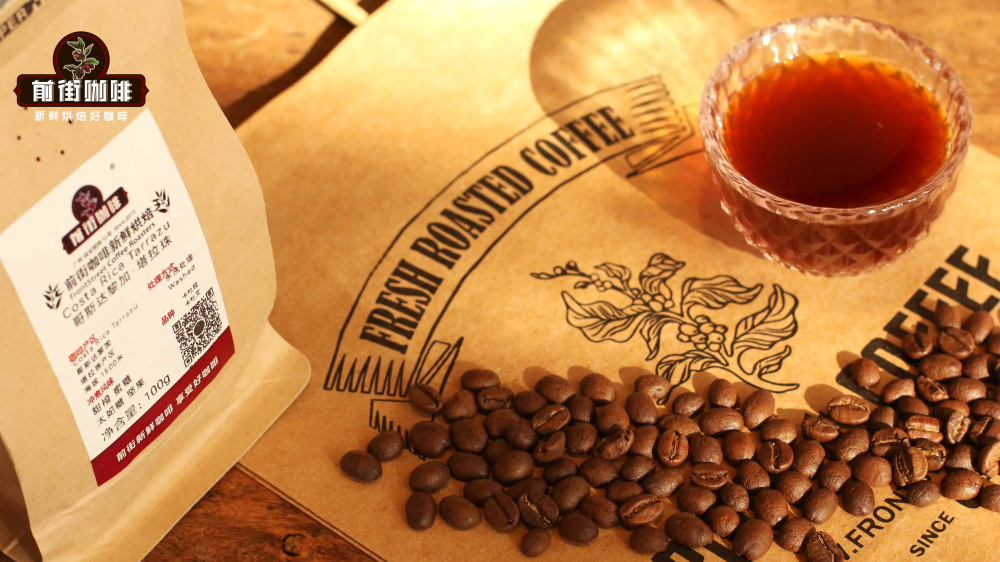
Costa Rica’s coffee processing techniques have long been at the forefront globally, with honey processing being a standout trend in recent years. To understand how different methods affect flavor, one must first grasp the structure of the coffee cherry: from the outside in, it consists of the skin, pulp, mucilage, parchment, and the core green bean. Natural processing involves drying the whole coffee cherry with its husk intact for 2 to 4 weeks until the moisture content drops to 12%. This process allows the beans to fully absorb fruit sugars, resulting in a rich sweetness and full body. In contrast, washed processing removes the skin and pulp, ferments to remove the mucilage, and then dries the beans, yielding a cleaner acidity and a crisp aftertaste — making it ideal for showcasing the terroir of the growing region. A certain brand’s staple bean series highlights washed Costa Rican Tarrazú beans, using Catuaí and Caturra varieties grown at high altitudes of 1500 meters, classified as SHB (Strictly Hard Bean).
Costa Rica’s geographic conditions provide an excellent environment for coffee cultivation. This narrow country, nestled between the Pacific Ocean and the Caribbean Sea, enjoys a climate regulated by ocean currents from both sides, and is home to numerous volcanoes exceeding 2000 meters in elevation. The volcanic ash soil is rich in minerals, and when combined with the cool high-altitude climate, it allows coffee cherries to ripen slowly, accumulating more complex flavor compounds. The country is divided into eight major coffee-growing regions, including Tarrazú, West Valley, and Central Valley, with Tarrazú and West Valley alone accounting for nearly half of the national production. Particularly, the Tarrazú region has long been recognized as one of the world’s top coffee-producing areas.

If washed beans represent the fresh and pure essence of Costa Rica, then honey processed beans are this country’s innovative masterpiece. The recently acclaimed Mega Stone Estate Blueberry coffee beans are a prime example of the honey processing method taken to its extreme. The estate is located in the Brunca region in the south, nestled in the mountainous area near the Panama border, and enjoys a unique microclimate. Notably, the estate’s name originates from pre-Columbian stone spheres unearthed locally, dating from 200 BCE to 1500 CE. These artifacts, known as the “mystery stone spheres,” add a cultural depth to the coffee. This offering, made from Bourbon and Catuaí varieties and subjected to anaerobic fermentation while retaining a significant amount of mucilage during drying, develops intense blueberry, berry, and sweet aromatic characteristics.
The essence of honey processing lies in the retention of the mucilage layer. Once the outer skin of the coffee cherry is removed, the transparent sticky layer (i.e., mucilage) adhering to the surface of the green bean is rich in sugars and enzymes. By controlling the drying speed and ambient humidity, these substances gradually seep into the bean, imparting unique sweetness and complexity to the coffee. The industry typically categorizes honey processing into white honey (least mucilage retained), yellow honey, red honey, and black honey (most mucilage retained), with darker colors indicating higher sweetness and body. For instance, a certain brand’s Blackberry Honey processed beans, roasted to a medium-light level, showcase floral, grape, and winey chocolate notes, and are well-suited for diverse brewing methods such as cold brew or iced drip.
Costa Rica’s coffee grading system is closely tied to altitude. Due to the large diurnal temperature variation at high elevations, coffee beans grow more slowly, develop higher cell density, and thus possess better hardness and flavor potential. The official grading standards are as follows:SHB (Strictly Hard Bean)Altitude: 1500–1700 metersHB (Hard Bean)Altitude: 1350–1500 metersSH (Semi-Hard Bean)Altitude: 1200–1350 meters, along with lower-altitude grades such as Extra Prime, Prime, and Good Washed. Notably, Costa Rica is one of the few countries in the world that explicitly prohibits the cultivation of Robusta, ensuring that all coffee on the market is high-quality Arabica.
For the characteristics of SHB (Strictly Hard Bean), it is recommended to use high water temperature and a fine grind to fully extract the flavors. The suggested practical parameters are as follows: using a V60 filter, set the water temperature at 90–91°C, use 15 grams of coffee, a 1:15 coffee-to-water ratio, and a grind size of approximately 82% passing through a #20 sieve (similar to the coarseness of fine sugar). The three-stage brewing steps are: first, pour double the coffee’s weight in water (about 30 grams) for a 30-second bloom to activate the grounds; second, pour slowly in small circles from the center outward until reaching 125 grams, then pause; once the coffee bed has descended by about half, continue pouring up to a total of 225 grams, with the total brew time around 2 minutes (allowing ±10 seconds flexibility). This setup effectively balances fruity notes with a rich body, highlighting the distinctive bright acidity and syrupy sweetness of Costa Rican coffee.
The above content is compiled by CoffeeHunters, a coffee news website.


