








Introduction:Many coffee beginners are puzzled by the term "mocha," whether it refers to Yemeni mocha coffee beans, Italian-style mocha drinks with chocolate, or the classic moka pot. Though similar in name, these three are entirely different. This article will guide you through their historical origins, explore how Yemen’s Mocha port influenced coffee naming, the creative inspiration behind the Italian mocha drink, and the design principles and usage tips of the moka pot. It also includes a practical bean list for reference, helping you truly understand the essence of these three "mochas."
Many coffee enthusiasts who are just starting out often find terms containing "mocha" confusing. Whether it’s the coffee beans named after Yemen’s Mocha port, the Italian coffee drinks paired with chocolate, or the moka pot commonly found in kitchens, these three share a name but have very different origins. This article will delve into the historical background to uncover how Yemen’s Mocha port earned the "mocha coffee bean" its fame, how the Italian mocha drink borrowed this term, and the design philosophy and naming origin of the moka pot. The article also offers suggestions on suitable coffee beans for use with the moka pot, helping readers clarify concepts, choose the right beans, and brew richly flavored coffee.
 For beginners, the term "mocha" often raises many questions. Whether approaching coffee through espresso or single-origin varieties, people’s understanding of "mocha" can vary greatly. Next, we’ll take an in-depth look at the connections and differences between mocha coffee beans, mocha drinks, and the moka pot.
Mocha Coffee Beans: The Historical Legacy of Yemen’s Mocha Port
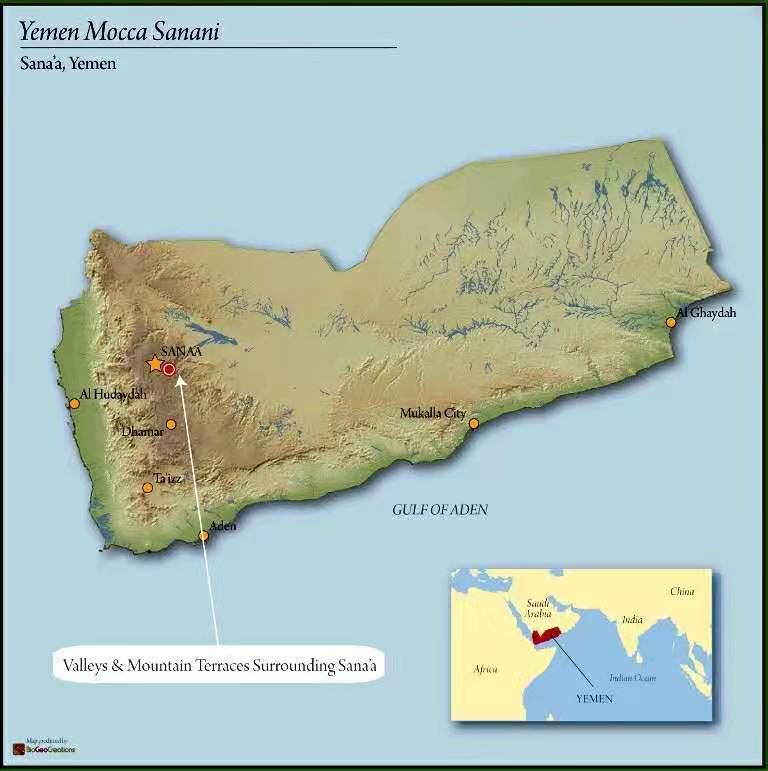
When we talk about "mocha coffee beans," they actually originate from Yemen’s Mocha port. As early as the 15th century, this port served as a key trade hub in the Red Sea, comparable to Shanghai today, and was a critical gateway for global coffee exports. It’s worth noting that coffee was not grown locally in Yemen; these beans mostly came from high-altitude mountainous regions in the central part of the country, such as Bani Matar, and were then transported to Europe via the Mocha port. Since people at the time only knew that coffee came from the "Mocha port," over time, these beans came to be collectively referred to as "mocha coffee (beans)."
To this day, Yemeni mocha coffee remains an extremely rare item. Affected by recent geopolitical factors, coffee production and transportation have been challenging, with only small quantities making it to market each year. For example, Mokha Mattari, once introduced by a certain shop, is produced in the Bani Matar region, and its packaging differs from typical burlap sacks—it often uses fine-mesh fabric material, similar to flour sacks, giving it a distinctive look.
Yemeni mocha coffee exhibits different flavor profiles depending on the growing region. For instance, Mattari has distinct notes of chocolate and acidity, while Sanani features a bold and layered profile. Overall, however, these coffee beans are often characterized by a strong chocolate aroma, one of their most prominent features.
Mocha Coffee: The Chocolate Inspiration in Italian Drinks
The "mocha coffee" commonly referred to today usually denotes a type of Italian coffee drink made with espresso, milk, and chocolate syrup (or cocoa powder). Some shops even directly melt chocolate chunks into the coffee, combining them with steamed milk to create a beverage that balances coffee aroma with the sweetness and richness of chocolate.
Although the names are similar, this drink is not directly historically linked to Yemeni mocha coffee beans. It is believed that this drink originated in 18th-century Italy. By then, the Mocha port no longer monopolized coffee trade, and mocha coffee beans became increasingly scarce in the European market. To recreate that unique chocolate flavor, Italian baristas had the idea of adding chocolate to espresso and pairing it with steamed milk, resulting in a drink with a similar flavor profile. Therefore, the name "mocha coffee" may have been a tribute to the rare mocha coffee beans, while also elevating this new drink to a more refined status.
With the spread of Italian coffee culture, this chocolate-infused mocha coffee has become a common item on coffee shop menus worldwide.
Moka Pot: The Essence of Italian Home Coffee
Unlike the first two, the "moka pot" has almost no direct connection to Yemen’s Mocha port. This classic coffee brewing device was invented in 1933 by Italian designer Alfonso Bialetti and remains a beloved tool for home coffee extraction to this day. The moka pot mainly consists of three parts: the upper chamber, the filter basket, and the lower base. It uses steam pressure generated by heating (approximately 1.5–2 bar) to push water upward through the coffee grounds, extracting a rich and flavorful coffee liquid.
Although its pressure is not as high as that of a professional espresso machine (9 bar), the moka pot can still effectively extract coffee oils, delivering a strong and bold taste. When using it, it’s recommended to choose medium to dark roasted fresh coffee beans, such as a shop’s classic espresso blend, commercial blend, or specialty blend—all of which can showcase good flavor expression and crema layers. Additionally, because the moka pot extracts coffee quickly at high temperatures, it demands higher freshness in beans. It’s best to select products roasted within 5 days for optimal flavor.
As for why this device is called a "moka pot"? A common explanation is that since the 17th century, the term "mocha" has been closely associated with coffee in northern Italian regions like Venice, even becoming a synonym for coffee. Thus, this tool used to make strong coffee at home came to be known as the "moka pot," meaning a small pot that brings café-level strong coffee into your home.
The above content is compiled by CoffeeHunters, a coffee news website.


