







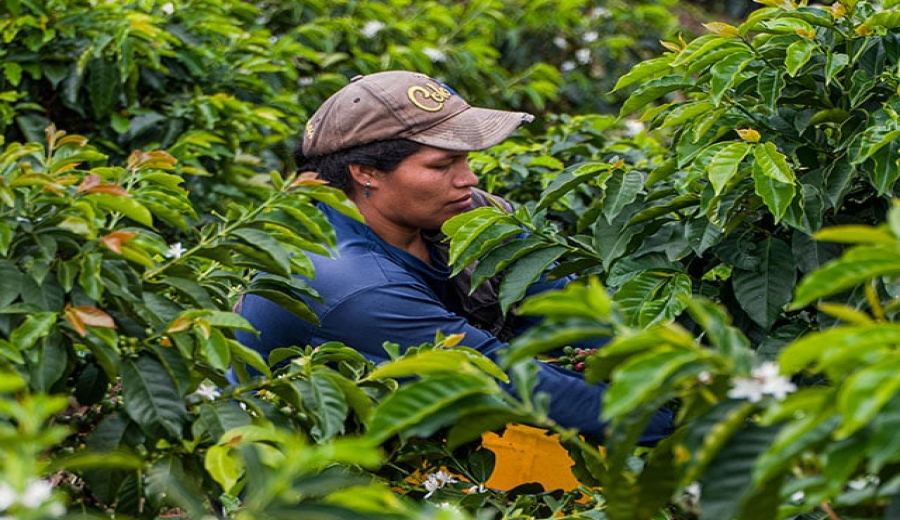
Introduction:Colombia is a globally renowned specialty coffee origin, where the high-altitude environment of the Andes Mountains and the rigorous grading system of FNC create balanced and richly flavored coffees. This article delves into the characteristics of Colombia’s main producing regions, coffee bean processing and grading standards, and provides practical pour over parameters and flavor insights for the Huila everyday-grade beans, helping you master the brewing essentials of this classic bean.
As one of the few single-origin coffees named after a country, Colombia benefits from the high-altitude cultivation environment of the Andes, quality control by FNC (Colombian Coffee Growers Federation), and smallholder farming practices, making it an entry point for many coffee beginners into the specialty world. This article will comprehensively break down the quality composition of Colombian coffee—from geographical conditions, variety distribution, processing techniques, export grading, to practical pour over applications—and uses Huila everyday-grade beans as an example to provide a reproducible brewing solution.
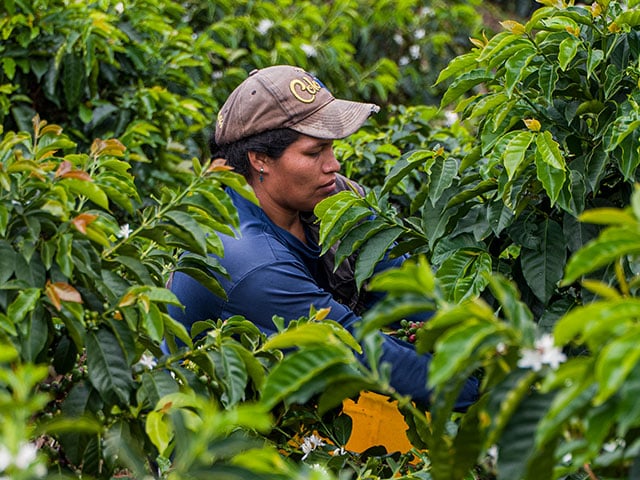
Colombian coffee is widely praised for its smooth and delicate mouthfeel and layered flavors. It is not only one of the few coffees directly named after a country as its origin but is also often regarded as a benchmark for entry-level specialty coffee. Many consumers associate "Colombia" with a stable and high-quality coffee experience. But where does the charm of Colombian coffee truly come from?
Like most crops, coffee quality is influenced by numerous factors such as variety, altitude, climate, harvesting, and post-harvest processing. Among these, altitude is particularly crucial: generally, the higher the altitude, the lower the temperature, and the slower the ripening of coffee cherries, which helps accumulate nutrients and enhances bean density and flavor complexity. The Andes Mountains within Colombia provide an ideal planting zone at elevations between 800 and 2300 meters.
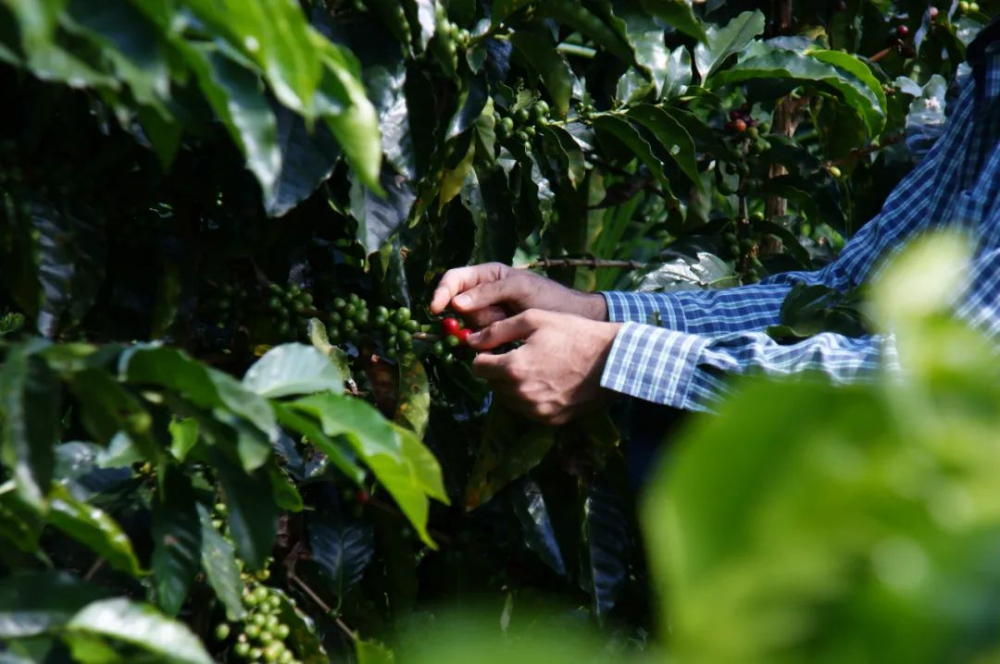
The Andes Mountains stretch across western Colombia and consist of three north-south mountain ranges with fertile, mineral-rich soil. Coffee farms here are mostly located between 800 and 2300 meters, enjoying ample sunlight while also being shaded and regulated by clouds and mist, allowing coffee trees to grow slowly in moderate temperature variations. Local farmers often plant coffee under banana trees or tall shade trees and set up shade structures during the seedling stage to ensure a cool and stable growing environment. Such conditions extend the ripening time of coffee cherries, aiding the accumulation of caffeine and aromatic compounds, resulting in the unique, delicate, and balanced flavor profile of Colombian coffee.
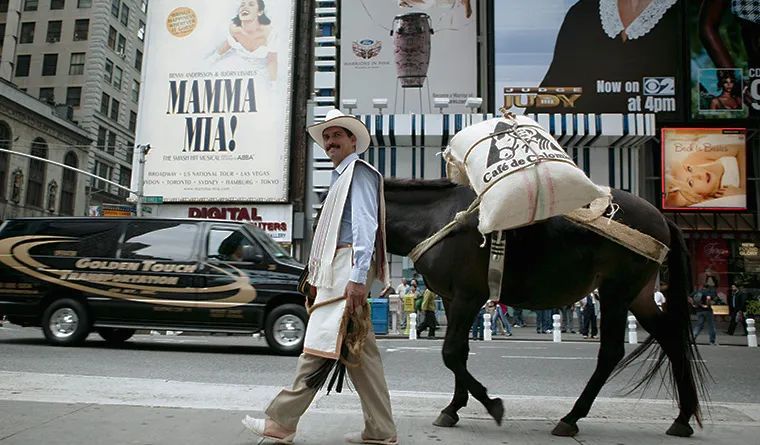
The achievements of Colombian coffee stem not only from natural conditions but also from the dedication of local farmers and the institutional support of FNC. FNC is Colombia’s most representative coffee industry organization, representing over 560,000 coffee farmers and one of the largest agricultural non-governmental organizations globally. In addition to promoting the Colombian coffee brand image worldwide (such as the iconic Juan Valdez and mule logo), FNC is also responsible for monitoring the quality of every batch of exported coffee and invests significant resources in planting techniques, green bean processing, and cupping training, greatly enhancing the overall standard of Colombian coffee.
With the assistance of FNC, Colombia has a total of 590 towns and 14 major coffee-growing regions, covering a planted area of 875,000 hectares, the vast majority of which are small farms, each about 2 to 3 acres in size. Farmers typically send their harvested coffee cherries to community processing stations for washed processing or set up their own primary processing equipment before sending them for inspection and grading as required.
In terms of regional distribution, Colombian coffee can be roughly divided into three major areas: northern, central, and southern. The southern producing regions are known for their high altitudes (above 1500 meters), including San Augustin in Huila Province and Popayan in Cauca Province. Coffees from these areas generally feature bright acidity, berry notes, and caramel aromas, with outstanding sweetness, making them highly sought-after among specialty coffee enthusiasts.
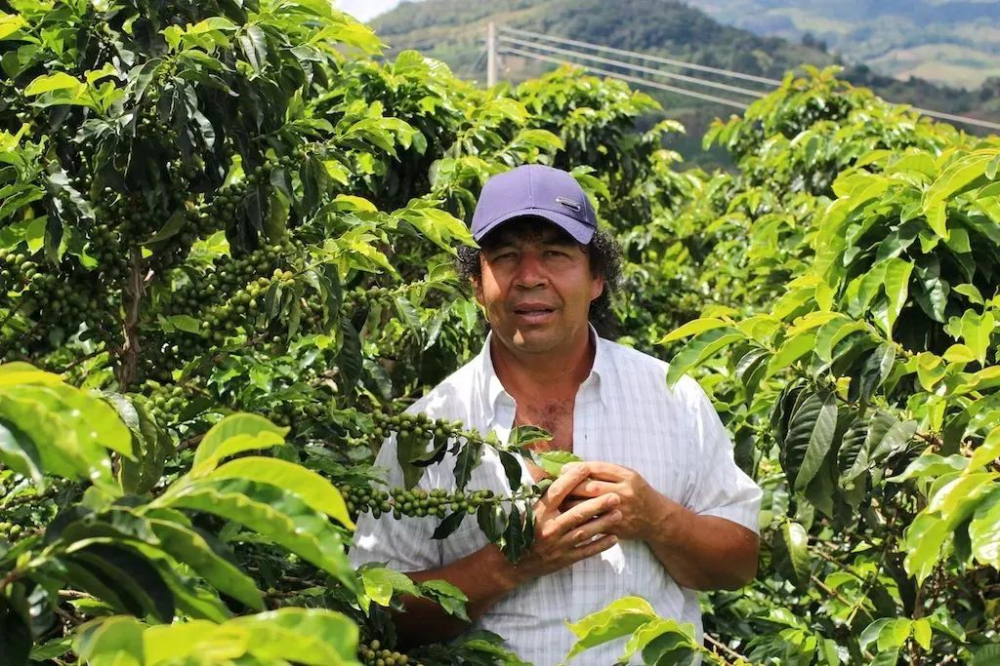
The coffee varieties grown in Colombia are mainly traditional Arabicas, with common ones including Caturra, Bourbon, Typica, and Pacamara, as well as a small number of rare varieties such as Gesha. The recommended Huila everyday-grade beans are of the Caturra variety, processed using the washed method, with a balanced flavor and well-harmonized acidity, sweetness, and bitterness—suitable for daily drinking.
Colombian coffee generally employs the washed processing method, which highlights the cleanliness and clarity of the coffee’s flavor profile. In water-rich Colombia, most farmers use equipment such as Ecomill or Eco-Pulper to remove the pulp and skin while using a small amount of water to remove most of the mucilage. The parchment beans then undergo brief fermentation (usually overnight), are rinsed with clean water, and finally dried in the sun to reach the target moisture content. Additionally, some farms also experiment with special methods such as natural or honey processing to bring out richer fruit and floral notes. However, if you want to experience the essential flavor of Colombian coffee, washed processing remains the best choice to showcase its pure characteristics.
The export grading of Colombian coffee is mainly based on bean size, defect rate, and green bean condition. Sieves with 14 to 20 mesh sizes are commonly used, with higher numbers indicating larger beans. Common export grades include UGQ, EP, and Supremo, but since the 2020s, most exported beans meet the Excelso standard—that is, no more than 5% of beans under 14 mesh in 500 grams of green coffee, and at least 50% of beans larger than 15 mesh. Excelso-grade beans also undergo strict appearance and flavor evaluations, including no pests, uniform color, no more than 24 defect points, and moisture content below 12.5%. For export, Colombian green beans are usually labeled as 'Colombia + region + grade + other information', for example, the Huila everyday-grade beans are labeled as Colombia Huila Supremo SC17/18 FNC.
How to brew a delicious cup of Colombian coffee? It is recommended that freshly roasted coffee beans (ideally used within 5 days of roasting) preserve aroma and flavor to the greatest extent. The Huila everyday-grade beans, being medium-dark roasted, have a flavor profile leaning toward rich nuts and chocolate notes, so it is suggested to choose a medium-coarse grind (e.g., 75% passing through a 20-mesh sieve) and use 90°C water temperature with a KONO filter for a three-stage extraction.
The KONO filter has a unique venting design, with ribs only in one-quarter of the area. When the water level rises above the ribs, the internal pressure of the filter increases, extending the contact time between coffee grounds and water, effectively enhancing body and sweetness. The recommended powder-to-water ratio is 1:15, with 15 grams of coffee, brewed in three pours: first, a 30-second bloom with twice the coffee weight in water (about 30 grams), followed by a slow pour to 125 grams, waiting for the bed to drop, and then another slow pour to 225 grams to complete the extraction, with a total brew time of about 2 minutes.
This Huila everyday-grade bean delivers noticeable chocolate, nut, and caramel aromas upon the first sip, with a rich and smooth mouthfeel, gentle acidity, and a sweeter balance as it cools slightly—making it highly suitable for daily pour over or pairing with light meals.
The above content is compiled by CoffeeHunters, a coffee news website.


