







Introduction:Grind size is one of the key factors that affect the release of coffee flavors, but even with the same grind setting, the coarseness of the ground coffee can vary significantly between different grinders. This article delves into the adjustment logic for pour over and espresso grinding, from sieve extraction rate standards and observation of brew time to practical grinding tips. It helps you precisely control your coffee grind size—whether you're a beginner or an advanced user—so you can dial in the ideal flavor.
To fully release the aroma and flavors of coffee beans, freshly grinding them is an essential step. However, choosing the right grind size is far more complex than it seems. Many people assume that simply adjusting the settings on their grinder is enough, not realizing that even the same brand and model of grinder can produce quite different grind sizes at the same setting due to assembly differences, shipping, or routine maintenance. Therefore, knowing how to correctly assess and adjust grind size is a fundamental skill every coffee enthusiast should master.
This article will guide you through the sieve extraction rate standards for pour over coffee, real-world brew time observations, and the logic behind espresso grind adjustments. It offers a comprehensive look at how to tailor your grind size to different brewing methods. With both concrete data references and practical experience, it helps you find your optimal grind settings from both sensory and data perspectives.
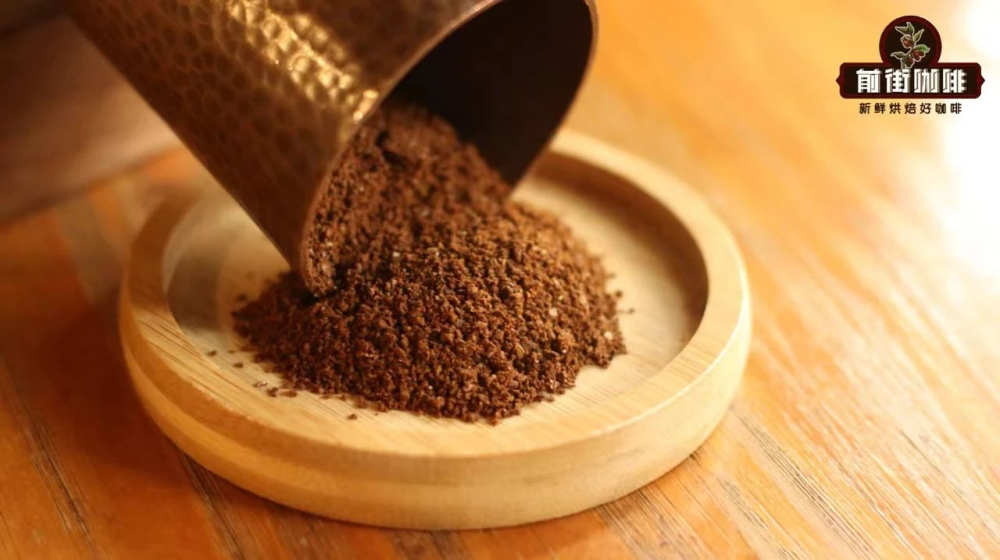
First, it’s important to understand that coffee beans must be ground fresh to fully release their aromatic and flavor compounds. This is why the grinding stage is considered a critical factor influencing the final quality of your coffee. However, many people fall into the trap of focusing solely on the numerical settings when adjusting their grinders. Generally speaking, the higher the number on the grinder dial, the coarser the grind; the lower the number, the finer. But in reality, due to variations in mechanical structure, burr wear, and maintenance status, the same setting on different grinders can still yield noticeably different grind sizes. Therefore, you shouldn’t rely solely on the numbers when making grind adjustments.
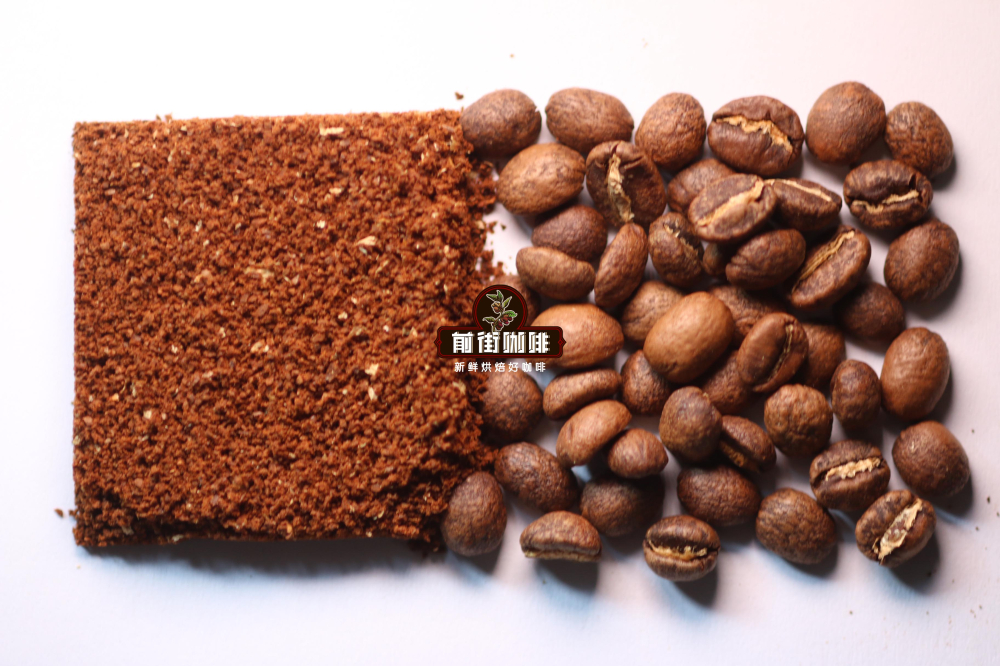
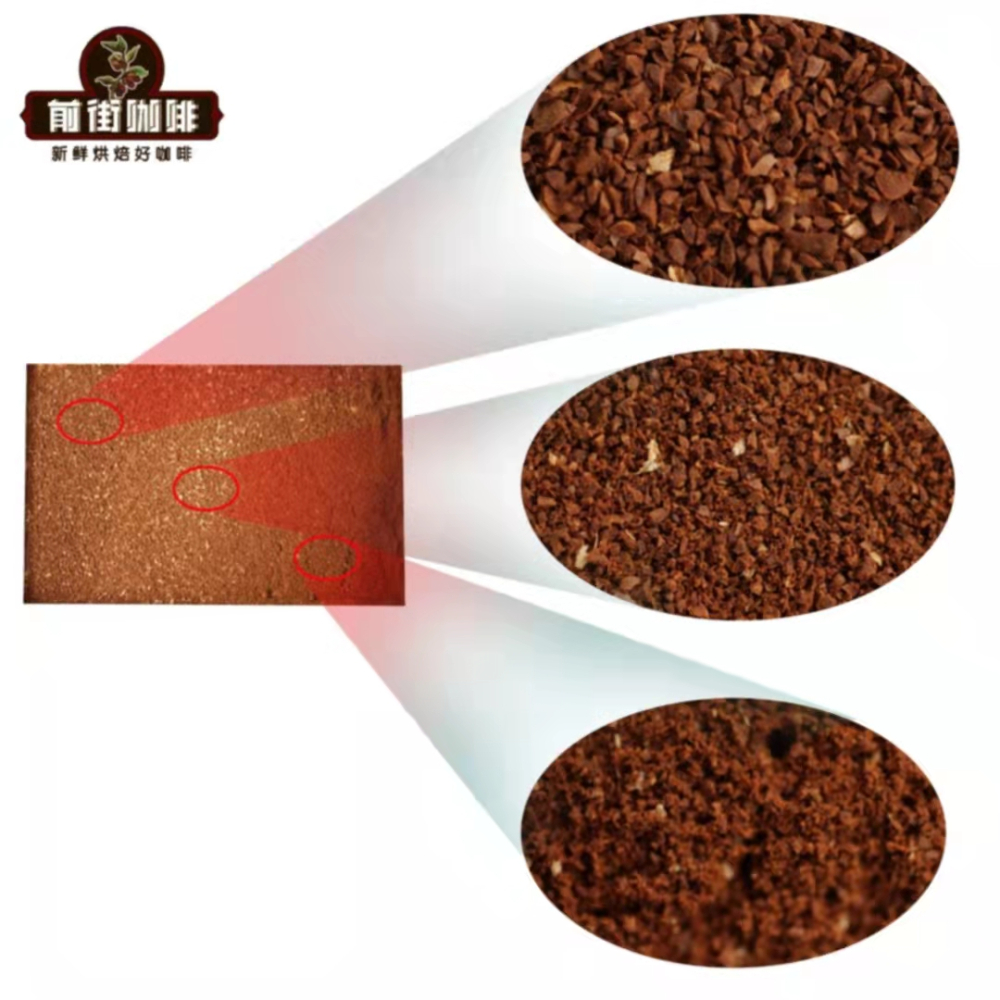
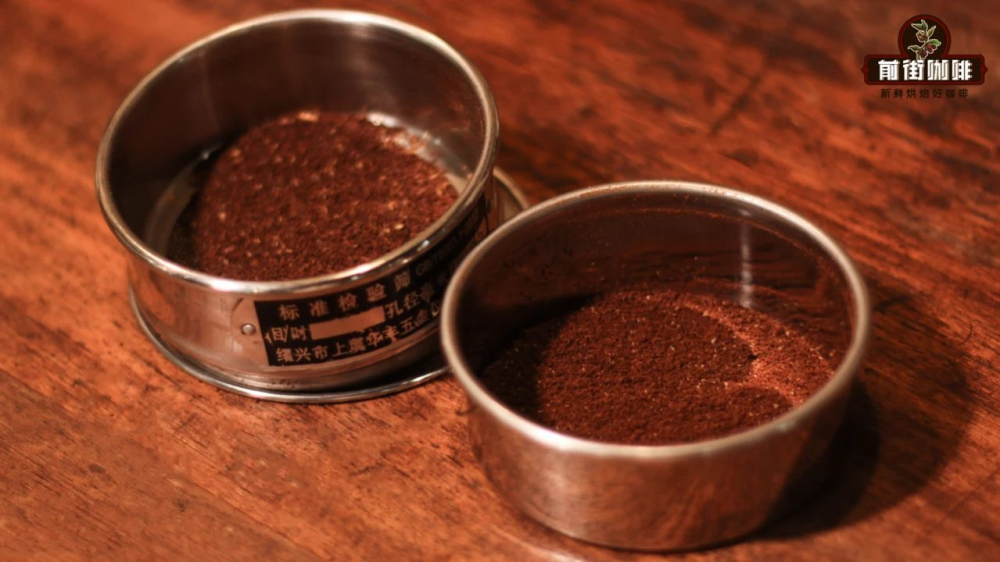
For pour over coffee, the appropriate grind size needs to take into account both the particle diameter and the water flow rate. It’s generally recommended that the total brew time for a 1–2 cup pour over should be around 2 minutes. Referring to the SCA (Specialty Coffee Association) cupping standards, the suggested grind size should allow 70% to 75% of the coffee particles to pass through a #20 sieve. However, pour over typically requires a slightly finer grind than cupping, so a 20-mesh sieve passing rate of 75% to 80% is commonly recommended for pour over. This range is also regarded by many shops as the standard for “fine pour over grind.”
Of course, besides relying on sieve extraction rate data, actual brewing performance is also a key indicator of whether the grind size is appropriate. Brew time, in particular, is a very intuitive reference. Taking the common pour over parameters used by a certain coffee brand as an example, the ideal brew time for a normal 1–2 cup serving falls between 1 minute 50 seconds and 2 minutes 10 seconds. If you notice the brew time is significantly longer, it may be because the grind is too fine, slowing down water flow. Conversely, if the brew time is too short, the grind may be too coarse, causing the water to flow too quickly and resulting in under-extraction. By observing changes in brew time, you can preliminarily determine whether your current grind size needs adjustment.
Looking further into the grind adjustment logic for espresso, this type of coffee involves high-pressure extraction, which demands a higher level of precision in grind size. Espresso usually requires an extremely fine grind to ensure the coffee grounds can release sufficient flavor and a rich body within a short period (about 25 to 30 seconds). When adjusting the grind, it’s recommended to start with a medium setting, then fine-tune based on brew time, flow rate, and crema performance. If the flow is too fast and the crema is thin, it usually indicates the grind is too coarse. If the flow is too slow or even clogs, the grind may be too fine, and you’ll need to adjust gradually until you reach the ideal state.
In summary, whether you’re brewing pour over or espresso, the core of grind adjustment lies in observation and experimentation. It’s recommended to record changes in grind settings, brew time, and final flavor profiles each time you adjust your grinder, gradually finding the grind setup that works best for your beans and equipment. In addition, regular cleaning and maintenance of your grinder is also crucial for keeping grind quality stable, preventing uneven extraction caused by burr residue or wear. Through systematic adjustments and observations, you’ll be able to confidently master the extraction flavors of each cup of coffee and enjoy a more consistent and rich coffee experience.
The above content is compiled by CoffeeHunters, a coffee news website.


