







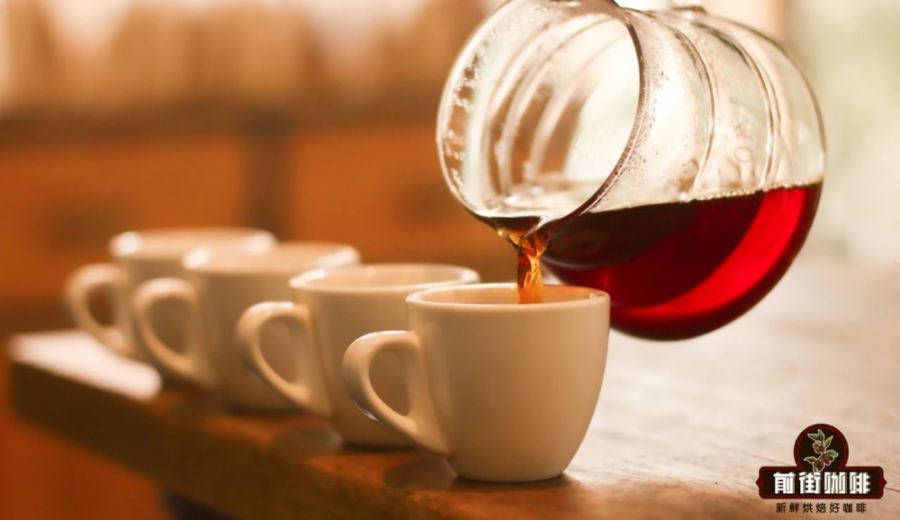
Introduction:Decaf coffee is not completely caffeine-free, but rather achieves an extremely low caffeine content through professional processing techniques. This article takes Swiss Water Process decaf beans from Colombia’s Huila region as an example, delving into the differences between four major decaffeination methods, regional terroirs and variety characteristics, while also providing tested pour over recommendations and reference pricing. Whether you’re concerned about excessive caffeine intake or simply seeking a less stimulating yet flavorful coffee experience, you’ll find practical answers here.
The reason decaf coffee has garnered attention is that it can meet the taste preferences of coffee lovers while reducing the potential effects of caffeine on the body. However, many people still hold misconceptions about decaf, believing it to be flavorless or even bitter. In fact, with the right processing method and bean variety, decaf coffee can also exhibit rich complexity. This article will focus on a Colombian Arabica decaf coffee from the Huila region, processed using the Swiss Water method, taking you through its origin, processing technology, roasting, and key pour over tips.
First, what is decaf coffee? Many assume “decaf” means “no caffeine,” but in fact, according to international standards, decaf coffee must contain less than 3% of the original caffeine content, or no more than 2–7 milligrams per cup. Compared to regular coffee, which contains about 80–150 milligrams of caffeine per cup, this is indeed a significant reduction. Currently, there are four main decaffeination methods: direct or indirect solvent methods, supercritical carbon dioxide method, Swiss Water process, and mountain water process, each with its own principles and pros and cons.
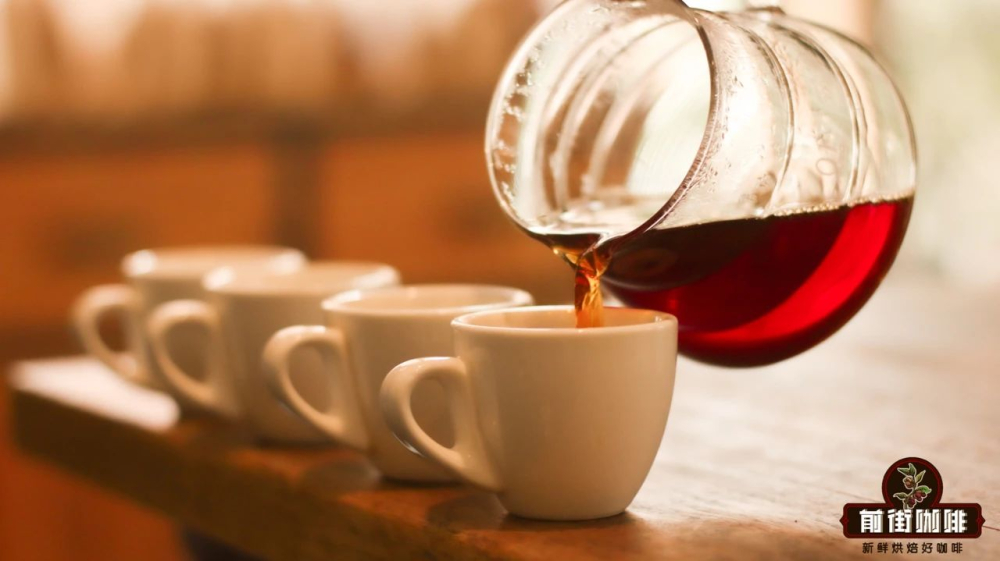
Among these, the direct solvent method uses chemical agents such as methylene chloride or ethyl acetate to dissolve caffeine out of green beans. Although the FDA regulates residue levels to be extremely low, some consumers remain wary. Ethyl acetate is often derived from sugarcane and is sometimes referred to as the sugarcane decaf method, commonly seen in regions like Colombia. The supercritical carbon dioxide method, on the other hand, utilizes carbon dioxide under high pressure to selectively adsorb caffeine without affecting other flavor compounds, though it tends to be more costly. The mountain water process is similar to the Swiss Water method but uses glacial water as the medium, filtering out caffeine through specially designed filters.
The Swiss Water process is currently one of the most acclaimed natural decaffeination techniques. This method first immerses green beans in hot water saturated with flavor compounds, then precisely filters out the caffeine using activated carbon filters, ultimately removing caffeine without losing the bean’s primary flavors. This technique requires no chemical additives nor high-pressure equipment, thus being considered a purer and more consumer-friendly option—especially suitable for those pursuing natural and healthy diets.
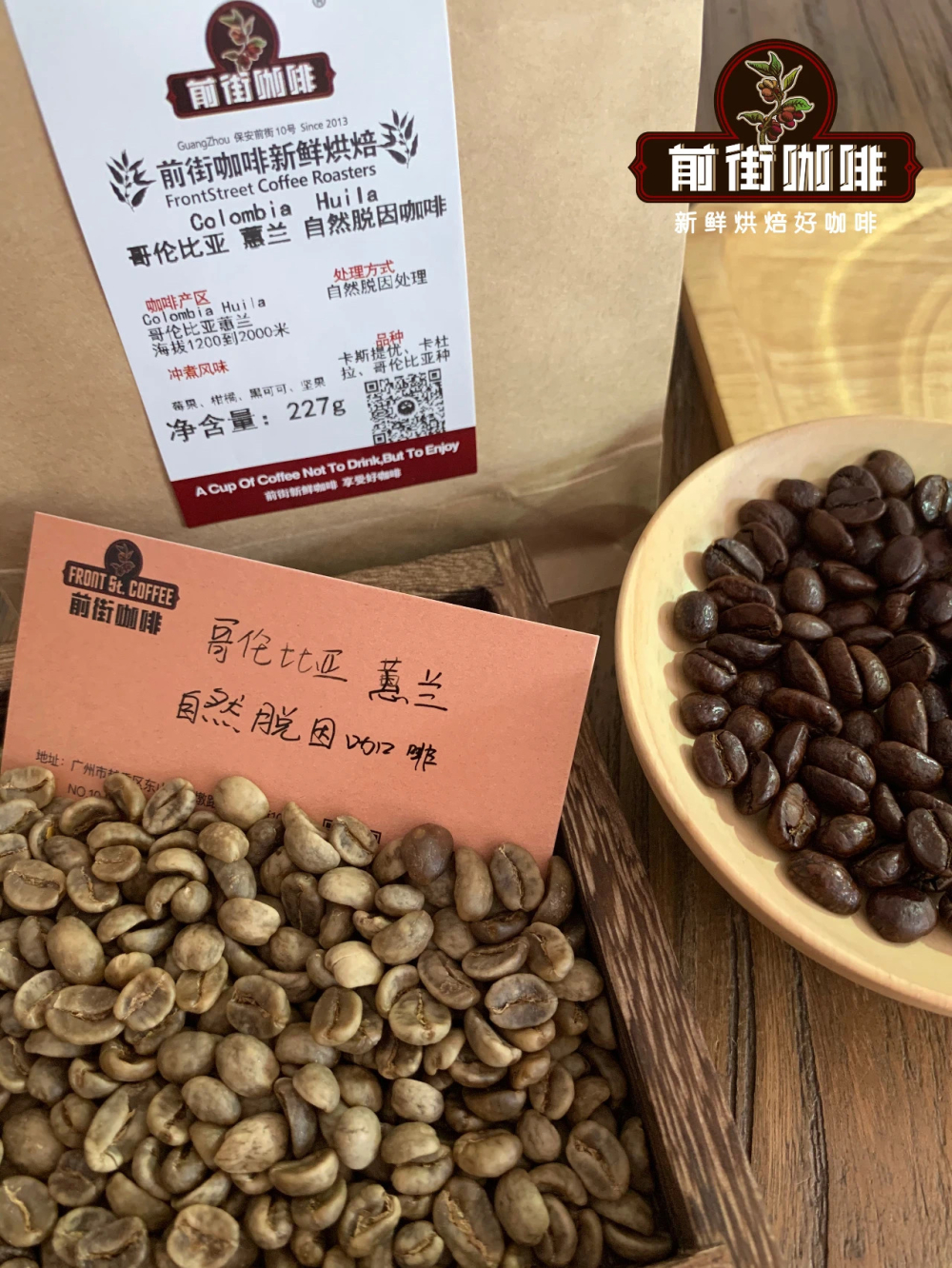
Speaking of specific beans, the Colombian Huila decaf coffee introduced here uses three classic Arabica varieties: Typica, Caturra, and Castillo.
The green beans in this batch are graded as Supremo, the highest official grade in Colombia. The beans are large and uniform in size with an extremely low defect rate. They undergo strict screening during processing and are decaffeinated using the Swiss Water process, which retains the vast majority of their original flavors. In addition, cupping tests have confirmed that their flavor profile includes notes of dark chocolate, caramel, and nuts, with a rich mouthfeel and a long-lasting aftertaste. Even as a decaf, it delivers a high-quality taste experience.
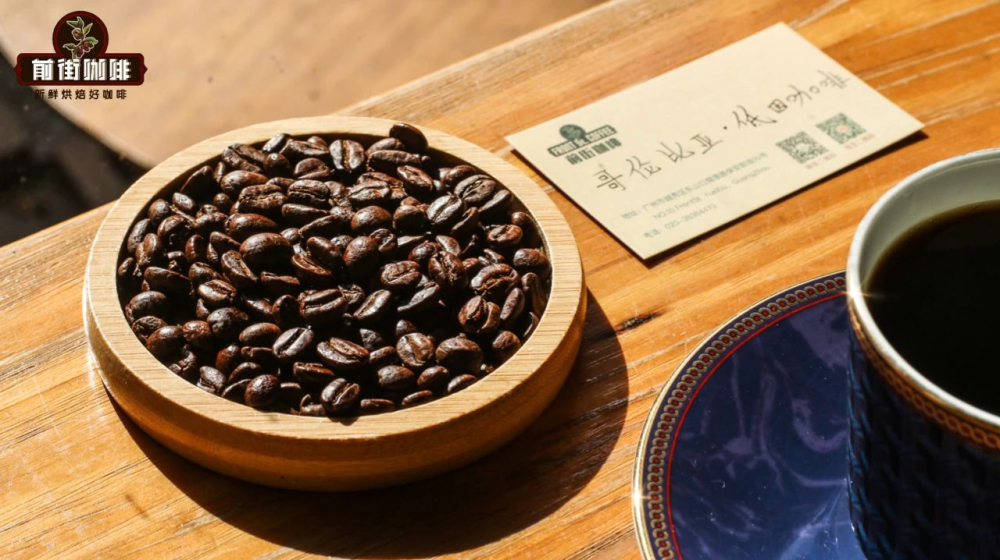
Regarding roasting, the roaster adopted a moderate and steadily ascending strategy. The turning point to yellow occurred at approximately 6 minutes and 15 seconds, after which the air damper and flame were adjusted to initiate the Maillard reaction. At first crack, the temperature was maintained at around 183.2°C, with a development time of about 2 minutes and 30 seconds. The roast was completed at 194.2°C. This roasting curve is designed to balance the often-flat flavors typical of decaf beans while highlighting the beans’ inherent sweetness and body.
If you’d like to try pour over at home, it is recommended to use a Kono filter cone, with a coffee dosage of 15 grams and a 1:15 coffee-to-water ratio (total water volume approximately 225 grams). The grind size should be medium-coarse, similar to 70% passing through a standard Chinese No. 20 sieve. The water temperature should be controlled at 90°C, using a three-stage extraction method: start with a 30-second bloom using 30 grams of water, followed by a slow circular pour to reach 125 grams for the first pour. Once the water level drops, continue pouring to 225 grams before ending the extraction, with a total brew time of about 3 minutes. This method helps fully bring out the sweet aroma and rich texture of decaf beans, while reducing the risk of over-extraction or off-flavors.
Finally, regarding price, since decaf coffee requires additional decaffeination processing and involves the selection of high-quality Arabica beans along with strict quality control, its price is usually slightly higher than that of regular commercial beans. However, it still falls within a reasonable range for specialty coffee, at approximately $15–$25 per pound, varying depending on the origin and processing method. When converted to per-cup cost, it is actually not much different from a mid-to-high-priced pour over coffee, yet allows you to enjoy a lighter and more guilt-free coffee experience.
In summary, decaf coffee is not a second-rate option. With proper craftsmanship and the right choice of variety and origin, it can also deliver captivating flavors. For those who wish to reduce caffeine intake but don’t want to sacrifice the aroma and complexity of coffee, this Colombian Huila Swiss Water decaf coffee is a great entry-level choice worth trying. Remember to use the appropriate pour over parameters, and you too can enjoy a rich yet refined cup of decaf coffee at home.
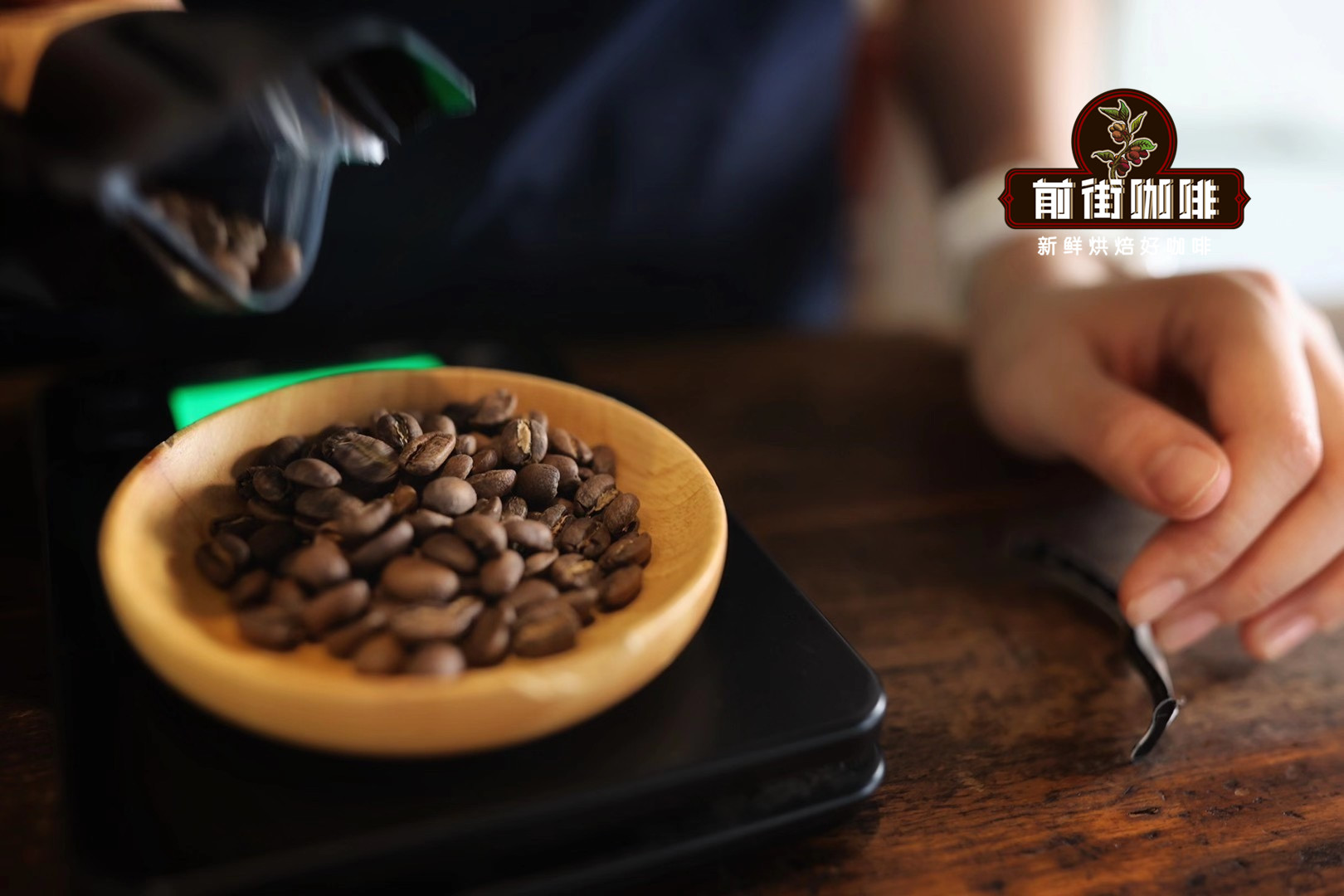
The above content is compiled by CoffeeHunters, a coffee news website.


