







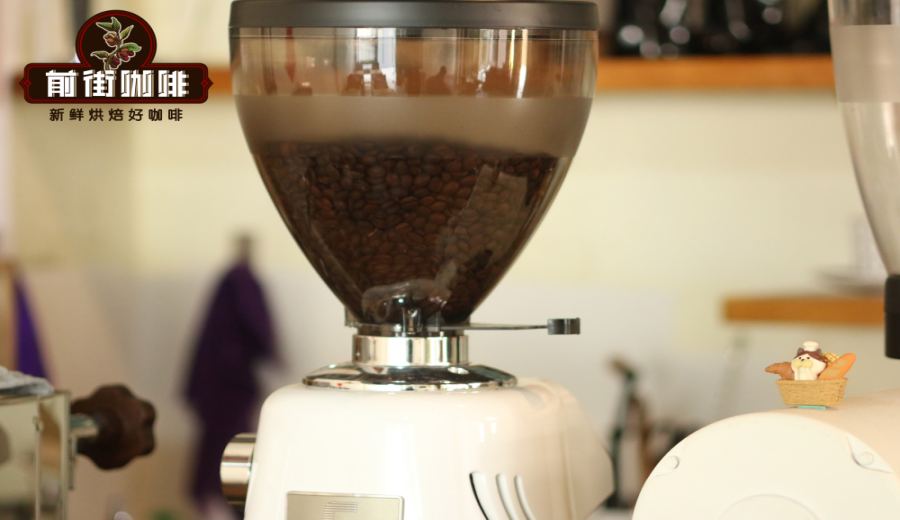
Introduction:To brew a rich and full-bodied espresso, precise grind adjustment is the key. This article will take you deep into the fine details of espresso grind size, how to judge the right grind setting by flow rate, and how to make fine adjustments in 0.1-step increments. It also includes practical extraction parameters and answers to common questions to help you easily master professional-level espresso-making techniques.
In the process of making espresso, controlling the grind size is arguably one of the most important factors affecting the final flavor. Unlike methods such as pour over or cold brew, espresso is extracted under high pressure in a short amount of time. This means even the smallest grind error can be greatly magnified, affecting the overall extraction balance and flavor expression of the coffee.
So, how fine should an espresso grind be?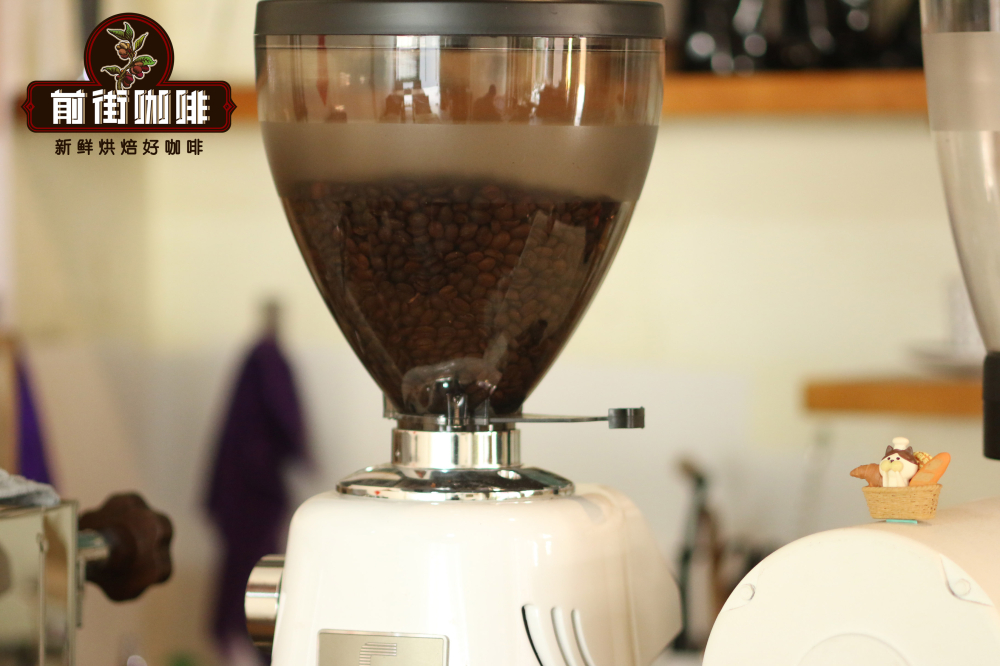 Compared to the commonly used Chinese No. 20 sieve standard for pour over coffee, espresso coffee grounds are even finer, even finer than table salt. Their uniformity is almost impossible to discern with the naked eye, making it difficult to rely on traditional sieve testing. This extreme fineness is essential to fully release the aroma and complexity of the coffee under high-pressure extraction.
If the grind is too fine, water will struggle to pass through the coffee bed, not only prolonging extraction time but also easily leading to over-extraction, resulting in noticeable burnt bitterness and astringency. Conversely, if the grind is too coarse, water will pass through too quickly, causing under-extraction, resulting in a thin flavor with prominent acidity. In fact, even a difference of just 0.1 on the grind setting can lead to vastly different extraction results, so observing flow rate and making real-time adjustments is crucial.
Practical Methods for Quickly Adjusting Grind Settings
It is recommended that when making initial adjustments, you start with a rough grind setting—for example, set the grinder to a fineness similar to flour, which is usually close to the middle setting of many home grinders. Then, use basic extraction parameters: set the coffee-to-water ratio to 1:2, and control the extraction time between 20 to 30 seconds. For the coffee dose, adjust according to the capacity of your portafilter basket—for example, use 20 grams of coffee for a 20g basket, or 18 grams for an 18g basket. This ensures extraction stability.
If you find that the extraction time exceeds 30 seconds, it means the grind is too fine, and it is recommended to adjust the setting coarser by about 0.5 steps. If the extraction time is less than 20 seconds, the grind is too coarse, and you need to adjust the setting finer by about 0.5 steps. Through this initial adjustment, aim to stabilize the extraction time within the ideal range of 20–30 seconds.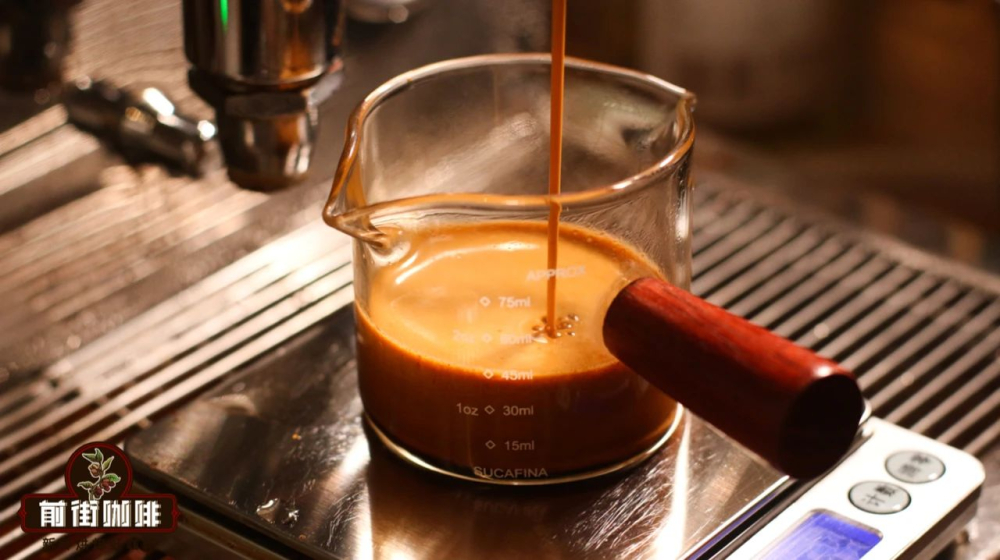
Once the extraction time has stabilized, the next step is to make more refined flavor adjustments by tasting the coffee. At this stage, it is recommended to adjust in 0.1-step increments: if the coffee’s aroma is not concentrated enough and the taste is too acidic, try adjusting the grind finer by 0.1 step. Conversely, if there is a noticeable burnt bitterness or uncomfortable burning sensation, it means the grind is too fine, and you should adjust it coarser by 0.1 step. Repeat this process until you find the balance point that best highlights the layers of flavor in the coffee.
In addition, selecting the right coffee beans is also a crucial factor affecting espresso performance. A well-roasted, complex blend can showcase intense aroma and a rich body under high-pressure extraction, while also helping to form a thick and creamy crema. It is recommended to choose a dark roasted blend, as these beans typically offer stronger body and more stable extraction performance, whether you’re making straight espresso or milk-based drinks, both can deliver outstanding results.
In summary, adjusting the espresso grind setting is a process that requires patience and attention to detail. From the initial setup, adjusting based on flow rate, to the final 0.1-step flavor refinement, each step affects the final extraction outcome. As long as you master these techniques, you can also easily replicate café-quality espresso at home and enjoy a professional-level flavor experience.
The above content is compiled by CoffeeHunters, a coffee news website.


