







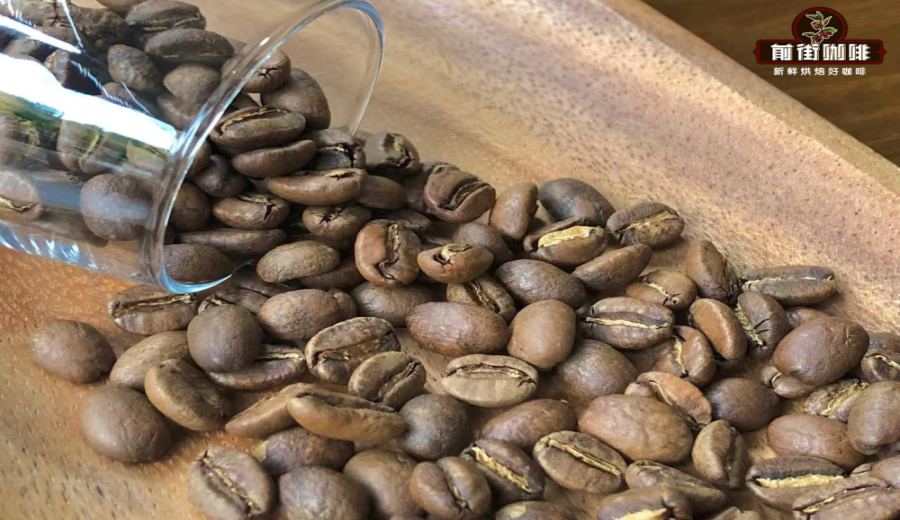
Introduction:Panama Geisha coffee, with its delicate floral notes and bright fruity acidity, has become a prized favorite among specialty coffee enthusiasts. From the grading logic of Emerald Estate’s Red and Green labels to the unique terroir of the Boquete region, this article not only takes you deep into the diverse flavors of Geisha but also provides practical V60 pour over three-stage brewing parameters to help you easily master the optimal extraction method and appreciate the refined layers of Geisha.
In the world of specialty coffee, Panama Geisha is undoubtedly one of the most representative varieties. With its clean and bright mouthfeel, intricate berry and floral notes, it has overturned the stereotype that coffee must be dark roasted and bold. Whether in professional evaluations or market reputation, Geisha consistently ranks at the top of high-end coffees, and its rarity has even earned it a spot on Forbes’ list of the world’s ten most expensive coffees. All of this stems from its extremely low yield, strict cultivation and processing standards, and its ability to perfectly showcase the characteristics of high-altitude terroir.
As Geisha’s fame has spread, not only Panama but also other high-altitude regions in Central and South America, including Costa Rica and Colombia, have begun cultivating this variety. However, due to differences in microclimates and soil, the flavor profiles of Geisha from various regions also vary. Some exhibit more intense citrus notes, while others showcase soft floral aromas and honey-like sweetness—this is precisely the joy of exploring the charm of Geisha.
When talking about Geisha, one cannot overlook Panama’s Hacienda La Esmeralda (Emerald Estate). This renowned estate located in the Boquete region not only produces the world-famous Geisha but is also celebrated for its rigorous green bean grading and processing techniques. The estate is mainly divided into three sub-regions: Jaramillo, Canas Verdes, and El Velo, and based on origin, processing method, and cupping scores, Geisha is further categorized into two major series: “Red Label” and “Green Label.”
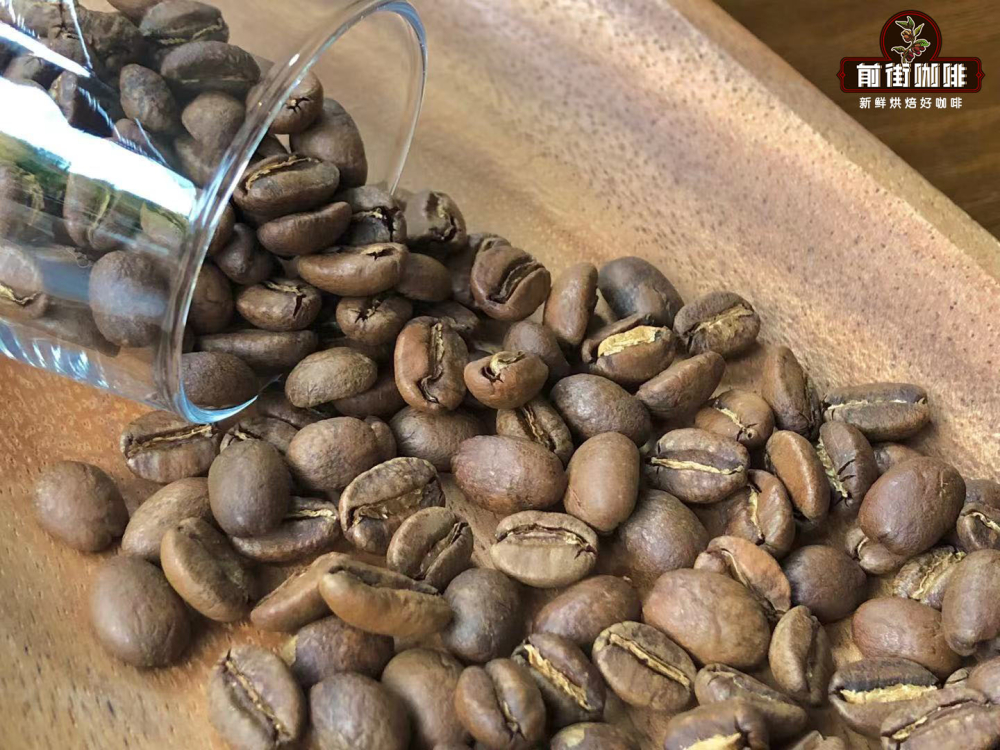
The Red Label Geisha, officially named “Esmeralda Special,” represents the estate’s highest-grade Geisha. These beans come from specific high-altitude plots (approximately 1600–1800 meters) and undergo strict selection, with each batch requiring a cupping score of 90 or above. Commonly sourced from the Jaramillo and Canas Verdes sub-estates, they exhibit exceptional purity and complexity. A certain brand’s new-season sun-dried Red Label Geisha, from the Mario plot at 1700 meters altitude, showcases flavors of ripe strawberries, rose blossoms, a black tea base, paired with bright citrus acidity reminiscent of grapefruit, and a fruity berry sweetness in the aftertaste. The overall profile is layered and long-lasting.
In terms of price, this brand’s Red Label Geisha roasted beans are priced at 350 NTD per 100 grams. When brewed at the retail store using 15 grams of coffee, the single cup costs approximately 75 NTD. This coffee is ideal for enthusiasts who enjoy fruity and floral profiles and seek nuanced flavors, and it is also a flagship offering in many specialty coffee shops.
In contrast, the Green Label Geisha (Private Collection) focuses on showcasing the overall terroir characteristics of the estate’s Geisha. This series is typically a blend of batches from multiple sub-regions, without specifying a particular plot, but still maintains a high-altitude standard (1600–1800 meters), and is mostly washed processed. A certain brand’s new-season Green Label Geisha, also from the three main sub-estates, features flavors of clean white floral notes (such as jasmine and ginger lily), refreshing citrus acidity (like sweet orange and lemon), honey-like sweetness, and a tea-like finish. The flavor profile is more balanced, making it suitable for those new to Geisha.
The Green Label roasted beans are much more affordable, priced at approximately 168 NTD per 100 grams, with a single cup at the store costing 60 NTD (for 15 grams of coffee). If you’re on a budget but still want to experience the charm of Emerald Estate’s Geisha, the Green Label is a great entry-level choice.
Additionally, the Boquete region itself is also an important Geisha-producing area. Even if not produced by this estate, as long as it is grown at high altitudes (e.g., above 1600 meters) and processed properly, it can still exhibit outstanding flavor potential. A certain brand also offers a Boquete-region washed Geisha, with flavor notes of citrus acidity, delicate white flower aromas, honey sweetness, and a green tea-like finish. It is more budget-friendly, priced at approximately 98 NTD per 100 grams, and a single cup at the store costs just 30 NTD, making it another great option to explore Geisha flavors.
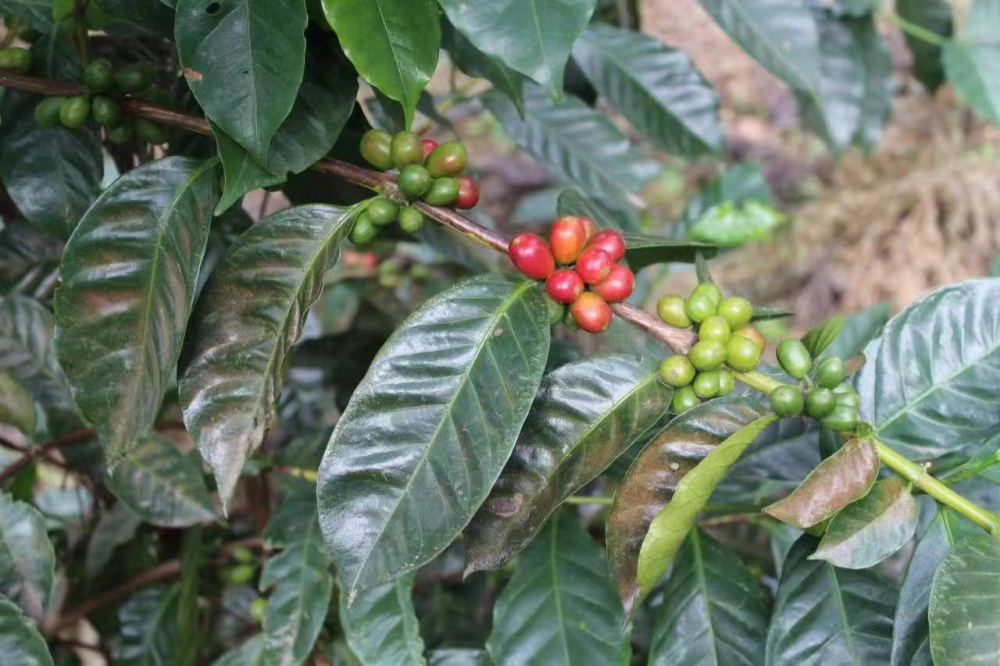
The reason why Panama’s Boquete region can produce such high-quality Geisha is inseparable from its unique geographical environment. Located in Chiriquí Province, adjacent to the Barú Volcano, with altitudes ranging from approximately 1000 to 2000 meters, the region enjoys a cool and humid climate, along with fertile volcanic soil and year-round mist cover, creating diverse microclimates. This environment not only benefits coffee tree growth but also imparts rich floral and fruity notes and multi-layered acidity structures to the beans.
If you wish to brew Geisha’s refined flavors at home, it is recommended to choose freshly roasted beans and opt for a medium-light roast to preserve acidity and aroma. A certain brand’s recommended roast level may vary slightly depending on the batch but generally stays within the medium-light range to highlight Geisha’s bright characteristics. For extraction, it is suggested to use a V60 filter cone, paired with slightly higher water temperature (around 91–92°C) and a fine grind size (close to superfine sugar, about 80% through a #20 sieve), which helps bring out delicate floral notes and complex fruit tones.
Below are the commonly used V60 three-stage pour over parameters for the Emerald Red Label sun-dried Geisha at a certain brand’s retail store, for your reference:
Filter cone:V60
Water temperature:91–92°C
Coffee dose:15 grams
Coffee-to-water ratio:1:16 (total water 240 grams)
Grind size:Superfine sugar size (sifted through a #20 sieve with 80% passing rate)
Steps:
1. Place 15 grams of coffee grounds into the V60 filter cone, then pour 30 grams of water for blooming, for about 30 seconds. It is recommended to pour in a slow circular motion from the center outward to ensure even saturation of the coffee bed.
2. Next, pour 120 grams of water, with a slightly larger and vertical stream. Aim for a total of 150 grams of water, taking about 55 seconds. This step helps expand the coffee bed and extract more aroma.
3. Finally, when the liquid level drops to half, pour 90 grams of water using a small stream in a gentle circular motion to avoid disturbing the coffee grounds. The total water poured is 240 grams, with the dripping time controlled to around 2 minutes and 10 seconds. After extraction, gently swirl the coffee in the server before serving.
By mastering these key points, you too can brew a cup of Panama Geisha at home that approaches a professional level, and savor its unique terroir charm in detail.
The above content is compiled by CoffeeHunters, a coffee news website.


