







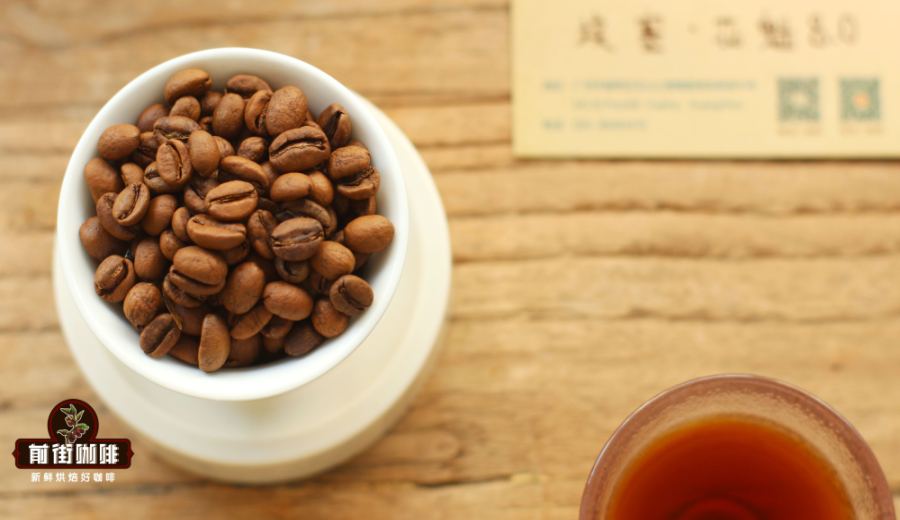
Introduction:In recent years, the highly acclaimed Hua Kui SOE has gained widespread popularity for its bright fruity acidity and smooth taste, making it a favorite both for home brewing and takeout. This article delves into the origin of the Sidama Hua Kui 8.0, explains the meaning behind its series numbering, and thoroughly explores the extraction principles of SOE (Single Origin Espresso). It also provides practical extraction parameters, step-by-step instructions, and tips on how to brew a balanced and refreshing Americano or a rich and smooth Latte—helping you master everything from bean selection to brewing.
In recent years, an SOE coffee called “Hua Kui” has sparked considerable discussion in the market, especially the version launched by Luckin, which stands out with its pronounced fruity acidity and smooth mouthfeel, reacquainting many coffee enthusiasts with the charm of Single Origin Espresso. Based on beans from Ethiopia’s Sidama region, this Hua Kui SOE not only boasts vibrant acidity but also offers a layered flavor profile. Many consumers can’t help but wonder: what exactly is this coffee? Can its similar flavors be replicated at home?
The term SOE stands for Single Origin Espresso, which refers to espresso made using beans from a single origin. This is distinctly different from traditional espresso, which typically uses multi-origin blends roasted dark. Traditional espresso emphasizes stable and intense flavors but often tends to be bitter; whereas SOE adjusts the roast level according to the characteristics of the beans from a single origin, thereby highlighting the unique terroir and fruity notes of that region. As a result, Hua Kui SOE tastes brighter and more layered.
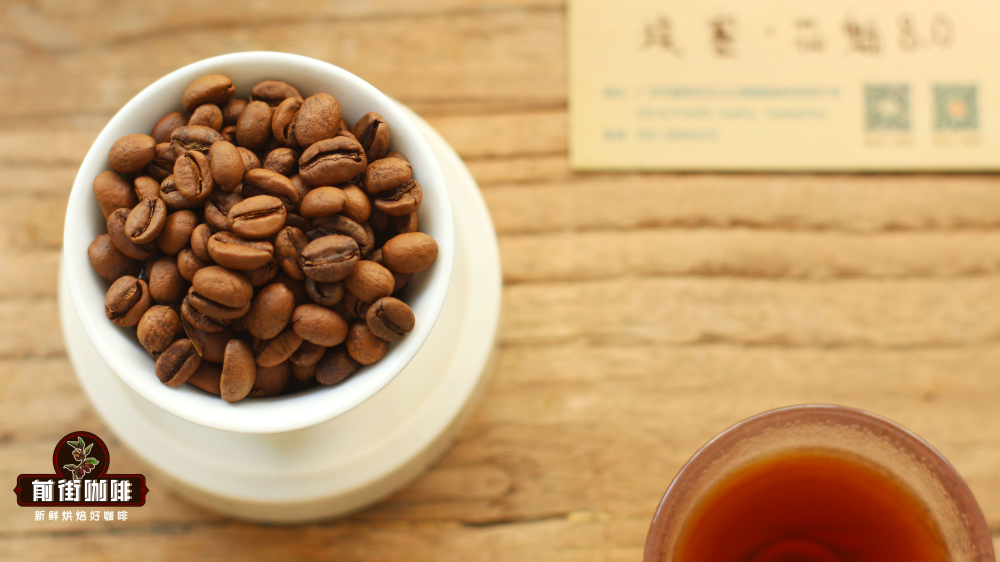
The name “Hua Kui” originates from the natural-processed G1 grade coffee beans from Ethiopia’s Sidama · Hambella region, initially produced by the local processing factory Buku Abel. After winning the TOH Natural category championship in international competitions, these beans were given the evocative, oriental-inspired name “Hua Kui” (meaning “the foremost among flowers”) by domestic green bean traders. Subsequently, due to its rich fruitiness, reasonable pricing, and high compatibility with various brewing methods, it quickly became a top choice for many newcomers to single-origin coffee.
As for the numbers that follow the name—such as 5.0, 7.0, 8.0—they represent batches from different years. Starting in 2018, to distinguish the subtly adjusted flavors year by year, domestic green bean trading companies began using numerical suffixes for labeling. For example, 2018 was “Hua Kui 2.0,” 2019 saw “Hua Kui 3.0 and 3.1,” and so on, with the latest 2024 version being “Hua Kui 8.0.” Through this numbering system, consumers can easily identify which year’s product they have purchased.
The “Sidama Hua Kui 8.0” featured in this article has been roasted by the roaster with specific roast curves tailored for different brewing methods, offering two options: medium-light (suitable for pour over and cold brew) and medium (suitable for espresso machines and moka pots). If you prefer clear fruity acidity and floral notes, opt for the medium-light roast when using pour over or cold brew; if you aim to extract a captivating crema and enjoy the fun of latte art, the medium roast is more appropriate.
If you choose to brew Hua Kui 8.0 SOE as espresso using an espresso machine, the following tested parameters are recommended: 20 grams of coffee grounds, extracting 40 grams of espresso, with a brew ratio of 1:2, and extraction time controlled between 26–32 seconds. The grind size is suggested to be around Galileo 2.0, though it can be fine-tuned based on your own grinder. During extraction, first ensure the portafilter basket is dry, distribute the ground coffee evenly, then tamp firmly with a tamper to ensure a compact coffee puck. Pre-wet the group head by running water for 1–2 seconds before attaching the portafilter and beginning the extraction.
Observe the extraction process; when the espresso reaches 40 grams and the time falls within 26–32 seconds, you can stop. Be aware that too short an extraction time may result in weak flavors, while too long can lead to burnt or bitter notes. Additionally, daily humidity and bean conditions may vary slightly, so feel free to adjust the coffee dose, grind size, or liquid volume flexibly to achieve the best balance.
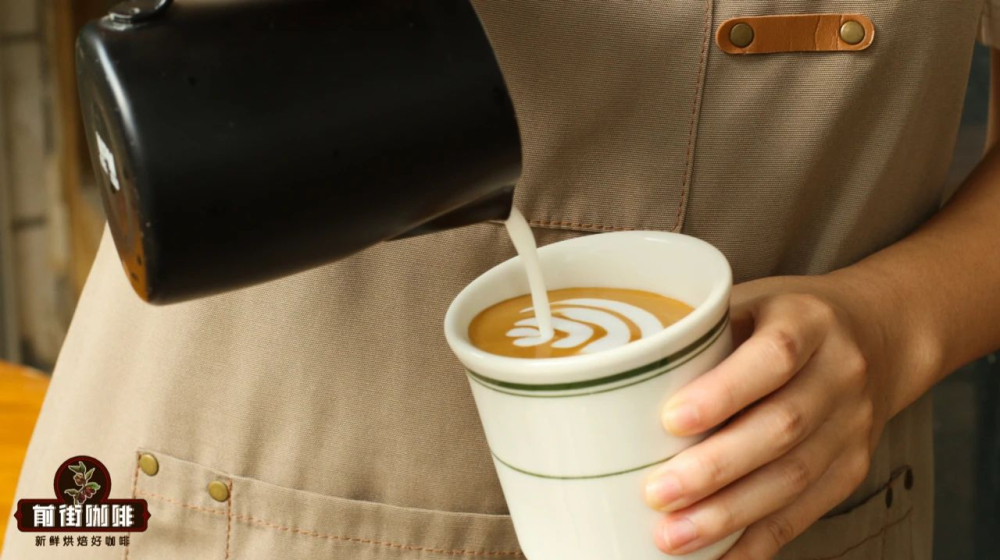
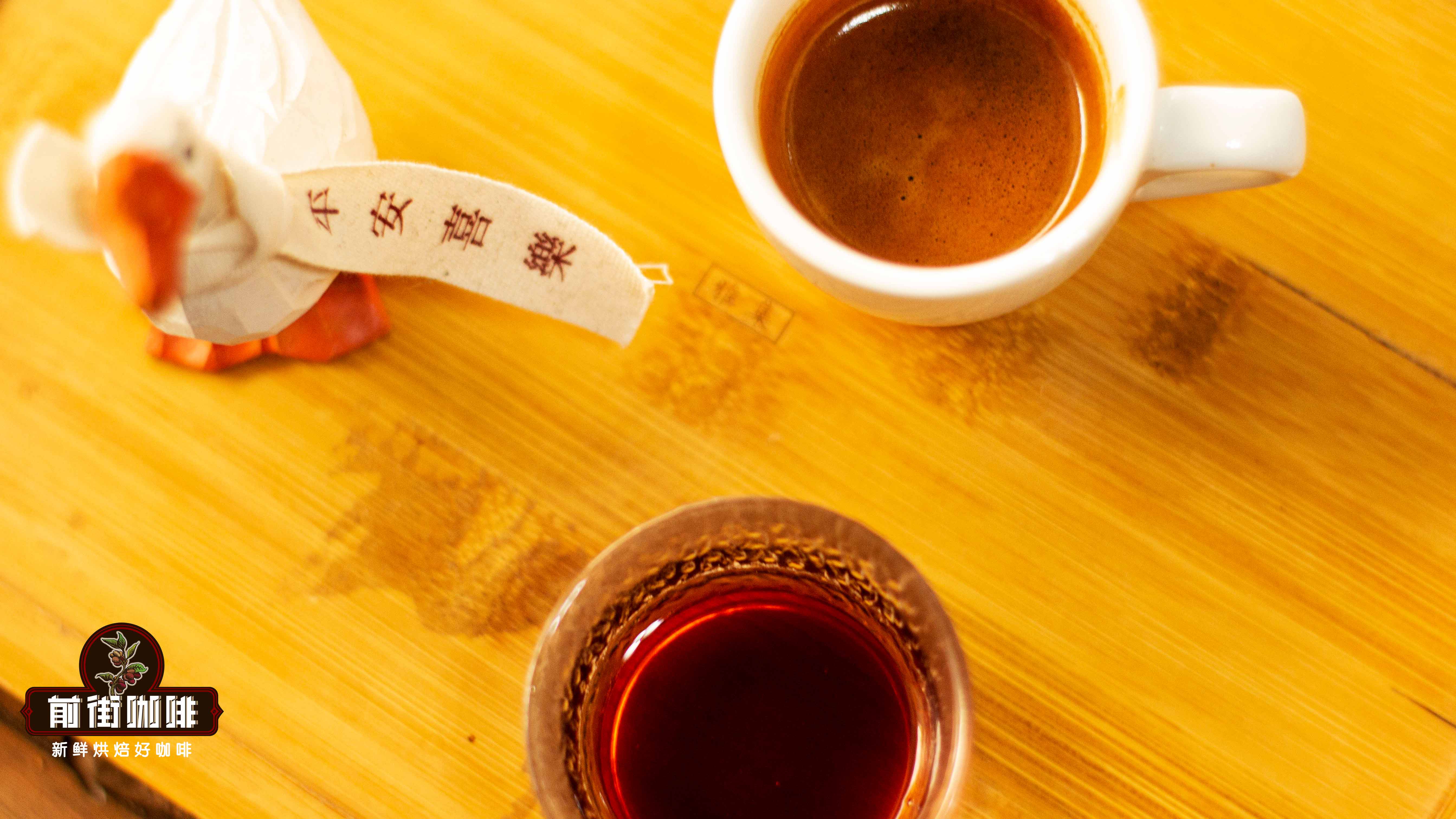
For freshly extracted Hua Kui SOE espresso, it’s recommended to cleanse your palate with water and savor its rich tropical fruit aroma and delicate crema. If you prefer a refreshing taste, mix it with ice water or warm water at a 1:4 ratio to make a Hua Kui SOE Americano—vibrant, tangy, and distinctly layered. If you enjoy a milk-forward, creamy flavor, combine it with freshly steamed milk at a 1:6 ratio to create a Hua Kui SOE Latte—smooth, velvety, and with a long-lasting aftertaste, perfect for everyday enjoyment.
In summary, Hua Kui 8.0 is not only a SOE bean with distinctive flavors, but its versatility and clear fruit character also make it an ideal choice for home brewing or café preparation. By mastering the right roast selection, extraction parameters, and ratios, whether you’re enjoying a straight shot of espresso, a refreshing Americano, or a silky Latte, you can easily showcase its unique charm.
The above content is compiled by CoffeeHunters, a coffee news website.


