







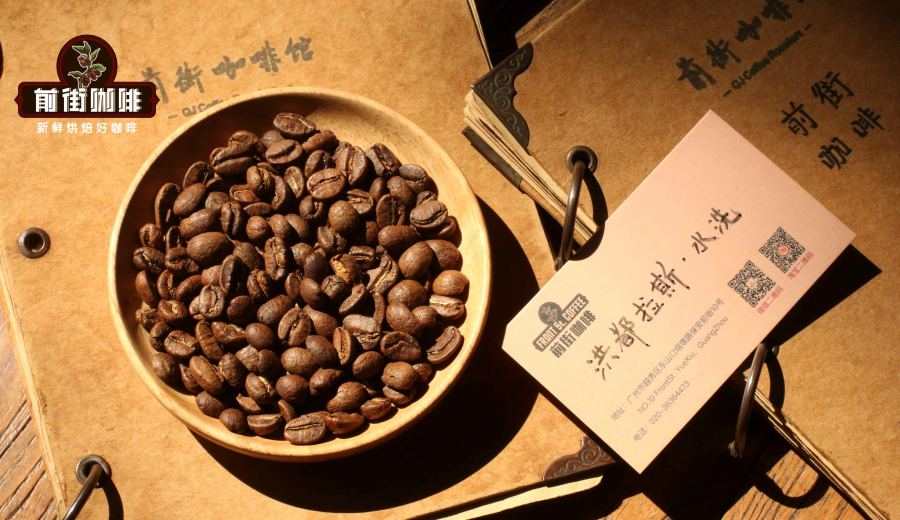
Introduction:Honduran coffee has been gradually making a name for itself in the international market with its rich, sweet aroma and affordable price. As the largest coffee producer in Central America and the world’s second-largest supplier of washed Arabica, its black sugar base layered with notes of berries, caramel, and apricot has won over many coffee enthusiasts. This article will guide you through the rise of Honduran coffee, offer market insights, and highlight mid-range single-origin beans ideal for pour over brewing—helping you find your perfect match by exploring flavor profiles and roast levels.
When it comes to Central American coffee regions, most people first think of Guatemala or Costa Rica. However, Honduras has rapidly gained popularity in recent years for its distinctive flavor profile. Rather than relying on bright acidity, Honduran coffee features a rich foundation of black sugar and caramel, complemented by berries, tropical fruits, and even subtle hints of apricot. Its balance of sweet and sour is just right, with a silky chocolatey finish. Even novice brewers trying single-origin beans for the first time can easily appreciate its well-defined characteristics.
Looking back at the development of Honduran coffee, although it started later than neighboring countries, it has leapt to the top of Central American production within just over a decade, thanks to its ideal high-altitude microclimates and large-scale cultivation structure. Notably, when the statistics are narrowed down to washed Arabica beans, the country firmly holds the position as the world’s second-largest exporter. This focus on washed processing helps preserve a clean flavor profile while reducing the risk of over-fermentation.
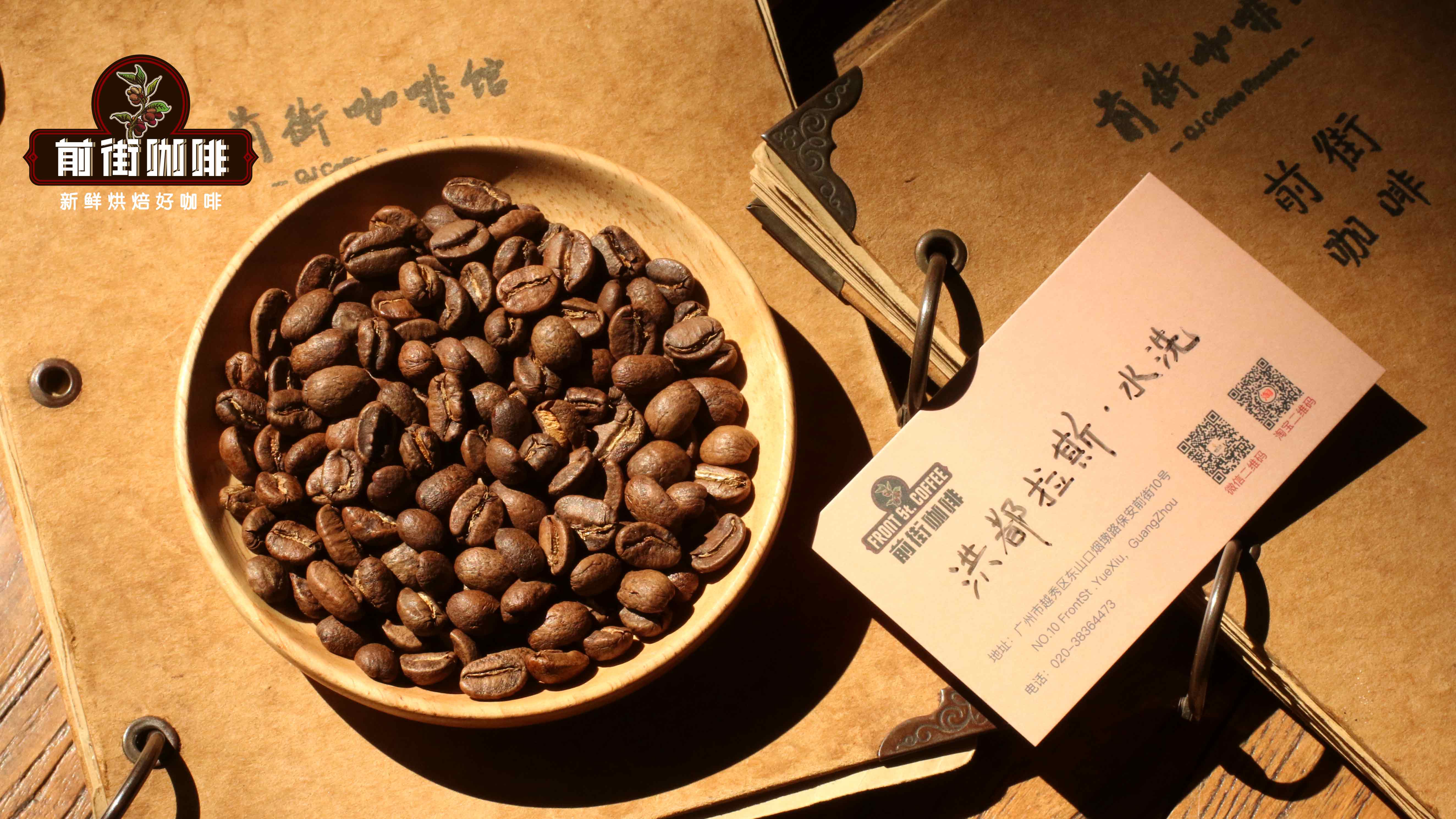
How can you quickly grasp the typical characteristics of Honduran coffee? A look at the flavor profiles of mainstream beans reveals that most samples exhibit a distinct three-phase expression: the first impression is a clear black sugar sweetness, followed by a mellow note reminiscent of black tea or caramel, and the finish unveils vibrant undertones of berries or stone fruits. Some lots from higher-elevation micro-regions can even present a refreshing fruity note akin to apricot. This combination of sweetness and structural complexity makes medium roast the optimal method to highlight its strengths.
For consumers looking to try Honduran beans, the price range on the market is actually quite friendly. Compared to premium regions like Blue Mountain or Jamaican Highlands, where prices can easily reach several thousand per pound, high-quality washed Honduran beans typically fall between $100 and $200 per pound (depending on processing method and growing altitude). According to trade data from the International Coffee Organization, the average price of its commercial-grade beans is slightly below the global Arabica average, but specialty beans from mid-to-high altitude micro-regions still offer good value potential.
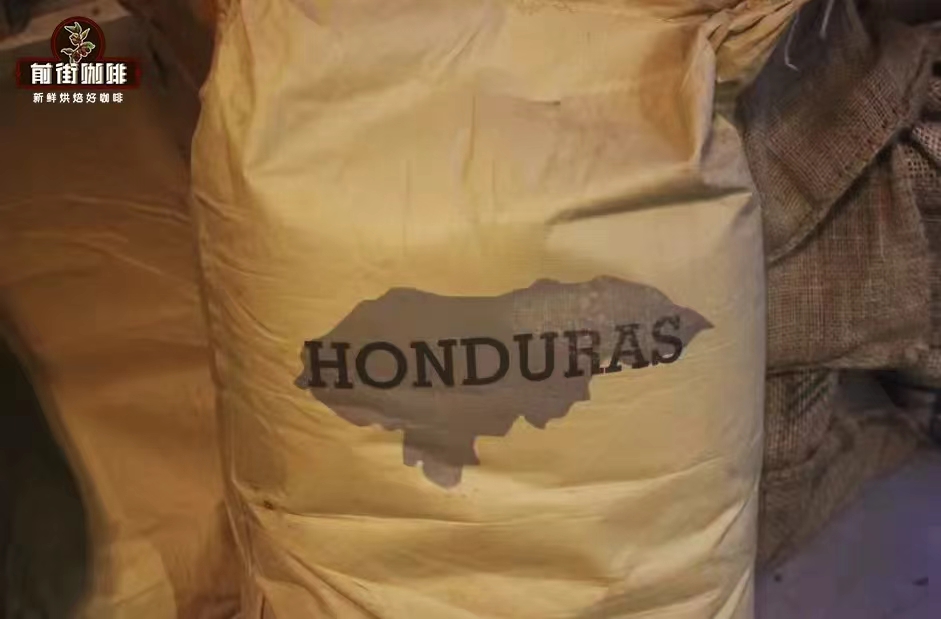
If you’re seeking a practical entry point into the Honduran region, it’s recommended to start with commonly available washed varieties such as Caturra or Catuai. These varieties perform steadily at mid-altitudes, delivering the region’s signature sweet flavor backbone without overwhelming complexity from overly intricate processing methods. For brewing, opt for beans roasted to a light-to-medium or medium level, using water at 90–93°C and a coffee-to-water ratio of 1:15 to 1:16. This setup effectively balances sweetness and fruit acidity. A special note: due to the generally higher bean density of Honduran coffee, you may grind slightly finer than typical Central/South American beans—but avoid going finer than the pour over limit to prevent over-extraction.
Looking at global coffee market trends, Honduras’ competitive edge lies in the dual combination of “stable quality” and “friendly pricing.” Whether you’re a beginner just starting with pour over or a coffee enthusiast searching for a reliable daily brew, the diverse offerings from this region cater to various budgets and flavor preferences. Remember, when tasting, pay special attention to that unique caramel sweetness and berry finish—this is the subtle secret behind Honduran coffee’s bold yet nuanced character.
The above content is compiled by CoffeeHunters, a coffee news website.


