







Category: Coffee Knowledge
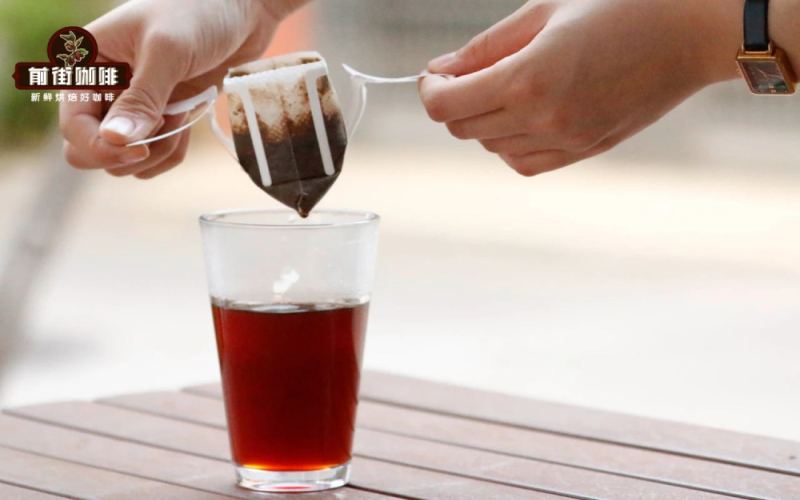
Can you only brew a pour-over coffee pouch once? A guide to brewing techniques and flavor selection for Yirgacheffe pour-over pouches
Pour-over coffee pouches are favored by many for their ease of use, making them a top choice for home brewing or travel. But have you ever wondered if you can brew them more than once? How can you brew a premium pour-over pouch, such as one featuring Yirgacheffe, to bring out its best flavors? This article delves into the design principles of pour-over pouches, recommends ideal coffee-to-water ratios, explains why single brewing is advised, and offers practical tips on selecting pouches based on different coffee-growing regions—helping you find your perfect coffee experience. [more…]
Complete Guide to Brazilian Coffee: From Arabica to Instant Brands, Selection and Tasting Tips
Want to dive deeper into Brazilian coffee? This article starts with Brazil’s mainstream coffee varieties, explaining in detail the differences between Arabica and Robusta, suitable brewing methods, as well as the most representative local and international instant coffee brands. We’ve also handpicked two highly recommended cafés in Rio de Janeiro, suggesting affordable and well-reviewed local brands to help you easily select, taste, and purchase your own Brazilian coffee. [more…]
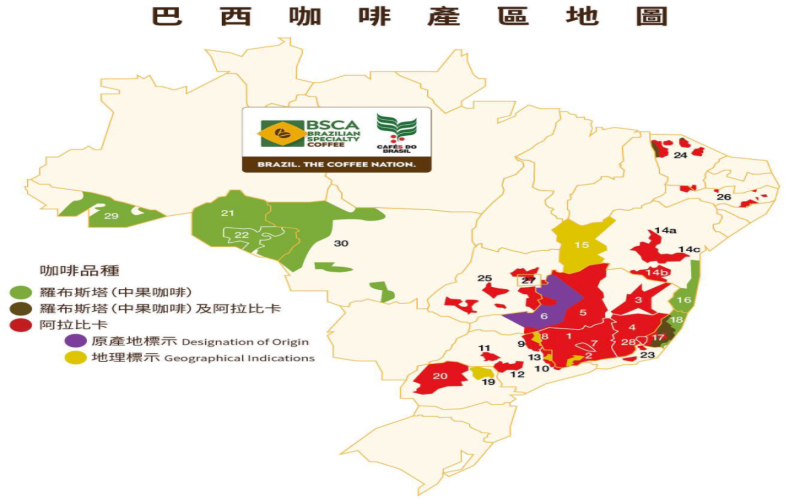
How to Choose Brazilian Coffee Beans? A Complete Guide to Regions, Varieties & Pour Over Parameters
Brazil is not only the world’s largest coffee producer but also home to a diverse range of flavor potentials. This article provides an in-depth analysis of Brazil’s major coffee-producing regions, classic varieties, and its unique green bean grading system, along with practical pour over recommendations and parameters to help you understand the essence of Brazilian flavors starting with a single-origin cup. [more…]
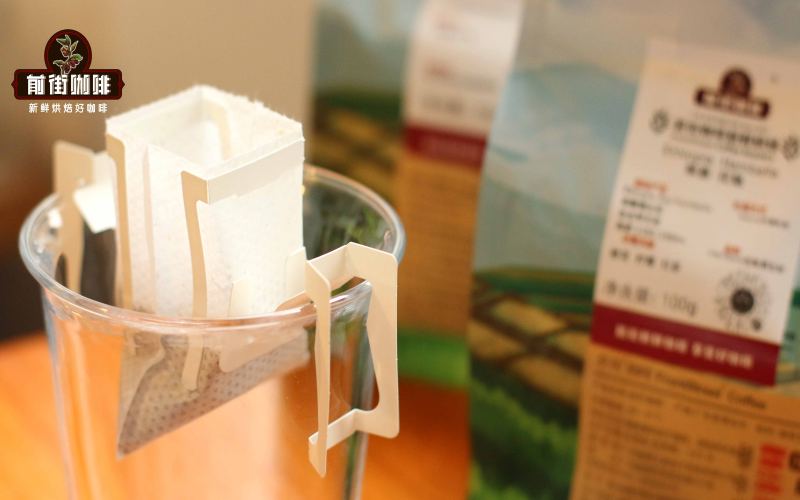
How to Choose Brazil Cerrado Pour Over Coffee? Flavor and Bean Variety Analysis of TARDE CAFE Medium Roast
As the world’s largest coffee-producing country, Brazil is loved for its low-acid, smooth taste. This article analyzes the actual flavor profile of Brazil Cerrado pour over coffee by focusing on the origin and roast level, with special attention on the characteristics of medium roast—balanced acidity and bitterness, and prominent aroma. Through real tasting experiences, it also shares why this coffee is suitable for daily drinking and favored even by non-coffee drinkers, offering practical guidance for selection and brewing. [more…]
High-Value Pour Over Coffee Filter Bags Recommended!In-Depth Review of 8 Popular Pour Over-Style Filter Bag Coffees
Find the refined flavors of pour over coffee too troublesome? Coffee filter bags offer the perfect balance of convenience and quality. This article tests eight popular filter bag coffees on the market, covering everything from light roast fruity acidity to dark roast bold richness. We provide a detailed analysis of each bag’s origin characteristics, roast level, and ideal drinker profile, helping you quickly choose based on your taste preferences—perfect even for coffee beginners to find their favorite. [more…]

Coffee Powder Shelf Life & the Fridge Storage Myth | Proper Storage Methods to Extend Freshness
Many coffee enthusiasts, in order to save time, opt to buy pre-ground coffee. But did you know that ground coffee actually loses its flavor much faster? This article delves into the shelf life of coffee powder, the feasibility of refrigerated storage, and provides professional advice on how to properly store coffee powder so that every cup retains its optimal flavor. [more…]
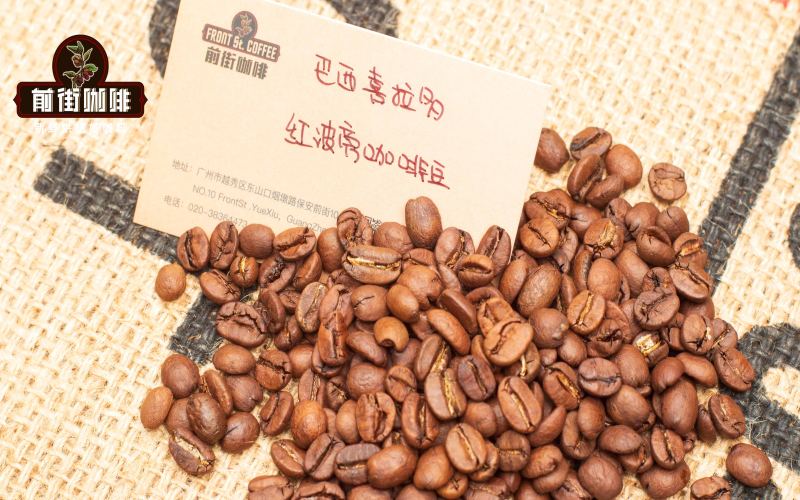
Analysis of the Differences Between Costa Rica’s Dried Grape (Grapefruit) Honey and Black Honey Processes: A Complete Guide to Flavor and Processing Mechanisms
Honey processing is a crucial step that influences the flavor of coffee. Among them, Costa Rica’s dried grape (grapefruit) honey and black honey processes have garnered significant attention. This article delves into the processing mechanisms, drying procedures, and flavor characteristics of both, helping readers understand how the amount of mucilage retained affects sweetness and aroma. Through real-world examples from producing regions, it also highlights the unique features and tasting notes of these two special processing methods. [more…]
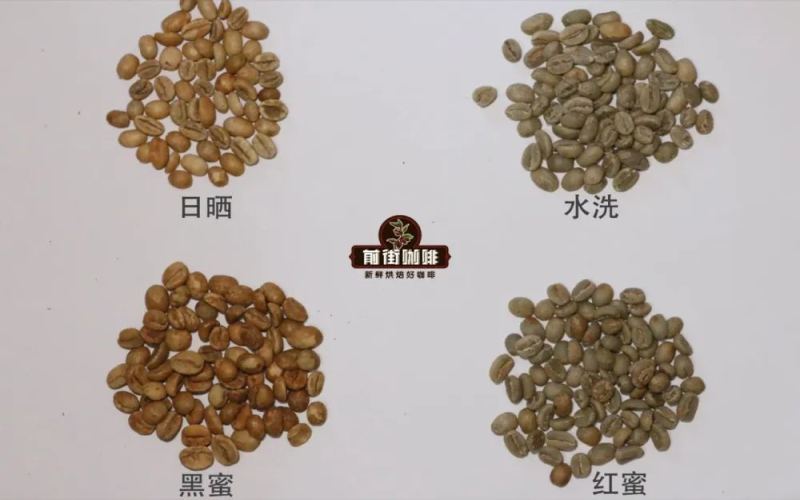
A Comprehensive Guide to Coffee Processing Methods: Differences and Flavor Profiles of Natural, Washed, and Honey Processes
The flavor of coffee comes not only from its variety and roast, but processing methods play a crucial role as well. By understanding the three main techniques—natural, washed, and honey processes—you can grasp their steps, parameters, and flavor directions, helping you choose your favorite beans more precisely. This article explains the characteristics of each process in an easy-to-understand way, taking you from the roots to discover the diverse expressions of coffee. [more…]
The Ultimate Guide to Panamanian Geisha Coffee: Grades, Flavors, Pour Over Parameters, and Regional Differences
An in-depth exploration of the world’s top-tier specialty coffee — the history, origin, regional characteristics, identification of green and roasted beans, and flavor profiles of different processing methods of Geisha. This article provides a comprehensive introduction to its journey from Ethiopia to its victory in Panama, along with expert pour over recommendations and tasting tips to help coffee enthusiasts fully master this legendary variety. [more…]
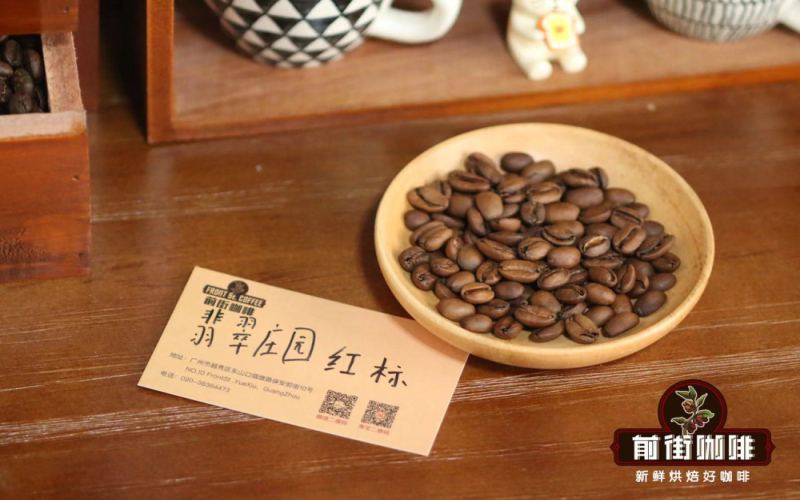
How to Extract Geisha as Espresso? A Complete Guide to SOE Grind Adjustment and Flavor Balance
Geisha coffee is renowned for its unique floral aroma and citrusy honey sweetness, but using it for espresso often leads to failure due to its light roast level and high price. This article explains how to achieve a well-balanced Geisha SOE at a reasonable cost by adjusting the grind with substitute beans and precisely controlling extraction parameters, and also explores its application in milk-based coffee. You’ll master the key techniques from grind adjustment to final serving. [more…]
What's the difference between Hua Kui and Geisha? A complete guide to Ethiopian native coffee varieties, flavors, and pour-over brewing
Although both Hua Kui and Geisha come from Ethiopia, they are entirely different coffee beans. This article delves into their historical origins, variety characteristics, naming backgrounds, and provides detailed information on the growing regions, processing methods, altitude, and recommended pour-over parameters for Hua Kui 8.0 and Xiaoli Hua Kui, helping you fully understand these two popular specialty coffee beans from flavor to brewing. [more…]
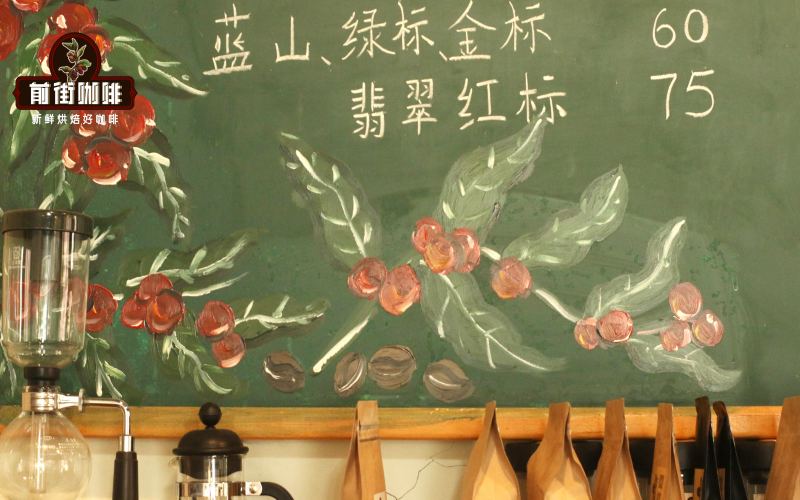
How to Brew Geisha Coffee Beans? A Complete Guide to Light Roast Pour Over Parameters and Flavor Profile
Renowned for its delicate floral notes and unique fruity aromas, Geisha coffee beans are the holy grail for specialty coffee enthusiasts. This article delves into the reasons behind Geisha’s pricing, the differences between Red Label and Green Label, and highlights how light roasting preserves its exquisite flavors. It also provides pour over recommendations and a three-stage extraction technique for the Jade Red Label Natural Geisha, helping you master the brewing secrets of this star coffee bean. [more…]
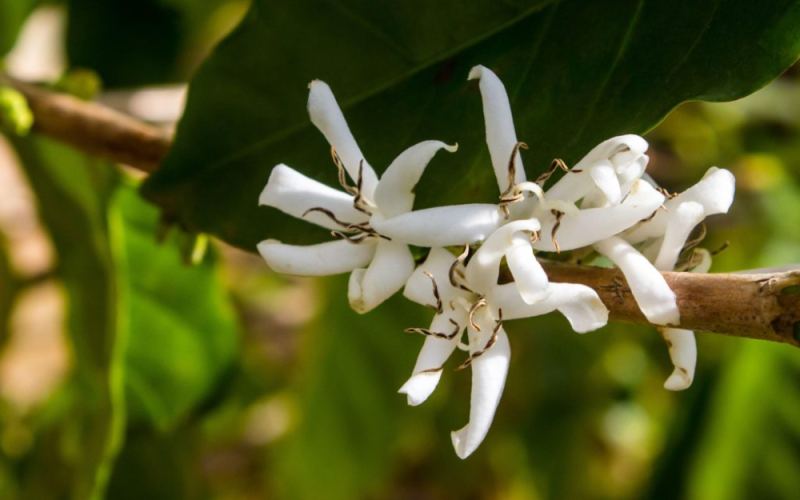
How to distinguish between Geisha and Yirgacheffe? Delve into the characteristics of two classic coffee-producing regions: Panama and Ethiopia
Wondering why Geisha and Yirgacheffe, though both boasting bright floral-fruity aromas and vibrant acidity, can each hold their own in the global specialty coffee market? This article provides an in-depth analysis of the uniqueness of these two iconic coffees—from regional terroir and variety origins, to processing methods and actual flavor profiles. It also includes practical pour over parameters and brewing suggestions to help you develop a clear sensory framework and further appreciate the subtle differences in flavors across regions. [more…]

Panama Finca Geisha Green Label Geisha Pour Over Guide: Flavor Profile & Brewing Parameters
Wondering why Panama Geisha coffee has become the pinnacle of specialty coffee? From its unique varietal genetics and limited production to the rigorous management and exquisite post-harvest processing by the renowned Finca El Valle estate, this article delves into the sources of Geisha’s exceptional value. Using the Finca El Valle Green Label Natural Geisha as an example, we break down detailed pour over steps and optimal parameter settings to help you fully master the brewing techniques and flavor characteristics of this top-tier coffee. [more…]

Starbucks Verona Coffee Beans Review: Analysis of Dark Roast Flavor and Italian Blend Techniques
This article provides an in-depth analysis of Starbucks Verona dark roast coffee beans, exploring everything from its naming inspiration and packaging design to its blend recipe, helping you understand this classic Italian-style coffee named after an ancient Italian city. The article also covers the flavor differences between pour over and espresso extraction methods, as well as how to appreciate its unique dark cocoa and roasted sweetness, making it ideal for coffee enthusiasts eager to explore the allure of dark roasts. [more…]
A Complete Guide to Ethiopian Huacai Coffee: From Championship Origins to Flavor Profiles and Pour Over Parameters
Do you know how the Ethiopian coffee variety 'Huacai' rose from a competition bean to become a globally acclaimed championship coffee? This article delves into the origins of Huacai coffee, the unique sun-drying process at Buku Abel Estate, and the story behind the naming of 'Huacai X.0'. It also compares the flavor differences between a certain brand's small-bean Huacai and Sun-Dried Huacai 5.0, while offering professional pour over recommendations to help you better understand this vibrant specialty coffee. [more…]

Coffee Beans Suitable for Espresso: A Key Analysis of Roast Level and Flavor
Brewing a well-balanced shot of espresso hinges on selecting the right coffee beans. This article delves into why light roast beans are not ideal for espresso extraction, explores the differences between blends and single-origin beans (SOE) along with their respective roasting philosophies, examines the relationship between crema and carbon dioxide production, and recommends several top-quality beans—including Strawberry Sugar Espresso—suitable for both home and café use. It aims to help readers master the essentials of choosing beans for espresso. [more…]
In-depth Analysis of Italian Blends: The Six Key Parameters for Balanced Espresso Extraction
Ever wondered why most Italian-style coffees use blended beans and dark roasts? This article takes an in-depth look at the characteristics of four classic Italian blends—premium blend, commercial blend, Black Cocoa Blend, and Sunflower Warm Sunshine—and provides a detailed explanation of the six key extraction parameters: water pressure, water temperature, grind size, coffee dose, brew time, and output volume. From theory to practice, it guides you through mastering the secrets of crafting a well-balanced shot of espresso. [more…]
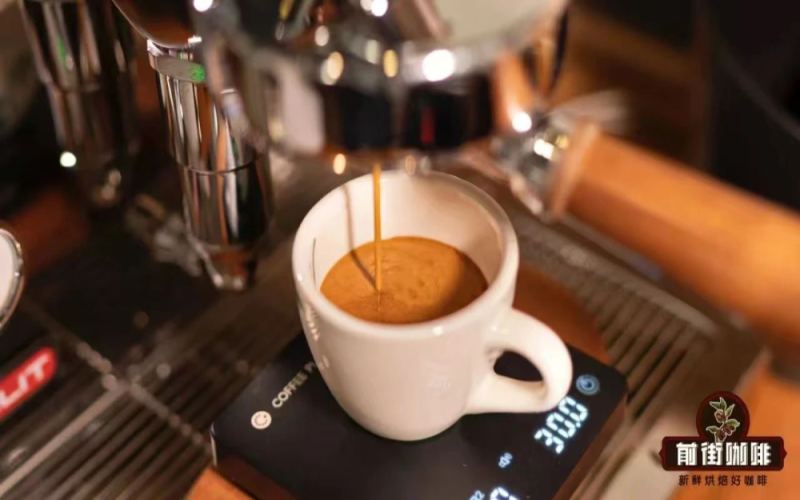
Espresso Bean Selection Guide: How Blends and Roast Levels Affect Flavor
Choosing the right coffee beans is key to making a high-quality espresso. This article delves into the differences between blends and single-origin beans, explores the suitable scenarios for medium-dark and dark roasts, and explains why blends are often considered the first choice for espresso. By understanding the roasting characteristics of coffee beans and the logic behind their pairing, you can find the espresso beans that best suit your taste and improve the success rate and flavor performance of both home and shop brewing. [more…]
2025 Global Single-Origin Specialty Coffee Bean Prices & Flavor Profiles | Beginner to Advanced Pour Over Guide
This article compiles the newly imported single-origin coffee bean lineup for the 2025 season, detailing classic and auction-grade beans from world-renowned regions such as Ethiopia, Kenya, and Panama, including COE award-winning beans, Blue Mountain No.1, and Jade Gesha. It also provides the origin background, processing method specifics, and clear flavor profiles for each bean, helping readers select the most suitable beans for pour over and extraction based on personal preference, while also grasping market price references. [more…]