







Category: Coffee Knowledge

Latte Art Milk Frothing Guide: Master the Three Key Elements of Flow, Smoothness & Moisture Content
To create delicate and beautiful latte art, besides mastering pouring techniques, the quality of the milk foam is the key factor. This guide delves into the three essential elements that make milk foam ideal for latte art: flowability, smooth fineness, and moisture content. It also provides practical steaming tips and recommended parameters to help you gradually adjust your milk to the perfect state for latte art—from the basics. You can even achieve a golden crema and silky smooth foam at home with ease. [more…]

Beginner's Guide to Latte Art: A Complete Guide to Bean Selection and Milk Frothing
Mastering latte art not only enhances the visual appeal of your coffee but also is a craft that requires skill and attention to detail. From selecting the right coffee beans to frothing the milk, each step affects the final presentation. This article delves into the characteristics of coffee beans suitable for latte art, including roast level, freshness control, and crema stability, and breaks down the key techniques for milk frothing, steam wand operation, and latte art shaping—taking you from beginner to skilled practitioner. [more…]
How to Choose Italian-Style Latte Art Coffee Beans? A Complete Guide to the Advantages of Medium-Dark Roast Beans and Milk Frothing Techniques
To consistently produce clear and beautiful latte art patterns, it's not just about technique — you also need to carefully select the right coffee beans and master milk frothing tips. This article delves into why medium-dark roasted Italian coffee beans are better suited for latte art, analyzing the key impacts of crema condition and resting period, and then step-by-step breaks down the milk frothing process — from milk pitcher selection, steam wand angle, to air intake and texturizing techniques — and finally demonstrates the steps for creating a classic white heart latte art, so that even at home you can practice to a professional-level latte art performance. [more…]

How to Choose Coffee Beans for Latte Art? A Complete Guide to the Advantages of Medium-Dark Roast Blends and Milk Frothing Techniques
To pour beautiful and stable latte art, choosing the right espresso beans and mastering milk frothing techniques are equally important. This article delves into the characteristics of coffee beans suitable for latte art, including the crema and aroma advantages of medium-dark roast blends, and recommends several practical bean options. It also explains in detail the two stages of milk frothing—introducing air and texturing—and emphasizes the importance of the blending technique. Finally, it provides an efficient practice path from fresh milk to water to help you quickly improve your latte art skills. [more…]

The Complete Guide to Medium-Dark Roasted Golden Mandheling: Flavor Analysis and Pour Over Parameters
As a classic representative of Sumatran coffee, Golden Mandheling’s medium-dark roast perfectly showcases its unique herbal, pine, and caramel aromas, while delivering a rich body and balanced finish. This article provides an in-depth analysis of its roasting principles and chemical reaction mechanisms, along with two practical pour over brewing methods. From flavor profiles to extraction details, it helps you fully unlock the potential of this classic bean. [more…]
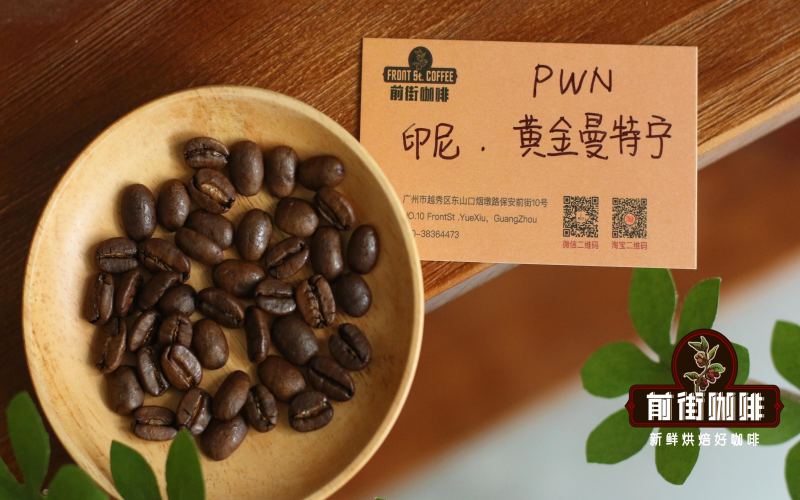
Golden Mandheling Pour Over Guide: Medium-Dark Roast Flavor Profile and Brewing Parameter Recommendations
Golden Mandheling is a premium single-origin coffee from Sumatra, Indonesia, renowned for its distinctive herbal and woody aromas. This guide delves into the regional characteristics of PWN Golden Mandheling, the wet-hulled processing method, and why medium-dark roasting brings out its classic profile of full body, low acidity, and spicy sweetness. Practical pour over and extraction tips are also provided to help you fully appreciate the layered complexity of this classic bean. [more…]
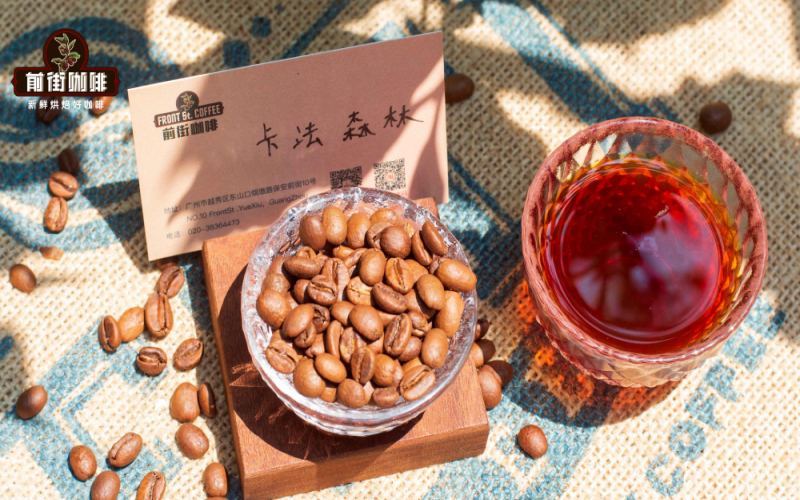
Ethiopian Yirgacheffe Forest Coffee: Wild Varieties, Genetic Treasury, and Flavour Characteristics of Washed Processing
The Ethiopian Yirgacheffe Forest is hailed as the genetic cradle of Arabica coffee, home to over 5,000 wild coffee tree species. This article takes you deep into this plateau forest at an altitude of 1,400 to 2,100 metres, exploring its unique ecological environment, the charm of native varieties, and the citrusy floral flavours brought by washed processing. It also analyses the key parameters that influence the flavour, helping you better understand this highly representative wild coffee. [more…]
Ethiopia’s Kafa Forest: The Birthplace of Wild Arabica & A Complete Flavor Breakdown | Coffee Bean Recommendations
Located in western Ethiopia, the Kafa Forest is the global genetic treasure trove of Arabica coffee and the cradle of wild coffee. This high-altitude virgin forest nurtures a diverse array of coffee varieties, and its washed processed beans are renowned for their floral and fruity aromas as well as bright acidity. This article will delve into the geographical environment of Kafa Forest, the characteristics of wild coffee, and analyze the flavor profile and brewing reference of a medium-light roasted washed bean, taking you on an exploration of the true charm of wild coffee. [more…]
Analysis of Colombian Decaf Coffee Bean Prices and the Four Major Decaffeination Processes | How to Choose Low-Caffeine Drinks?
Many people believe that decaf coffee is healthier and less likely to cause palpitations, but in reality, commercially available decaf coffee still contains trace amounts of caffeine. This article provides an in-depth analysis of the differences among the four mainstream decaffeination processes, compares the market price range of Colombian decaf coffee beans, and helps you make an informed choice based on your health needs and flavor preferences, while also clarifying common misconceptions. [more…]
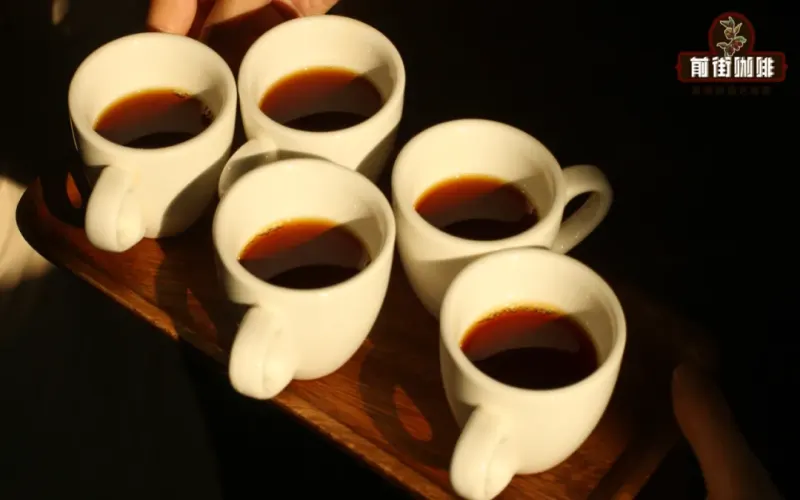
Is acidity in single-origin coffee normal? An analysis of fruit acid origins and a bean selection flavor guide
Many people who try single-origin coffee for the first time often mistake its noticeable acidity for spoilage. In fact, acidity is a natural component of coffee flavor — not a flaw, but rather an important characteristic of specialty coffee. This article delves into the sources of coffee acidity, distinguishing pleasant fruity acids from undesirable off-flavors, and offers suggestions on origin selection and roast levels to help you find a coffee experience that suits your taste. [more…]
Single-Origin Coffee Acidity Explained | A Beginner's Guide to Fruit Acids and Pour Over Flavor
If you're new to single-origin coffee, have you ever been startled by its bright acidity, thinking the beans might be spoiled? In fact, the fruity acidity in coffee comes from the natural flavors of the coffee cherry and is not a defect. This article will take you deep into how acidity forms, help you distinguish between pleasant and unpleasant acidity, and offer practical advice based on origin and roast level—so even beginners can gradually learn to appreciate the subtle and varied expressions of acidity in coffee. [more…]
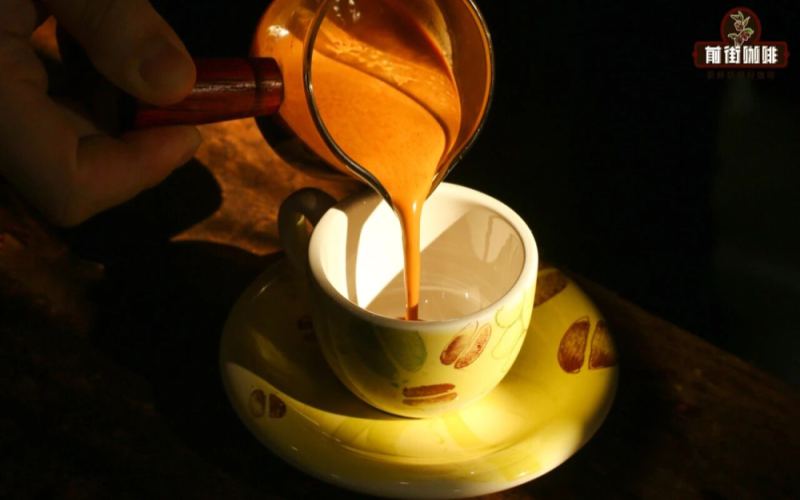
How is the crema and flavor of espresso beans achieved? Key analysis of roast level selection
Brewing a shot of espresso at home with rich crema and balanced flavor hinges greatly on your choice of roast level. This article delves into how medium-dark roasts influence the crema performance and aroma release of espresso, and shares five popular espresso blends on the market — from bold and intense to fruity profiles, suitable for both home and commercial use — to help you choose the most fitting beans based on your needs. [more…]
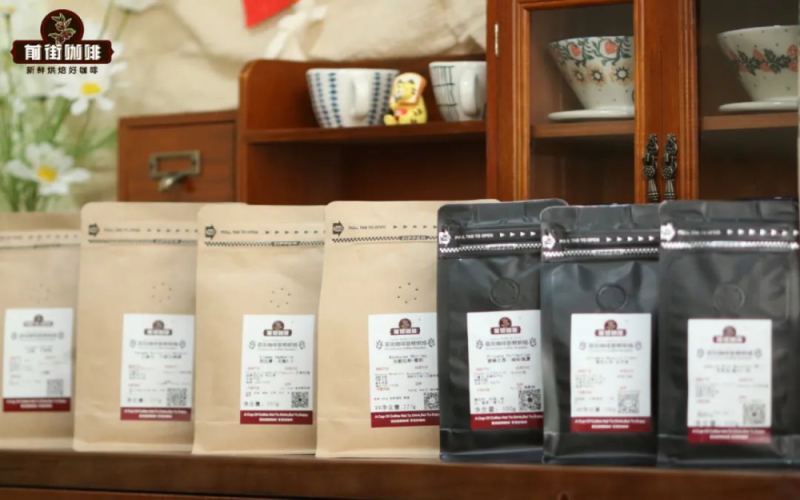
How to Choose Yunnan Typica Pour Over Beans? A Guide to Flavor Profiles and Optimal Brewing Parameters
Want to brew a uniquely flavorful cup of Yunnan coffee at home but don’t know where to start? This article provides an in-depth analysis of the distinctive flavor characteristics of the Yunnan Typica variety—from the differences between natural and washed processing methods to pairing recommendations for various brewing styles. It also offers practical brewing parameters and tasting tips to help you find the most suitable Yunnan coffee beans based on your personal taste preferences. [more…]
Complete Guide to Coffee Varieties: Exploring the Flavors of Arabica, Robusta, Geisha, and Typica-Bourbon
Want to understand the unique characteristics of different coffee varieties and the brewing methods that suit them best? This article provides an in-depth look at the world’s major coffee varieties, including the most widely grown Arabica, disease-resistant Robusta, and the highly acclaimed Geisha, Typica, and Bourbon. From their origins, growing conditions, processing methods, to the flavors in the cup, this guide helps you build a systematic understanding of coffee varieties—whether you're selecting beans or choosing a pour over coffee, you’ll have a clearer direction. [more…]

An in-depth analysis of the characteristics and purchasing guide for Arabica and Robusta coffee beans
Want to understand the two major varieties in the world of coffee? This article comprehensively breaks down the cultivation conditions, flavor profiles, and applicable scenarios of Arabica and Robusta. It delves into the origins and characteristics of classic Arabica sub-varieties such as Typica and Bourbon, and explores the development background and market applications of hybrid varieties like Catimor. Helping you find the most suitable coffee beans based on your taste preferences and brewing methods. [more…]
How to Choose Between Arabica and Robusta? A Complete Guide to Coffee Bean Varieties and Pour Over Flavors
There are many types of coffee beans, but the mainstream still consists mainly of Arabica and Robusta. This article provides an in-depth analysis of the differences between the two major species—from altitude adaptability and flavor profiles to common sub-varieties such as Typica, Bourbon, and Maragogype—and helps you understand their performance in pour over or espresso extraction, so you can make a smarter choice based on your taste preferences. [more…]
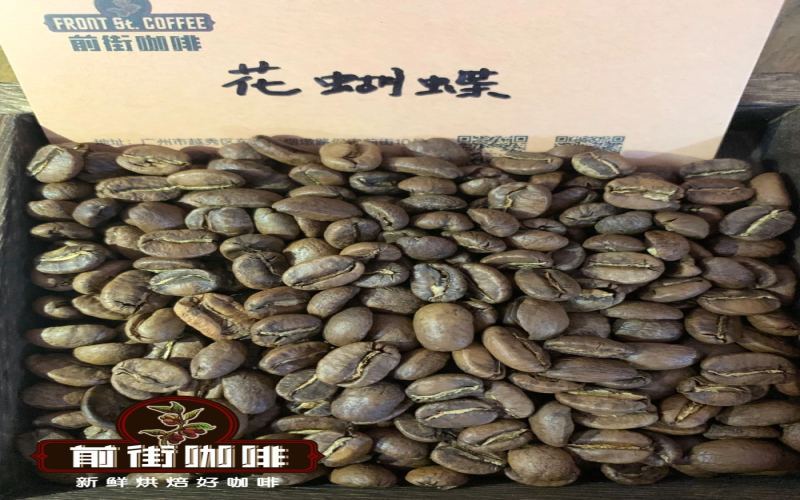
In-depth Analysis of Panama Hua Hudie Gesha Blend Beans | Comprehensive Guide to Pour Over Parameters and Flavor Characteristics
Panama Hua Hudie coffee beans are a well-known blend that combines Gesha lineage with an affordable price point, primarily grown in the high-altitude region of 1600 meters above sea level on the Baru Volcano. This article will provide a detailed breakdown of the growing region’s terroir, variety composition, washed processing method, and offer practical pour over and roasting recommendations to help you fully understand every aspect of this high-cost-performance Gesha-series coffee — from green beans to your cup. [more…]
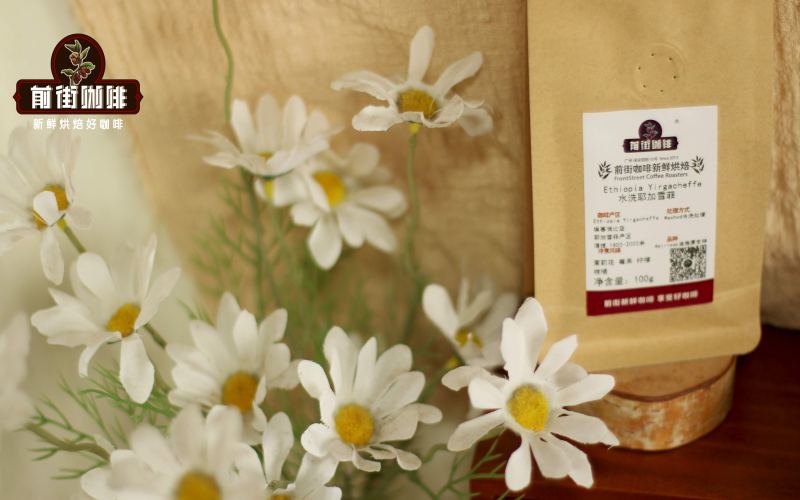
How to Choose Between Ethiopian Guji and West Arsi Sun-Dried Beans? A Complete Guide to Flavor Profiles and Pour Over Parameters
Want to understand how sun-dried coffee beans from Ethiopia’s two renowned regions—Guji and West Arsi—differ? This article provides an in-depth comparison of the terroir, processing methods, and green bean characteristics of Huakui 4.0 and West Arsi beans. It also offers professional cupping results and practical pour over brewing recommendations to help you find the specialty coffee that best suits your taste. [more…]
Ethiopia Guji Region Coffee Bean Tasting: A Complete Guide to Shakiso Flavor Profiles and Pour Over Parameters
The Guji region has emerged in recent years as a rising star in Ethiopia’s specialty coffee scene, with the Shakiso micro-region, in particular, producing beans with rich and layered flavors thanks to its unique geographical environment. This article delves into the administrative background of the region, changes in the ECX trading system, and provides insights into the cultivation conditions and processing methods of Guji-Shakiso. It also offers practical pour over brewing recommendations and cost-effective bean options for reference. [more…]
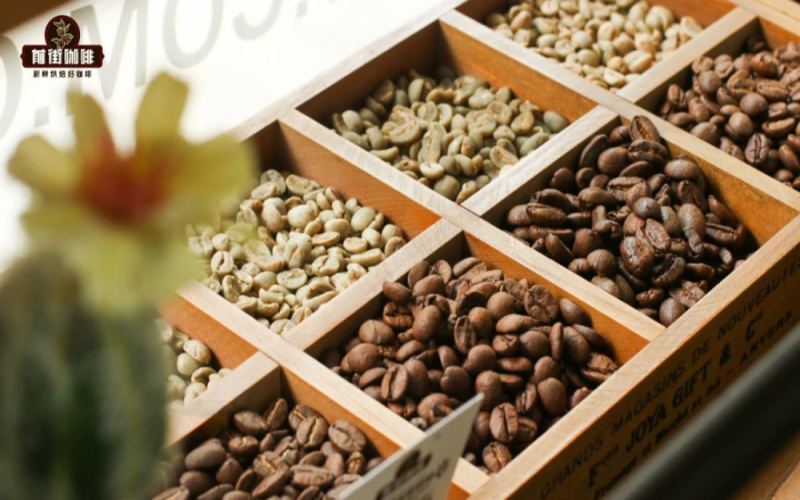
Ethiopia Guji Hambella Huilaui 4.0: Sun-Dried Processing & Flavor Guide
Dive deep into Ethiopia’s Guji region, specifically the Hambella micro-region, to understand how altitude, soil, and climate shape the unique flavors of Huilaui coffee. From the characteristics of the Degga variety, the sun-drying process at a specific mill, to pour over parameters and three-stage pouring techniques, this guide takes you from origin to cup, covering every detail of this popular coffee. [more…]