







Introduction:Ethiopia’s Sidamo and Yirgacheffe are two classic coffee-growing regions that specialty coffee enthusiasts around the world must not miss. This article delves deep into the flavor profiles, processing methods, and regional characteristics of natural Sidamo Huaguai and washed Yirgacheffe. It also explores the market pricing and development background of Sidamo coffee. Not only does it analyze the origin and evolution of the commonly known name “Huaguai,” but it also explains in detail the characteristics of the Heirloom variety, and provides practical pour over parameters and flavor tasting tips to help you better grasp the unique charm of these two classic coffees.
When it comes to Ethiopian specialty coffee, many people immediately think of Yirgacheffe, known for its intense floral aromas and bright fruity acidity, or the natural Sidamo Huaguai, celebrated for its rich sweetness and layered flavors. Although both coffees share the same origin, they deliver distinctly different taste experiences due to their processing methods, microclimates, and varietal traits.
Natural Sidamo Huaguai is renowned for its bold fruity aromas, long-lasting floral notes, and honey-like sweetness, making it particularly appealing to coffee lovers who enjoy tropical fruit profiles. In contrast, washed Yirgacheffe showcases a cleaner and more vibrant acidity, with distinct citrus, lemon, and jasmine floral notes. Its clean and refreshing aftertaste makes it a top choice for many beginners entering the world of specialty coffee.
The differences between these two coffees are not only reflected in their processing methods—Huaguai mainly employs the natural process to enhance fruitiness and sweetness, while Yirgacheffe is typically washed to highlight clarity and well-defined layers. Behind these differences lie multiple factors including regional geography, altitude, microclimate, and varietal genetics. For example, the Sidamo region generally sits at elevations between 1400 and 2000 meters, with some premium micro-regions even reaching 2200 to 2500 meters. Such altitudes endow the coffee beans with greater flavor potential.
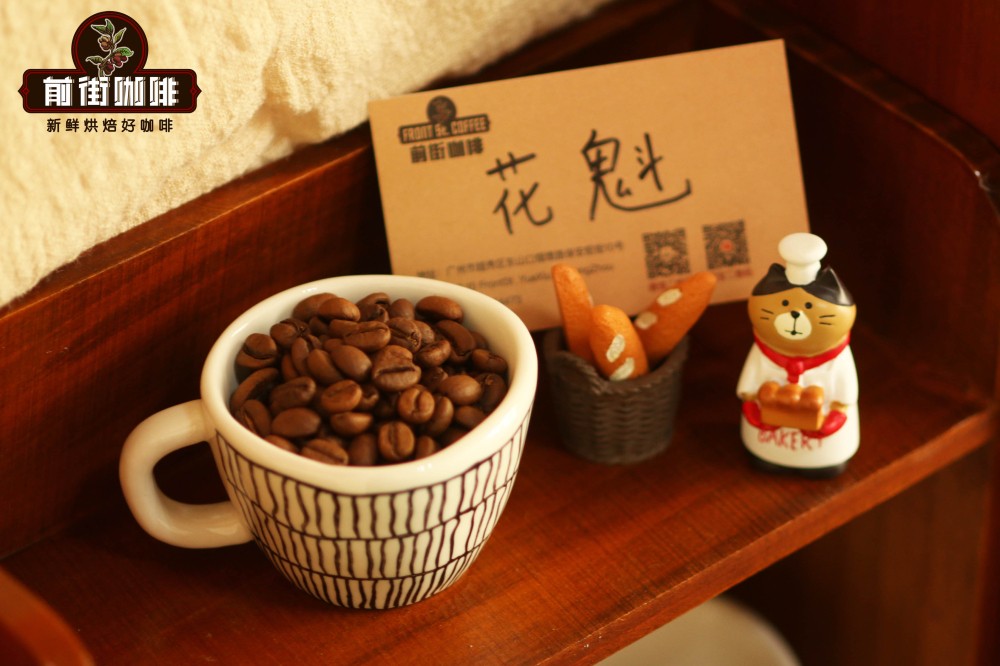
Speaking of Huaguai, we must touch on its path to fame. In 2017, Ethiopia’s DW Coffee Exporters submitted a natural lot to the TOH (the Taste of Harvest) competition, which won the championship in the Ethiopian category. That lot was later named “Huaguai.” The Chinese name was given by the Chinese importer Hongshun Company, symbolizing its exceptional quality. However, in the international market, this coffee is still called “Hambella,” originating from a small sub-region in the Gedeb area of Sidamo. Among them, the natural lots processed at the Buku Abel station are highly praised and considered the most authentic source of “Huaguai.”
As Huaguai gained immense popularity, DW expanded with five new processing stations in the Hambella Wamena Wereda after 2017, all concentrated in the core producing town of Dimtu. These include Buku Abel, Buku Saysay, Haro Soresa, Tirtiro Goye, and Seke Bokosa. The production capacity of these stations enabled the annual output of “Huaguai” to quickly rise to several thousand tons. However, as the years passed, starting from 2018, the flavor profile of Huaguai began to show slight adjustments. While it retained its core fruitiness and sweetness, the body and aftertaste were not as pronounced as in the original versions.
To differentiate lots from different years, domestic traders began naming them using an “X.0” system. For instance, 2018 became “Huaguai 2.0,” followed by “Huaguai 3.0” and “Huaguai 3.1” in 2019, up to the latest “Huaguai 7.0.” This allows consumers to trace the specific year and flavor characteristics according to the numbering.
Now let’s take a look at the Sidamo region itself. This area, adjacent to Yirgacheffe, is not only a geographical coffee hub but also became embroiled in controversy when Starbucks attempted to register the name “Sidamo” as a trademark. In 2006, Starbucks tried to trademark the name “Sidamo,” but ultimately withdrew the application following collective protests from Ethiopia’s coffee industry. They then continued selling coffee from the region under a cooperative agreement. Sidamo is located in southern Ethiopia, spanning multiple administrative zones, with most plantings at altitudes between 1400 and 2000 meters. Its diverse terrain and microclimates contribute to the richness and uniqueness of its flavor profiles.
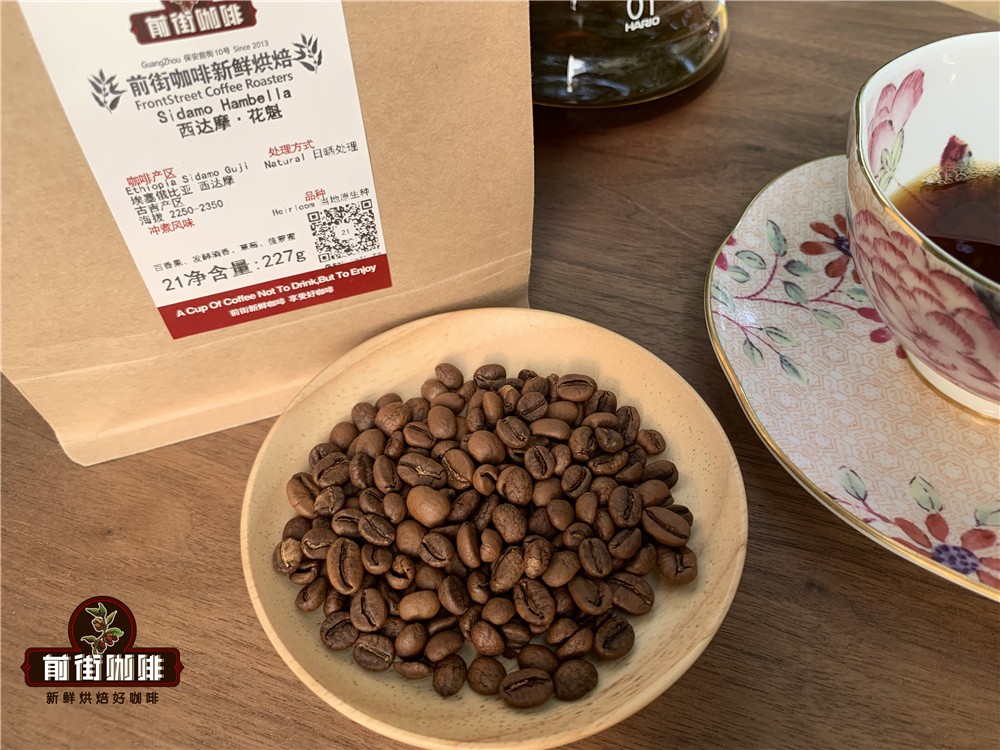
The variety used in Huaguai is Heirloom, Ethiopia’s unique “native variety.” This is not a single variety but rather a mix of numerous local landraces, wild varieties, and farmer-cultivated strains. Due to varying growing environments and seed sources among smallholder farmers, each batch of Heirloom beans can differ in bean size, shape, and flavor expression. This “blended batch” characteristic also means that each year’s Huaguai carries subtle variations, adding an element of surprise to the tasting experience.
In Ethiopia, the coffee grading system was previously managed by the CLU department of the Ministry of Agriculture, based on the number of defective beans in 300 grams of green coffee. Nowadays, Grade 1 is the highest grade, representing minimal defects and the finest quality. A certain shop’s imported Sidamo Huaguai natural Grade 1 falls into this category, grown at altitudes of 2200 to 2500 meters. Its flavors exhibit rose-like floral notes, peach-like sweetness, and a soft black tea-like finish, exemplifying the typical characteristics of high-altitude natural processing.
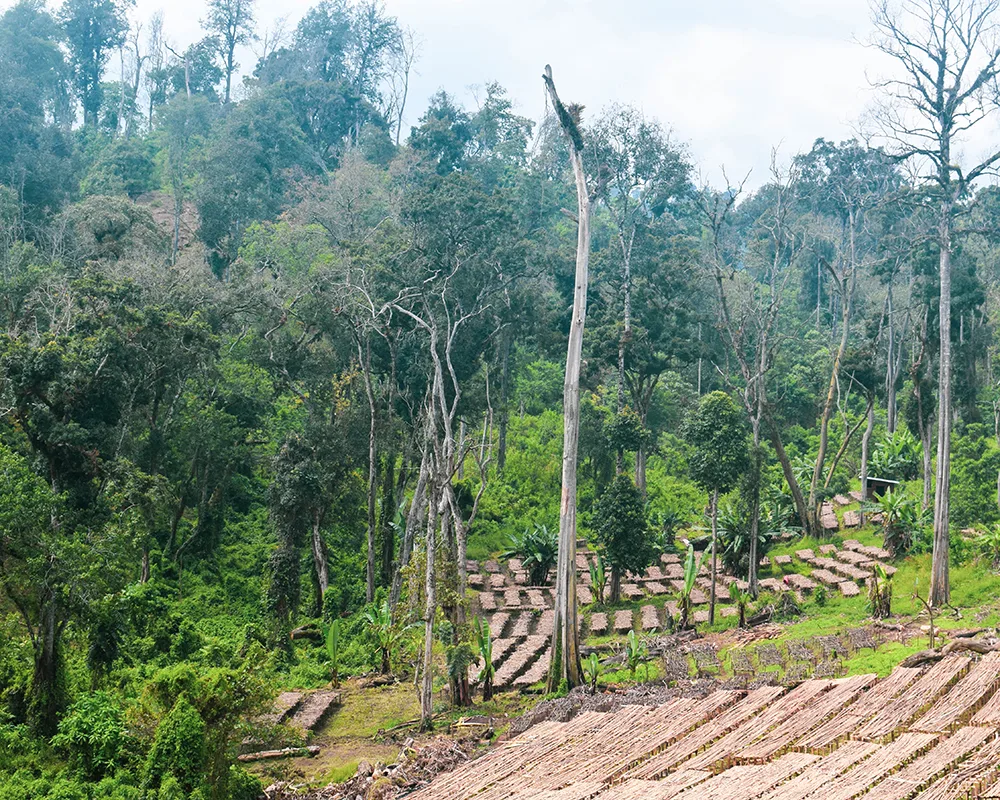
In terms of processing methods, the differences between natural and washed processes directly impact the final flavor of the coffee. Traditional natural processing involves carefully selecting ripe red cherries, evenly spreading them on raised African beds, and turning them frequently to prevent mold and off-flavors. Once the fruit skin is completely dry and hard, the pulp is removed, and the beans are carefully sorted. This method maximizes the conversion of fruit sugars, giving the coffee richer sweetness and complex aromas. In contrast, washed processing emphasizes cleanliness and bright acidity. By removing the pulp, fermenting, washing, and drying the beans, it highlights a more vibrant and lively citrus and floral profile.
Regarding the price of Sidamo coffee, due to its remote location, higher harvesting and processing costs, along with the G1 grade selection and the rarity of native varieties, it is indeed more expensive compared to general commercial beans. However, it remains within the range of cost-effectiveness in the specialty coffee market. For example, a common half-pound bag of Huaguai from a certain shop is priced at around 65 yuan. Considering its flavor performance and regional scarcity, it can be considered quite affordable.
Finally, if you want to brew Huaguai at home and bring out its rich layers, it is recommended to use a V60 dripper with a water temperature of 90°C, a 1:15 coffee-to-water ratio, about 15 grams of coffee, and a medium-fine grind (approximately 80% through a #20 sieve). These parameters help balance flavor extraction and avoid over-extraction or excessive acidity. New-season Huaguai often releases aromas of ripe fruit during brewing, with flavors of fermented fruit, sweet green grapes on the palate, shifting to lemony acidity and creamy texture in the mid-palate, and finishing with the juicy roundness of ripe grapes. It is a classic natural lot that is truly worth savoring.
The above content is compiled by CoffeeHunters, a coffee news website.


