







Introduction:Dive deep into the cultivation evolution and varietal characteristics of Yunnan small-grain coffee—from early varieties such as Typica and Bourbon to today’s dominant disease-resistant and high-yield Catimor—understanding the historical background and flavor profiles of different cultivars. This article also explores the definition of "small-grain" in Yunnan coffee, shares actual cupping flavor traits, and provides recommended brewing parameters including water temperature, grind size, and a three-stage V60 extraction method, so you can brew balanced and mellow Yunnan everyday beans at home.
Yunnan coffee has gradually gained international recognition in recent years. From the initially introduced Typica and Bourbon to the currently predominant disease-resistant and high-yield Catimor, its development journey has been full of challenges and transformation. This article will guide readers through the history of Yunnan coffee, analyze the characteristics of different varieties and their suitable processing methods, and present their unique flavor profiles through actual cupping data. It also shares professional-grade pour-over recommendations to help coffee enthusiasts easily replicate authentic Yunnan flavors at home.
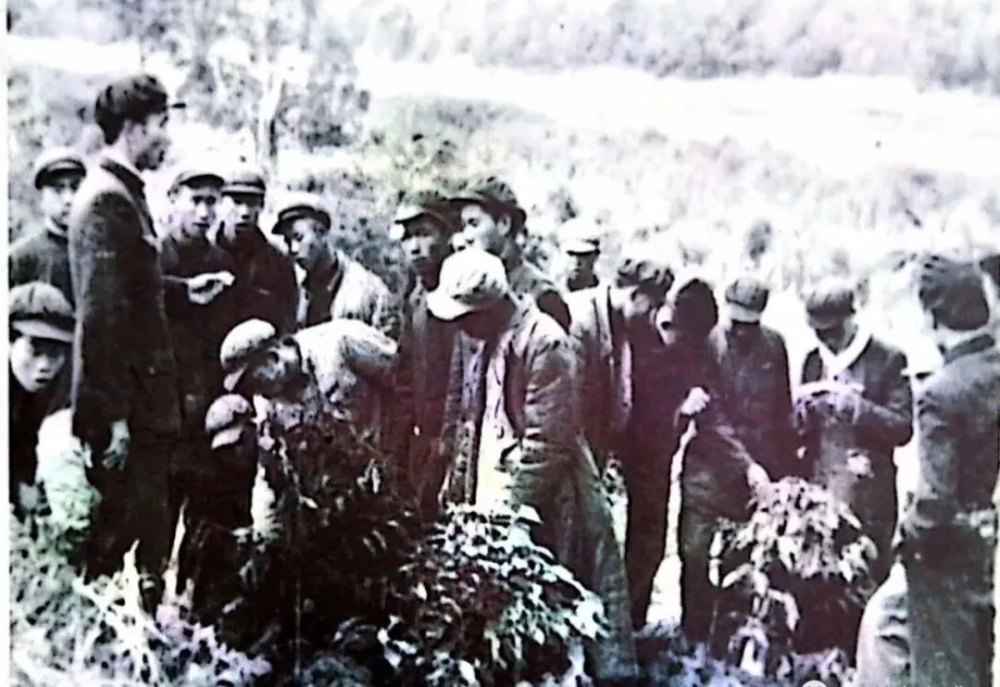
 Reviewing the developmental history of Yunnan coffee, it can be roughly divided into three key periods: the initial development in the 1960s, international cooperation in the 1980s, and the specialty coffee transformation after 2000. The earliest written records indicate that in 1904, French missionary Téodor Courdrix planted the first batch of Typica coffee trees in Zhugula Village, Binchuan County, which is considered the starting point of Yunnan coffee. Later, in the 1950s, to supply the Soviet market, Chinese agricultural experts began promoting large-scale planting, with the main varieties still being Typica and its variant Bourbon, reaching a planting area of up to 50,000 mu at one point.
However, a subsequent global outbreak of coffee leaf rust severely damaged local coffee-growing regions, killing many coffee trees and drastically reducing the planted area. It wasn’t until the reform and opening-up period in the 1980s that the situation improved. In 1988, foreign enterprises including Nestlé entered Yunnan, bringing in the disease-resistant and high-yield Catimor variety and purchasing coffee beans at international futures prices, significantly boosting farmers' willingness to grow coffee. Catimor gradually replaced traditional Typica and became the dominant variety in Yunnan’s coffee production.
 The term "small-grain coffee" generally refers to Arabica coffee beans with relatively small bean size, used to distinguish them from medium-grain Robusta grown in places like Hainan. The early Typica and Bourbon introduced to Yunnan were pure Arabica varieties, capable of exhibiting rich acidity and aroma in high-altitude environments. However, these varieties are generally weak in disease resistance and low in yield, leading many farmers to switch to Catimor, which offers higher yield and better disease tolerance. Nevertheless, due to its genetic makeup containing approximately 25% Robusta heritage, Catimor often has rich crema but may carry what is referred to as "devilish flavors," often slightly inferior to pure Arabica varieties such as Caturra or Bourbon in cupping evaluations. To further improve the quality of Yunnan coffee, varietal improvement is an inevitable trend. Although emerging varieties such as Geisha have been trial-planted in Yunnan, it typically takes about 15 to 20 years—from introduction to stable mass production—including stages such as trial planting, flowering and fruiting, stable yield, and environmental adaptation.
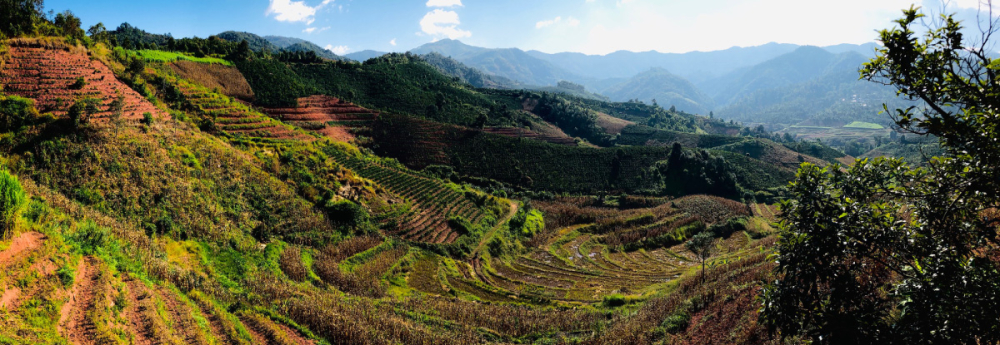
Beyond varietals, the terroir of the producing region is also a crucial factor influencing flavor. A certain brand’s Yunnan everyday beans are selected from Catimor grown in Baoshan and processed using the washed method, which more clearly highlights the intrinsic flavor characteristics of the beans. The washed process generally brings out a cleaner, brighter acidity and clearer sweetness, making it very suitable for medium-to-low altitude Catimor varieties. Additionally, the brand once cultivated ancient Typica varieties in the Lincang region. After years of care, the first harvest was achieved in 2020, and a specific product was launched using the natural (sun-dried) processing method, showcasing a distinctly rich and mellow profile.
When discussing the flavor profile of Yunnan small-grain coffee, it does not exhibit the intense floral and fruity notes typical of African beans, nor the rich chocolate and nutty aromas common in American beans, nor the spicy and earthy flavors often found in Indonesian beans. Yunnan small-grain coffee tends to be more balanced, with a well-proportioned acidity, sweetness, and bitterness. A certain brand found during cupping that this everyday bean exhibits nutty, herbal, and brown sugar sweetness, along with mild plum-like acidity and melon-like sweetness, delivering an overall very balanced performance. Therefore, a medium roast is recommended, which can bring out chocolate-like aromas without masking its delicate acidity.
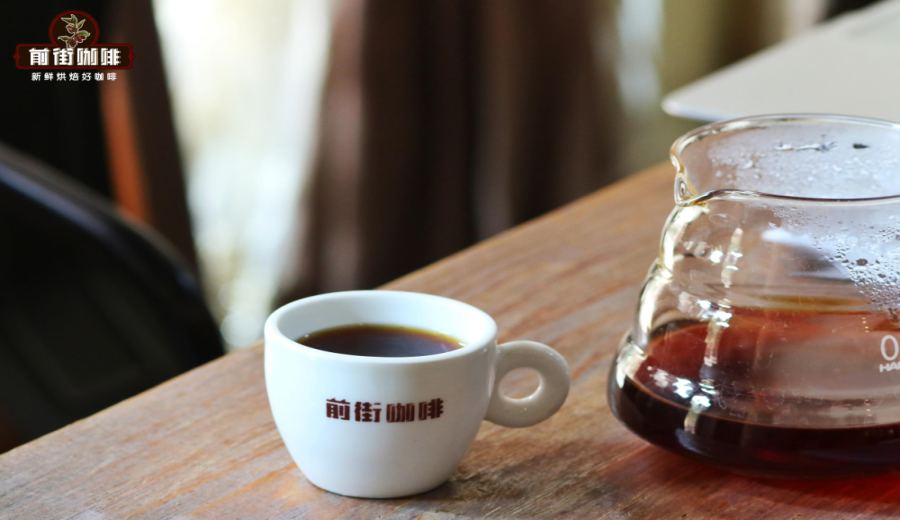
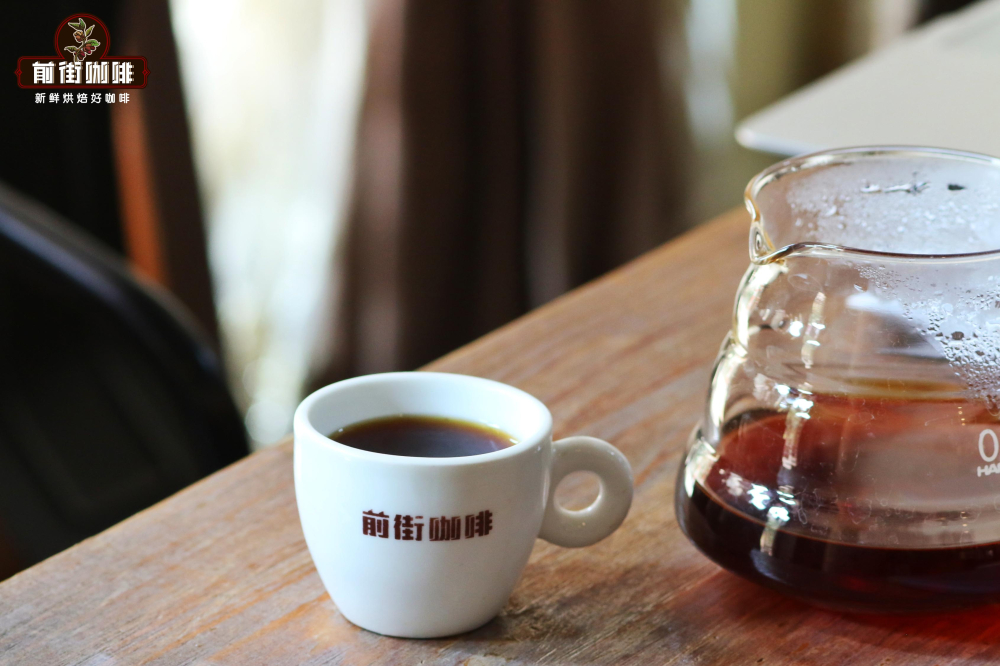
To replicate the unique flavor of Yunnan small-grain coffee at home, it is recommended to use a V60 dripper for pour over. The actual brewing parameters from a certain brand’s café are as follows: using 15 grams of coffee grounds, with a medium-fine grind size passing through a standard #20 sieve at 80% rate, water temperature controlled at 90°C, and a coffee-to-water ratio of 1:15. Employ a three-stage pouring technique: first pour 30 grams of water for a 30-second bloom, then pour 95 grams in the second stage, and finally 100 grams in the third stage, with the total extraction time around 2 minutes, keeping the error within 10 seconds. These parameters help balance the extraction of acidity, sweetness, and body in the flavor, avoiding over-extraction or under-extraction.
The above content is compiled by CoffeeHunters, a coffee news website.


