







Introduction:The Geisha coffee from Panama’s Finca El Bosque (Emerald Estate) is renowned for its auction, Red Label, Green Label, and Blue Label offerings. The distinctions between these grades primarily stem from differences in altitude, origin, and processing methods. This article delves into the microclimatic variations across the three major Geisha-growing regions of Finca El Bosque, offering an in-depth look at how the Red, Green, and Blue Labels differ in cupping profiles, roasting recommendations, and pour over performance. Practical brewing parameters are also provided to help you choose the most suitable Geisha grade based on your budget and taste preferences.
In the world of specialty coffee, the Geisha (Geisha) from Panama’s Finca El Bosque is undoubtedly one of the most iconic top-tier varieties. To help consumers better distinguish the quality tiers of Geisha, the estate has introduced various grades including auction, Red Label, Green Label, and Blue Label. These classifications are strictly based on altitude, regional microclimate, and processing methods, enabling coffee enthusiasts to make selections according to their individual budgets and flavor preferences.
Key Growing Regions and Microclimates of Finca El Bosque’s Geisha
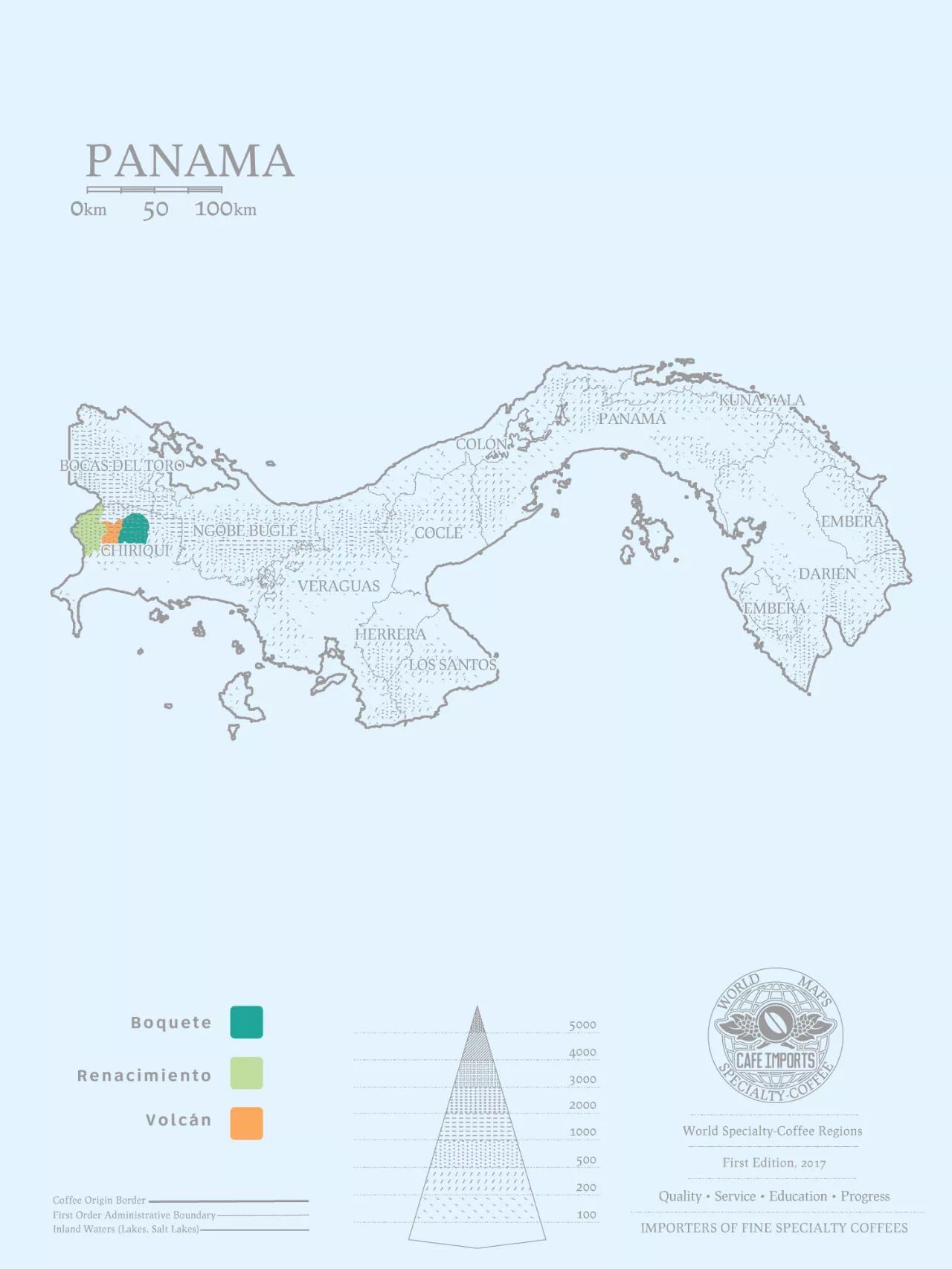
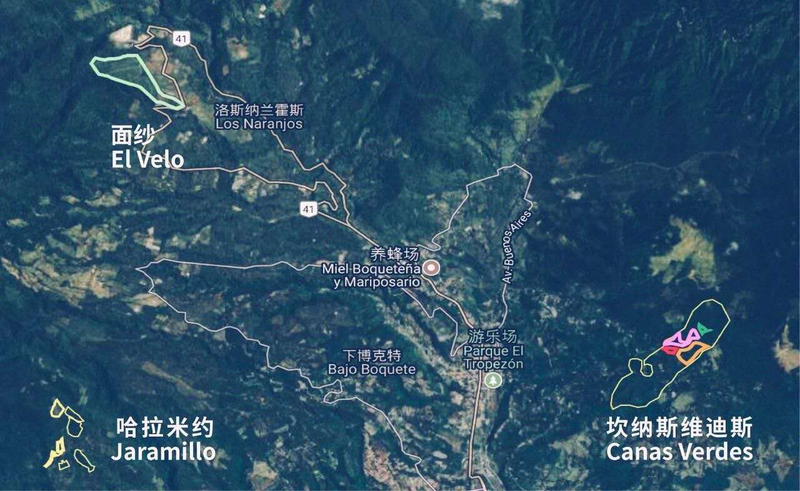
Finca El Bosque is located in Panama’s Boquete region and has three primary plots dedicated to growing Geisha: Jaramillo, Cañas Verdes, and El Velo. Each plot features unique microclimatic and altitude conditions that directly influence the flavor profile of the coffee.
The Jaramillo area has an average altitude ranging between 1600 and 1700 meters, with annual rainfall reaching up to 4000 mm. The region experiences significant diurnal temperature variation—daytime temperatures around 19–25°C drop to 11–15°C at night—resulting in Geisha coffees with rich floral aromas and layered fruit acidity.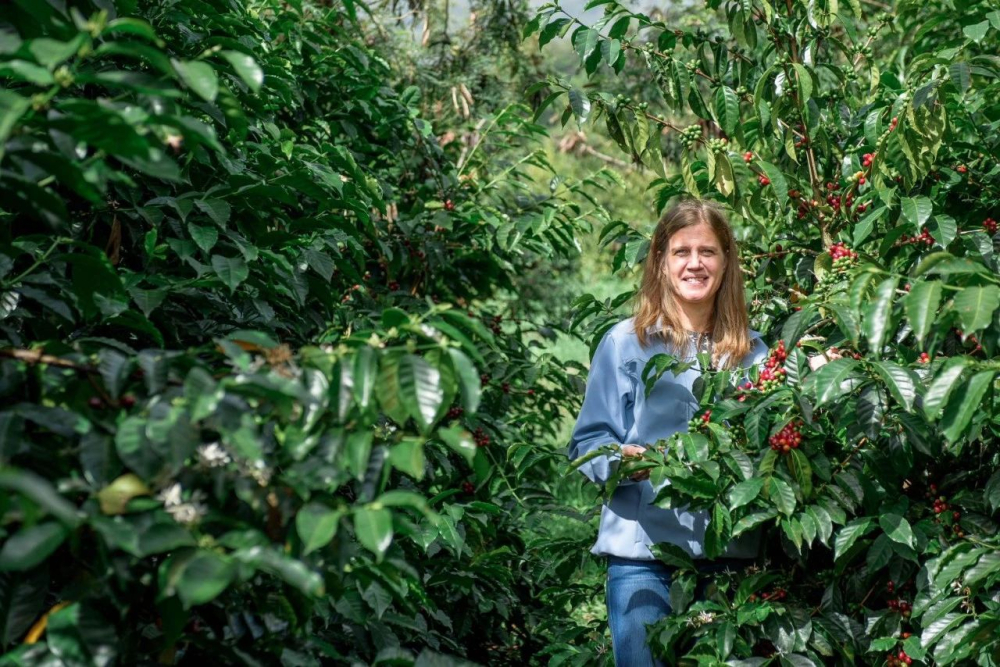
Cañas Verdes sits at a slightly lower but still high altitude of around 1600 meters, with approximately 3500 mm of annual rainfall. The terrain is complex and features volcanic soils, providing a robust and varied aromatic foundation for the Geisha grown here.
El Velo is the newest acquisition and the highest-altitude plot, ranging from 1650 to 1900 meters, making it the most premium Geisha-growing zone within Finca El Bosque in terms of elevation. In addition to Geisha, this area has also been used to trial over 400 other coffee varieties, positioning it as a key hub for future varietal development.
Differences Between Auction, Red Label, Green Label, and Blue Label
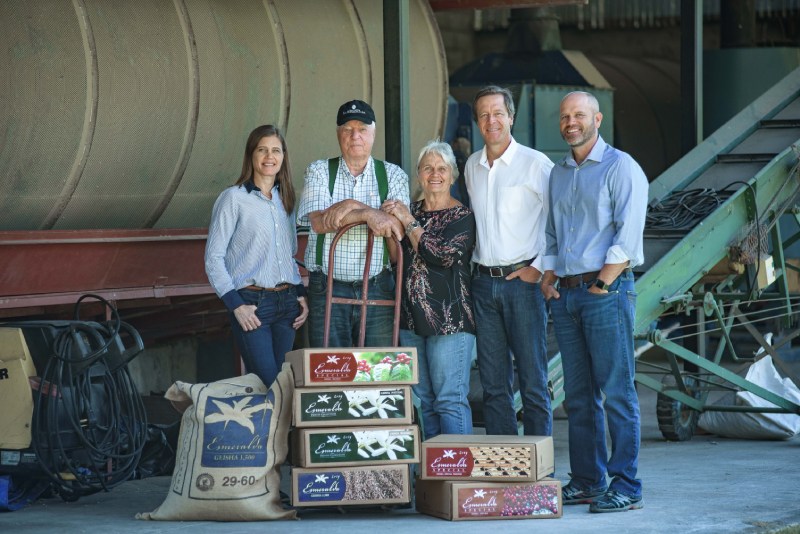
The Geisha coffees from Finca El Bosque are divided into four main categories based on altitude, region, and whether they participate in auctions: Auction Geisha (Red Label), Red Label Geisha, Green Label Geisha, and Blue Label Geisha. These four types exhibit notable differences in cupping scores, processing methods, and flavor profiles.
Auction Geisha, commonly referred to as the Red Label in the market, is sourced from the Jaramillo and Cañas Verdes regions at altitudes of 1600–1800 meters. These beans typically score above 90 points in cupping evaluations. They are carefully selected from specific micro-lots and sold through the estate’s own auction events. Auction Geisha is often processed using either natural (sun-dried) or washed methods, delivering vibrant flavors often characterized by intense floral notes, citrus tones, and a tea-like body.
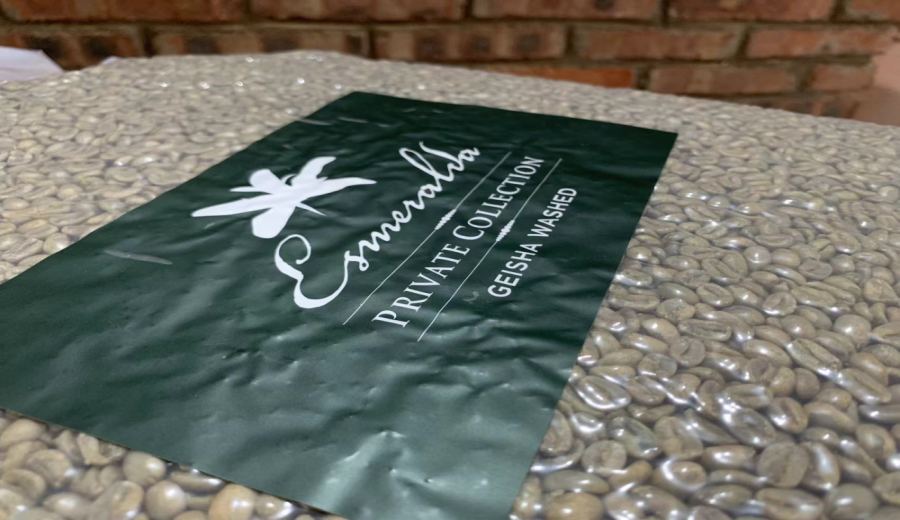
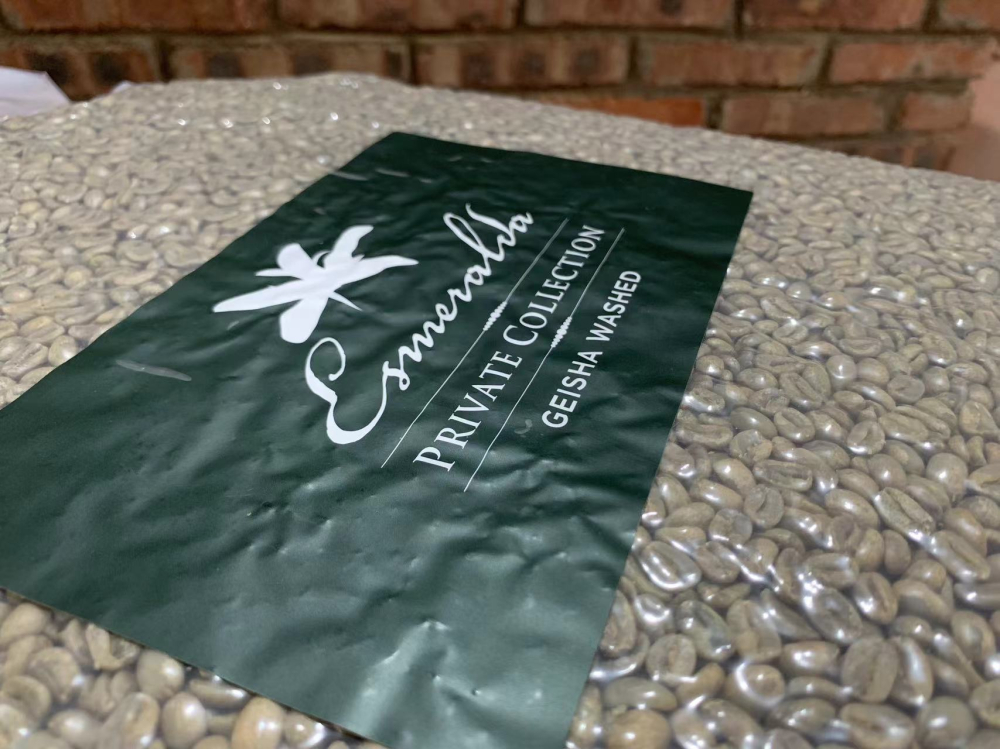
Green Label Geisha, also known as Private Collection, does not participate in auctions but is likewise sourced from high-altitude regions with altitude ranges similar to the Red Label. Green Label is produced by blending beans from different micro-lots, so flavor profiles may vary slightly between batches, though they consistently exhibit the classic Geisha traits of bright fruit acidity, floral aromas, and a full-bodied mouthfeel. Processing methods include both washed and natural.
Blue Label Geisha, commonly known in the market as Geisha 1500, uses beans grown at altitudes of 1400–1500 meters and is a blend from three different regions. It is the lowest-altitude offering among the four grades. While its flavors are not as intense as those of the higher-altitude grades, it still maintains clear notes of citrus, honey, and light fruit acidity, with a relatively refreshing taste. It is primarily processed using the washed method, though since 2020, a natural (sun-dried) version has also been introduced.
Roasting and Cupping Flavor Comparison
To highlight the delicate floral and fruity acidity characteristics of Geisha, producers generally opt for light roasting. However, roasting details are adjusted based on differences in altitude and processing methods.
For example, Red Label Geisha is roasted with a charge temperature of 150°C, a first crack development time of about 1 minute and 28 seconds, and a drop temperature of 189.5°C to preserve its luxurious floral and citrus notes. Green Label has a slightly higher charge temperature of around 190°C, emphasizing a balance between sweetness and fruit acidity. Blue Label uses a charge temperature of 180°C, focusing on clean flavors and clear acidity.
In terms of cupping flavors, Red Label often exhibits bright rose-like floral notes, citrus, berries, and honey, with a rich and layered mouthfeel. Green Label highlights jasmine and ginger lily as dominant notes, accompanied by citrus, cream, and apricot aromas, resulting in a sweeter overall profile. Blue Label features citrus and lemon as primary notes, with soft acidity and a honey-and-tea-like aftertaste, delivering an overall refreshing and pleasant cup.
Pour Over Recommendations and Practical Parameters
It is recommended to use a Hario V60 filter cone, with water temperature controlled at 90°C and a brew ratio of 1:15. The grind size should be roughly equivalent to 80% passing through a Chinese standard No. 20 sieve, which is a relatively fine grind suitable for light roasts. This setup helps fully extract the delicate aromas and balanced acidity-sweetness of Geisha.
For pour over, a three-stage extraction method is suggested: start with a 30-second bloom using 30 grams of water, then pour in stages to reach 125 grams and 225 grams. Total brew time is around 2 minutes. This extraction approach balances flavor release and avoids over-extraction or an overly thin cup.
In summary, from Auction to Blue Label, the grading system of Geisha at Panama’s Finca El Bosque is reflected not only in price but also in the nuanced differences in flavor, altitude background, and processing craftsmanship. Understanding the rationale behind these grades enables you to more precisely select the Geisha coffee that best suits your personal taste.
The above content is compiled by CoffeeHunters, a coffee news website.


