







Introduction:Sumatra Mandheling coffee is renowned for its full body, low acidity, and distinctive earthy aroma, making it a favorite among coffee enthusiasts worldwide. But do you know about the processing methods, variety backgrounds, and geographical environments that shape these flavors? This article delves into the historical evolution of Indonesian coffee, the characteristics of its major producing regions, the common varieties referred to as Mandheling, and provides a detailed explanation of the wet hulling process and its impact on flavor. Additionally, practical pour over parameters and step-by-step extraction guidelines are included to help you brew a well-rounded Mandheling cup more precisely.
Indonesian Mandheling coffee has long been known for its low acidity, rich body, and bold, solid mouthfeel. Its flavor profile combines aroma, intensity, full texture, and a pronounced balance of bitterness and sweetness—offering great enjoyment for those who prefer dark roasts. However, for consumers who favor bright and refreshing profiles, it may feel as heavy as traditional Chinese medicine. The unique character of this coffee is closely tied to its growing environment, variety traits, and processing methods.
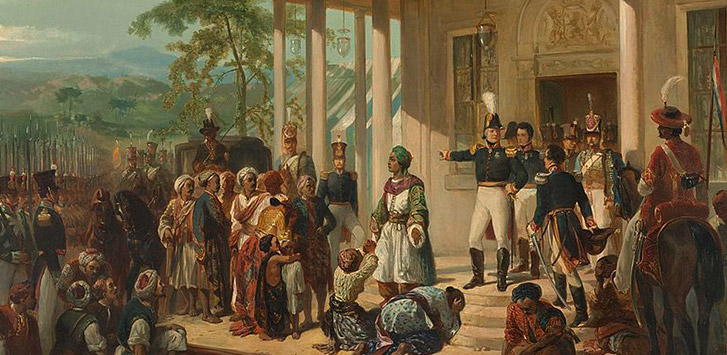
As a key coffee-producing region in Asia, Indonesia’s coffee cultivation history dates back to the 17th century. In 1699, the Dutch East India Company (VOC) introduced Arabica coffee plants from India in an attempt to break the Arab monopoly on coffee trade, initially planting them in what was then Batavia (now Jakarta). Subsequently, large-scale cultivation expanded to Java, Sumatra, Sulawesi, and other outer islands such as Bali and Timor. Between 1725 and 1780, the VOC monopolized global coffee trade, establishing Indonesia as one of the earliest major coffee-growing regions after Yemen and Ethiopia.
However, the coffee leaf rust epidemic of 1876 nearly wiped out most of Indonesia’s Typica varieties, causing a severe blow to production. To recover yields, starting in 1900, the Dutch introduced disease-resistant Coffea canephora var. robusta to low-altitude, heavily affected areas in East Java. Since then, Robusta has gradually become the dominant coffee variety in Indonesia, accounting for about 85% of the country’s total output today, mainly grown in low-altitude regions like Java and Bali. Arabica, on the other hand, is concentrated in northern Sumatra, Sulawesi, and high-altitude areas of Java, making up around 15%.
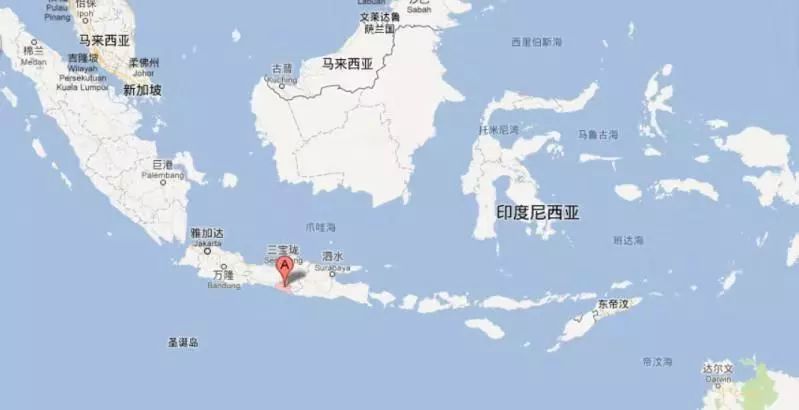
Indonesia is the world’s largest archipelagic nation, comprising over 17,000 islands, with Sumatra, Java, Bali, and Sulawesi being the main coffee-producing regions. The country features a tropical rainforest climate with high temperatures and humidity year-round, no distinct four seasons, and only wet and dry seasons based on rainfall. Volcanic soils are fertile, providing favorable conditions for Arabica coffee. However, due to mountainous terrain and poor transportation, over 90% of coffee is grown by smallholders, with average farm sizes of just around one hectare.
When people mention “Mandheling,” they usually refer to Arabica coffee produced in Sumatra. Although the name originally comes from historical references to Sumatran coffee traders, it has now become synonymous with high-quality dark roast coffee from the island. Sumatra is the world’s sixth-largest island, located on the equator, with extensive high-altitude areas and active volcanic zones, serving as the primary source of Mandheling coffee. The local harvest season typically runs from November to March each year, supplying early fresh beans to the global coffee market.
Famous producing regions in Sumatra include Lintong near Lake Toba, Gayo Highlands in the Aceh Special Region, and areas around Lake Tawar. Among them, the Gayo mountains are known for their high altitudes (1,500–2,500 meters), organic farming practices, and minimal use of chemical fertilizers, producing coffee often referred to as Gayo Mandheling or green coffee, characterized by exceptional purity and regional distinction. The Lintong area represents a conventional Sumatran Mandheling production zone, mostly located near Lake Toba, with stable climates and abundant water resources that aid in post-harvest processing.
Although Bali is better known for tourism, its volcanic terrain also produces high-quality coffee. Particularly in the Kintamani Highlands, nestled between Mount Batukaru and Mount Agung, the cool climate and significant day-night temperature variation support the cultivation of some Sumatra-style Mandheling, which shows slight flavor differences from the main island but still maintains a rich core profile.
When discussing the unique flavors of Mandheling, one cannot overlook its most representative processing method—the wet hulling method (known as Giling Basah in Indonesian). This technique differs significantly from common washed or natural processes and is a unique method developed in Indonesia to adapt to the region’s hot, humid climate and limited sunlight. The typical workflow involves removing the coffee cherry pulp, followed by a relatively short initial drying of the parchment-covered beans until their moisture content drops to around 30–50%. Then, before the parchment is fully dry, it is removed (hulled), and the beans continue sun-drying to reach the desired moisture level. This approach drastically reduces overall drying time but also inadvertently shapes Mandheling’s signature low acidity, thick body, and distinctive earthy aroma.
Due to the region’s consistently hot and humid conditions, prolonged sun drying is difficult and risks uncontrolled fermentation. Coupled with economic constraints that prevent widespread adoption of costly washed methods, wet hulling has become the most pragmatic and locally distinctive solution. Han Huazong described this process in his writings as “accidentally creating Mandheling’s unique profile of low acidity, full body, and special earthy notes.”
If you want to brew a standout Indonesian Mandheling at home, here is a professional-grade pour over recommendation: It is advised to use medium-dark to dark roasted Mandheling beans, as their flavors are richer. A KONO filter cone is recommended to stabilize flow rate and extraction. Suggested brewing water temperature is around 88°C, with a coffee-to-water ratio of 1:15 (adjustable to 1:13 for a stronger taste, if preferred). Grind size should be approximately 75% passing through a #20 sieve, close to medium-coarse but slightly finer to enhance aroma release.
The specific steps can follow a three-stage extraction method: First, pour double the amount of coffee grounds’ weight in water (around 30 grams) for a 30-second bloom to release CO₂ and stabilize subsequent extraction. Then, pour water in small circular motions until reaching 125 grams for the first pour, followed by continuing to 225 grams total before stopping. Allow the filter cone to finish dripping before serving. Total brew time is approximately two minutes. Finally, give the brewed coffee a gentle stir before pouring into your cup to evenly experience its layers of aroma, body, and subtle bitterness.
The above content is compiled by CoffeeHunters, a coffee news website.


